

Coin Trading Guide for Nigerian Investors
🚀 Explore coin trading in Nigeria with tips on how to start safely, spot risks, use local platforms, and navigate regulations for better ₦ investments.
Edited By
Charlotte Turner
Trading robots, or automated trading systems, have steadily made their mark among Nigerian investors looking to improve their trading strategies. These software programs automatically execute trades based on pre-set rules and algorithms without constant human intervention. For many individuals navigating the often volatile Nigerian financial markets, especially in forex and stocks, trading robots offer a chance to act swiftly and reduce emotional decision-making.
These systems work by monitoring market conditions and placing buy or sell orders once specific criteria are met. For instance, a trader using a robot on a platform like MetaTrader might program it to automatically buy a currency pair when the moving average crosses a certain threshold. This hands-off approach can free up time while ensuring trades happen according to a plan, regardless of market hours or personal availability.
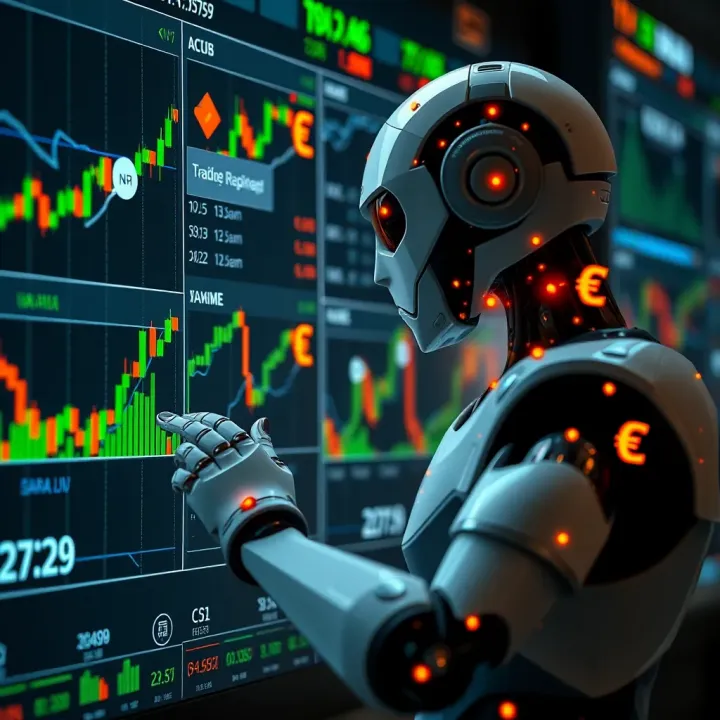
It's worth noting that while trading robots often promise efficiency, they rely heavily on the quality of their programming and the data fed into them.
Among Nigerian users, one big appeal is removing the emotional bias common in manual trading. Sudden market swings, such as those caused by naira fluctuations or CBN policy announcements, can lead to rash decisions. Robots stick firmly to their strategy.
However, the technology is not foolproof. Market volatility and unexpected events like electricity outages or political news can cause automated systems to behave unpredictably.
Key points Nigerian investors should consider:
Strategy reliability: Ensure the trading robot is based on a tested and transparent strategy.
Backtesting results: Review historical performance over diverse market conditions common in Nigeria.
Broker compatibility: Confirm that the chosen robot works well with brokers licensed by Nigerian authorities or international regulators.
Risk management: Use features like stop-loss orders programmed into the robot to limit potential losses.
In summary, trading robots can be tools to complement human judgement, not replacements. Nigerian investors should approach them with clear expectations, understanding both their power and limitations to maximise benefit.
Trading robots, often called automated trading systems, have become an important part of how many Nigerian investors manage trades on stock, forex, and cryptocurrency platforms. These programs operate by following pre-set rules that allow them to analyse market data, make decisions, and execute trades without continuous human input. Getting a clear grasp of how these robots function helps you understand their practical advantages and what you should watch out for when using them.
Algorithmic trading refers to using computer programs to carry out trading decisions based on predefined criteria like price movements, volume changes, or technical indicators. Instead of manually checking charts and placing orders, the robot runs these algorithms continuously, allowing faster responses to market changes. For Nigerian investors dealing with volatile markets or fast-moving currencies like the naira versus the dollar, this speed can make a decisive difference.
While manual trading depends entirely on a person watching the market, analysing data, and pressing the buy or sell button, trading robots remove the human delay in this process. Manual traders might hesitate or let emotions like fear or greed influence decisions. Robots stick strictly to their programmed strategy. This removes emotional bias but also requires cautious strategy planning because the robot won’t improvise when markets behave unexpectedly.
At the heart of every trading robot is a set of algorithms—mathematical rules that determine trade timing and volume. For example, a strategy might trigger a buy order when the moving average of a stock crosses a certain price point. These algorithms can be simple or highly complex, depending on the robot’s design. Nigerian investors ought to understand these basics before trusting fully because even the best algorithm can fail if poorly set up or if the market suddenly changes.
Trading robots rely on real-time market data, such as price ticks, volume, and news feeds, to make decisions. The robot’s sensors are digital feeds that continuously update these values. For instance, a forex trading robot would monitor the current exchange rate of the naira to the US dollar and react accordingly. If the internet or data feed slows down—a common issue in some parts of Nigeria—the robot may miss crucial signals, so connectivity remains a key factor.
Once the robot's algorithm decides a trade needs to happen, execution occurs automatically. This means the robot places orders directly on the trading platform without waiting for you. This nonstop operation allows it to seize short-lived trading opportunities that a human might miss, especially during odd hours or fast-moving sessions. However, it also means you need to monitor the robot regularly to avoid unexpected losses, as it won’t stop trading unless programmed to do so or shut down manually.
Understanding the mechanics of trading robots is essential. They act as your eyes and hands on fast-paced markets, but proper management and realistic expectations are necessary to navigate risks and maximise returns effectively.
Trading robots offer distinct advantages to Nigerian investors, especially in a market marked by fast-moving prices and unpredictable events. Their ability to automate trading decisions helps reduce human error, save time, and improve consistency. For investors juggling other commitments or those new to trading, robots provide a practical way to participate more effectively.
In Nigerian markets, price movements—especially in forex and stocks listed on the Nigerian Exchange (NGX)—can happen in seconds. Trading robots can swiftly analyse incoming data and act immediately, seizing opportunities that manual trading might miss. For example, during volatile sessions when oil prices affect exchange rates, robots execute trades faster than a human could react.
Manual trading involves time-consuming analysis and order placement. This delay can lead to missed chances or losses. Robots eliminate this lag by continuously scanning markets and executing trades instantly when conditions meet coded criteria. So, traders using robots can remain competitive even when market news hits suddenly.
Human traders often let emotions cloud judgement—panic selling in a dip or greed-driven overbuying are common pitfalls. Robots stick strictly to their programmed strategies without deviation, preventing such emotional errors. This quality proves valuable during periods of market stress, such as price swings around the ember months.
Maintaining discipline is tough when markets fluctuate sharply, as seen during political events or policy announcements by the Central Bank of Nigeria (CBN). Robots maintain consistent decision-making, following rules regardless of external sentiment. This steadiness can protect traders from unnecessary risks and impulsive moves.
Traditional trading often requires deep knowledge and significant time investment. Trading robots level the playing field by making automated tools accessible through platforms like MTN’s mobile money apps or fintech services such as Paystack and OPay. This lowers the learning curve and helps newcomers join markets with smaller capital.
Hiring professional brokers or dedicating full-time efforts to trading can be expensive. Robots work around the clock without fatigue or need for salary, reducing ongoing costs. Over time, investors may find automation more affordable and practical, enabling better management of trading expenses.
For Nigerian investors, trading robots offer a way to compete in fast markets without emotional bias or excessive costs, making them a compelling option in today’s financial scene.
In summary, the speed, consistency, and accessibility benefits of trading robots make them a valuable tool for investors looking to navigate Nigeria's dynamic financial markets with more confidence and efficiency.
Automated trading systems offer efficiency, but Nigerian investors must be aware of their pitfalls to avoid costly errors. Risks like technical failures, scams, and regulatory gaps can undermine gains if not properly managed. This section highlights key challenges so investors can trade with caution and smart safeguards.
Reliable internet and power are the backbone of automated trading. In Nigeria, unstable electricity and inconsistent broadband affect robot performance severely. For instance, if a trader’s power goes off while a robot is executing trades, disconnecting mid-order could lead to missed opportunities or partial fills, increasing losses. Investors must consider backup power solutions, like generators or inverters, and stable internet from multiple providers to reduce downtime.
Trading robots follow programmed rules, but markets sometimes behave unpredictably. Sudden sharp price swings, known as flash crashes, can trigger a flood of automated sell orders, amplifying losses quickly. Nigerian investors might see this during volatile periods, like oil price shocks or political announcements. Robots may not react appropriately to such extreme events, highlighting the need for manual monitoring alongside automation to cut losses when markets become irrational.
The allure of automated gains attracts scams promising guaranteed profits through trading robots. Genuine platforms usually have transparent performance records and clear regulation by Nigerian authorities. Investors should vet the robot provider’s background, check for reviews, and validate if the platform is registered with SEC Nigeria or recognised by fintech associations. Avoiding unknown or unregulated apps is vital to protect capital.
Beware of offers boasting unrealistically high returns with no risk. Promises of overnight wealth, pressure to invest quickly, or demands for large upfront fees are warning signs. Legitimate trading robots openly discuss risks and have trial or demo periods for users to test. Nigerian traders should also watch out for poor customer support or lack of contact information, which often indicate fraudulent schemes.
The Central Bank of Nigeria (CBN) and Securities and Exchange Commission (SEC) have issued guidelines covering electronic and automated trading activities. These rules aim to protect investors, enhance market transparency, and prevent misuse of technology for fraud. Investors must familiarise themselves with these regulations to ensure their trading robots comply and avoid penalties or frozen accounts.
Not all robot providers operate within Nigeria’s legal framework. Using software that bypasses required licenses or violates trading rules can lead to account suspension or legal troubles. Nigerian investors should choose robots offered by licensed brokers and fintech firms adhering to SEC and CBN policies. Compliance ensures your trading is secure and aligned with Nigerian market standards.
Automated trading holds promise but demands careful attention to tech risks, trustworthy platforms, and regulations. Nigerian investors securing their setups, verifying providers, and staying updated on rules will trade safer and smarter.
Using trading robots wisely demands careful selection and disciplined use, especially in Nigeria's dynamic market environment. Picking the right robot and managing it well can prevent serious losses and improve trading outcomes. This section guides Nigerian investors on evaluating performance and practical tips for responsible use.
Backtesting involves running a trading robot's algorithm through past market data to see how it would have performed historically. This helps traders understand if the strategy is sound under different market conditions. For example, a forex trading bot tested against five years of USD/NGN exchange rate data reveals its ability to handle volatile periods like sudden naira depreciation. However, past performance does not guarantee future success, but backtesting reduces guesswork.
Realistic expectations are essential. No robot delivers constant high returns without risk. Nigerian investors should avoid offers promising daily returns above 5% or guaranteed profits. Automated systems perform best when combined with risk controls, not viewed as “magic” money-making tools. Setting achievable goals helps avoid panic selling or overconfidence during market swings.
Start with demo accounts to test a trading robot without risking real money. Many platforms like MetaTrader offer simulated environments replicating live market conditions. This step is crucial in Nigeria where internet fluctuations can disrupt automation. Demo trading allows you to familiarise yourself with robot settings, observe trade behaviour, and make adjustments without financial pressure.
Risk management is non-negotiable. Allocate only a small portion of your capital to automated trading—say 10% of funds—so losses do not wipe out your portfolio. Use stop-loss limits and monitor leverage cautiously; excessive borrowing magnifies both profits and losses. This is especially important given Nigeria’s sometimes erratic market liquidity and currency swings.
Combining manual oversight with automation strikes a balance between efficiency and control. Even the best robots need occasional supervision to adjust parameters during unusual market events or technical glitches. Nigerian traders should review trades daily and stay updated on economic news that might affect the market. This prevents blind reliance on software and ensures informed decisions.
Responsible use of trading robots means understanding their limits, testing thoroughly, and managing risks wisely. This approach helps Nigerian investors optimise benefits while reducing exposure to pitfalls.
By following these guidelines, Nigerian investors can harness trading robots effectively without falling into common traps. Clear evaluation, cautious capital use, and active oversight remain key to success in automated trading.
Trading robots are quickly becoming part of the fabric in Nigeria’s financial markets. Their future importance lies in how they can transform trading efficiency while broadening market participation. For Nigerian investors, understanding this growth is key to staying competitive.
Fintech platforms integrating automated trading tools have started changing how retail and institutional investors approach the market. Platforms like Kuda, Paystack, and Flutterwave are exploring ways to embed algorithmic trading services, making it easier for everyday Nigerians to access sophisticated tools once reserved for professionals. For example, some fintech apps now offer robo-advisory services that guide portfolio decisions automatically based on users’ risk appetite and market data.
This integration means investors no longer need to juggle complex software or manual calculations. Instead, they can focus on setting goals while the automation handles trade execution. Institutional investors are also investing in these technologies, recognising the need to remain agile in Nigeria's sometimes volatile market.
Increased educational resources and support have also expanded in tandem with technology adoption. Training programmes, webinars, and workshops by fintech companies and trading platforms educate Nigerian investors on how to responsibly use trading robots. These educational efforts include understanding backtesting, setting stop-loss limits, and recognising signs of faulty algorithms.
Such resources demystify automated trading, reducing the knowledge gap that often intimidates retail traders. For instance, websites offering free tutorials on algorithm design and risk management attract a growing Nigerian audience seeking financial independence through smarter trading.
Faster price discovery is another benefit that trading robots bring. Automated systems analyse vast amounts of data instantly, reacting to news and market shifts quicker than human traders. In Nigeria, where information delays can impact stock prices, this speed helps bring asset prices closer to their true value more rapidly.
Consider the Nigerian Stock Exchange (NGX). As automated trading grows here, price changes for stocks like Dangote Cement or MTN Nigeria become more responsive to economic updates or policy shifts. This leads to better price transparency and fairer market conditions.
Greater market participation follows naturally. Automated trading lowers barriers for smaller investors by reducing the need for constant market monitoring. Nigerians from diverse economic backgrounds can engage in trading without requiring years of market experience.
This inclusiveness broadens the investor base beyond Lagos or Abuja to beyond, encouraging savings and investment culture across Nigeria. It also supports the growth of secondary markets, increasing liquidity and making it easier to enter or exit positions. The result is a healthier, more dynamic financial market that benefits all players.
As trading robots become more accessible and understood, Nigerian markets stand to gain from improved efficiency, transparency, and inclusivity—important pillars for sustained economic growth.
🚀 Explore coin trading in Nigeria with tips on how to start safely, spot risks, use local platforms, and navigate regulations for better ₦ investments.
📱 Discover how copy trading apps work and the risks involved. Learn tips to invest safely and which apps suit Nigerian investors best in today’s market.
📈 Learn how surge trading helps Nigerian traders catch sharp market moves for quick ₦ gains. Discover strategies, tools, risks & local market tips to trade smart.
📊 Discover how Bitcoin prices change, what affects ₦crypto markets in Nigeria, top methods to predict BTC value, and tips on making smart investment decisions.
Based on 14 reviews