
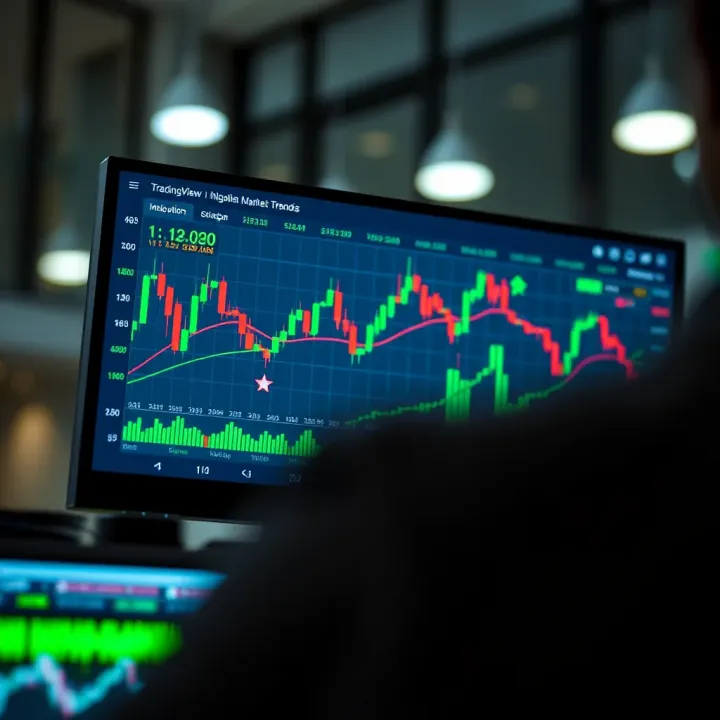
TradingView Guide for Nigerian Traders
Explore TradingView’s features, charts 📊, and broker integrations for Nigerian traders. Boost your strategies with tools & local market insights!
Edited By
Charlotte Bennett
Surge trading refers to the practice of capturing swift and sharp price movements in financial markets to earn quick profits. Unlike long-term investing, surge trading relies on spotting sudden price spikes or drops, then reacting fast to enter and exit trades. This method suits traders who prefer active involvement and short holding periods.
In Nigeria, surge trading is gaining attention due to increased access to online trading platforms offering equities, forex, and cryptocurrencies. However, the volatility of local markets, naira exchange fluctuations, and regulatory frameworks must be factored in.
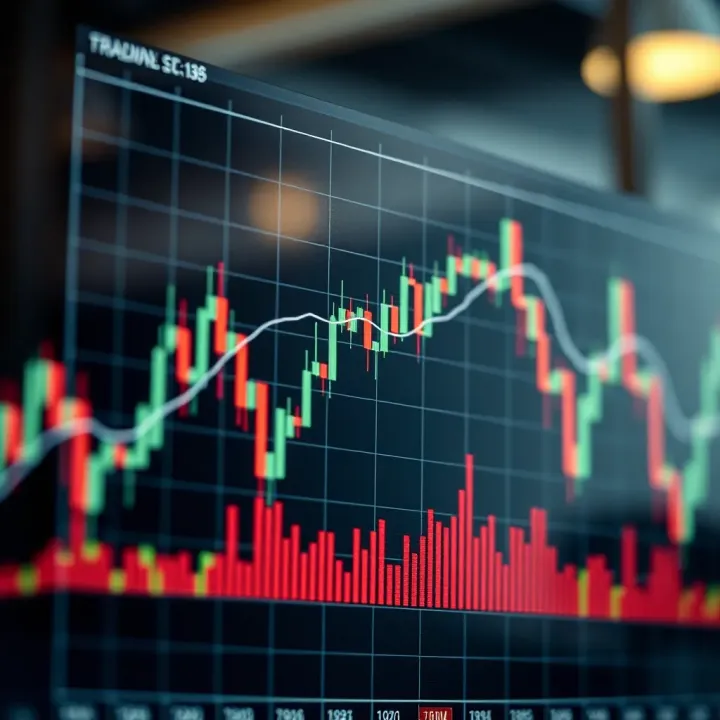
Successful surge trading depends on timely decision-making and understanding market signals rather than holding assets for extended periods.
Time-sensitive: Trades usually last minutes or hours, rarely days.
High volatility environment: Surge opportunities arise during sudden market news or economic changes.
Technical analysis-driven: Traders use charts, volume signals, and patterns to anticipate surges.
Risky due to unpredictable swings: Price reversals can happen quickly.
Equities: Imagine a listing on the Nigerian Exchange (NGX) triggers a sudden price rally in a blue-chip stock after positive corporate earnings. A surge trader would buy early and sell before the rally fades.
Forex: When the Central Bank of Nigeria (CBN) announces new forex policy affecting naira liquidity, the currency pair USD/NGN may spike. A surge trader capitalises on short-lived spikes by opening positions quickly.
Cryptocurrency: Sudden news about regulatory changes can cause rapid price swings in Bitcoin or Ethereum on Nigerian platforms like BuyCoins or Quidax.
Nigerian markets often respond rapidly to policy changes or global oil price shifts.
Many traders face power and internet issues; surge trading's short timeframe reduces exposure to such disruptions.
It offers ways to generate quick ₦ gains amid high inflation and naira volatility.
Understanding surge trading lays the foundation for adopting smart strategies and managing risks in Nigeria’s unique market environment. The sections ahead will explore spotting opportunities, effective tools, and safeguards suited for local traders.
Surge trading revolves around spotting and capitalising on sudden, sharp price movements in the market. For Nigerian traders, this approach offers a chance to make quick profits by recognising moments when asset prices jump unexpectedly, often triggered by news or market shifts. Understanding what surge trading entails is essential to navigate volatile markets like the Nigerian Exchange (NGX) or forex markets effectively.
Understanding sudden price surges Prices in financial markets sometimes move sharply upwards or downwards within a short time frame. These sudden price surges often occur due to unexpected news, economic data releases, or large trades that disrupt the market balance. For example, a company listed on the NGX might experience a sudden price spike following a favourable earnings report or regulatory approval. Recognising these moves early can help traders jump in to profit from the momentum.
Surge trading relies heavily on reacting promptly to these rapid changes, aiming to enter and exit trades quickly before prices stabilise. This agility is crucial; missing the surge often means missing the profit opportunity altogether.
Difference between surge trading and other trading styles Unlike long-term investing or position trading, surge trading focuses on short-lived price bursts rather than fundamental trends. While investors might hold shares for months or years, surge traders act within minutes or hours, looking to exploit volatility instead of steady growth.
Unlike scalpers, who make many trades on tiny price differences, surge traders target bigger moves that unfold quickly but last long enough to capture meaningful gains. The style also differs from swing trading, which holds trades for days to weeks; surge trading demands fast decisions and close market monitoring for immediate opportunities.
Stock market spikes
Sharp jumps in stock prices create clear opportunities for surge traders. These spikes may occur because of unexpected corporate news, like a takeover bid or product launch. For instance, when a telecommunications company on the NGX announces a strategic partnership, its shares might suddenly jump, attracting surge traders eager to benefit from the initial frenzy.
In the Nigerian context, such spikes can be more pronounced due to lower market liquidity and heightened reaction to news, providing fertile ground for active surge trading.
Nigerian Exchange (NGX) volatility
The NGX often experiences bouts of volatility linked to political events, monetary policy changes by the Central Bank of Nigeria (CBN), or shifts in global oil prices. This volatility fuels surges in certain counters, especially highly traded banking or oil sector stocks.
For example, during an ember months market sell-off, some shares might suddenly rebound due to speculative buying, triggering surge trading opportunities. Nigerian traders benefit by monitoring such patterns closely rather than waiting for long-term trends.
Forex and cryptocurrency surges The Nigerian forex market, driven by naira exchange rate fluctuations, often reacts sharply to CBN policy adjustments or foreign remittances flows. Forex pairs like USD/NGN can surge during periods of forex scarcity or regulatory announcements.
Similarly, cryptocurrencies like Bitcoin and Ethereum, which are popular among Nigerian investors, can experience sudden price surges due to global news or shifts in market sentiment. Platforms like Binance and Luno used widely in Nigeria reflect this volatility, making surge trading an attractive strategy for those watching price charts closely.

Surge trading suits Nigerian traders who act fast on market news and price shifts, working with volatile markets instead of waiting for slow trends.
By understanding these dynamics across stock, forex, and crypto markets, Nigerian traders can better position themselves to seize surge opportunities and manage risks effectively.
Surge trading depends heavily on spotting the right opportunities quickly before prices zoom past expected levels. Identifying these moments improves the odds of capitalising on sudden market moves, especially within Nigeria’s often volatile exchanges. Knowing when and where to act can turn a sharp price move into a profitable trade.
Volume spikes and price action serve as immediate red flags for surge traders. When a stock or currency suddenly registers unusual trading volume—many times its average daily turnover—it usually signals increased interest or emerging news. For instance, if a stock on the Nigerian Exchange (NGX) unexpectedly trades 3x its normal volume alongside a sharp price rise, it may indicate an upcoming surge driven by new developments. Tracking these volume patterns helps traders pinpoint when fresh money enters the market, raising chances to ride the wave.
Price action complements volume insights by revealing bullish momentum or reversal patterns. A clear example is a rapid upward price move creating a strong candlestick with volume backing it. This combo shows genuine buying pressure and can hint that the surge will extend. However, without volume confirmaton, price moves can be misleading — sometimes caused by thin liquidity, especially in smaller Nigerian stocks.
Using technical indicators like RSI and MACD sharpens decision-making by quantifying market momentum. The Relative Strength Index (RSI) measures recent price gains versus losses, flagging when an asset is overbought (typically above 70) or oversold (below 30). An RSI shooting above 70 on a Nigerian stock amid volume increase may suggest it’s in surge territory, though a cautious trader waits for confirmation to avoid chasing a bubble.
The Moving Average Convergence Divergence (MACD) tracks momentum shifts by comparing moving averages of price. A bullish MACD crossover, when the shorter-term average crosses above the longer one, signals a surge starting or continuing. For example, a forex pair like USD/NGN showing a MACD crossover with rising volume could prompt surge trading entry. Using these indicators along real-time chart data, Nigerian traders can better time entries and exits.
Earnings reports and corporate actions often trigger sudden price surges. Positive quarterly results from Nigerian firms like MTN Nigeria or Dangote Cement can lead to immediate buying interest, lifting share prices sharply. Corporate actions such as stock splits, dividend announcements, or mergers also inject volatility, creating surge trading chances. Traders who monitor these scheduled releases stay ahead before the broader market reacts fully.
Political and economic developments in Nigeria play a large role in market surges. Changes in government policies, fuel subsidy adjustments, election outcomes, or Central Bank of Nigeria (CBN) interest rate decisions shape investor sentiment quickly. For example, if the government announces a new policy to boost agritech investments, related stock prices can spike rapidly. Awareness of these events enables traders to anticipate surges driven by shifts in Nigeria’s economic landscape.
Global influences affecting Nigerian markets add another layer to surge timing. Crude oil price swings impact Nigeria’s economy and forex rates, while US Federal Reserve rate changes or geopolitical tensions ripple through emerging market assets like NGX-listed stocks. For instance, a sudden rise in oil prices typically uplifts Nigerian energy companies, creating surge trading opportunities. Keeping tabs on global news alongside local factors paints a fuller picture for surge traders in Nigeria.
Acting quickly on volume, technical signals, and news lets sharp Nigerian traders turn unexpected moves into tangible profits. Staying informed, alert, and ready is vital in surging markets.
This approach to recognising surge opportunities tailors conventional trading tools to the specific rhythms of Nigerian markets, bridging practical analysis with local realities like lower liquidity and policy volatility.
Successful surge trading relies heavily on well-planned strategies that allow traders to swiftly capitalise on sharp price movements. In the Nigerian market, where volatility can be severe due to economic and political factors, having clear, actionable strategies reduces the risk of losses and improves the chance of making quick, profitable trades. These strategies mainly focus on momentum-based approaches and practical risk management techniques, both vital for navigating price surges.
Capturing quick price moves hinges on recognising when a stock or currency is rapidly gaining or losing momentum. Surge traders look for strong upward or downward price swings within short time frames, often triggered by news, earnings reports, or market sentiment shifts. For example, a sudden announcement affecting a blue-chip Nigerian company listed on the NGX could trigger a spike, presenting traders a chance to buy in before a rally or sell before a plunge.
Traders need to act fast to leverage these swift movements, which might last minutes or hours but rarely extend for days. Tools like real-time price feeds and alerts help traders monitor these moves closely. Missing the initial momentum can mean missing the bulk of possible gains.
Setting entry and exit points is crucial to avoid emotional decisions during volatile swings. Entry points should be identified using technical indicators like moving averages or breakouts above resistance levels. For instance, if Access Bank’s share price breaks above its recent high on strong volume, that might signal a timely entry point.
Exit points, on the other hand, require clear targets or trailing stops to lock in profits before the surge reverses. Deciding these in advance ensures decisions aren't clouded by greed or fear, which often lead to holding on too long and losing gains. A Nigerian trader, for example, might target a 5-10% gain within the day depending on the asset’s volatility.
Stop-loss orders act as a safety net by automatically closing trades when prices move against the trader beyond a set level. This tool is essential in Nigerian markets, where price volatility can sometimes be unpredictable, especially in less liquid stocks or forex pairs. For example, if a trader buys a commodity stock at ₦100 per share, they might set a stop-loss at ₦95 to limit potential losses.
Stop-loss orders protect capital from large, unexpected drops and ensure that losses remain manageable. However, setting these requires balance; too tight, and normal price fluctuations might trigger exits prematurely, too loose, and losses could balloon.
Position sizing and capital allocation mean deciding how much money to commit to each trade. Surge trading should only use a portion of the trader's total capital, typically not more than 5-10% per trade, to avoid overexposure. A trader with ₦1 million may allocate ₦50,000 to a single surge opportunity to limit overall risk.
Proper allocation allows traders to survive a string of losing trades without wiping out their accounts. It also makes capital available for multiple trades, increasing chances of catching profitable surges elsewhere. Combining position size with stop-loss levels helps manage risk systematically and avoids reckless trading behaviours.
Surge trading isn’t about guessing and hoping; it depends on quick decisions backed by solid strategies and disciplined risk control to turn market volatility into profits.
These strategies help Nigerian traders manage the unpredictable moving parts in surge trading, where timing and risk awareness are everything. Employing momentum tactics alongside risk management is the best way to trade smart in fast-moving markets.
Surge trading demands a sharp eye for quick moves, but it also carries significant challenges that can trip up even seasoned Nigerian traders. Understanding these risks can help safeguard your capital and improve decision-making when markets become unpredictable.
Sudden reversals and price gaps present a core challenge in surge trading. Price movements can suddenly flip direction, catching traders off guard. For instance, a stock listed on the Nigerian Exchange (NGX) might spike significantly after a positive earnings report but could reverse sharply if an unexpected political development occurs. These rapid shifts can lead to losses if stop-loss orders aren’t set properly or if traders fail to act swiftly.
Price gaps—where the stock jumps or drops from one level to another without trading at intervening prices—occur mainly during after-hours announcements or as a result of thin trading volumes. This impacts surge traders relying on intra-day price continuity, as it disrupts technical setups and makes precise entry or exit points difficult to gauge.
Impact of low liquidity in Nigerian stocks is another major risk. Many Nigerian stocks, especially those from smaller companies or less popular sectors, struggle with daily trading volumes. This low liquidity causes price swings to be more exaggerated than in markets with deeper pools of buyers and sellers. For example, a relatively small trade on a low-volume NGX stock can cause a massive price surge or drop, which may not reflect the company’s fundamentals but simply temporary market imbalance. Traders should therefore vet liquidity carefully before committing funds, or risk being trapped in positions difficult to unload without significant losses.
Emotional discipline is vital in surge trading, where price swings can be breathtaking. Nigerian traders, especially those starting out or trading with personal savings, sometimes let euphoria or panic cloud their judgement. For example, after a successful surge trade yielding quick profits, some may recklessly increase their position size on the next trade, ignoring the risk of a sudden reversal. Maintaining a level head, sticking to pre-set risk limits, and avoiding impulsive decisions help traders stay on track.
Handling losses and gains effectively separates smart surge traders from the rest. Losses are inevitable in sharp price movements, and Nigerian traders often find it difficult to accept small losses for fear of missing a rebound. This leads to holding losing positions too long, hoping the market will turn. Similarly, greed can prompt traders to hold on to profitable trades for too long, only to watch gains evaporate in a blink. Learning when to accept a loss or cash out gains systematically—via stop-loss and take-profit orders—is a practical skill that protects your capital during volatile Nigerian market conditions.
Surge trading in Nigeria is no place for weak nerves or careless risk-taking. Knowing the challenges, from volatile price swings to emotional pitfalls, arms you to trade smarter and protect your ₦ investment more effectively.
Surge trading demands quick decisions and reliable resources, especially in the Nigerian market where volatility and regulatory nuances stand out. Practical tips help traders avoid pitfalls and maximise quick gains during sharp price moves. Nigerian surge traders must leverage the right tools, understand local rules, and stay connected to Nigeria-specific news and economic trends to excel.
Local brokers and online trading platforms play a vital role for Nigerian traders wanting to engage in surge trading. Brokers such as Stanbic IBTC, Meristem, and Cardinalstone offer web and mobile platforms tailored for local equities and forex. These platforms provide access to NGX-listed shares and Forex pairs popular in Nigeria. Using local brokers often means better customer support aligned with Nigerian market hours and currencies. They also bridge access to US dollar and naira trading pairs, crucial for traders looking at forex while managing currency risk.
Charting software and real-time price feeds are indispensable for surge traders who depend on prompt information. Platforms like TradingView, which Nigerians frequently use, support advanced charting with indicators such as RSI and MACD, helping spot momentum shifts. Real-time data feeds reduce lag that might cause missed opportunities during sudden surges. For example, a trader using a platform with delayed price updates could lose a favourable entry point on GTBank’s shares during a volatility spike. Ensuring your charting software is reliable and integrates with your broker’s platform helps maintain swift trade execution.
The Securities and Exchange Commission (SEC) Nigeria regulates trading activities to protect investors and maintain market integrity. Surge traders must comply with SEC rules regarding disclosures, insider trading, and authorised trading practices. For instance, SEC periodically issues warnings or suspensions that affect specific securities on the Nigerian Exchange. Being aware of these notices allows surge traders to avoid risky instruments or sudden halts, preventing unnecessary losses.
Tax implications on trading gains are an often overlooked but critical aspect. Profits from trading are subject to capital gains tax under FIRS regulations. Nigerian traders must keep accurate records of their transactions to report gains properly. For surge traders making multiple quick trades, this can quickly complicate tax calculations. Using bookkeeping software or consulting with a tax adviser familiar with Nigerian tax law will help ensure compliance and prevent penalties.
Daily access to trusted Nigerian financial news sources is essential. Outlets like BusinessDay, The Punch, and Nairametrics provide timely reports on corporate earnings, government policies, and other events that trigger price surges. For example, a surge trader informed early about CBN’s monetary policy decision can anticipate market reactions and adjust strategies accordingly.
Monitoring Nigerian macroeconomic indicators such as inflation rates, exchange rate fluctuations, and FG budget announcements provides deeper insights beyond headline news. These factors influence market sentiment and asset prices. Surges often correlate with sharp movements in crude oil prices or unexpected changes in exchange control. Keeping a close eye on data releases from the National Bureau of Statistics (NBS) or Central Bank of Nigeria (CBN) enables traders to anticipate these macro shifts and position their trades wisely.
Practical success in surge trading often hinges on blending local market understanding with timely use of tools and information. Nigerian surge traders who leverage the right platforms, follow regulations carefully, and stay connected to market news have a clear edge in this fast-paced space.
Explore TradingView’s features, charts 📊, and broker integrations for Nigerian traders. Boost your strategies with tools & local market insights!

🚀 Explore coin trading in Nigeria with tips on how to start safely, spot risks, use local platforms, and navigate regulations for better ₦ investments.
📈 Explore VIX 75 with our guide tailored for Nigerian traders. Learn how it works, trading tips, risk control, and price drivers to boost your portfolio.
📊 Learn how binary trade works in Nigeria! Discover key features, smart strategies, and platform tips to trade asset prices confidently and manage risks effectively.
Based on 7 reviews