
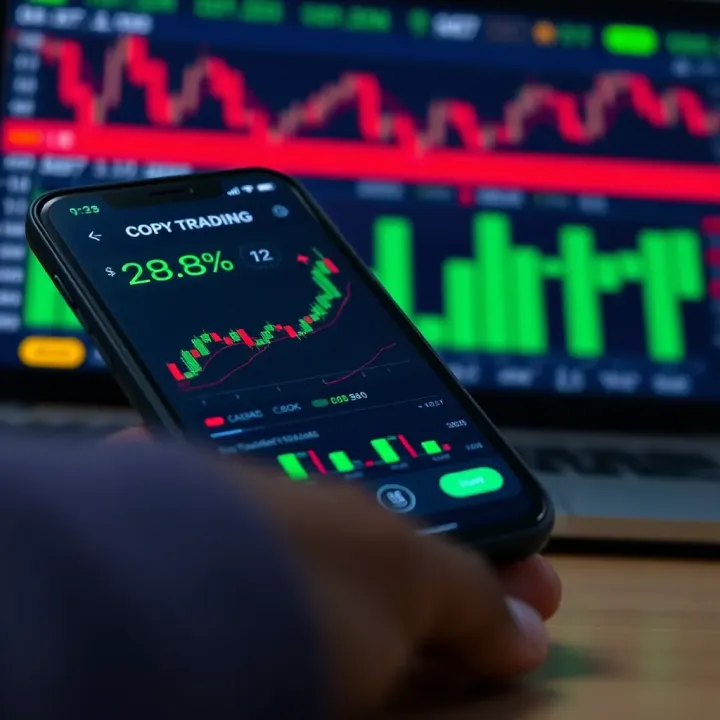
Copy Trading Apps: What Nigerian Investors Should Know
📱 Discover how copy trading apps work and the risks involved. Learn tips to invest safely and which apps suit Nigerian investors best in today’s market.
Edited By
Thomas Langley
Coin trading in Nigeria has become a serious focus for many investors eager to grow their ₦ wealth beyond traditional avenues. Unlike regular stock trading, coin trading involves buying and selling cryptocurrencies like Bitcoin, Ethereum, and lesser-known altcoins using digital platforms. This market offers high rewards but comes hand in hand with notable risks, especially in a country where local regulations and infrastructure are still catching up.
Understanding the basics before stepping in can save you from unnecessary losses. Firstly, coin trading is about speculating on the price movements of digital currencies. Like forex or stock trading, you can profit by buying low and selling high, or by short-selling in some cases. However, cryptocurrencies are more volatile, so rapid price swings are common.
To get started safely, Nigerian traders should focus on established, local-friendly exchanges such as BuyCoins, Quidax, or Binance Nigeria. These platforms support Naira deposits and withdrawals, simplifying the process and reducing your exposure to currency conversion loss.
Always verify the platform's security measures—look for features like two-factor authentication and cold storage for coins—to protect your investment from hacks.
Risk management is crucial. Unlike fixed-income investments, coin trading can swing wildly within hours, influenced by global events, government policies, or local economic changes like naira devaluation. Avoid putting in funds you cannot afford to lose.
Practical strategies for Nigerian investors include:
Diversifying your crypto portfolio instead of holding a single coin
Monitoring local news, especially CBN announcements, which often impact market sentiment
Using stop-loss orders to limit downside when prices drop unexpectedly
Getting registered on platforms usually requires submitting your Bank Verification Number (BVN) and a valid ID, helping reduce fraud risks but also meaning you should protect your personal data closely.
By approaching coin trading with a clear plan, using trusted local exchanges, and understanding market dynamics, Nigerian investors can explore this asset class with greater confidence and control of their risk.
Coin trading has become a significant activity for Nigerian investors looking to diversify their portfolios beyond traditional assets like stocks or real estate. Grasping what coin trading involves and why it attracts many in Nigeria gives you a practical edge. It helps you identify suitable investment options, understand risks, and leverage opportunities unique to the local context.
Coin trading essentially means buying and selling digital currencies that operate independently of traditional banks. These coins live on blockchain technology, offering decentralised ownership and transfer without middlemen. Traders profit from price fluctuations by buying low and selling high, or by holding coins expecting long-term value appreciation.
It's vital to note the difference between coins and tokens in this space. Coins, like Bitcoin and Ethereum, run on their own blockchains and primarily act as digital money. Tokens, however, rely on existing blockchains, often representing assets or utilities within a specific project. For example, Binance Coin (BNB) is a coin with its own blockchain, while Uniswap’s UNI is a token built on Ethereum.
Among common coins traded in Nigeria are Bitcoin (BTC), Ethereum (ETH), and USDT (Tether). Bitcoin remains popular due to its first-mover status and recognisability. Ethereum attracts users because of its smart contract functionality, crucial for decentralised finance (DeFi). USDT, a stablecoin backed by the US dollar, appeals for its price stability, often used to hedge against volatility.
Economic realities shape the interest in coin trading across Nigeria. The persistent naira inflation, growing unemployment, and limited investment choices encourage many to explore alternatives. Coin trading offers the potential for higher returns, albeit with higher risk, compared to conventional options like fixed deposits or government bonds.
Mobile apps have also played a major role in making coin trading accessible to many Nigerians. Platforms like Binance Nigeria and BuyCoins allow account setup and trading from smartphones within minutes. This ease lowers barriers, especially for younger investors in cities and towns where access to banks may be limited or slow.
Moreover, coin trading serves as a practical way to hedge against naira depreciation. With continuous exchange rate pressures and foreign exchange scarcity, holding cryptocurrencies, especially stablecoins pegged to foreign currencies, can protect the value of one’s assets. This makes trading not just a speculative activity but also a financial safeguard when the naira weakens.
Understanding these factors lets you approach coin trading with realistic expectations and better strategies tailored for Nigerian market conditions.
By recognising the types of coins, why people trade them, and how economic factors influence demand, Nigerian investors can make more informed decisions rather than chasing hype blindly.
Getting started with coin trading in Nigeria requires you to understand the right steps and tools to use. It is about choosing a trustworthy platform, securing your digital assets through wallets, verifying your identity properly, and funding your account efficiently. These steps help protect your investment from fraud and volatility that the market often presents.
Local exchanges like Binance Nigeria, BuyCoins play a big role in making coin trading accessible. Binance Nigeria, for instance, has tailored features catering to the Nigerian market such as allowing trades in naira and supporting local payment methods. BuyCoins also provides a user-friendly space specifically designed for Nigerians to buy and sell popular cryptocurrencies like Bitcoin and Ethereum. Using these platforms reduces complications with currency conversion and often lowers transaction times and fees.
Traders in Nigeria also use international platforms accessible from Nigeria, such as Coinbase or Binance Global. These platforms offer a wider range of cryptocurrencies and advanced trading tools. However, it’s vital to recognise that international platforms may not support direct naira transactions, making fund transfers a bit complex and occasionally expensive due to forex charges. Despite this hurdle, some Nigerian investors prefer these for their robust security systems and wider market options.
When picking any platform, look out for important security features. Features like two-factor authentication (2FA), cold storage options for funds, regular security audits, and clear privacy policies are essential. For instance, Binance has a Secure Asset Fund for Users (SAFU) to cover emergencies. Choosing platforms without proper security safeguards exposes your investment to scams and theft.
Understanding types of wallets is key. Hot wallets are connected to the internet and support quick trading but expose users to hacking risks. Cold wallets, like hardware devices, keep assets offline for safer long-term storage. Nigerian traders often keep tradable coins on hot wallets while storing bulk funds on cold wallets to reduce risk.
KYC (Know Your Customer) requirements in Nigeria are standard across credible platforms. You’ll be asked to provide government-issued IDs like your National Identification Number (NIN), proof of address, and sometimes a selfie for verification. This process, though time-consuming, is crucial for legal compliance and prevents fraud.
Account setup usually follows a clear path: register with an email or phone number, complete the KYC steps, then link your preferred payment method. For example, on BuyCoins, once KYC is approved, you can start funding your wallet immediately.
The straightforward way to buy crypto is using naira to buy crypto directly through local platforms. This prevents losses linked to currency conversion and keeps transactions speedy.
Common payment methods include bank transfer, USSD codes, and card payments. USSD payments are popular in rural areas lacking internet, allowing funds transfer via simple phone commands. Bank transfers provide a secure way to fund accounts, especially for sizeable amounts, while card payments offer convenience for quick purchases.
To avoid unnecessary losses, watch out for high fees and scams. Some platforms charge hefty fees for naira deposits; always compare rates before committing. Also, avoid offers that sound too good to be true, such as guaranteed high returns or unsolicited investment tips from strangers. Stick to verified exchanges and enable security features like withdrawal whitelist to secure your funds.
Starting coin trading with a reliable platform, secure wallet, proper verification, and smart funding methods will save you stress and money as you explore Nigeria’s growing crypto space.
Understanding the risks involved in coin trading is vital for Nigerian investors to protect their capital and trade wisely. Coin markets are notorious for their unpredictability, security challenges, and regulatory uncertainties. Managing these risks carefully not only helps in avoiding losses but also builds confidence for long-term trading success.
The price of cryptocurrencies can swing wildly within short timeframes, much more than traditional assets like stocks or commodities. This volatility arises from factors such as market speculation, sudden demand changes, and news events affecting coins globally and locally. For Nigerian traders, this means your investment can increase rapidly but also drop severely without warning.
Consider the naira’s frequent fluctuations and how they compound coin price volatility. For example, Bitcoin's price on Nigerian exchanges has seen swings of over 10% within days, influenced by naira exchange rates and local demand surges during ember months when spending peaks.
To manage this risk, traders often use stop-loss orders—setting automatic sell points to limit losses. Diversifying your portfolio reduces the impact of any single coin’s price crashes. Also, avoid investing money you might urgently need, since coin markets can stay volatile for extended periods.
Scams and fraud remain a major threat to coin traders in Nigeria. Common schemes include fake investment platforms promising unusually high returns, phishing attacks via fake wallet apps, and Ponzi schemes targeting inexperienced investors. Such scams drain millions of naira each year.
Protect your wallets and accounts by using strong, unique passwords and enabling two-factor authentication (2FA). Prefer hardware or cold wallets for storing significant holdings rather than keeping everything on exchanges, which are more vulnerable to hacks.
To spot fraudulent offers, beware of unsolicited messages urging fast action or guaranteeing easy profits. Legitimate platforms are transparent about fees and have verifiable track records. If the deal sounds too good to be true, it probably is.
The Central Bank of Nigeria (CBN) has maintained a cautious stance on cryptocurrencies, issuing warnings and banning banks from facilitating crypto transactions since February 2021. This policy affects liquidity and access, pushing much trading into peer-to-peer markets.
Traders must understand how these regulations impact ease of trading, deposit methods, and withdrawal options. Some platform operators have adapted by integrating wallet services and safer peer-to-peer trading channels to remain operational.
Staying compliant means avoiding unregistered exchanges and following any updated CBN or Securities and Exchange Commission (SEC) guidelines. While trading crypto itself is not illegal, facilitating transactions through banned channels can lead to account freezes or legal complications. Staying informed via official announcements and Nigerian crypto communities helps investors navigate this shifting landscape.
Managing risks in coin trading is non-negotiable for Nigerian investors. Get familiar with volatility patterns, protect yourself against fraud, and keep up with regulations to trade confidently in this dynamic market.
Coin trading in Nigeria demands a clear strategy. Without a well-thought approach, many investors find themselves caught in the volatility haze, losing money instead of growing it. Strategic trading helps minimise risks and leverages opportunities where market conditions are favourable. Whether you are aiming for quick gains or steady growth, knowing the right strategies improves your chances of success.
Day trading involves buying and selling digital coins within the same trading day to capture small price movements. Scalping takes this further by making many trades quickly to profit from tiny price changes. These techniques require constant attention to market trends and fast decision-making. For instance, a trader might buy Bitcoin at ₦20 million during market dips and sell it within hours when the price climbs to ₦20.3 million, securing a quick profit.
Traders rely heavily on charts and indicators like Moving Averages, Relative Strength Index (RSI), and Bollinger Bands to predict market direction. These tools help spot entry and exit points by examining past price patterns and volume. For example, when RSI indicates an overbought condition in Ethereum, a day trader might prepare to sell before a possible price drop. Using such tools alongside live news about Nigerian market events can make short-term trading more calculated.
Short-term trading suits traders who have the time and skill to monitor markets frequently. However, Nigerian market conditions pose challenges like intermittent internet access and fluctuating naira value against global currencies. This can affect timely trades, especially during high volatility. Traders often combine phone data bundles with backup connections to stay online. Plus, volatility from naira depreciation means quick profits are possible, but losses can be steep if the market moves against positions unexpectedly.
HODLing—the strategy of holding coins long-term—helps investors ride out short-term market swings. Given Nigeria’s economic ups and downs, many investors prefer holding established coins like Bitcoin and Ethereum for years, expecting overall value growth. For example, a Nigerian investor who bought Bitcoin in early 2020 at about ₦1.2 million per coin enjoyed multiple folds increase by 2024. Holding avoids the stress of daily market monitoring and possible losses from impulsive selling.
Diversification spreads risk across different coins and projects, reducing impact if one fails. Nigerian investors might mix stablecoins like USDT, blue-chip coins like Binance Coin, and promising altcoins to balance their portfolio. This guards against naira volatility and market crashes, much like spreading investment over shares in various sectors. Diversified portfolios tend to perform more steadily over time.
We find many success stories among Nigerian investors who combined strategies. For instance, a Lagos-based trader started with day trading small amounts on local exchanges, later shifting most funds to long-term holdings like Cardano and Polkadot. This approach secured gains and fewer stress points during rough market days. Another investor from Abuja diversified into stablecoins and farming DeFi tokens, taking advantage of staking rewards while holding coins safely. Such examples reflect how practical strategy tailoring benefits Nigerian traders.
Developing and adapting trading strategies respecting Nigeria’s local realities offers more pathways to success. Whether short-term or long-term, understanding your market, tools, and risks matters the most.
Access to local platforms and resources is a big deal for Nigerian coin traders. These platforms offer convenient ways to trade cryptocurrencies in naira, avoid hefty international fees, and trust systems that understand local banking and regulatory nuances. Besides, Nigerian-focused communities provide vital support, up-to-date local market insights, and training that helps traders navigate the often complex crypto space.
BuyCoins and Quidax are among Nigeria's top crypto exchanges that allow users to buy, sell, and swap cryptocurrencies using the naira. They are designed to cater to Nigerian traders by integrating local payment methods such as bank transfers and USSD payments, which make funding accounts straightforward. Others like Bundle and Patricia offer similar services, some also supporting peer-to-peer transfers, which are useful when liquidity dips.
These exchanges often charge a transaction fee ranging from 0.5% to 2%, depending on the platform and type of transaction. BuyCoins, for instance, includes a small convenience fee but offers free withdrawals after certain thresholds. Quidax emphasizes quick settlements and low withdrawal fees, appealing to active traders. Importantly, many platforms lock exchange rates briefly at purchase time to shield users from sudden naira volatility, which is a common local concern.
User feedback generally praises these exchanges for user-friendly interfaces and responsive customer support. However, complaints about occasional withdrawal delays or temporary downtime during high traffic periods have surfaced on forums. Overall, consistent uptime and security protocols like two-factor authentication boost user confidence. It pays to review platforms regularly, as service quality can change with system upgrades or policy shifts.
Several Nigerian bloggers and content creators provide in-depth explanations of coin trading basics and strategies. YouTube channels such as "Crypto Youtuber Nigeria" and "Naija Crypto Hub" offer tailored tutorials, market analysis, and interviews with experienced traders. These digital resources serve as a practical starting point for newcomers and seasoned investors wanting fresh perspectives.
Telegram and WhatsApp groups dedicated to Nigerian crypto traders are vibrant hubs where users exchange real-time trade signals, warnings about scams, and updates on latest regulations. Twitter communities, featuring Nigerian influencers and fintech experts, also give quick gists on market moves and platform feedback. Joining these groups can be invaluable for networking and staying alert to scams or emerging opportunities.
Physical workshops and online courses have grown in popularity, organized by tech hubs and fintech startups in Lagos, Abuja, and Port Harcourt. These sessions often cover crypto fundamentals, risk management, and legal expectations under Nigerian law. For example, the Lagos Blockchain Community and Crypto Academy Nigeria regularly run educational events that help traders upgrade skills and build a solid foundation.
Using local platforms alongside reliable educational tools empowers Nigerian traders to tackle challenges like naira volatility and regulatory uncertainties confidently while making smarter trading choices.
📱 Discover how copy trading apps work and the risks involved. Learn tips to invest safely and which apps suit Nigerian investors best in today’s market.
📈 Will Bitcoin rise again? Explore BTC’s future price trends, risks, and market forces with a special focus on insights for Nigerian investors.
Discover how to pick the best Nigerian trading websites 🖥️, understand types, stay safe 🔐, manage payments, and trade wisely for real profit 💹.
Explore how automated trading systems work, their pros and cons, plus tips for Nigerian traders on algorithms, risk management, & local market factors 📈🤖
Based on 12 reviews