

Binary Trading Apps in Nigeria: A Practical Guide
📱Explore Nigerian binary trading apps with insights on features, risks, strategies, and tips to pick a trustworthy platform for smarter trading decisions.
Edited By
Henry Fletcher
Copy trading apps have rapidly gained traction among Nigerian investors, especially those keen on participating in global markets without needing deep trading expertise. These platforms allow you to automatically follow and replicate the trades of seasoned investors, meaning you don’t have to spend hours analysing charts or news.
In Nigeria’s volatile economic environment, where naira fluctuations and power outages complicate traditional investing, copy trading offers a practical alternative. It lets you tap into the skills of experienced traders from around the world or even local experts, helping diversify your portfolio and potentially earn steady returns.

At its core, copy trading works by linking your trading account to that of a professional trader. When this trader executes a buy or sell on forex, stocks, or cryptocurrencies, your app mirrors these moves in real time, proportionate to the amount you’ve allocated. This automation reduces guesswork and emotional trading, which often lead to losses.
Copy trading is not a get-rich-quick scheme; it demands careful selection of traders to follow and ongoing monitoring to manage risks effectively.
Some key features to expect in these apps include real-time performance stats of top traders, risk settings to control exposure, and social features for community insights. Popular platforms accessible to Nigerians, like eToro, ZuluTrade, and local fintech apps, support multiple asset classes and use Naira-linked accounts or easy fund transfers.
However, it’s essential to understand the risks. Copying a trader blindly without due diligence can lead to losses, especially if the trader uses high leverage or trades volatile assets. Market conditions can change suddenly, as seen during the naira devaluation phases and global events affecting commodity prices.
For Nigerian investors, leveraging copy trading smartly means:
Choosing traders with proven, consistent results over months or years
Diversifying funds across different strategies to avoid putting all eggs in one basket
Starting with small amounts to test the platform’s reliability before increasing investment
Using apps that comply with Nigerian regulations and secure your account data
Understanding how copy trading apps operate empowers you to decide when and where to use them, balancing potential gains and risks within Nigeria’s unique investing climate.
Copy trading apps have become a practical tool for investors willing to engage in the market but lack the time or expertise to trade actively. These platforms allow users to automatically replicate the trades of seasoned traders, making it easier to participate without the steep learning curve typical of financial markets. For Nigerian investors navigating volatile markets and limited access to professional advisory services, understanding how these apps function is essential.
Copy trading primarily involves selecting successful traders whose trading moves you want to copy. When the chosen expert buys or sells an asset, your account mimics these actions automatically, based on the proportion of your invested funds. This approach benefits less experienced investors who may not have the knowledge to analyse charts or market trends but want exposure to markets like forex, stocks, or commodities.
For example, a Nigerian investor might follow a trader specialising in forex pairs such as USD/NGN or EUR/USD. When that trader opens a trade, the app duplicates the move in the investor’s account. This hands-off style means you rely on traders with proven track records without needing deep market expertise.
Automation is at the core of copy trading apps. Once you choose a trader to follow, the app ensures trades execute swiftly without manual intervention. This technology eliminates delays and emotional decision-making, which often affect retail traders.
In practice, automation means that if the expert closes a position at a profit or loss, your copy account will do the same immediately. This is particularly useful in fast-moving markets where speed matters. For Nigerian investors balancing work and trade, this automation is a major convenience, enabling active market participation without constant monitoring.
Copy trading platforms feature user-friendly interfaces tailored to both beginner and experienced investors. These platforms provide detailed profiles of traders, including performance history, risk levels, and strategy summaries. Nigerian users benefit when apps offer local language support and mobile versions compatible with widely-used devices.
Take, for instance, global platforms like eToro or ZuluTrade that offer intuitive dashboards where you can track the trades being copied in real time. Some Nigerian fintech startups are also entering this space, adding local payment integrations for easier fund transfers using bank accounts or mobile money wallets.
Effective copy trading relies heavily on real-time data flow. Platforms pull continuous market data, along with trading signals from copied traders, to synchronise trades promptly. This integration ensures that your portfolio reacts instantly to market changes, avoiding lag that can erode potential gains.
For Nigerian investors facing slower internet connections or fluctuating network quality, platform optimisation and data-efficient designs are crucial. Apps that provide timely, reliable updates increase trust and help users manage risk more confidently.
Copy trading apps combine smart technology and accessibility, giving Nigerian investors a practical way to engage with financial markets without the need for full-time analysis.
In summary, understanding the basic workings and technological backing of copy trading apps equips Nigerian investors to make informed decisions. By choosing the right platforms and traders, they can take advantage of automation and expert knowledge while staying attuned to the local market realities.
Copy trading apps present Nigerian investors with a blend of valuable opportunities and notable risks. Understanding these advantages and challenges is crucial, especially in a market that differs in liquidity, regulation, and access compared to global financial hubs. For many Nigerians, these platforms can offer a practical way to participate in global asset markets, but they require careful navigation.

One clear benefit for Nigerian investors who use copy trading apps is the chance to tap into the expertise of seasoned traders. Beginners or those without the time to study in-depth market trends can mimic trades from investors with proven track records. This means you don't have to figure out complex strategies on your own. For instance, someone working a full-time job in Lagos can still engage in Forex or equities markets by simply copying the moves of traders who consistently perform well.
This feature levels the playing field somewhat, allowing smaller investors to gain exposure to global financial markets and potentially profit from movements they wouldn’t normally understand or monitor.
Copy trading automates the investment process. That’s a big plus for busy Nigerians who might not have the hours to devote to learning trading intricacies, analysing charts, or keeping up with constant market updates. Instead of spending days researching a single stock or currency pair, the app manages trades based on the expert trader’s decisions.
For example, a Lagos-based entrepreneur running a small business can set the app to copy trades overnight. This frees up time to focus on their business while their investment portfolio works quietly in the background. This convenience particularly appeals during Nigeria’s ember months, when demands on time and money rise sharply.
Copy trading does not eliminate risk, especially in Nigeria where foreign exchange rates and global commodities can shift without warning. Market volatility means even the best traders make losses sometimes, and these losses pass directly to those copying their trades. For example, a trader might make a losing call on oil prices, a key Nigerian export, causing widespread impact.
A Nigerian investor should be cautious not to expect constant profit. Volatility in local and international markets means losses can happen severally and unexpectedly, so it’s important to prepare mentally and financially.
One challenge with copy trading is depending heavily on someone else’s judgement. The success or failure of your investments is closely tied to the performance of traders you follow. If they change tactics or encounter personal errors, your investments can suffer.
This dependence reduces your control and can be stressful if you don’t understand the rationale behind each trade. Nigerian investors should therefore monitor their portfolios regularly and be ready to adjust or stop copying when results are poor rather than leaving the app running unattended.
Nigerian financial regulations around copy trading remain in flux. The Securities and Exchange Commission (SEC) and other regulatory bodies are still developing clear frameworks for these platforms. This creates a level of uncertainty and risk.
Moreover, security risks including fraud, hacking, and unauthorized transactions can threaten your funds. Not all copy trading apps have solid compliance with Nigerian laws or robust security measures for local users. Ensuring the platform supports Nigerian banks and uses encrypted transactions is key.
Copy trading apps can help Nigerian investors join global markets with less effort, but understanding the risks and ensuring app legitimacy pays off in safeguarding your investments.
By weighing these pros and cons, Nigerian traders and investors can better decide how to integrate copy trading into their financial activities, ensuring smarter and safer investment choices.
Choosing the right copy trading app is more than just picking a platform with flashy charts and promises. For Nigerian investors, the app needs to fit well with local realities and offer features that deliver both convenience and security. In this section, we break down the key elements you should prioritise when deciding which app to trust your money with.
An intuitive interface is non-negotiable. Many Nigerian investors operate primarily through mobile devices, often on networks with varying quality. The app should load quickly and offer straightforward navigation without unnecessary clutter. For example, apps that use clear menus and simple trade copying steps reduce the chance of mistakes and make the experience enjoyable.
Mobile compatibility goes beyond simply running on smartphones. The design must adapt to different screen sizes and operating systems like Android, which is popular in Nigeria. Apps such as eToro and ZuluTrade have mobile versions designed to handle these needs well. If an app isn’t smooth and responsive on mobile, it will likely frustrate users who want to manage their portfolio during daily commutes or breaks.
A copy trading app must show detailed records of traders’ past performance. This includes their win/loss ratio, average returns, and how long they have been trading. Transparency helps investors avoid following traders who rely on luck or short-term spikes.
For instance, seeing an experienced trader’s consistent returns over six months or a year gives you confidence to copy their moves. Without such data, investing could feel like gambling. Also, look out for apps that provide clear metrics on drawdowns and risk levels, allowing better judgement of traders’ styles.
Good copy trading apps give investors some control over their risk exposure. This can be in the form of stop-loss settings, limits on the amount copied from each trader, or the ability to pause and resume copying.
For example, if you are uncomfortable with one trader’s aggressive moves, the app should let you scale down how much of your funds follow them. Customisation ensures your portfolio reflects your risk appetite and financial goals, rather than blindly mimicking others. This flexibility is crucial in Nigeria’s sometimes volatile markets.
Paying into and withdrawing from copy trading apps becomes much easier when they support Nigerian banks and mobile money platforms like Paga or OPay. Many Nigerians still prefer familiar, local means for transactions rather than international cards or complicated bank transfers.
Apps that interface directly with Nigeria’s banking system reduce wait times and charges. They also minimize hassles related to forex restrictions, making it smoother to move ₦ around. For example, an app supporting GTBank, Access Bank, and mobile wallets helps you fund your account without juggling multiple conversion steps.
Quick, straightforward deposits and withdrawals keep your investment fluid and flexible. Nigerian investors often juggle family obligations and opportunities, so they value access to funds without long delays.
An app that processes NGN deposits promptly and allows easy withdrawal back to local bank accounts gives investors peace of mind. Avoid platforms that lock your money for days or require complex documents for routine transfers. This practical convenience often makes the difference between sticking with a service or looking for alternatives.
Selecting a copy trading app that combines clear trading records, risk controls, a smooth mobile experience, and strong local payment support lays a good foundation for profitable and confident investing in Nigeria.
Selecting the right copy trading app matters a lot, especially for Nigerian investors looking to tap into both local and global financial markets. The choice of app affects not only the cost of trading but also access to various markets, ease of managing funds in Naira (₦), and compliance with Nigerian regulations. This section highlights some of the popular platforms suitable for Nigerian users, focusing on their features, supported assets, and regulatory standing.
Global copy trading platforms like eToro, ZuluTrade, and AvaTrade attract Nigerian investors mainly because of their large user bases and diverse social features. These platforms offer intuitive interfaces, automatic trade execution, and detailed trader performance statistics. Fees vary but typically include spreads, overnight costs, and withdrawal charges. For example, eToro does not charge commission on stock trades but applies spreads on forex and crypto. Compared to local options, these fees are competitive yet reflect the quality of services provided.
One impressive advantage of these global platforms is access to multiple markets. Nigerian investors can copy trades across forex, stocks, commodities, cryptocurrencies, and indices. Such breadth allows diversification, which is crucial given local market uncertainties like naira volatility. However, traders should be aware of occasional restrictions on specific instruments depending on their country of residence. A Nigerian investor, for instance, might find crypto trading limited on some platforms due to local regulatory concerns.
Newer fintechs like Trove, Chaka, and Bamboo are easing access to global markets without currency barriers by allowing deposits and withdrawals directly in Naira. This eliminates the headache of converting to foreign currencies and paying foreign exchange fees, which can quickly eat into profits. Such apps also integrate with Nigerian banks and popular mobile money wallets, making funding your trading account straightforward and faster.
For Nigerian investors, app compliance with the country's rules is not just a legal matter but adds confidence and security. Platforms registered with the Securities and Exchange Commission of Nigeria (SEC Nigeria) and that observe data protection standards align better with investor protections. Emerging Nigerian copy trading apps tend to prioritise this compliance more rigorously than some global platforms, who may operate with less oversight. Thus, using locally compliant apps helps investors stay within legal boundaries while gaining recourse if issues arise.
Choosing an app that supports ₦ transactions and follows Nigerian regulations makes investing more practical and safer, especially for those new to copy trading or wary of forex restrictions.
In summary, Nigerian investors have access to a spectrum of copy trading apps—from large international platforms with broad assets to emerging Nigerian fintech solutions keen on local currency support and regulatory adherence. Balancing these factors should guide your choice for a better trading experience.
Using copy trading apps without a clear strategy can quickly lead to losses. Nigerian investors must adopt best practices to navigate this space effectively and protect their capital. These apps can save time and provide access to expert strategies, but that advantage comes with the need for careful selection, monitoring, and risk management.
Choosing which trader to copy is the bedrock of successful copy trading. It's not enough to follow the top performer yesterday; consistent performance over months matters more. Investigate each trader’s track record, focusing on their winning ratio, average returns, and drawdown history—the amount they lose during bad spells. For example, a trader with steady 10% monthly gains and a 5% drawdown is less risky than one with 30% gains but 25% drawdown.
Transparency is key. Look for apps that provide detailed stats and trading behaviour profiles. Also, consider styles that suit your comfort—some traders have high-risk, high-reward approaches suited only for risk-tolerant investors. Others might be more conservative, ideal for steady portfolio growth. Reading reviews and following community discussions around top traders can add extra insight.
Once you start copying, your job isn’t over. Markets change and so do individual trader strategies. Set regular check-ins—monthly or quarterly—to review performance. If a trader you follow suddenly shifts to riskier assets or suffers a string of losses, it may be wise to pause or reduce your allocation.
Your copy trading portfolio should remain dynamic. Don’t blindly stick to a trader because of past performance. Instead, treat it like managing any investment: analyse trends, and be ready to diversify or switch if conditions warrant. Some apps allow partial copying or setting stop-loss limits, giving you more control over changes.
Risk control can never be ignored in copy trading. Even the best traders have bad days. A common mistake is putting all funds behind one trader or sector. Spread your investment across multiple traders or asset classes to reduce exposure.
Set clear limits on how much to allocate per trader relative to your total investment capital. For instance, never allocate more than 30% of your portfolio to a single trader. By diversifying, you protect yourself from unexpected market moves or errors in a trader’s strategy.
Also, use the risk management tools most copy trading apps provide, including stop-loss orders and maximum drawdown limits. These tools help you cut losses automatically when markets turn against your position.
Successful copy trading in Nigeria depends on taking control of your investments even while following others. Combining careful trader selection, constant monitoring, and strict risk limits can improve your chances of sustainable gains in the volatile market.
By applying these best practices, Nigerian investors can trade smarter with copy trading apps, avoiding common pitfalls and making measured decisions in line with their financial goals.
📱Explore Nigerian binary trading apps with insights on features, risks, strategies, and tips to pick a trustworthy platform for smarter trading decisions.

📈 Will Bitcoin rise again? Explore BTC’s future price trends, risks, and market forces with a special focus on insights for Nigerian investors.
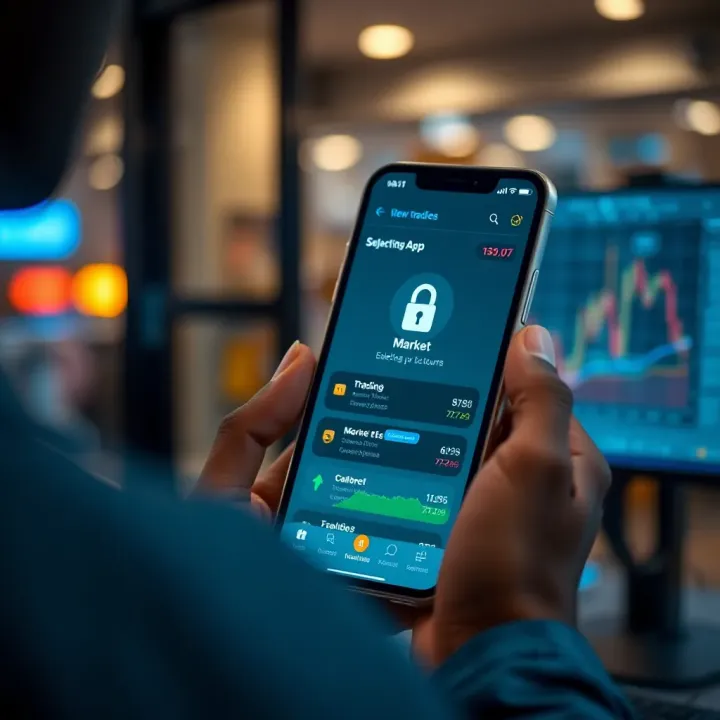
Discover how to pick the best trading app in Nigeria 📱🔒 Focus on security, fees, ease of use, and market options for smarter, safer trading decisions.

Explore how automated trading systems work, their pros and cons, plus tips for Nigerian traders on algorithms, risk management, & local market factors 📈🤖
Based on 8 reviews