
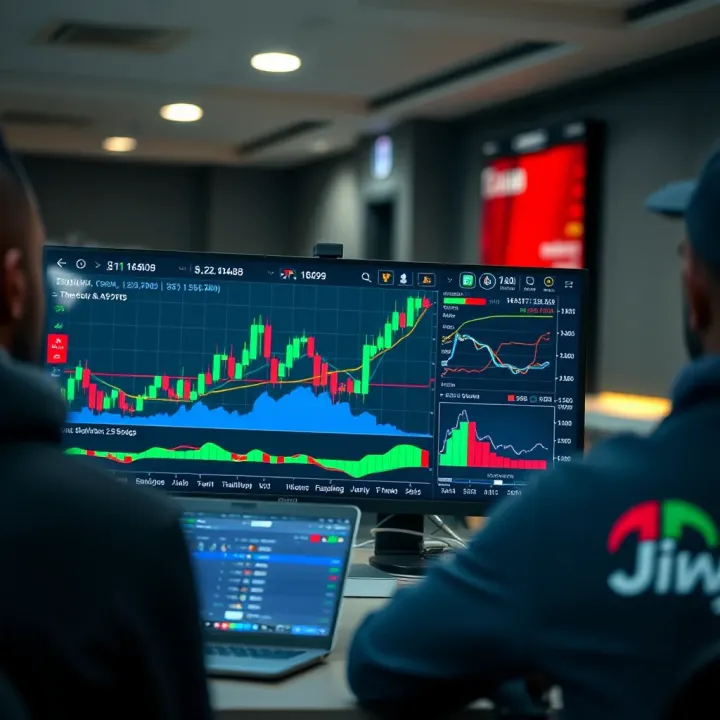
Understanding TradingView for Nigerian Traders
Discover how TradingView's charts, social network, and mobile tools help Nigerian traders analyse markets and make smarter decisions ₦️📈 Start trading wisely today!
Edited By
Henry Lawson
TradingView has become a vital tool for traders and developers in Nigeria looking to access real-time charts, market data, and technical analysis. Its flexibility and ease of integration make it a practical choice for fintech firms aiming to enhance trading platforms and for individual investors wanting in-depth market insights.
Nigerian traders often face unique challenges such as fluctuating forex rates, power instability, and limited local market data compared to global exchanges. TradingView helps bridge some of these gaps by providing a smooth interface with global market feeds and customisable technical indicators tailored to user needs.
For developers, embedding TradingView charts is a straightforward process. You can integrate them into your website or mobile app within minutes using TradingView’s robust API. This means fintech startups in Lagos or Abuja don’t need massive resources to offer world-class charting tools. Plus, you can customise indicators using TradingView’s Pine Script language, allowing local traders to create strategies that consider Nigerian market peculiarities.
That said, compliance with Nigerian financial regulations is non-negotiable. Developers must ensure their applications conform to guidelines from the Securities and Exchange Commission (SEC) and Central Bank of Nigeria (CBN). This involves protecting user data, providing transparent market information, and preventing misuse of insider knowledge.
Integrating TradingView isn’t just about adding charts — it’s about enhancing decision-making through reliable data and tailored tools specific to Nigerian market conditions.
Key aspects you’ll see explored in this guide include:
Embedding TradingView charts seamlessly with examples relevant to Nigerian trading platforms
Using Pine Script to develop customised technical indicators
Addressing challenges like intermittent internet and power outages
Ensuring legal compliance within local regulations
By the end, you’ll have practical steps to raise the quality and sophistication of your trading experience or fintech solution using TradingView’s capabilities in the Nigerian context.
TradingView has become a go-to platform for traders who need detailed charts and live market data without complicated setups. For Nigerian traders and developers, understanding its offerings is essential because it merges global and local market data with tools tailored to practical trading and analysis. Being able to visualise price movements in real-time helps traders make fast decisions, crucial in Nigeria’s often volatile market.
Interactive charts and real-time data provide traders with dynamic tools to track market behaviour as it happens. Unlike static charts many beginners are used to, TradingView’s charts update instantly, letting you spot trends or price reversals quickly. For instance, a Lagos-based forex trader watching USD/NGN can adjust technical indicators to react promptly to sudden naira fluctuations, helping to manage risks.
Access to global and Nigerian markets means users get a broad view of different asset classes, from stocks on the Nigerian Stock Exchange (NGX) to crude oil prices impacting Nigeria’s economy. This wide access allows traders to diversify their portfolios. A Nigerian investor can monitor both local equities and commodities like cocoa or gold, observing how international events shape prices in real time.
Social trading and idea sharing turns TradingView into a community, not just a charting tool. Nigerian traders can follow experienced analysts or share strategies through public idea streams. This social feed serves as a practical learning hub, where traders exchange insights on emerging sectors like fintech or crude oil futures, enhancing decision-making beyond solo analysis.
Local market insight integration is vital as TradingView incorporates data feeds and market hours tailored to Nigeria’s financial ecosystem. For example, integration with NGX data provides authentic price updates and detailed information on listed companies, helping investors gauge the local economic pulse. This local touch prevents Nigeria traders from relying solely on foreign data sources, which might miss specific market nuances.
Compatibility with popular Nigerian fintech platforms ensures seamless data flow for traders using apps like Kuda, Opay, or Paystack for funding or withdrawals. Developers can embed TradingView widgets within fintech apps, providing users easy access to charts without jumping between platforms. This integration supports smoother user experience, important in Nigeria where app switching can weigh down data usage.
Accessible analytics amid power and connectivity challenges matter because Nigeria’s infrastructure isn’t always stable. TradingView’s design allows lightweight versions of charts and the option to cache data, meaning traders can continue analysis offline or with spotty internet. This resilience supports traders outside major cities or in areas with frequent power cuts, ensuring they don’t miss critical market moves.
TradingView fits well with Nigeria’s trading landscape by blending reliable, real-time data with tools that cope with local challenges — a must-have for serious traders and fintech developers alike.
This overview explains why investing time in TradingView opens doors to better market insights, faster reactions, and smarter trades tailored to Nigerian realities.
Integrating TradingView components is essential for Nigerian traders and developers seeking real-time market insights accessible on their platforms. Understanding these basics ensures you embed charts and data feeds that fit Nigerian markets, improving your users' trading experience. This section covers practical approaches for embedding widgets on websites and integrating TradingView in mobile apps, both critical for reaching users on diverse devices.
TradingView offers several widgets: the Mini Chart, Technical Analysis, Market Overview, among others. Selecting the suitable one depends on your audience's needs. For example, a forex trading site in Lagos might prioritise a currency-focused widget displaying USD/NGN and other forex pairs. A brokerage website dealing with Nigerian Stock Exchange (NSE) securities could opt for the Market Overview widget reflecting those local equities. This tailored approach ensures your platform delivers relevant data without clutter.
Embedding TradingView widgets usually involves copying a simple JavaScript snippet into your webpage's HTML. This lightweight setup doesn't require heavy coding skills. You include a script tag referencing TradingView’s source and a div container where the widget renders. Adjust parameters like symbol, width, and height in the script to customise the display. For instance, setting symbol: "NSE:ZENITHBANK" will show Zenith Bank’s stock chart, popular among Nigerian investors.
A common configuration is the Interactive Chart widget with Nigerian stocks. Developers set the symbol to local tickers and configure the timeframe to daily or weekly for typical trading patterns. Another example is embedding a Technical Summary widget summarising indicators like Moving Averages and RSI, aiding quick decisions without deep technical analysis. These configurations provide practical, actionable data for Nigerian traders on any website.
Mobile app integration requires calling TradingView APIs within native or hybrid apps. For Android, Java or Kotlin is used; for iOS, Swift or Objective-C. The APIs allow fetching chart data and rendering widgets inside app views. Integrating TradingView APIs helps fintech apps like OPay or Kuda offer live charts and technical tools directly on mobile, a big plus in Nigeria, where smartphone use outpaces desktop.
Timely market data updates are crucial. Apps can subscribe to market events via TradingView’s websocket API for real-time streaming. Push notifications alert users of price targets or news affecting their portfolio. For example, a forex trader in Abuja can receive instant alerts on NGN pair swings, helping them react quickly despite internet fluctuations or power issues.
Given Nigeria’s patchy internet, optimising app performance matters. Caching recent market data locally reduces repeated server requests, saving data costs for users. Lazy loading widgets only when users access chart sections also prevents unnecessary resource usage. Using lightweight TradingView components and minimising JavaScript bundles helps ensure smooth app performance, even on entry-level smartphones common locally.
Embedding and integrating TradingView components effectively demands thoughtful setup tailored to Nigerian market realities. This approach supports traders with relevant, accessible, and up-to-date market data, fostering smarter trading decisions.
Nigerian traders and developers benefit greatly from tailoring TradingView tools to fit local market conditions. Customisation ensures charts, indicators, and data feeds reflect the realities of Nigerian stocks, forex, and market hours. This alignment boosts relevance and usability, especially considering the unique economic environment marked by fluctuating naira value, periodic power outages, and specific brokerage services.
Pine Script, TradingView’s native coding language, allows developers to create personalised technical indicators. For beginners, Pine Script provides a straightforward syntax designed to quickly modify and build on ready-made scripts, enabling you to track price movements, volumes, or specific signals tailored to Nigerian markets. Basic knowledge of variables, functions, and plotting techniques lets traders visualise trends specific to their investment strategies.
In the Nigerian context, custom indicators can focus on local market peculiarities. For instance, an indicator might highlight price actions peculiar to Nigerian stocks listed on the Nigerian Stock Exchange (NSE), or forex signals considering naira exchange rate volatility against the US dollar or euro. Developers can integrate indicators that spot typical NSE patterns or flag unusual volume surges that often precede price swings in Nigerian shares or FX pairs.
Testing and deploying Pine Scripts safely is vital before relying on them for trading decisions. Developers should use TradingView’s built-in strategy tester to simulate indicator performance against historical Nigerian market data. This step ensures the scripts behave as expected and helps identify any errors or misleading signals. Once tested, deployment involves publishing your scripts within private or public libraries, ensuring you control access or share with trusted users, while regularly reviewing for accuracy as market conditions change.
Including naira currency and NSE data in charts makes information immediately relevant. Traders need to view prices in ₦ to understand true value without constantly converting from dollars or other currencies. Integrating live NSE data provides accurate, timely insights into local stocks and derivatives. Some brokerages partner with TradingView to supply this data, allowing seamless display of Nigerian market movements.
Adjusting time zones and market hours is essential to match the Nigerian trading calendar. The NSE operates from 9:30 am to 2:30 pm WAT, Monday to Friday, and Nigeria’s daylight saving practice is non-existent, unlike many Western markets. Setting correct time zones prevents confusion in trade timing, order submissions, and indicator triggers, especially for traders switching between global and Nigerian assets.
Working with local brokers and data providers ensures data integrity and timely updates. Nigerian brokers often provide APIs or plugins compatible with TradingView, enabling direct feed into custom apps or websites. This cooperation brings precise broker-specific offers, order book data, and execution reports within chart interfaces, helping traders make better-informed decisions based on their trading venue’s actual conditions.
Customising TradingView to local needs is not just a convenience; it is a necessity. Without adjusting for currency, data feeds, and time zones, Nigerian traders may miss critical market signals or react to outdated information, risking losses.
By focusing development efforts on these localisation aspects, fintech developers and traders will find TradingView a far more powerful and practical tool for the Nigerian market.
For Nigerian traders and developers using TradingView, ensuring compliance with financial regulations and securing data handling is not just advisable—it is necessary. Nigeria's financial landscape is tightly regulated by agencies like the Securities and Exchange Commission (SEC), demanding transparency and protection of sensitive information. At the same time, strong security practices help protect users against data breaches and cyber threats, especially given the challenges of local internet infrastructure.
The SEC Nigeria plays a major role in supervising activities related to trading and investment services. Platforms integrating TradingView tools must adhere to SEC rules which include licensing, conformity to market conduct standards, and safeguarding investor interests. For instance, traders providing investment advice or offering brokerage services alongside TradingView features need proper registration and are required to keep detailed transaction records.
Data privacy and user consent come under the spotlight with Nigeria’s Data Protection Regulation (NDPR). When collecting user data through TradingView integrations, explicit consent must be sought to comply with legal standards. Developers should embed clear terms explaining how personal information is used, stored, and shared, to avoid penalties from regulators and build trust among users.
Reporting and audit trails are essential components of compliance. Nigerian authorities expect firms to maintain accurate logs of all trading activities and system access instances. Such records are vital during audits and investigations, providing transparency on user actions and system changes. Ensuring these logs are immutable and easily retrievable helps meet SEC Nigeria’s oversight requirements.
API keys and tokens are gateways to vital market data and must be treated as sensitive secrets. Developers should avoid hardcoding these credentials in client-side code or publicly accessible repositories. Instead, server-side storage with encrypted vaults and environment variables should be standard practice to prevent unauthorised access that could compromise trading accounts or data integrity.
Secure user authentication enhances platform safety by verifying legitimate access. Implementing multi-factor authentication (MFA) and strong password policies protects users from hacking attempts. Given the growing fintech adoption in Nigeria, many banks and brokers already support biometric verification and one-time passwords (OTP), which can be integrated alongside TradingView implementations for stronger protection.
Unreliable internet connections often impact Nigeria’s digital experiences, but thoughtful design can mitigate risks. Utilizing caching mechanisms allows key charts and market data to remain available offline briefly, reducing frustration during intermittent outages. Lightweight components that minimise data use also help maintain responsive interfaces despite slow or unstable connectivity.
Nigerian traders and developers who prioritise compliance and security not only protect their users and themselves from financial and legal risks but also build credibility that stands out in a fast-growing market.
By focusing on these compliance and security measures, integrating TradingView becomes smoother, safer, and fully aligned with Nigeria’s financial ecosystem. This creates a more reliable platform for trading and analysis even amid local challenges.
Navigating the Nigerian tech environment presents unique challenges for developers aiming to implement TradingView solutions. Infrastructure limitations and user experience requirements stand out as major areas that need ingenious practical strategies. Addressing these challenges head-on can mean the difference between a sluggish app and a responsive, reliable platform that Nigerian traders trust.
Managing slow or unstable internet is a common issue across many parts of Nigeria. Because many traders rely on mobile data which can be inconsistent, developers should design for intermittent connectivity. For example, instead of fetching real-time charts on every page load, your app could store recent data locally and update only when stable connections are detected. This approach reduces frustration and provides some offline usability.
Caching strategies for offline use help developers mitigate network unreliability. By using techniques such as IndexedDB or localStorage in browsers, or local database caches in mobile apps like SQLite, you can save essential market data and recent user settings. This lets traders review previously loaded charts or analysis without needing constant internet. The key here is balancing cache size to avoid hogging device storage, especially important in Nigeria where many devices have limited capacity.
Using lightweight components is vital to improve load times and reduce data consumption. Heavy JavaScript libraries or oversized graphics can slow down a trading interface on basic internet plans or slower phones common in Nigeria. Optimising code to use minimal dependencies and compressing assets makes the TradingView integration sneakier and more responsive. For instance, stripping non-critical UI elements during initial loads and loading detailed features on demand can save bandwidth and speed up interaction.
Mobile-first design approaches are indispensable because most Nigerian traders access platforms through smartphones. Designing interfaces that work smoothly on small screens, use minimal taps, and avoid clutter significantly enhances usability. Buttons and charts must be clear without requiring zooming, and navigation should be straightforward—even when traders are using Danfo or Okada rides connected to spotty networks.
Incorporating multilingual support ensures broader accessibility. Nigeria’s linguistic diversity means that offering options beyond English—like Yoruba, Igbo, or Hausa—can deepen engagement and trust. Developers might use simple language toggles and translate key instructions or tooltips for trading setups. This inclusiveness makes complex tools more welcoming to traders not comfortable with English financial jargon.
Providing easy access to support and education is crucial, as many Nigerian traders are still learning technical analysis fundamentals. Embedding help guides, video tutorials, or chat support right within the interface can empower users to grasp chart reading and risk management more confidently. Offering timely localised support reduces frustration, builds loyalty, and encourages smarter trading decisions.
Nigerian developers who prioritise connectivity resilience and user-centred design stand a better chance of delivering effective TradingView platforms to traders across the country.
By understanding and addressing these infrastructural and user interface challenges, developers can craft tools that truly adapt to Nigerian market realities. This practical focus ensures TradingView solutions are not just technically sound but genuinely usable and valuable for local investors and analysts alike.
Discover how TradingView's charts, social network, and mobile tools help Nigerian traders analyse markets and make smarter decisions ₦️📈 Start trading wisely today!
Explore TradingView’s features, charts 📊, and broker integrations for Nigerian traders. Boost your strategies with tools & local market insights!
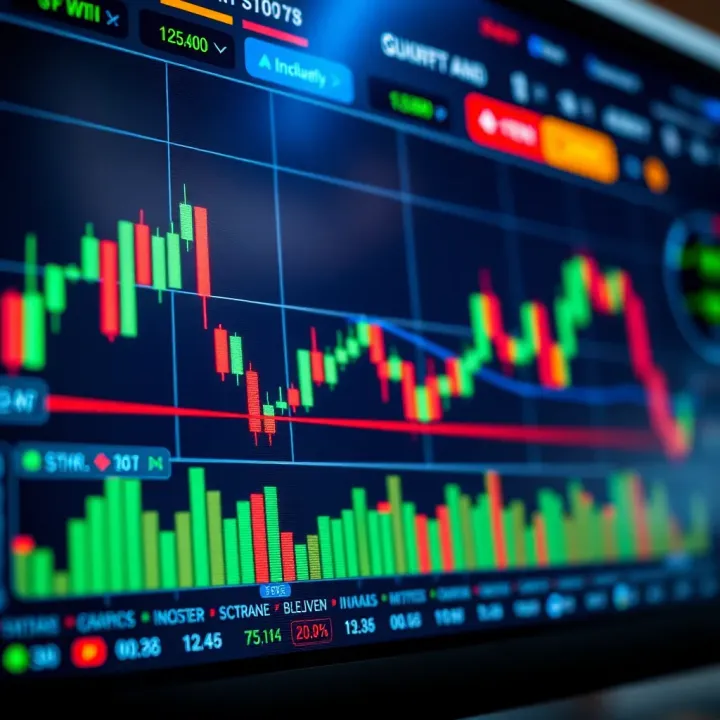
📈 Master TradingView charts like a pro! Learn to customise tools, use indicators, set alerts, and analyse Nigerian markets for smarter trading decisions every time.
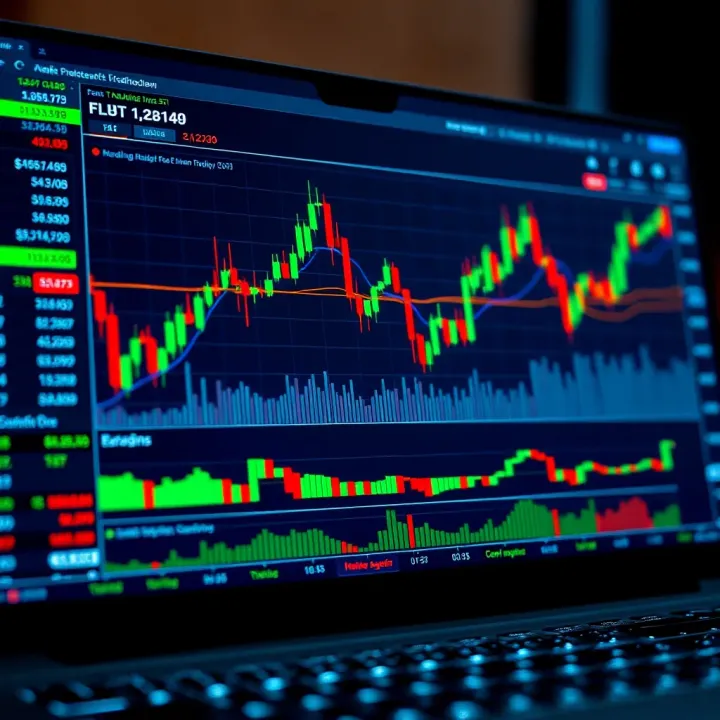
📊 Learn how Nigerian traders can effectively combine TradingView’s charts with Deriv’s platform for smarter trading decisions. Step-by-step tools and tips inside!
Based on 13 reviews