
TradingView Guide for Nigerian Traders
Explore TradingView’s features, charts 📊, and broker integrations for Nigerian traders. Boost your strategies with tools & local market insights!
Edited By
Oliver Stokes
TradingView is fast becoming a go-to platform for traders and investors in Nigeria seeking reliable and detailed market analysis. At its core, TradingView provides advanced charting tools and real-time market data covering forex, stocks, commodities, and cryptocurrencies. What sets it apart is the community aspect, allowing Nigerian traders to share ideas, strategies, and analysis instantly.
Nigerian traders face unique challenges like intermittent internet connectivity and currency exchange fluctuations, but TradingView’s lightweight web and mobile apps help smooth out these issues. For example, using the mobile version on MTN or Airtel networks, you can still keep an eye on market movements while on the move between Lagos traffic or at a mama put.
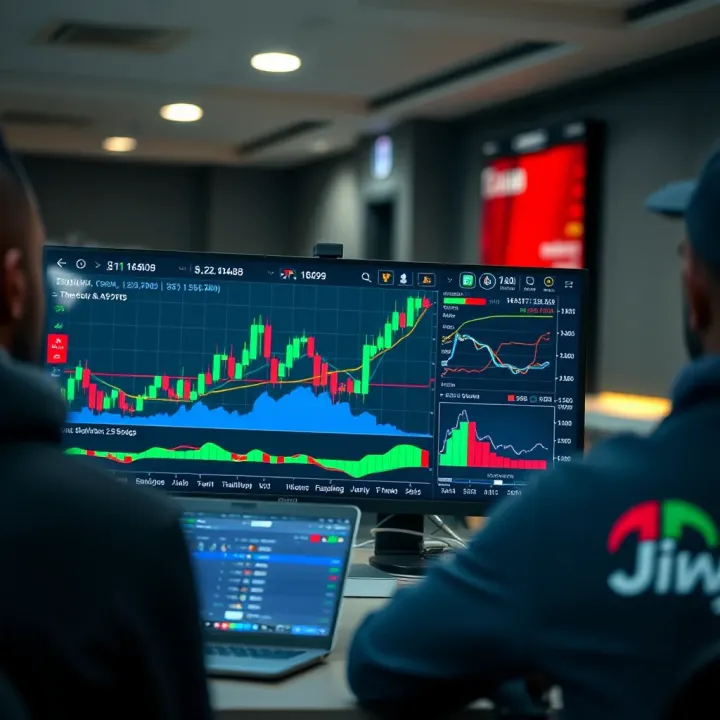
The platform’s extensive library of technical indicators, drawing tools, and custom scripts allow traders to fine-tune their strategies, whether you trade the NSE (Nigerian Stock Exchange) or the global forex markets. Plus, social features like chat rooms and published ideas make it easier to tap into local and global market sentiments.
TradingView bridges the gap by combining powerful charting with a social network, which Nigerian traders can leverage for smarter, faster decision-making.
You can access TradingView with a free account, which already offers considerable tools. For more serious trading, premium plans unlock features like multiple charts on one screen, extra indicators, and priority data updates — a useful investment for active traders in Nigeria’s dynamic markets.
This guide will break down TradingView’s key functions, how to set it up for Nigerian markets, and practical tips to get started confidently — helping you maximise your trading edge in local and international markets.
TradingView has become a vital tool for Nigerian traders looking to make sense of the financial markets. It offers a blend of powerful charting capabilities and a social network where traders share ideas. Understanding this platform’s role helps traders draw practical insights from analysis and community trends, which is crucial in Nigeria’s rapidly evolving investment environment.
By using TradingView, Nigerian investors can monitor local markets like the Nigerian Stock Exchange (now the Nigerian Exchange Group) alongside global markets such as forex, cryptocurrencies, and commodities. This access provides a clearer picture of how macroeconomic factors and local developments influence asset prices.
TradingView is primarily a web-based charting platform designed for traders and investors to analyse price movements using various tools. Its interface lets users create customised charts, apply technical indicators, and draw trend lines, all crucial for spotting trading opportunities. Beyond analysis, it serves as a social platform where traders post ideas, discuss strategies, and even copy well-performing traders, fostering a collaborative environment.
In terms of market coverage, TradingView supports a wide range of asset classes. Nigerian traders can access charts for equities listed on the Nigerian Exchange, major global stocks, forex pairs, cryptocurrencies like Bitcoin and Ether, indices, and commodities such as oil and gold. This diversity means traders can diversify their portfolios or try different markets without switching platforms.
One key reason Nigerian traders favour TradingView is the combination of free access to high-quality charting tools with a community-driven approach to learning. Many traders new to technical analysis find the platform user-friendly. Moreover, its availability on mobile apps makes it practical for busy Nigerians who trade during breaks or commute on okada or danfo.
Another important aspect is TradingView’s integration with Nigerian brokerages and fintech companies. Platforms like Trove, Chaka, and Bamboo either link directly with TradingView or provide similar charting features, streamlining the trading process for Nigerian investors. This connection allows users to move seamlessly from analysis to executing trades without leaving the platform, saving time and reducing friction.
TradingView’s blend of in-depth analysis tools and a trader community makes it a natural choice for Nigerian traders needing reliable charts and peer insights to navigate volatile markets.
This section sets the foundation for Nigerians to see how TradingView works and why it stands out amid the options available in Nigeria's growing trading scene.
TradingView stands out among trading platforms primarily because of its rich features that cater to the practical needs of traders and investors. For Nigerian traders, understanding and utilising these features effectively can greatly improve market analysis and decision-making.
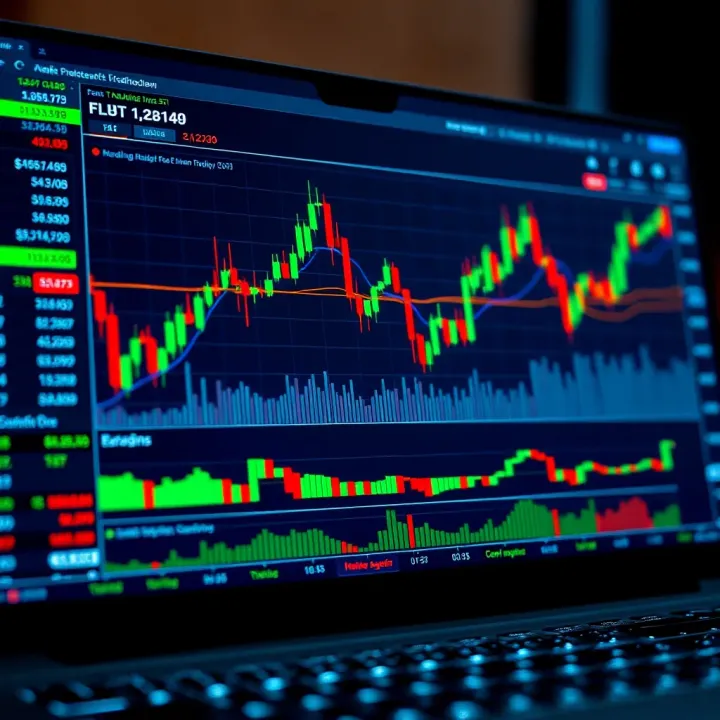
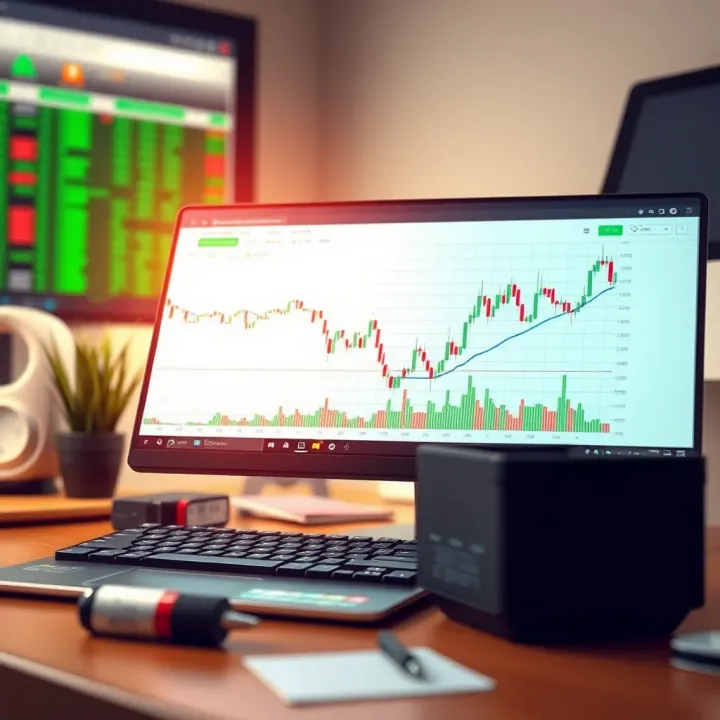
One of TradingView’s main attractions is its wide range of chart types. These include line charts, bar charts, candlestick charts, Renko, Point and Figure, and Heikin-Ashi. Each chart type offers a different way to visualize price movements, allowing traders to pick what suits their strategy. For instance, candlestick charts are favoured by many Nigerian forex traders because they clearly illustrate price action and reversals, making them useful during volatile market periods.
Beyond the chart styles, TradingView offers numerous technical indicators that guide trading decisions. Popular indicators such as the Relative Strength Index (RSI), Moving Averages (MA), Bollinger Bands, and the Moving Average Convergence Divergence (MACD) help traders identify trends, momentum, and potential reversal points. These tools are particularly handy in markets like the Nigerian Stock Exchange (NGX), where price patterns can be choppy, and clear signals are crucial to avoid losses.
TradingView’s social features allow traders to share charts, strategies, and trading ideas openly. For Nigerian traders, this means learning from more experienced peers and exposing oneself to diverse market tactics. It also builds a sense of collective learning, which is vital especially for novice traders navigating local market challenges.
Users can follow Nigerian and international traders who post regular analysis and trade setups. This direct exposure to expert insights and live chats creates an informal mentoring avenue. For example, a Nigerian trader might follow a seasoned forex analyst from Lagos alongside a global commodities expert to diversify their market knowledge.
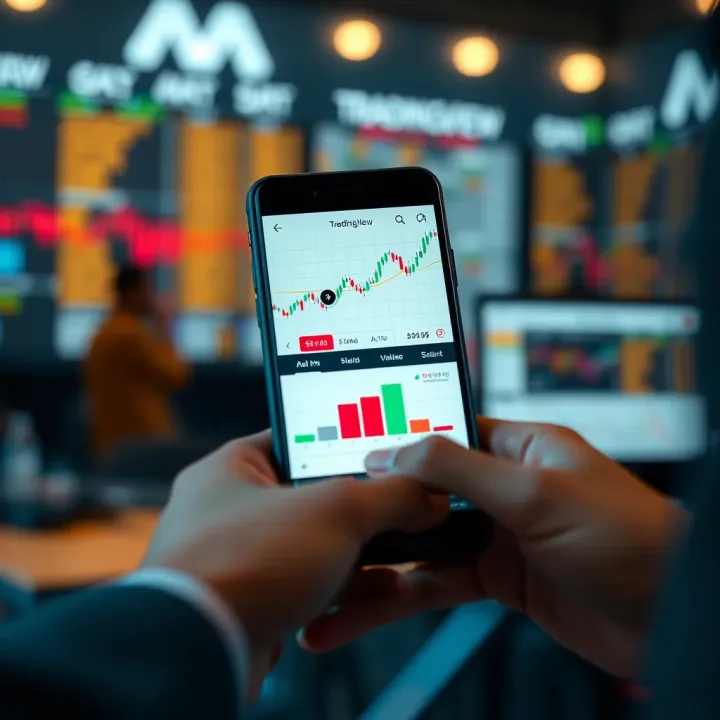
Setting price and indicator alerts on TradingView keeps traders connected without their constant screen watch. Nigerian traders can set notifications via email or mobile when assets hit target price points or when certain indicator thresholds occur. This feature saves time and helps avoid missing trading opportunities, especially when juggling multiple market instruments or facing unreliable internet.
Linking TradingView with brokers and trading bots takes automation a step further. Nigerian traders using brokerages integrated with TradingView can execute trades directly from the chart interface or deploy automated strategies. This simplifies managing trades and helps maintain discipline, which is key in volatile markets like cryptocurrency in Nigeria.
Using TradingView’s features, from charting to social networking and automation, affords Nigerian traders a competitive edge by blending technology with community knowledge and responsiveness.
With these core features, TradingView becomes a practical tool rather than just a fancy charting software. It fits into the everyday trading routine, whether dealing with equities, forex, or commodities accessible to Nigerian markets.
Choosing the right subscription plan on TradingView is essential for Nigerian traders who want to balance cost with access to useful features. The platform offers multiple tiers, each tailored to different levels of engagement and trading needs. Understanding the capabilities and limits of each subscription helps traders avoid paying for unnecessary extras or missing out on vital tools that might elevate their trading performance.
The free plan offers a solid starting point for traders who are new or trade casually. It provides access to basic charting tools, a limited number of indicators per chart (usually up to three), and access to the majority of global markets including forex, stocks, crypto, and commodities. This allows Nigerian traders to perform fundamental technical analysis without upfront costs.
However, the free plan restricts some important features like multiple charts in one layout, real-time data for certain exchanges, and alerts frequency. For example, users cannot set more than one alert simultaneously, which might limit timely responses in fast-moving markets like NSE equities or forex pairs like USD/NGN.
Beginner traders often find the free plan adequate for learning how to read charts and apply basic indicators such as Moving Averages and RSI. It lets them explore TradingView’s social aspect where they can follow experienced Nigerian traders and pick up strategies. Yet, as their trading activities become more involved, the limitations of the free plan may become apparent.
Upgrading to a paid plan unlocks advanced features tailored to active and professional traders. Pro plans allow multiple charts per layout, more simultaneous indicators (up to 25 on Premium), enhanced alert options, and faster customer support. For instance, Pro Plus users can run up to 10 alerts simultaneously, which is valuable in monitoring various Nigerian and international assets at once.
Premium, the highest tier, adds priority server access, unlimited indicators and alerts, second-based intervals on charts, and access to exclusive features like advanced trading automation tools. These extras could make a difference for Nigerian traders engaged in forex trading with high volatility or those tracking multiple NGX stocks closely.
When weighing costs, Nigerian traders must consider the naira exchange rate and the monthly subscription fee, which ranges roughly from ₦5,000 for Pro to ₦15,000 for Premium (converted from USD at current rates). For many, the Pro plan strikes a good balance between cost and functionality, especially those interested in serious market analysis without overpaying for rarely used features.
It’s wise to start with the free plan, then upgrade if specific features prove necessary. This approach saves money while testing TradingView’s suitability in the Nigerian trading context.
In summary, understanding each plan’s offerings helps traders make an informed decision. Consider your trading style, assets traded, and budget before committing to a paid plan. This way, you get the right tools without wasting resources.
Accessing TradingView both on mobile devices and desktop computers is vital for Nigerian traders aiming to stay ahead in dynamic markets. Many Nigerian traders balance trading with busy schedules or rely on mobile data, making flexible access essential. The ability to switch between on-the-go analysis and deep, focused research on a desktop allows traders to respond quickly to market changes while still having the tools for detailed technical study.
TradingView’s mobile apps for iOS and Android offer nearly the same powerful charting and social features found on desktop. They support various chart types, real-time quotes, and a broad range of technical indicators, allowing traders to monitor stocks, forex, crypto, and commodities from their phones. The app’s interface balances functionality with simplicity, ensuring even traders new to smartphones can navigate it smoothly.
However, given Nigeria’s spotty network coverage in some areas, the app optimises data use and caches charts to improve load times. This means traders in places with unstable connections can still check key market movements without facing constant disruptions.
For Nigerian traders who commute by danfo, okada, or spend hours on the move, TradingView’s mobile app lets them act on opportunities swiftly. Instead of waiting to get home to access a desktop, they can place alerts, review trendlines, and even share insights within the app’s community sections.
This mobility means you don’t miss critical market swings, especially during volatile ember months when global events can impact the NGX and forex markets quickly. For example, a trader noticing a sudden forex pair spike on their phone can immediately adjust positions before potential losses.
When it’s time to dive deep into market analysis, a desktop setup offers a more comfortable and productive environment. Traders can customise TradingView workspaces with multiple charts, add extensive indicator collections, and run complex studies side-by-side.
This is particularly useful for Nigerian investors analysing multi-asset portfolios, such as mixing Nigerian equities with commodities like crude oil or cocoa futures. The ability to spread charts on a larger screen and save layout templates allows for quicker decision-making.
TradingView runs smoothly on major browsers like Google Chrome, Firefox, and Microsoft Edge, which are widely used in Nigeria. Since reliable internet speeds can vary, it’s advisable to use lightweight browser modes or avoid running many other apps simultaneously to reduce lag.
In Lagos or Abuja, where fibre broadband is more common, performance tends to be flawless. But in more rural settings, using browser versions with data-saving extensions can boost responsiveness. Additionally, clearing cached data every few weeks helps prevent slowdowns, ensuring charts update promptly.
Accessing TradingView seamlessly across both platforms empowers Nigerian traders with agility and depth – the combo needed to navigate fast-moving markets effectively.
With the right balance of mobile convenience and desktop power, you can stay connected to market action, regardless of location or schedule. This flexibility is especially important in Nigeria’s trading environment, where timing and information access are key to making profitable moves.
Getting started with TradingView is an important first step for Nigerian traders who want to enhance their market analysis and trading decisions. This platform offers powerful tools but knowing how to set up and navigate it makes all the difference. Once you’re familiar with the interface, applying technical analysis to both Nigerian equities and global markets becomes easier and more effective.
Creating an account on TradingView is straightforward and free, which is a big plus for Nigerian traders looking to test the waters without upfront costs. To sign up, you need a valid email address or you can register via social media accounts like Google or Facebook. Once registered, consider verifying your email to access all platform features. This simple step gives you a personalised dashboard where you can save your charts, set alerts, and follow other traders.
After logging in, the interface might feel overwhelming if you’re new to charting platforms. The main layout consists of charts, watchlists, and news feeds all in one view. Beginners should start by learning to zoom in and out of charts, switching between timeframes like daily, hourly, or 15-minute intervals, and identifying basic drawing tools such as trendlines and support/resistance levels. Navigation menus on the left side provide access to indicators and chart types, while the top panel lets you add alerts or switch asset classes effortlessly.
Using charts and indicators for Nigerian equities, such as shares listed on the Nigerian Exchange Group (NGX), helps you identify trends and key price levels. For example, applying the Moving Average Convergence Divergence (MACD) indicator on MTN Nigeria’s stock chart can signal when to buy or sell during volatile periods. TradingView allows access to NGX-listed stocks, so you can track companies like Dangote Cement or Zenith Bank just as easily as international stocks.
Beyond local equities, TradingView supports forex, cryptocurrency, and commodity markets widely accessed by Nigerian traders. You can apply similar charting techniques and indicators used for Nigerian assets to global markets, adapting strategies to different time zones and liquidity levels. For instance, Nigerian traders investing in forex can combine RSI (Relative Strength Index) and Bollinger Bands to identify entry points in pairs like USD/NGN or EUR/USD. Similarly, crypto traders analysing Bitcoin or Ethereum prices benefit from TradingView’s live data and community insights.
Starting with TradingView lets you build confidence in market analysis, whether focusing on Nigerian shares or dipping fingers into forex, crypto, or commodities. The key is knowing how to set up your account and navigate tools so every trade is backed by clear data.
Taking time to master the platform initially saves wasted funds and missed opportunities later, especially given the fast-moving financial environment in Nigeria today.
Nigerian traders confront unique challenges when using TradingView, mainly due to local infrastructure and economic factors. Understanding these hurdles is key to maximising the platform’s potential without running into frustrating bottlenecks. This section highlights real-world obstacles and practical ways to overcome them, helping you get more value from TradingView.
Overcoming connectivity issues
Stable internet remains a challenge in many parts of Nigeria. Frequent disruptions or slow connections can interrupt live data feeds and chart updates, affecting timely analysis. Traders often depend on mobile data, which can fluctuate in speed and reliability depending on location. To tackle this, many choose providers with better coverage in their area or schedule heavy data use during off-peak hours for lower congestion. Using Wi-Fi from a reliable provider or shared connections at coworking spaces also helps maintain stability.
Using data-efficient settings
TradingView offers several ways to reduce data consumption, which is useful for Nigerians facing costly or limited internet. For example, turning off auto-refresh on charts and limiting the number of open indicators conserves bandwidth. Lowering chart resolution to fewer candles or simpler chart types helps as well. When using the mobile app, activating the "Lite Mode" reduces data use by limiting chart updates and saving on unnecessary animations. Such tweaks make TradingView accessible even on tight data plans or during periods of weak network.
Managing subscription costs locally
TradingView’s paid plans offer useful upgrades, but the pricing in dollars can be a hurdle given naira’s volatility and added fees from international payment methods. Nigerian traders often weigh the costs against monthly budgets carefully. Bulk annual payments might save some money but require upfront capital. Some manage expenses by sharing a Pro plan with trusted colleagues or relatives, since TradingView allows limited simultaneous device usage on paid tiers.
Alternatives for traders on a budget
If premium subscriptions are too costly, Nigerian traders can still utilise the robust free plan effectively. The free version provides ample charting capabilities for many novices and intermediate users. Additionally, combining TradingView free tools with local brokers’ platforms (many offer free charts and market updates tailored to Nigerian securities) serves as a practical alternative. Some also explore other charting apps like Investing.com or use broker terminals with integrated charting to complement TradingView’s social features.
Practical adjustments like managing internet settings and leveraging the free TradingView tools can make a big difference for Nigerian traders looking to avoid extra costs or technical frustrations.
By recognising these challenges, you can finesse your TradingView experience with local realities in mind, ensuring smoother, more cost-effective market analysis.
Explore TradingView’s features, charts 📊, and broker integrations for Nigerian traders. Boost your strategies with tools & local market insights!
📊 Explore Binary.com in detail! Learn its features, account types, and strategies tailored for Nigerian traders to trade confidently and securely.
📊 Learn how Nigerian traders can effectively combine TradingView’s charts with Deriv’s platform for smarter trading decisions. Step-by-step tools and tips inside!
Discover how TradingView helps Nigerian traders with advanced charting📈, broker integration🔗, social networking👥, and practical tips📝 for success in local markets.
Based on 8 reviews