
Guide to TradingView & Deriv.com for Nigerian Traders
Explore how Nigerian traders can master TradingView 📈 and Deriv.com 💹 with tips on strategy, setup, and risk management for smarter trading moves.
Edited By
Thomas Morgan
TradingView has become a go-to platform for traders and investors worldwide, including Nigeria’s vibrant market. But what makes it stand out, especially for Nigerians who deal with local market conditions, forex, and global stocks?
This article takes a close look at TradingView's key features that matter most to Nigerian traders. From powerful charting tools and real-time data to social networking with fellow traders and plug-and-play broker integrations, we’ll cover everything you need to know.
If you’ve ever struggled to find a trading platform that blends advanced analytics with a user-friendly interface that's perfectly suited for Nigeria’s trading ecosystem, this guide is for you. We’ll cut through the jargon and provide practical tips on how to get the most from TradingView, whether you’re just starting or want to sharpen your strategies.
Understanding the right tools is half the battle in trading. Mastering TradingView means positioning yourself for smarter decisions in both local and international markets.
Getting a clear picture of what TradingView brings to the table is no small deal. For Nigerian traders, this means having a tool that not only serves their unique market needs but also simplifies complex trading decisions. Being familiar with its functions helps you spot the best opportunities and avoid common pitfalls.
TradingView is built primarily for traders and investors who want a one-stop platform to monitor markets, analyze charts, and share ideas. It attracts a broad crowd—from beginner retail traders in Lagos who are just dipping their toes into stocks or forex, to seasoned financial analysts watching multiple asset classes. Nigerian users benefit especially from its local stock exchange listings and forex pairs, giving relevant real-time data.
The platform’s purpose is twofold: provide powerful analytical tools while fostering a community where users can learn and exchange insights. Think of it as both your charting software and a social network rolled into one.
One of TradingView’s standout strengths lies in its charting abilities. It supports a variety of chart types like candlestick, bar, and line charts that traders use for different kinds of analysis. But it’s not just about having the charts—what makes it valuable is how customizable and responsive they are. For instance, a Nigerian forex trader can zoom in on a 5-minute GBP/USD chart, add trendlines, and switch to Renko charts to better track price action in volatile periods. These charts update in real time and allow layering of multiple indicators to refine strategies.
TradingView offers over 100 built-in technical indicators, making it a treasure trove for traders who rely on technical analysis. Popular tools like Moving Averages, Relative Strength Index (RSI), and MACD are readily available, but the platform doesn’t stop there. Users can also script custom indicators using Pine Script, enabling tailored analysis suited for local market peculiarities.
For example, a trader focused on Nigerian Stock Exchange equities might use volume indicators combined with RSI to identify unusual trading activity and possible breakouts. This flexibility to mix and match indicators helps traders avoid relying on guesswork and backs decisions with quantifiable data.
TradingView keeps the user experience straightforward, despite its powerful features. Its interface is clean and intuitive, which means even those new to technical trading won’t feel overwhelmed. Buttons for adding indicators or drawing tools are logically placed, and navigation between charts and markets is smooth.
For Nigerian traders, this ease of use is welcomed. Whether you’re operating on a desktop in an office in Abuja or using the mobile app during your commute, you can quickly pull up charts, set alerts, or check out community ideas without fuss. This user-friendly approach helps traders stay focused on strategy rather than software quirks.
Understanding what TradingView offers is key for Nigerian traders keen on making smarter, data-backed decisions. Knowing the purpose, audience, and standout features ensures you hit the ground running with a tool that fits your trading style and local market conditions.
Charting tools are at the heart of successful trading, and TradingView offers some of the most versatile and easy-to-use options out there. For traders in Nigeria, understanding these tools means having a better grip on price movements and market trends, whether they're dealing with Nigerian Exchange stocks, Forex pairs relevant to the local economy, or even cryptocurrencies. This section breaks down the chart types available and how customizing them can make your trading sharper and more personal.
Candlestick charts are a favorite among traders for a good reason. They pack information into each 'candle' showing the open, high, low, and close prices for the selected time period. This gives a clearer picture of market sentiment, like whether bulls or bears were in control. For instance, a long green candle followed by a short red one might mean a quick market pullback before another rise. Nigerian traders can spot these patterns to time entry or exit points on shares like Dangote Cement or access currency pairs like USD/NGN.
Line charts offer a straightforward view by connecting closing prices across time. While they lack the depth of candlesticks, line charts are excellent for spotting overall trends without the noise of intraday price swings. Think of them as the "big picture" lens—ideal for investors tracking the Nigerian Exchange or other markets who want a clean look without clutter.
Bar charts sit somewhere between line and candlestick charts. Each bar shows the high, low, open, and close, similar to candlesticks, but in a simpler line-and-tick format. Some traders find bar charts easier to read if they're used to traditional charting styles. For example, using bar charts, you can quickly identify volatility or price rejection in Nigerian government bonds or commodities.
Adjusting time intervals lets you zoom in or out on the market action. Whether you want to catch fast movements using 1-minute intervals or study longer-term trends on daily or weekly charts, TradingView makes switching between these easy. Nigerian traders dealing with volatile forex pairs like EUR/USD may switch to shorter timeframes during active trading hours, while stock investors might prefer daily or weekly views.
Adding indicators and drawing tools can take your analysis further. TradingView supports a broad range of technical indicators like moving averages, RSI, and Bollinger Bands. Drawing trendlines, support and resistance levels, or Fibonacci retracements are also available to mark key price zones. For example, a trader monitoring MTN Nigeria could add an RSI indicator to judge if the stock is overbought or oversold, aiding better decision-making.
Saving chart templates is a handy feature for anyone who likes consistency in analysis. After fine-tuning your charts with preferred indicators, colors, and layouts, you can save these setups as templates. Next time you check a different stock or currency pair, applying your saved template saves time and keeps your routines steady. This is especially useful in fast markets where time is precious.
Mastering TradingView's charting tools not only helps Nigerian traders stay on top of price trends but also builds confidence in making informed trading calls.
By choosing the right chart types and customizing them to your needs, you take control of your market view instead of just reacting blindly. Whether you're a day trader hunting for short-term moves or a long-term investor watching Nigeria's growing markets, these tools can fit your style perfectly.
Technical indicators are the bread and butter of modern trading, especially on platforms like TradingView that boast a rich library of tools. For Nigerian traders, mastering these indicators offers a way to cut through market noise, identify trends, and time entries and exits more effectively. The reliability of indicators becomes even more crucial given the volatility and unique factors affecting Nigerian markets, such as currency fluctuations and localized economic shifts.
Using indicators on TradingView allows traders to apply tried-and-tested analytical techniques without needing an advanced math background. At its core, these indicators crunch past price and volume data to provide insights—whether that's showing momentum, trend strength, or potential reversal points. The platform’s flexibility means you can customize how and where to apply these indicators, tailoring them to your specific trading style and instruments.
Moving averages smooth out price data to help traders spot trends more clearly. Commonly, the simple moving average (SMA) and the exponential moving average (EMA) are used. For example, a 50-day SMA shows the average closing price over 50 days, smoothing short-term fluctuations. Nigerian traders watching the Nigerian Stock Exchange could use a 20-day EMA for short-term trend analysis and a 100-day SMA for longer-term insights.
Applying moving averages is quite straightforward on TradingView. You can overlay multiple moving averages to spot crossovers—a typical signal that indicates a shift in market momentum. For instance, when the short-term 20-day EMA crosses above the 50-day SMA, it might signal a buying opportunity, a handy tip for trading stocks like Dangote Cement or MTN Nigeria.
RSI is a momentum indicator that measures the speed and change of price movements on a scale of 0 to 100. Readings above 70 typically indicate an overbought condition (potential sell signal), while below 30 signals oversold conditions (possible buy). In Nigeria, where markets can be swift and sometimes unpredictable, RSI helps traders avoid chasing overextended moves.
Using RSI on TradingView, you can quickly spot these overbought or oversold zones. For example, during sharp forex movements in pairs like USD/NGN, the RSI could signal when the currency is due for a correction, helping you manage risk better.
The Moving Average Convergence Divergence (MACD) combines moving averages to reveal changes in momentum, direction, and duration of a trend. It uses two EMAs and a signal line to generate trading signals. When the MACD line crosses above the signal line, it often suggests bullish momentum, and vice versa.
TradingView lets you plot MACD below your price charts, showing histogram bars that reflect the distance between MACD and signal line. Nigerian traders might use it in volatile environments to confirm trend strength before jumping into a trade, especially in commodities or forex markets.
No single indicator should be used in isolation. The real skill lies in combining signals for a clearer market picture. For example, if a trader spots a bullish crossover in moving averages and the RSI is still below 70 (not overbought), the combined signals might give more confidence to enter a trade.
TradingView’s multi-indicator setup allows layering these checks naturally, so you aren't just guessing but making well-reasoned decisions. For Nigerian markets, where price swings can be quick and sharp, this layered analysis is indispensable.
It’s tempting to cram your chart with dozens of indicators, but that often results in confusion rather than clarity. Nigerian traders, particularly new ones, should avoid ‘indicator overload’ which can produce conflicting signals and analysis paralysis.
The mantra here is quality over quantity. Pick a few reliable indicators that complement each other rather than overlapping. For example, combining a trend indicator (like moving averages) with a momentum one (RSI or MACD) covers different aspects of the market without overwhelming your decision process.
Using fewer, well-understood indicators can deliver better results than drowning in complex charts filled with contradictory signals.
In summary, technical indicators on TradingView are powerful allies for Nigerian traders when used thoughtfully. Moving averages, RSI, and MACD offer a balanced toolkit for trend, momentum, and timing insights. Coupling these tools smartly, while keeping clutter at bay, can elevate your trading game significantly in the dynamic Nigerian financial markets.
TradingView isn’t just a charting software; it also acts like a buzzing town square for traders. Its community features give users a chance to share ideas, learn from others, and get insights that sometimes textbooks just can’t provide. Especially for traders in Nigeria, where access to localized trading info can be patchy, these social features are a gold mine. Beyond technical tools, connecting with fellow traders opens doors to real-world strategies and timely market news.
One of the biggest perks on TradingView is the ability to throw your ideas into the mix and peek at what others are doing. Imagine you’ve spotted a nifty pattern forming on the Nigerian Exchange (NSE) for a stock like Dangote Cement. By sharing your analysis or strategy publicly, you invite feedback or alternative takes from traders worldwide, which can help sharpen your approach. Plus, the platform’s charts with annotations mean you’re not just talking about concepts but showing exactly what you see.
Being active in this way means you’re not stuck guessing or working blind. Practical use of these shared strategies—for example, tweaking a moving average setting based on community tips—can boost your trading performance. For Nigerian traders, this peer exchange can highlight unique local market quirks and create a collective brain trust that’s tougher to catch while trading solo.
TradingView lets you follow top-notch traders whose insights you trust. Think of it like having a seasoned guide who posts regular trade ideas or commentary on forex pairs popular in Nigeria, such as USD/NGN or EUR/USD. Following these traders saves time and can reduce the stress of making decisions in volatile markets.
The key here is picking experts whose style and risk tolerance lines up with your own. Once you find a good fit, you can receive notifications on their new ideas or market outlooks which are especially useful during unpredictable periods. For example, if a trader you follow frequently comments on oil prices erratically impacting Nigeria’s economy, you get a heads-up to adjust your strategy promptly.
TradingView’s community is surprisingly diverse, with users from countries all over, including Nigeria. Nigerian traders benefit through shared posts and charts relating specifically to the Nigerian Exchange, local currency shifts, or effects of political events on markets. This kind of local insight is tough to find in standard global financial news.
For instance, members might discuss how new government tariffs or policies impact key Nigerian sectors like agriculture or banking. Having this chat space lets traders stay informed beyond headline news, making their trade setups smarter and more tailored to Nigerian market realities.
Beyond just ideas, TradingView acts as a professional crossroads where Nigerian traders can meet peers, mentors, or even potential collaborators. By engaging in discussions and commenting on posts, you build relationships that extend beyond the platform.
Networking here can lead to benefits like insider tips on brokers that offer better services for Nigerian users or early warnings about regulatory changes. Sometimes, informal groups and chat rooms form around common interests, like day trading Nigerian stocks or forex. These connections often prove invaluable for navigating an often tricky local trading environment.
"The strength of TradingView's community is that it offers Nigerian traders both eyes on the global market and feet firmly planted in local realities, mixing the best of both worlds."
In summary, the social and community features of TradingView turn it from a simple trading tool into a hub of shared knowledge and support. For Nigerian traders, actively leveraging these features means staying ahead of market trends, avoiding common pitfalls, and tapping into a network that offers practical, actionable knowledge.
Integrating TradingView with brokers and trading platforms is a game-changer for traders in Nigeria who want a streamlined experience. Rather than juggling multiple applications or tabs, connecting your TradingView account to actual broker accounts allows you to view charts, analyze markets, and execute trades all within a single platform. This smooth integration saves time and helps avoid errors caused by switching between different systems.
Linking TradingView with brokers is especially handy for traders focusing on the Nigerian Exchange or popular forex pairs where speed and precision matter. It also allows users to keep track of open positions, balances, and order history from one dashboard, giving a clearer picture of their trading activity.
TradingView supports a range of brokers globally, some of which are accessible to Nigerian traders. Examples include FXTM (ForexTime), OANDA, Interactive Brokers, and Ally Invest. Before linking, verify that your preferred broker supports TradingView integration to ensure smooth operation.
Create accounts: Make sure you have active accounts both on TradingView and the broker of choice.
Access the trading panel: On TradingView, click the 'Trading Panel' at the bottom of the chart window.
Choose your broker: Select your broker from the list.
Log in with broker credentials: TradingView will prompt you to enter your broker login info to authenticate.
Authorize access: Confirm permissions so TradingView can execute trades on your behalf.
Confirm connection: After successful linking, you’ll see your broker account balance and open orders displayed within TradingView.
This straightforward setup lets you jump right into active trading without needing additional software.
Once linked, you can place:
Market orders for immediate execution
Limit orders to buy or sell at a specific price
Stop orders for risk management
Modify or cancel existing orders directly
The platform supports trading stocks, forex, and some CFDs depending on your broker. For Nigerian traders, this means you can actively trade instruments like Nigerian Exchange stocks, USD/NGN forex pair, or popular global forex pairs without leaving TradingView.
Trading directly through TradingView carries distinct benefits that make it an attractive option for Nigerian traders craving efficiency.
By cutting out extra steps like opening separate broker platforms or manually inputting trade details, orders execute quicker through TradingView. For volatile markets—like the Naira forex market where prices shift fast—speedy order placement can mean the difference between profit and loss. Traders experience lower latency, reducing slippage and keeping trade entries and exits closer to intended prices.
Managing charts, market analysis, and actual trading orders from one platform is like having your entire trading desk bundled up in one handy app. This reduces distractions, minimizes errors from flicking between screens, and helps maintain laser focus during active trading sessions. For instance, if you spot a trend reversal on your candlestick chart, you can immediately place a stop-loss or take-profit order without delay.
Having the ability to analyze and act immediately within TradingView equips Nigerian traders with both clarity and control, crucial for making smart moves in fast-moving markets.
Overall, integrating TradingView with brokers and executing trades directly offer a more efficient, transparent, and powerful trading setup tailored for today’s fast-paced financial world in Nigeria.
Choosing the right subscription plan on TradingView is a key step, especially for Nigerian traders who are often balancing cost with access to advanced tools. This section breaks down the various plans—free and paid—and what they mean practically for users. Understanding these options helps traders avoid paying for features they don’t need, or missing out on crucial ones that could improve their trading performance.
The free plan is the starting point for most new users and offers a surprising amount of functionality at no cost. You'll get access to basic charting capabilities, a limited number of indicators, and one active alert at a time. It’s great for beginners testing the waters or those keeping their setups simple.
However, it does come with its downsides—ads appear on the platform, and you’re restricted to one chart per layout. For Nigerian traders who follow fast-moving markets like Forex, this could be a hassle. The limited alerts mean you might miss important market movements. So while free is tempting, it’s a bit like using a bicycle when you might sometimes need a motorcycle.
The Pro plan is a solid step up for active traders. It lets you use up to five indicators per chart and set 10 active alerts. Pro users can view up to two charts at once on a single layout, which is crucial when comparing stocks or currency pairs.
If you’re trading Nigerian equities or tracking local forex pairs, this can save a lot of toggling back and forth. The Pro plan removes ads, improving your workflow and letting you focus. It’s a cost-effective choice for someone who trades regularly but isn’t yet a professional day trader.
Pro+ increases those limits to 10 indicators per chart and 30 alerts, plus you can access four charts on a single layout. This plan is good for traders who want serious multi-tasking ability and need faster customer support.
For Nigerian traders juggling multiple markets or running complex strategies, Pro+ makes it easier to keep an eye on everything at once without your laptop feeling like it's about to blow up. The added indicators also help with more nuanced technical studies.
The Premium plan is designed for serious pros. It unlocks up to 25 indicators per chart, 400 active alerts, and allows eight charts per layout. Plus, you get priority customer support. For traders who live and breathe the market all day long—whether it’s monitoring NSE stocks or volatile forex pairs—this is a powerful package.
Premium also offers access to intraday exotic exchanges and extended trading hours on charts, essential features for advanced analysis. While it’s pricier, the depth and speed of data can really impact decision-making.
When choosing a plan, it's important to weigh your trading frequency and strategy against the cost. For instance, a beginner trading occasionally on the Nigerian Exchange (NSE) might find the free plan enough to start with. Meanwhile, an active forex trader who relies on multiple charts and alerts could benefit significantly from Pro or Pro+.
An important tip is to factor in how often your strategy requires multiple data points simultaneously. If you’re frequently switching between markets or indicators, paying a little more for convenience can save time and frustration.
Paying for subscriptions with Nigerian Naira can sometimes be a struggle due to currency conversion and international payment restrictions. TradingView accepts major credit cards and PayPal, which many Nigerians use, but fees and exchange rates might add up.
Some Nigerian traders have successfully used services like Flutterwave or Paystack linked to international cards, while others depend on virtual cards from platforms like Flutterwave for smoother transactions. It's worth checking your bank’s policies before subscribing to avoid payment issues.
Remember, picking the right TradingView subscription plan is not just about what features sound cool. It's about fitting those tools into your trading habits and budget without getting bled dry by surprise fees or unnecessary bells and whistles.
For traders in Nigeria, the ability to access TradingView across different devices can be a real game-changer. With internet access sometimes patchy or unreliable in some areas, it’s important that your trading platform adapts to how and where you trade. Accessibility and usability across desktops, mobiles, and browsers mean you won’t miss out when you’re on the move or stuck away from your main setup.
Offering flexible access helps traders quickly respond to market moves, see charts, and execute trades without delay. This section breaks down how TradingView handles usage on desktops and mobiles, as well as browser access, plus what to expect when you’re offline or have limited connectivity.
TradingView’s desktop version is ideal for traders who want in-depth analysis with a broad view of multiple charts and indicators. It supports a wide range of customizations that can feel cramped on smaller screens. For example, you can lay out several charts side-by-side and monitor global markets alongside local Nigerian equities. Desktops deliver smoother navigation and faster chart rendering, which tech-savvy Nigerian investors will appreciate.
On the other hand, the mobile app packs a punch with convenience. Whether you’re at a Lagos café or commuting in Abuja, you can check live price movements and get alerts right on your phone. The app balances essential features with a simplified interface to fit mobile screens well—although it strips away some advanced options found on desktop. Mobile is perfect for quick checks but might not be the go-to for deep chart analysis.
TradingView runs smoothly on modern browsers like Chrome, Firefox, and Edge, meaning you can access it without installing anything. This flexibility is important in Nigeria, where device types vary wildly and installing apps isn’t always practical. Say you’re using a shared computer at an internet cafe; just log in to your TradingView account through the browser and you’re good to go.
The web version combines many of the desktop features with the ease of instant access. You get real-time data and interactive charts with no lag, providing an efficient way to trade or study markets without software downloads. Plus, automatic updates happen transparently on the backend, so you’re always running the latest version.
One handy feature for Nigerian users is the ability to save chart layouts and indicators—even when you're offline. TradingView caches this data so you don’t lose your work if the internet cuts out mid-session. For instance, if you’ve set up a complex combination of Fibonacci retracements and Bollinger Bands on a stock from the Nigerian Exchange, you don’t have to redo those settings every time your connection drops.
This means you can prep your charts during a stable internet session and refer to them later without fresh downloads. It's a real time-saver when working in areas with spotty network coverage.
However, keep in mind that real-time price updates and order execution are off the table if you go fully offline. TradingView’s tools rely heavily on data streaming; when disconnected, you’ll only see your saved charts without fresh market movements. No alerts or live news updates will come through either.
For Nigerian traders facing frequent outages, this means planning trades when you have internet access is critical. Using the paper trading feature during offline moments can help keep practicing strategies even if live trading pauses temporarily.
Working offline with saved chart data means you’re prepared, but staying connected is still key to timely decisions and capitalizing on volatile markets.
In summary, TradingView’s cross-device support and decent offline capabilities provide Nigerian traders with flexibility and resilience. Whether you’re at home with a desktop, on your phone, or popping in via browser, you have the tools you need—not perfect, but reliable enough to handle local conditions with smart use.
TradingView offers a powerful platform filled with features that can really sharpen your trading edge—especially in a bustling market like Nigeria's. Knowing some tips and tricks to maximize its potential can save you time, reduce stress, and boost your confidence when making trades. From setting up alerts to backtesting strategies, these tools help traders stay alert and make smarter decisions without getting swamped by information.
Alerts are like your personal assistants on TradingView, notifying you when the market hits a price or indicator level you've set—so you don't have to stare at the screen all day.
Price alerts play a key role here. Imagine you’re tracking the Nigerian Exchange’s Dangote Cement stock, and you want to get a ping when the price hits ₦250. Instead of constantly refreshing your charts, set a price alert. When Dangote Cement's price crosses ₦250, you'll get a notification via email, app, or even SMS if configured. This helps you act fast—whether to buy, sell, or just monitor without missing the moment.
Similarly, indicator alerts keep you in the loop when technical conditions change. Say you use the RSI to gauge whether a stock is overbought or oversold. You can set an alert for when RSI climbs above 70 or drops below 30. This kind of alert lets you spot potential trend reversals or entry points early, without digging manually through charts. For example, if the RSI of a Forex pair like USD/NGN hits an extreme, you'll know immediately when it’s time to consider a position or close one.
With both types of alerts, you control the criteria, the frequency, and how you get notified. This flexibility makes TradingView stand out, especially for busy Nigerian traders juggling multiple assets.
Before throwing your money into the real market, these features let you test and refine your strategies safely.
Testing strategies without risk is the main perk of backtesting. Pretend you have a nifty idea based on moving averages crossing or candlestick patterns observed in Nigerian stocks like MTN Nigeria. Backtesting lets you run this strategy on past data to see how it would've done historically. This isn’t just guessing; it’s seeing actual outcomes, which might reveal if your method survives market tantrums or just luck.
On the other hand, paper trading is like a flight simulator for traders. You execute trades in real-time with virtual money. This is a great way to practise without losing any kobo. For newbies on TradingView or traders exploring unfamiliar markets like local penny stocks or less liquid forex pairs, paper trading builds muscle memory and sharpens decision-making.
Improving trading decisions becomes natural as you learn what works and what doesn’t. By experimenting with backtesting and paper trading, you gather hard evidence before committing funds. This habit can save you from costly mistakes during volatile Nigerian market swings.
Mastering alert settings and using TradingView’s simulation tools are not just nice extras—they are essential for anyone serious about trading smart and protecting their capital.
Together, these tips make you less reactive and more strategic, giving Nigerian traders a leg up in fast-moving markets. Whether you're active in stocks, forex, or crypto, learning to tap into these features can improve your chances of consistent profits and better risk management.
TradingView has grown into a versatile tool for traders around the globe, and its functionality resonates well with the unique dynamics of Nigeria’s financial markets. For Nigerian traders and investors, the platform offers localized access to market data, the ability to track fast-moving assets, and tools to handle the volatility typical of Nigeria’s economy. Using TradingView in Nigeria isn't just about global charts; it's about connecting with local exchanges and currencies, making informed decisions faster, and managing risks thoughtfully.
One of TradingView’s strong suits is offering real-time access to the Nigerian Exchange Group (NGX) listings. Traders can monitor stocks from companies like Dangote Cement, Zenith Bank, and MTN Nigeria without hopping between platforms. This integration means you always have the latest prices, volume, and market cap at your fingertips, handy for making timely trades.
For example, if you follow Zenith Bank’s stock on TradingView, you can quickly add technical indicators like Moving Averages or RSI to spot buying or selling opportunities based on Nigerian market trends specifically. It’s as if you have the pulse of the Nigerian stock market in your pocket.
Forex trading is huge in Nigeria, with popular currency pairs including USD/NGN, EUR/USD, USD/GBP, and GBP/NGN taking center stage. TradingView supports tracking these pairs, including the heavily watched USD to Nigerian Naira exchange rate, which swings a lot due to factors like oil prices and government policy.
TradingView's forex charts give clear visuals of these swings, with layered analysis tools to watch support and resistance levels or spot patterns that could forecast a trend reversal. For traders dealing with the Naira, the ability to check these pairs frequently can be a game-changer in managing currency risk and seizing opportunities amidst fluctuating rates.
Nigeria’s markets are known for sharp inflations and sudden policy changes, which means risk management is not optional—it's essential. TradingView equips traders with vital tools like stop-loss alerts, customizable alerts for price paths, and volatility indicators such as Bollinger Bands or Average True Range (ATR) to stay on top of market swings.
Say the Central Bank adjusts interest rates overnight. A trader using TradingView can immediately spot the impact on stock prices or forex pairs and react by tweaking their stop-loss or scaling out of positions. These tools act like your trading guardrails, helping avoid unexpected losses amid the local market's ups and downs.
Risk isn’t just about losing money; it’s about preparing for the unexpected in a market that doesn’t always follow textbook rules.
One of the toughest parts of trading is knowing when to jump in and when to get out. TradingView offers charting features combined with indicators that make this easier. Take for example the Fibonacci retracement tool—it helps Nigerian traders find potential support or resistance levels after a price move, very useful in choppy markets.
By studying historical price action on Nigerian stocks or forex pairs combined with volume data, traders can plan entries just before expected rebounds or exits before price drops, maximizing profits and minimizing losses. Using alerts on price touching key levels or indicator crossovers keeps traders proactive, not reactive.
Breaking down entry and exit into a clear plan based on TradingView’s analysis tools can be the difference between a lucky trade and a consistent trading edge.
To wrap up, TradingView’s relevance in Nigeria’s financial scene is about more than just charting, it’s about empowering traders with up-to-date local market information and robust tools for handling the country's distinct market behavior effectively.
When using a dynamic platform like TradingView, encountering technical hitches isn't unusual, especially for traders in Nigeria dealing with variable internet conditions. Knowing how to troubleshoot common problems quickly can save you both time and money, keeping your trading activities smooth and efficient. Additionally, having access to reliable support and learning resources ensures that you’re never stuck for long, making it easier to capitalize on market opportunities.
Slow loading times on TradingView can be frustrating—it might mean missed signals or delayed decision-making. This lag often results from unstable internet connections, heavy data loads on your device, or TradingView’s servers experiencing high traffic. For Nigerian traders, where internet speed can vary widely, it helps to:
Use a reliable internet provider with consistent bandwidth.
Clear your browser cache regularly to speed up loading.
Limit the number of tabs or applications running simultaneously.
Switch to mobile data temporarily if your home internet acts up.
Sometimes, simply refreshing the chart or restarting the device also does the trick. These small fixes keep your charts responsive and up-to-date, crucial for fast financial decisions.
Chart glitches, like missing candles or laggy indicators, can throw off your analysis. These glitches usually happen due to software bugs, outdated browsers, or interruptions in data feeds. Here are practical steps:
Ensure your browser and TradingView app are updated to the latest versions.
Reset your chart settings if you’ve added too many indicators causing overload.
Check TradingView’s status page or forums to see if others face similar issues—it could be a system-wide problem.
If the problem persists, exporting your charts and reloading the workspace can often clear up inconsistencies.
The TradingView Help Center is a valuable first stop when you run into difficulties. It offers an extensive collection of FAQs, how-to guides, and troubleshooting advice tailored to common platform challenges. Nigerian traders can benefit by quickly finding answers about account setup, chart customization, or subscription management without waiting for customer service.
Accessing this resource can simplify tasks like linking with brokers or interpreting data, helping users avoid unnecessary communication delays and keep trading efficiently.
Sometimes, real learning happens through shared experience. TradingView’s community forums provide a rich space where traders discuss strategies, technical issues, and platform tips. Nigerian traders often exchange insights about local market peculiarities, which can be quite handy.
Additionally, video tutorials available on platforms like YouTube or directly from TradingView help demystify complex tools such as Pine Script or advanced indicators. Engaging with these resources not only solves immediate problems but also boosts your trading confidence and skills over time.
Having a solid grasp of troubleshooting and knowing where to find support empowers Nigerian traders to minimize downtime and improve their trading edge on TradingView.
Explore how Nigerian traders can master TradingView 📈 and Deriv.com 💹 with tips on strategy, setup, and risk management for smarter trading moves.
Explore TradingView’s features, charts 📊, and broker integrations for Nigerian traders. Boost your strategies with tools & local market insights!
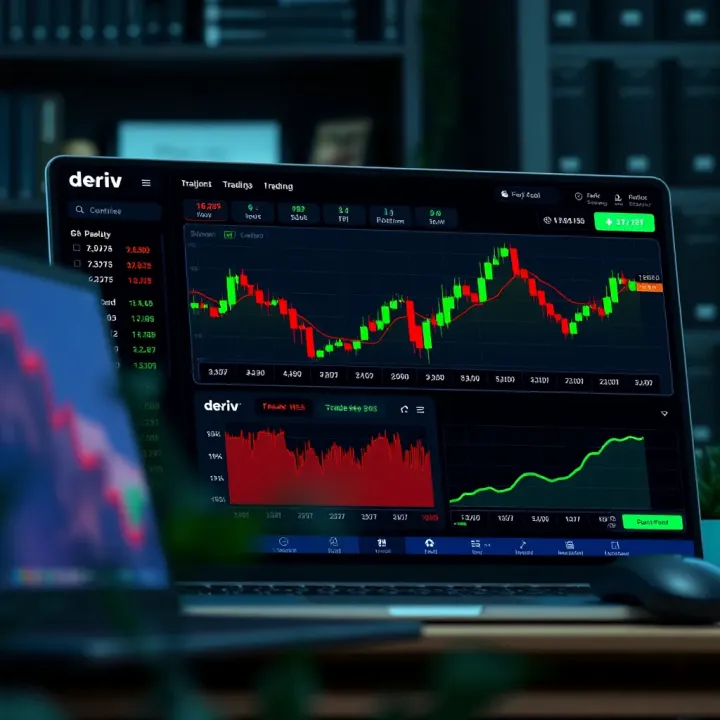
📊 Learn how Nigerian traders can effectively combine TradingView’s charts with Deriv’s platform for smarter trading decisions. Step-by-step tools and tips inside!
Discover how IQ Option works 🇳🇬 Learn about its features, usability, risks, and regulations to make smart trading choices in Nigeria 📊💹
Based on 14 reviews