
Understanding Trading Patterns in Nigerian Markets
📈 Master key trading patterns to spot market chances in Nigeria! Learn to read charts, apply strategies, and use PDFs for better trading skills today.
Edited By
Liam Foster
Trading bots are software programmes designed to automate buying and selling in financial markets, performing trades based on predefined rules. In Nigeria's rapidly evolving trading landscape, these automated systems help investors navigate market fluctuations more efficiently, especially in areas like forex, stocks listed on the Nigerian Exchange (NGX), and cryptocurrency markets.
The core advantage of trading bots lies in their ability to execute trades at high speed and around the clock, something difficult for human traders to match. For instance, an investor using a bot can set it to buy dollars when the exchange rate hits a certain level, then sell when profits meet a target, all without manual intervention. This feature helps to manage risks and seize opportunities even when the trader is away or asleep.
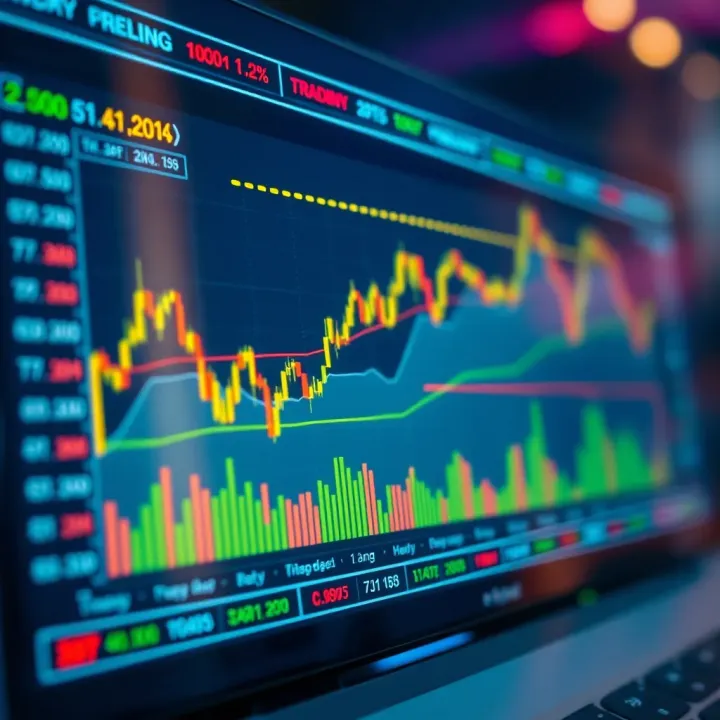
Bots operate by analysing market data — such as price movements, trading volumes, and technical indicators — using algorithms that follow strategies like trend-following, arbitrage, or mean reversion. A trader can choose from pre-built bots available on Nigerian platforms like Kuda or set up custom bots through more advanced services such as MetaTrader 4 or TradingView.
Automated trading is not a magic wand. While bots can reduce emotional biases and human errors, they depend heavily on the quality of their programming and market conditions. Nigerian investors should understand that bots require ongoing monitoring and adjustment to respond to local market quirks, including liquidity constraints and volatile naira exchange rates.
Key points to know about trading bots in Nigeria:
They perform fast and frequent trades, beyond human capacity.
Algorithms trigger trades based on technical signals or market news.
They work across markets: forex, NGX stocks, cryptocurrencies.
Proper setup requires financial knowledge and some tech skills.
Risk management features help limit losses automatically.
Understanding how these bots function provides Nigerian traders and analysts with practical tools to enhance their trading strategies. They form part of the growing fintech ecosystem reshaping how investments are managed in Nigerian markets.
Next, we will examine specific bot types and strategies used in local contexts, plus their benefits and limitations.
Understanding what a trading bot is and how it functions sets the stage for Nigerian traders and investors keen on smart, efficient market engagement. Trading bots automate the buying and selling of assets, working around the clock to seize opportunities faster than manual trading. This section breaks down their operation and core technologies, helping you grasp why they're becoming a key part of trading in Nigeria.
Automated trading explained: At its core, a trading bot is software programmed to execute trade decisions without human intervention. It analyses market data, including price movements and volumes, then places trades based on preset criteria. This automation allows traders to respond instantly to market changes, overcoming the lag and emotional bias that often comes with manual trading. For instance, a forex trader using a bot can capture brief price dips in the ₦/US$ rate without missing the window due to distractions or slow reactions.
Common uses in financial markets: Trading bots serve several roles—scalping small profits repeatedly, trend following, or exploiting arbitrage between exchanges. In Nigeria, many retail investors today deploy bots on platforms like Binance or Luno to manage cryptocurrency trades, which require fast reactions to volatile price swings. Institutional investors also use them to handle stock or Forex trades automatically, improving efficiency and consistency.
Algorithmic strategies: These are the mathematical rules embedded in bots to decide when and how to trade. Strategies can range from simple moving average crossovers to complex machine learning models forecasting prices. For example, a momentum strategy might instruct a bot to buy Nigerian equities once prices rise above an average for three consecutive days, betting on continued upward movement. The effectiveness of these algorithms depends on robust data analysis and sound strategy design.
Integration with exchanges and APIs: To operate, trading bots connect with financial exchanges through Application Programming Interfaces (APIs). These APIs give bots secure access to real-time market data and allow them to place buy or sell orders directly. Nigerian traders often use API-enabled platforms like NGX (Nigerian Exchange Group) or global exchanges supporting NGN pairs, ensuring seamless trade execution. Such integration reduces manual effort, lowers delays, and enhances precision in order handling.
Automated trading bots are rewriting how Nigerian investors engage the market—faster decisions, less emotion, and round-the-clock vigilance make them valuable tools when used wisely and with proper oversight.
In the Nigerian context, where market volatility and price swings can come suddenly—especially in Forex and crypto—understanding these basics empowers traders to use bots not just as gadgets but as strategic partners in their investment journey.
Understanding popular trading bot strategies helps traders orient their approach to markets, especially in Nigeria where market dynamics demand attentive risk and strategy management. These bots automate specific trading techniques, allowing traders to execute strategies faster and more consistently than manual trades would permit. Knowing how these strategies work and their practical uses can empower Nigerian investors to pick the right bot for their goals.
Trend following bots focus on the direction of asset price movements. They track signals such as moving averages or the Relative Strength Index (RSI) to identify whether a market is trending up or down. When the bot detects a strong upward momentum, it automatically buys the asset, aiming to ride the wave until indications suggest a reversal. Conversely, it sells or shorts when the trend weakens.
For Nigerian traders, this is valuable as markets like equities on the Nigerian Stock Exchange or cryptocurrencies traded on platforms like Binance Nigeria frequently experience bursts of momentum. These bots ease the burden of staying glued to price charts and executing trades precisely when markets shift.
A practical example is a trend-following bot programmed to use a 50-day moving average crossover on shares like Dangote Cement or MTN Nigeria. When the price crosses above the average, the bot buys; when it drops below, it sells. In the crypto space, bots might monitor Bitcoin or Ethereum momentum signals on platforms accessible to Nigerian users.
This strategy suits markets with clear directional moves, but it can struggle during sideways trends common in less liquid Nigerian stocks. Hence, combining trend bots with other tools is often recommended.
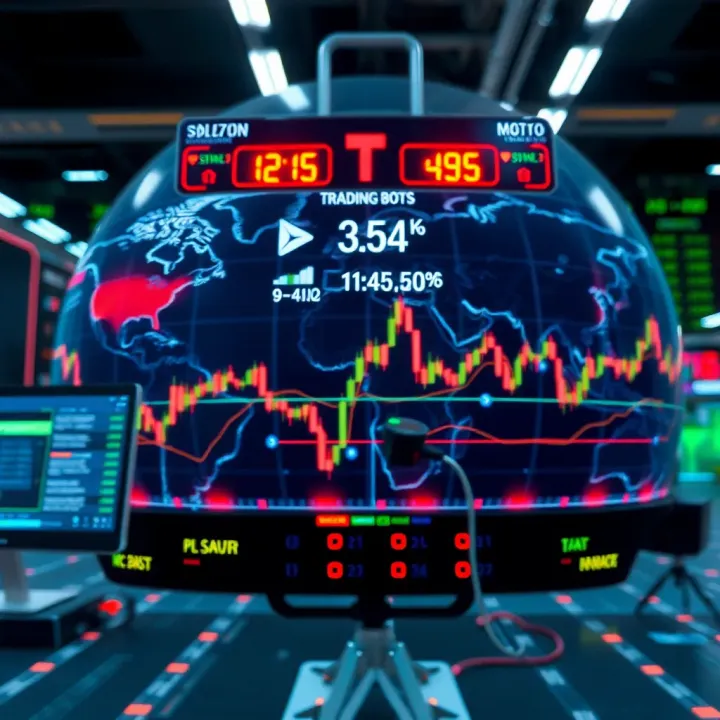
Arbitrage bots scan multiple exchanges to find discrepancies in asset prices. For example, Bitcoin might be ₦30 million on a Nigerian P2P exchange and ₦29.8 million on an international platform. The bot buys where it's cheaper and sells where it's pricier, pocketing the difference.
In Nigeria, where foreign exchange volatility and fragmented markets exist, arbitrage bots can exploit temporary gaps between local and international prices. However, execution speed and transaction costs like withdrawal fees determine the net profit.
Market-making bots place simultaneous buy and sell orders around an asset's current price. By doing this, they facilitate trading liquidity, earning profit from the spread between buy and sell prices. This is more than just profiting; it keeps markets active and reduces slippage, which benefits all traders.
For Nigerian crypto exchanges or emerging digital asset platforms, market-making bots help improve trading experience by ensuring orders fill promptly. Nigerian fintech startups can leverage these bots to build better ecosystems.
Risk control is central to successful trading. Bots allow users to set stop-loss orders, automatically selling assets when prices hit a defined downside threshold to limit losses. Similarly, take-profit orders lock in gains by selling when the price reaches a target level.
For Nigerian investors dealing with volatile instruments or forex trading with platforms like FXTM Nigeria, these features protect capital against sudden downturns. Automated triggers reduce the temptation to hold losing positions out of hope.
Proper position sizing ensures traders don't risk more than they can afford on any trade. Trading bots can be programmed to calculate trade sizes based on parameters like percentage of total capital or risk per trade.
This aspect is particularly useful for Nigerian retail investors who want disciplined risk exposure without manual calculations. By controlling trade sizes, bots help avoid huge losses from unpredictable market swings.
Effective trading bots blend solid strategies with smart risk management. Nigerian traders who understand how different bots execute and control risk are better positioned to make consistent profits while protecting their investments.
Trading bots have quickly become a popular choice among traders in Nigeria, especially with the rise of fintech platforms offering algorithm-driven solutions. Their ability to execute trades automatically offers practical benefits, but these come hand in hand with certain risks that every trader must know before jumping in.
One of the biggest advantages of using trading bots is their ability to watch the market non-stop. Unlike human traders, who need to rest or often miss ideal trading windows due to time zones or daily distractions, bots can trade around the clock without breaks. This is especially useful in markets like cryptocurrencies, where prices change every minute, day and night.
For Nigerian investors, this means no opportunity is missed, even when they are offline or asleep. For example, a trader in Lagos can program a bot to snap up Bitcoin when it dips at 3 am WAT, a time when it would usually be impossible to react manually. This continuous presence helps to capitalise on small price movements that add up over time.
Emotions like fear and greed often cloud judgment in trading, leading to impulsive buys or panic selling. Trading bots eliminate this human element by strictly following pre-set rules and strategies. This mechanical approach helps maintain consistency and discipline, crucial for long-term success.
In the Nigerian context, where many traders react emotionally to market rumours or naira volatility, bots help keep decisions logical. For instance, instead of dumping stocks during a sudden naira weakness scare, a bot would only act if the programmed parameters warrant a trade, avoiding costly mistakes born from panic.
No technology is perfect, and trading bots are no exception. Technical problems such as lag, connectivity failures, or bugs can cause trades to execute improperly or miss chances entirely. This risk is compounded in Nigeria where unreliable internet connections and power outages are common.
Moreover, security is a major concern. Bots connect to trading accounts through APIs (application programming interfaces), which if poorly secured, can expose accounts to hacking or fraud. Nigerian traders must ensure that bots and platforms employ strong encryption and two-factor authentication.
Overfitting happens when a bot is too specifically tailored to past market data and performs well in backtesting but poorly in real-time. Financial markets, including Nigerian equities or forex, are affected by sudden news, policy changes by the Central Bank of Nigeria (CBN), or global shifts that no algorithm can always predict.
Thus, bots cannot guarantee profits and may struggle during unexpected market events. Traders relying fully on bots without ongoing monitoring or adjusting strategies risk significant losses when market conditions shift quickly.
Trading bots offer valuable tools that can boost efficiency and discipline, but they demand cautious use, regular review, and robust security to navigate their inherent risks effectively.
In all, Nigerian traders should balance the advantages of bots with awareness of their drawbacks, blending automation with personal insight to make smarter trading decisions.
Trading bots have carved a niche in Nigeria's financial market, especially as digital trading evolves and fintech platforms deepen their reach. Nigerian traders now face volatile markets shaped by global and local factors — naira fluctuations, oil price swings, and macroeconomic shifts. Trading bots offer an edge by automating decisions, speeding up execution, and enabling disciplined strategies, which many human traders struggle to maintain amid constant news and price swings.
The rise of fintech companies in Nigeria has made automated trading tools more accessible. Platforms like Flutterwave, Paystack, and local digital brokers increasingly incorporate or partner with trading bot providers. Retail traders, often juggling full-time jobs and tight schedules, appreciate bots for their round-the-clock operation. For instance, some fintech apps now offer auto-invest features that use basic algorithms to manage portfolios, appealing to beginner investors who prefer a hands-off approach.
Institutional players are also warming up to this tech. Nigerian investment houses and asset managers exploring algorithmic trading see bots as useful for executing large orders without moving the market too much. They also rely on bots for monitoring multiple asset classes simultaneously, helping them spot market anomalies or arbitrage chances faster.
Local exchanges like NGX (Nigerian Exchange Group) and brokers are gradually adopting APIs and tech solutions for better bot compatibility. Although high-frequency trading hasn’t matured fully in Nigeria, basic integrations allow retail investors to connect trading bots with their brokerage accounts. This means bots can execute trades on NGX listed stocks or cryptocurrencies traded on local platforms like BuyCoins or Bitkoin Africa.
This integration reduces reliance on manual trade placement and helps users respond promptly to market moves. For example, a trader using bot software might link directly to an NGX brokerage like Leadway or Stanbic IBTC Securities, ensuring their algorithmic strategies run smoothly without delayed order submissions.
CBN’s stance on digital finance and trading bots remains cautious but progressive. While bots themselves are not directly regulated, the financial environment they operate within is subject to CBN oversight, especially concerning foreign exchange operations, crypto trading, and anti-money laundering (AML) measures. Traders using bots must comply with KYC (Know Your Customer) and ensure that their accounts are properly verified.
The CBN’s occasional clampdowns – such as the 2021 restrictions on cryptocurrency transactions – affect bot activities that link to crypto exchanges. Therefore, Nigerian traders and bot developers need to stay alert to policy changes, ensuring their strategies and platforms comply with evolving rules to avoid sudden disruptions.
Security remains a major concern for Nigerian users of trading bots. Given the cyber risks and scams around fintech, transparency about how a bot works, its data handling, and safeguards is crucial. Users should prefer platforms with clear audit trails and encryption standards.
Transparency also extends to bot performance reports and fee structures. Reputable providers avoid making unrealistic promises and provide verifiable backtests. Nigerian traders should demand open communication about risks and must never entrust their credentials to unknown or unverified bots.
In Nigeria’s dynamic market, using trading bots wisely involves balancing automation benefits with strict compliance and security vigilance. As fintech matures, bot adoption will likely increase, but users must tread carefully.
Selecting the right trading bot requires more than just picking a popular brand or attractive interface. Nigerian traders must assess how well the bot performs under real market conditions while considering security and privacy. Proper evaluation ensures the bot aligns with your trading goals and risk appetite. Using bots wisely mitigates losses and improves your chances of steady returns in Nigeria’s often volatile markets.
Backtesting results and live testing are vital in judging a bot's effectiveness. Backtesting involves running the bot’s trading strategies against historical data to see how it might have performed in past market conditions. For instance, a bot tested against the Nigerian Stock Exchange’s (NGX) past three years’ data may reveal its ability to handle periods of price swings or market disruptions. However, backtested success doesn't guarantee future profits because market conditions change.
To complement backtesting, live testing with small amounts lets you observe bot behaviour in real-time. This phase helps spot issues like delayed execution or unexpected losses that backtesting cannot predict. For example, a trader could deploy a bot with ₦50,000 first to monitor performance before fully committing significant capital.
Data privacy and platform reliability are equally crucial. Many trading bots require access to your brokerage account via Application Programming Interfaces (APIs). When granting access, Nigerian traders should confirm the platform employs strong encryption and does not store sensitive information unnecessarily. With cyberattacks rising, using bots linked to trusted fintech platforms like Paystack or Flutterwave can reduce risks.
Platform reliability also means there should be minimal downtime and fast server response to avoid missed opportunities or slippage in fast-moving markets like forex or cryptocurrency. Ensuring customer support is responsive adds another layer of security if technical help becomes necessary.
Start small and monitor closely when you first deploy a trading bot. It is tempting to invest heavy sums hoping for quick profits, but beginning with a small portion of your trading capital helps contain losses if the bot underperforms. Continually monitor trades and adjust settings based on observed behaviour, especially during volatile periods such as the ember months or election cycles when market swings can be sharp.
Combine bots with personal research rather than relying solely on automation. Trading bots execute rules but can miss nuanced market signals like geopolitical events or policy changes by the Central Bank of Nigeria (CBN). Nigerian traders should keep tabs on local and global economic news and understand fundamentals impacting assets listed on NGX or cryptocurrencies popular in Nigeria. Using bots to handle routine trades while staying personally involved in strategy leads to more informed decision-making.
The key to success in trading bots isn’t just automation — it is balancing technology with understanding, careful testing, and vigilance.
In summary, choosing and using a trading bot wisely means evaluating its track record and security, starting cautiously, and pairing automation with ongoing personal market insight. With these steps, Nigerian traders can make the most of what trading bots offer while managing risks smartly.
📈 Master key trading patterns to spot market chances in Nigeria! Learn to read charts, apply strategies, and use PDFs for better trading skills today.
🤖 Explore how AI trading bots work, their benefits, risks, and regulations in Nigeria's financial markets to make smarter trading decisions.
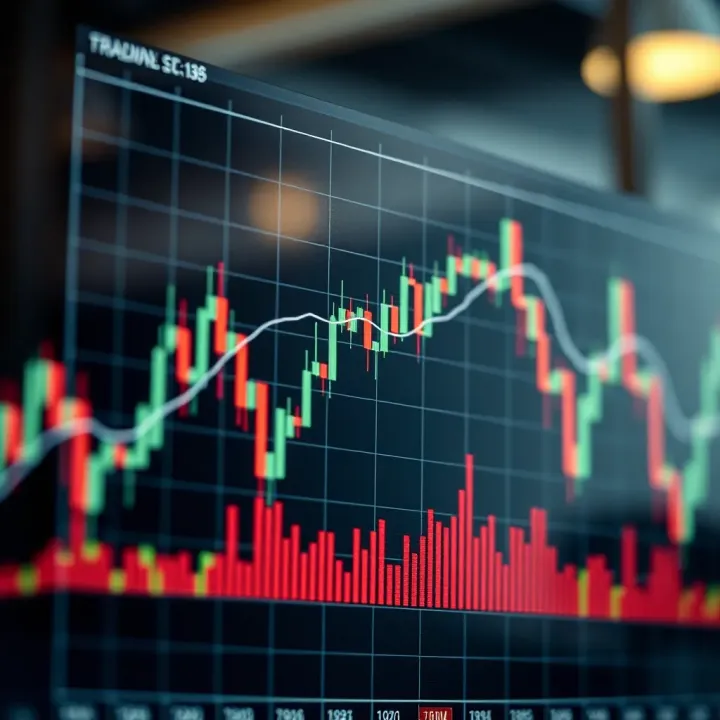
📈 Learn how surge trading helps Nigerian traders catch sharp market moves for quick ₦ gains. Discover strategies, tools, risks & local market tips to trade smart.

🚀 Explore coin trading in Nigeria with tips on how to start safely, spot risks, use local platforms, and navigate regulations for better ₦ investments.
Based on 12 reviews