

Benefits of Forex Trading Explained
Discover forex trading benefits including financial opportunities, easy access, flexible trading hours, skill growth, and risk management strategies 📈💼💡
Edited By
Liam Foster
Trading competitions have become a popular way for traders and investors to sharpen their skills while competing for real rewards without risking their own money. These contests simulate real-market conditions, allowing participants to test strategies and decision-making under pressure. In Nigeria's growing trading community, such competitions provide a practical platform to gain exposure and experience.
At their core, trading competitions pit participants against each other over a fixed period, usually days or weeks, to see who can generate the highest returns or achieve specific targets. Brokers, fintech platforms, and exchanges organise these contests, offering prizes such as cash rewards, gadgets, or even trading credit.

Participating in a trading competition is like taking a mock exam before the real one; you build confidence and learn from mistakes without losing your capital.
These contests often cover different asset classes, including forex, stocks, commodities, or cryptocurrencies. For instance, a platform might run a ₦500,000 forex trading competition over two weeks where the top five traders share the prize pool.
Competitions typically have clear rules on trading limits, instruments allowed, and entry fees (often waived or minimal). Some even feature live leaderboards for transparency and real-time competition.
Benefits include:
Risk-free practice: Hone your trading skills without risking your savings.
Competitive edge: Learn advanced tactics by observing top traders' approaches.
Networking: Engage with other traders from Nigeria and beyond, sharing insights.
Rewards: Winning cash prizes or bonuses provides extra capital to grow your portfolio.
On the other hand, trading contests can encourage overly aggressive trading to climb the leaderboard, which is risky in real markets.
Understanding the structure and aims of trading competitions helps traders prepare and make thoughtful choices. Nigerian traders especially benefit from these contests as they can access international markets through local brokers without committing large sums upfront.
The next sections will explain how these competitions work in detail, where to find the best Nigerian platforms hosting them, and practical steps to maximise your chances of success.
Understanding how trading competitions operate is key to getting the most from participating in them. These contests are designed to pit traders against each other in a controlled environment, often simulating real market conditions. For Nigerian traders, this means a chance to learn and test strategies without exposing themselves to heavy losses. Given the high volatility of global markets and the naira's unpredictability, this hands-on experience becomes all the more valuable.
At their core, trading competitions are structured contests where participants trade assets like forex, stocks, commodities, or cryptocurrencies to try and achieve the best returns within a set period. These contests may run for days, weeks, or longer. Typically, organisers provide a trading account with either virtual or real funds, and traders compete to maximise profits or meet other performance criteria. This format fosters learning, sharpens decision-making under pressure, and rewards disciplined trading.
Demo tournaments use virtual money, allowing traders to participate without risking real capital. This type is perfect for newcomers who want to understand market dynamics and practice strategies without stress. For example, a broker might set up a 2-week demo contest where traders compete with ₦1 million in virtual funds. It's a safe way to gain confidence before moving into live trading.
These contests involve trading with real money, often deposited by the participant or provided partially by the competition organiser as a bonus or credit. The thrill is higher here because actual profits and losses matter. For instance, a contest may offer ₦500,000 prize money, pushing skilled traders to perform at their best. Nigerian traders need to be cautious with live competitions, ensuring they understand the risks before committing.
Rather than just trading, some contests challenge participants to develop and submit trading strategies or algorithms. These are then tested on historical or live data. Such contests attract more analytical traders or fintech startups. Winning can lead to cash prizes or even job offers from trading firms. For Nigerian quants and developers, this is a chance to showcase skill and creativity beyond standard trading.
Most contests rank participants by their total profits or percentage returns over the contest period. The trader with the highest gain wins. This straightforward method rewards aggressive traders but may encourage excessive risks. For example, someone who turns ₦100,000 into ₦150,000 leads, regardless of the path taken.
Some competitions weigh returns alongside the risks taken, using metrics like the Sharpe ratio. This rewards consistent, measured trading rather than reckless bets. For Nigerian participants, this approach aligns better with sustainable trading, especially in volatile markets affected by naira fluctuations.
Another way winners are judged considers how consistently traders perform and their trade volumes. Contest organisers may favour traders with steady gains over sporadic wins, as this shows mastery and discipline. For example, a trader making regular, moderate profits can outrank one with fewer, larger but risky wins. This style suits traders who prefer steady income over big but uncertain payoffs.
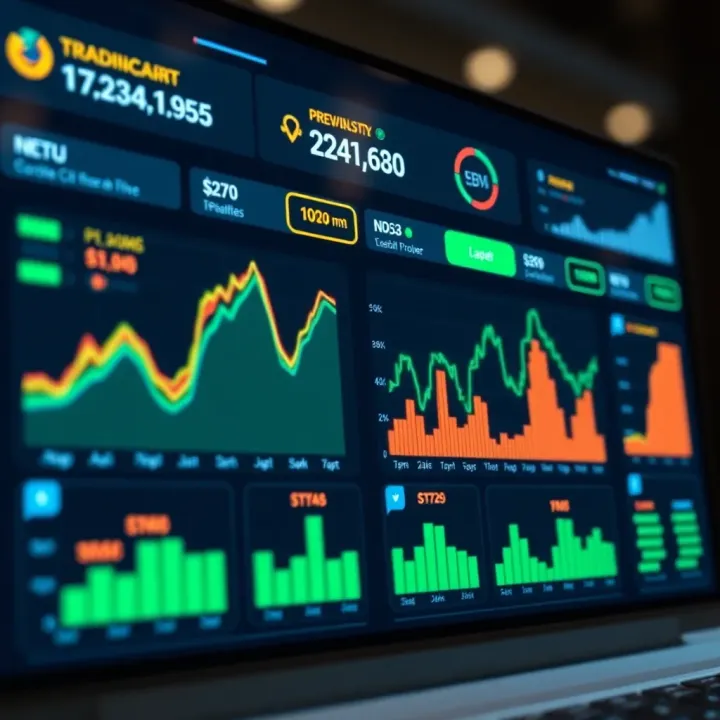
Joining trading competitions is not just about winning prizes; it’s a practical way to sharpen skills, spot weaknesses, and adapt quickly to market changes – all vital in Nigeria’s dynamic trading scene.
By understanding these operational aspects, traders can select contests that best fit their skill levels and objectives, manage risks properly, and position themselves for real gains beyond the competition stage.
Trading competitions provide unique opportunities tailored to the Nigerian trading landscape, blending risk-free learning with chances to earn real rewards. However, they also come with specific challenges requiring cautious navigation. Understanding both sides helps traders make informed decisions about participation.
Trading competitions often allow participants to operate with demo accounts or controlled funds, so traders can sharpen their skills without risking personal capital. This is especially valuable in Nigeria, where market volatility and forex restrictions can complicate learning. For example, a novice trader in Lagos can practice strategies during a contest hosted by local fintech without stressing over immediate losses, helping them build confidence before moving to live trading.
Many competitions offer ₦ prizes or trading bonuses that can boost a trader's account balance. Winning such rewards can provide much-needed capital for further trading in Nigeria’s tight liquidity environment. Plus, these cash prizes can serve as a financial cushion or seed money, especially for retail traders who rely on personal funds rather than institutional backing.
Competitions expose traders to real-time market conditions, requiring quick decision-making. This hands-on interaction with price moves, news events, and volatility is invaluable, especially in markets like Nigerian equities or forex pairs involving the naira, which can behave unpredictably. Participants learn to adjust their trading strategies based on actual market behaviour rather than theory, a vital experience for Nigerian traders facing frequent naira fluctuations.
Competitions' time limits and ranking systems may create intense pressure that leads to emotional decisions. Nigerian traders who juggle trading with other jobs or family responsibilities might find the added stress overwhelming, impacting their usual discipline. Such pressure can distort their usual risk management practices, increasing chances of substantial losses.
Trading competitions are no playground – they test not just skills but emotional stamina.
The urge to climb leaderboards might push participants into excessive trades, often with poor judgement. This is a common pitfall in Nigeria’s trading contests where the lure of quick profits is strong. Overtrading can erode capital rapidly, especially if strategies aren’t robust or market conditions shift unexpectedly.
Contest rules can be complex, covering eligibility, prize distribution, and account restrictions. Nigerian traders must carefully read these conditions to avoid unpleasant surprises, such as prize withholding due to non-compliance or misunderstandings about bonus withdrawal limits. For instance, a trader might win a bonus but later find it tied to stringent trading volume requirements before withdrawal, which can be frustrating.
In summary, trading competitions offer Nigerian traders practical benefits but also demand cautious engagement. Success involves balancing ambition with discipline and understanding the fine print thoroughly.
Excelling in trading competitions requires more than luck; it demands a well-thought-out approach tailored to the contest's unique pressures and metrics. Winning relies heavily on preparation, disciplined risk management, and emotional control. These elements help you not only compete but also sharpen the skills that will serve you beyond the contest.
A clear trading plan is the backbone of success in any trading contest. It should outline entry and exit criteria based on technical indicators or fundamental factors relevant to the market you’re trading. For example, in a forex contest, you might decide to enter trades when the Relative Strength Index (RSI) signals oversold conditions combined with a moving average crossover. This concrete plan limits emotional decision-making during the fast pace of competitions.
Additionally, setting realistic goals for daily profit targets and loss limits prevents reckless trading. Nigerian traders facing continuous naira volatility and market swings benefit from applying such structured strategies. Without a plan, you risk chasing profits impulsively, which often leads to consistent losses.
Risk management is critical in trading contests where every trade impacts your standing. Use position sizing to limit exposure, such as risking only 1–2% of your contest capital per trade. Avoid the temptation to increase trade size in chasing top spots, as overexposure can wipe out progress quickly.
Another useful technique is employing stop-loss orders to cap potential losses. For instance, if a stock price breaches a key support level, a stop-loss ensures you exit before losses balloon. Nigerian traders should heed this especially during volatile periods like the ember months, where market swings can be extreme.
Remember, successful traders focus on preserving capital first; profits come naturally with consistent risk control.
Trading contests intensify psychological pressure, making emotional balance vital. Traders often panic or become overconfident, leading to mistakes like overtrading or deviating from their plan. Anchoring your mindset with routines such as reviewing trade logs daily or practising breathing exercises can reduce stress.
It's common for even experienced Nigerian traders to get rattled by sudden market moves or leaderboard shifts. Keeping perspective—that contests are learning platforms—helps maintain composure. Consider having a peer group or mentor for support, which also encourages accountability.
In sum, these three strategies—building a solid plan, managing risk keenly, and controlling emotions—work together to give you an edge. They not only improve your chances in trading competitions but also build habits essential for long-term trading success in Nigeria’s dynamic markets.
Understanding which platforms offer trading competitions is key for Nigerian traders looking to sharpen their skills and gain rewards. These contests often come with distinct rules, rewards, and markets to trade on, so knowing each platform’s strengths helps you make informed choices. This knowledge can save you time, reduce frustrations, and maximise your chances of success.
OPay is one of the Nigerian fintech companies making waves by offering trading competitions that appeal primarily to retail traders new to financial markets. These contests often require low minimum deposits or offer demo accounts, creating a safe environment to practise without risking large sums. For example, an OPay trading contest might focus on forex pairs or commodities popular among Nigerian traders, offering prizes like cash, vouchers, or free trades. Besides OPay, platforms like PalmPay and Kuda occasionally run similar competitions, blending trading with mobile wallet and payment services. This crossover appeals to users familiar with mobile money, making participation more accessible for many Nigerians.
These fintech platforms usually have user-friendly mobile apps tailored for the local market, which means you can enter contests right from your phone without needing advanced trading software. Plus, the community-oriented approach often seen in these apps helps build motivation through leaderboards and social sharing.
On the other hand, international brokers like IG, XM, and FXTM have set up local operations or dedicated access points for Nigerians. These brokers offer larger-scale trading competitions spanning various asset classes—forex, indices, and cryptocurrencies. Their contests tend to have higher stakes and stricter rules but also bigger prize pools, sometimes reaching millions of naira.
Such brokers usually provide robust trading platforms like MetaTrader 4 or 5 and have support teams familiar with Nigerian trading conditions and regulations. Participating in their competitions can expose Nigerian traders to a more globalised market, advancing their skills significantly. However, the entry requirements may be steeper, including higher deposits or verified identities (often involving BVN or NIN checks).
To join a trading competition successfully, follow these steps:
Choose Your Platform Wisely: Start by researching platforms popular among Nigerian traders, noting the kind of competitions they host and their rules.
Register and Verify Your Account: Most contests require KYC (Know Your Customer), so have your NIN or BVN details ready for verification.
Understand the Competition Rules: Read the terms carefully—pay attention to trading hours, allowed instruments, entry fees, and prize structures.
Fund Your Account (If Needed): Some contests need real money deposits; others operate on demo accounts. Use local payment options like bank transfers or platforms like OPay for smooth transfers.
Download Necessary Trading Tools: Ensure your device supports the required app or platform. Test your connection and software before the contest starts.
Engage in the Contest: Trade according to your strategy but stick to rules. Track your performance through leaderboards provided by the platform.
Withdraw or Claim Prizes Promptly: If you win, know the withdrawal process and any tax obligations with FIRS or state agencies.
Participating in trading competitions through popular platforms improves your exposure to market mechanics while offering a chance to earn real rewards. Choosing the right platform and understanding the contest rules are vital for your trading journey in Nigeria.
Navigating platforms offering contests helps you make smarter choices—whether you prefer fintech simplicity or international broker sophistication. Always focus on platforms that blend ease of access with solid security and transparent terms.
Trading competitions in Nigeria are adapting swiftly due to various changes in the market environment. Understanding future trends helps traders anticipate opportunities and challenges, sharpening their edge in this growing niche. This section highlights three main areas shaping the future of trading contests: digital asset interest, regulatory shifts, and technology advances.
The excitement around cryptocurrencies and other digital assets has caught the attention of Nigerian traders, influencing the design of trading competitions. Platforms now host contests specifically focused on crypto trading, appealing to a young, tech-savvy crowd eager to profit from the volatility of bitcoin, ethereum, and altcoins. For instance, some fintech firms like OPay are integrating crypto contests with low entry barriers to engage more users. These digital asset contests offer realistic exposure without heavy initial investment, which is crucial in Nigeria's often high-cost trading environment. As blockchain technology gains traction, expect more contests centred on digital assets, including NFTs and decentralized finance (DeFi) projects.
Regulators in Nigeria continue to evolve their stance on trading and digital finance, impacting how competitions operate. Central Bank of Nigeria (CBN) policies on cryptocurrencies remain restrictive but are gradually paired with clearer guidelines. This regulatory evolution affects brokers and platforms sponsoring contests, as they must comply without stifling innovation. For example, brokers offering forex and stock trading contests must align with Securities and Exchange Commission (SEC) rules to ensure fair play and protect traders. Traders should closely watch these developments because changes in regulation can influence prize structure, contest eligibility, and even the types of assets allowed.
Staying informed about regulatory adjustments will allow you to participate confidently and avoid surprises that could affect your contest involvement.
Emerging technologies are changing how trading contests are organised and experienced by Nigerian traders. New trading platforms are leveraging artificial intelligence (AI) and machine learning to provide real-time analytics and personalised feedback during contests. Mobile technology improvements mean contests can now reach traders in remote areas, increasing participation beyond urban centres like Lagos or Abuja. Additionally, blockchain can introduce transparency in contest results, reducing disputes about fairness. Virtual reality (VR) and gamification elements are also starting to appear, making trading contests more interactive and engaging, which is vital for retaining interest over time.
In summary, traders in Nigeria who understand these trends will better navigate the evolving competition scene. Whether it’s getting involved in crypto contests, adapting to regulatory changes, or using tech tools for an advantage, forward-thinking traders position themselves for success ahead of others.
Discover forex trading benefits including financial opportunities, easy access, flexible trading hours, skill growth, and risk management strategies 📈💼💡

Discover how trading competitions in Nigeria boost your skills and offer chances to win ₦ prizes 🏆. Join the trading community and trade smart today!
📊 Discover how synthetic indices work and their trading benefits in Nigeria’s market. Learn risks, uses, and how they mimic real-world assets for smart trading.

Discover top trading platforms worldwide 🌍 That fit your style and goals. Compare features, gain insights & make smarter investing choices today! 📈
Based on 8 reviews