
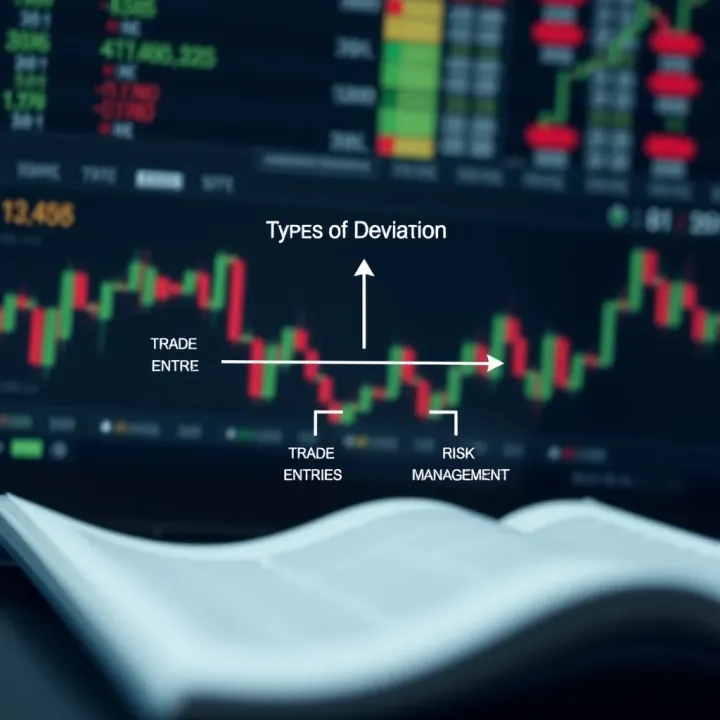
Understanding Deviation in Forex Trading
📉 Understand deviation in Nigerian forex trading, learn why it happens, how to manage risks, and boost your trading decisions effectively.
Edited By
Charlotte Turner
Forex trading has increasingly captured the interest of traders and investors worldwide, and it's no different here in Nigeria. Unlike some traditional markets, forex offers unique advantages, mainly because of its sheer size, accessibility, and the around-the-clock nature of trading. Whether you’re a seasoned broker or someone eyeing the world of currencies, understanding the benefits of forex trading pays off.
At its core, forex trading involves buying and selling currencies against each other, aiming to profit from those shifting exchange rates. It’s a market that runs 24 hours a day during the business week, allowing for flexibility unmatched by most other investment options. This means you can trade before breakfast or late into the night, fitting around your other commitments.
But beyond just the time and access, forex trading sharpens your analytical skills and financial savvy. You get to study global economic trends, central bank decisions, and geopolitical events all impacting currency values, teaching you to navigate not only the market but the broader economic landscape.
On the flip side, forex trading carries risks that shouldn’t be glossed over. Volatility can be a double-edged sword, bringing both opportunity and loss. The good news is that with informed strategies and risk management — like setting stop-loss limits — traders can minimize the downside while capitalizing on market movements.
Understanding these dynamics is vital; forex isn’t just a gamble but a field where know-how and strategy matter a great deal.
In this article, we’ll break down the key benefits forex trading offers, from financial opportunities and accessibility to the growth of trading skills and risk management techniques, all tailored to the Nigerian market’s conditions and traders’ needs.
Ready to cut through the jargon and get to what really matters? Let’s dive in.
Understanding forex trading is the foundation for anyone keen on making the most of this dynamic market. The forex market is vast, involving global currencies and offering countless chances to earn — but it’s not just about spotting trends or guessing where prices will go. Instead, it’s about grasping what’s happening behind the scenes and how different players influence price movements. When you know this, you can make smarter decisions and minimize avoidable losses.
The forex market, short for foreign exchange market, is where currencies from around the world are bought and sold. Imagine it as a giant marketplace where you’re constantly trading dollars for euros, or naira for pounds, depending on how strong you think each currency will be. Unlike other markets, forex has no single physical location; it operates 24 hours a day across different time zones, making it truly global and accessible.
This market’s scale is massive — approximately $6.6 trillion changes hands daily according to the Bank for International Settlements. This high liquidity means you can usually enter or exit trades quickly without much hassle. Whether you’re a weekend trader in Lagos or a financial analyst in Abuja, the forex market is open for business anytime you are.
Forex differs significantly from stock or commodity markets. For starters, it’s far less centralized and has greater liquidity. Where stock trading is limited to the exchange’s operating hours, forex runs non-stop, except weekends. This flexibility lets traders react to global events in real time, which is essential since currencies quickly reflect changes in economic policies, geopolitical tensions, or central bank actions.
Unlike stocks tied to companies, currencies reflect the overall economic strength and political stability of countries. For example, if Nigeria’s Central Bank raises interest rates, the naira might strengthen against other currencies. This interplay makes forex trading unique because you’re effectively betting on countries’ economic health instead of individual companies.
Retail traders are individual investors like you and me, accessing the forex market mainly through online trading platforms. Thanks to brokers like FXTM or IG, entry barriers are low — you don't need millions to start. These traders may focus on short-term movements or long-term trends, often leveraging educational resources and demo accounts to sharpen their strategy before risking real money.
Retail traders bring diversity and liquidity but must be cautious about over-leverage and emotional trading. For instance, a retail trader in Abuja might capitalize on the naira’s daily fluctuations against the dollar, spotting patterns informed by local economic news.
Major banks and financial institutions form the backbone of the forex market. They conduct huge transactions daily to facilitate international trade, hedge risks, or speculate. For example, Standard Chartered Bank’s forex desk might handle billions, balancing risks for multinational clients or investing their funds.
These players contribute significantly to the market's liquidity and often move prices because of the sheer size of their trades. Understanding their role helps retail traders anticipate large market movements that might affect their positions.
It’s easy to forget that many corporations and governments trade currencies, too. Companies like Dangote Group or government agencies frequently use forex markets to manage currency risk when doing business abroad. If a Nigerian company expects payment in euros but reports in naira, it might hedge via the forex market to prevent losses from unfavorable rate movements.
Governments also intervene sometimes to stabilize or influence their currency’s value. For instance, the Central Bank of Nigeria may buy or sell naira to control inflation or support export competitiveness. These actions can create ripple effects, offering opportunities or risks for everyday traders.
Understanding who trades in forex and why can provide crucial clues about market trends and potential price swings. This insight is a powerful tool for anyone looking to navigate the forex world successfully.
In summary, getting a clear handle on what the forex market is, how it differs from other financial markets, and the key participants involved, sets the stage for comparing its financial and personal growth benefits. Next, we’ll explore those advantages and see what makes forex trading stand out as an investment avenue.
Forex trading offers several financial benefits that make it stand out from other investment options. For traders in Nigeria and beyond, this market provides not just opportunities to grow wealth but also flexibility in how and when to trade. Understanding these financial advantages is key to appreciating why many investors turn to forex.
One major plus of forex is its round-the-clock trading hours. Unlike the stock market, which closes in the evening, the forex market starts Sunday evening (Nigerian time) and runs nonstop until Friday evening. This 24/5 accessibility means traders can react instantly to world events—whether it’s an unexpected Central Bank announcement or a geopolitical shake-up—without waiting for the market to open again. For example, a trader noticing a sudden drop in the USD/NGN rate can decide to buy or sell immediately, capturing opportunities outside regular business hours.
Liquidity in forex is so high that buying or selling currencies is generally quick and straightforward. This means traders don’t usually face big price gaps or delays when entering or exiting trades, which is a big relief — especially when fast decisions matter. For instance, if an investor spots a short-term trend breaking down in EUR/USD, they can close their position swiftly, avoiding large losses. This ease encourages active trading and lets traders manage their risk better since they can cut off bad trades promptly.
One fascinating aspect of forex is that profits aren't just limited to when the market is rising. Traders can also make gains during downtrends by "short selling" currencies expected to weaken. This dual-direction profit potential widens the chance to make money compared to many stock investments that typically rely on prices moving up. For example, if the Euro looks set to weaken against the dollar due to poor economic reports, a trader can take a short position on EUR/USD and potentially make a profit as the price falls.
Remember, in forex, bulls and bears both get a chance to seize opportunities, provided they understand market signals.
Forex brokers often offer leverage to traders, which means you only need a small fraction of the full trade value as margin. This amplifies potential gains since a smaller upfront investment controls a larger position. For example, with 100:1 leverage, putting up ₦10,000 lets you control ₦1,000,000 in currency. However, leverage is a double-edged sword; while it can magnify profits, it can also increase losses just as fast. Nigerian traders are advised to manage leverage cautiously and understand their broker's terms before diving in.
In summary, the financial perks of forex trading—thanks to its liquidity, accessibility, and flexibility—provide an edge for many investors. But wielding these advantages effectively requires knowledge, timely decisions, and tight risk controls. This foundation sets the stage for exploring other benefits like trading convenience and skill development in forex.
Flexibility and convenience stand out as major draws for many getting into forex trading. The market’s accessibility means traders aren’t chained to a desk or a single location—they can trade whenever and wherever. This ease of access lowers barriers, especially for those juggling other commitments or working non-traditional hours.
The backbone of modern forex trading is internet connectivity. Platforms like MetaTrader 4, MetaTrader 5, and apps from brokers such as IG or FXTM offer robust, easy-to-use tools that fit in the palm of your hand. These platforms provide real-time data, charting tools, and even automated trade capabilities. For instance, a trader in Lagos can catch a sudden market move while having breakfast or during a commute.
The ability to trade on-the-go means you don’t miss out just because you're away from your home or office.
This feature is especially useful for part-time traders. Many individuals cannot dedicate full days to trading but can engage during specific windows—say during lunch breaks or after work hours. The round-the-clock nature of forex helps here too, with overlapping currency markets allowing trading nearly 24/5. Part-timers can seize opportunities without abandoning their primary jobs.
Forex trading’s flexibility accommodates those who aren’t full-time investors. For example, a nurse working shifts may find trading after work or between patients convenient. With mobile trading apps, setting up alerts and preset orders means trades can happen without continuous monitoring.
This convenience means forex trading expands access beyond professional traders, inviting anyone with internet access to explore the market. The key lies in managing time efficiently and using the right tools to avoid burnout or missed chances.
Forex markets offer a wide spectrum of currency pairs, categorized broadly into major and exotic pairs. Major pairs—such as EUR/USD, GBP/USD, and USD/JPY—are the most frequently traded and tend to have tighter spreads, high liquidity, and plenty of daily volume. These features appeal to traders looking for smoother trade execution and lower transaction costs.
Exotic pairs pair a major currency with a currency from emerging or smaller economies, like USD/TRY or EUR/ZAR. These pairs tend to be more volatile and have wider spreads. While riskier, they offer traders chances to capitalize on unique market moves that major pairs might not present.
One of the often-overlooked benefits of forex trading is the ability to diversify within a single market. Traders can allocate capital across different currency pairs, balancing between safer major currencies and higher-risk exotic ones. This spreads risk and may stabilize returns over time.
Diversification also allows responding to global economic trends—for example, a trader might go long on USD/CHF while shorting EUR/JPY based on differing economic outlooks.
Choosing from a broad range of pairs enables traders to tailor strategies to their risk tolerance and market views, making forex a versatile trading arena.
In summary, the flexibility and convenience of forex trading reflect in where, when, and how one can trade, combined with a rich selection of currency pairs to suit diverse trading styles and objectives.
Forex trading isn't just about making quick profits; it’s a powerful tool for building valuable skills that extend beyond the market itself. Developing these skills can sharpen your analytical thinking, improve your discipline, and help manage risks effectively. These capabilities are crucial in navigating the ups and downs of forex, and they provide a solid foundation for trading success.
Economic indicators—like GDP, unemployment rates, and inflation data—are the bread and butter of forex analysis. Knowing how to read and interpret these indicators can help traders anticipate currency movements tied to national economic health. For instance, if a country reports higher-than-expected inflation, its central bank might raise interest rates, generally strengthening that currency.
Learning this means keeping an eye on reports from organizations such as the Nigerian Bureau of Statistics or the U.S. Bureau of Economic Analysis, and understanding what the numbers imply for currency pairs like USD/NGN. It’s not just about memorizing data points but understanding the story they tell and what moves might follow.
Technical analysis offers traders a visual approach to market trends. By studying price charts and patterns—like support and resistance levels, moving averages, or RSI (Relative Strength Index)—you can spot potential entry and exit points. For example, seeing a “double bottom” pattern on the EUR/USD chart might suggest the currency pair is poised to climb.
Grasping these basics helps traders back decisions with concrete data rather than guesswork. Platforms such as MetaTrader 4 or TradingView provide user-friendly tools for beginners to practice these techniques without risking real money.
One of the best habits a forex trader can build is setting stop losses and take profits before entering a trade. Stop losses help cap potential losses by automatically closing a trade at a predetermined price, while take profits lock in gains.
For example, if you buy GBP/USD at 1.3000, you might set a stop loss at 1.2950 and a take profit at 1.3100, limiting your downside while securing profits if the market moves your way. This practice prevents emotional decisions like holding losing trades too long or jumping out too early.
Forex trading can be an emotional rollercoaster. Fear and greed often lead to impulsive moves that erode profits. Learning to manage these emotions is a skill that develops over time and often separates successful traders from the rest.
Simple tactics include sticking to a trading plan, taking breaks after losses, and avoiding “revenge trading”—trying to quickly recover losses by doubling down. Regular self-reflection or journaling trades might help track emotional patterns, improving decision-making with every session.
Skill development is not an overnight process, but the daily grind of improving your analytic skills, discipline, and emotional control will build your confidence and trading acumen.
By focusing on these areas, forex traders gain more than just the ability to make money; they sharpen their mind and grow their confidence in managing uncertainties, which is priceless in the fast-paced currency markets.
Managing risk is a big deal in forex trading. Without a proper grip on risk, even small setbacks can quickly snowball into big losses. This section highlights how good risk management isn’t just a safety net but a strategy that lets traders stick around long enough to reap the benefits of forex trading. Staying sharp with risk controls helps keep emotions in check and makes sure losses don’t wipe out your account.
Staying updated with market news is like having your finger on the pulse. Forex markets are super sensitive to global events—be it central bank announcements, political changes, or sudden economic reports. For instance, if the US Federal Reserve hints at raising interest rates, the USD could strengthen quickly. Traders who are plugged into such news can adjust their positions before the market swings wildly.
It’s not just about reacting but also anticipating. Reliable sources like Bloomberg, Reuters, or local financial news can give traders a leg up. Beyond headlines, understanding the broader picture—like how trade wars affect currency flows—helps traders avoid rash decisions that come from surprises. Essentially, this constant education is what separates smart traders from gamblers.
Reflection is key. After every trade, good traders review what went right or wrong. It's not merely about the win or loss but analyzing the decision-making process, strategy execution, and emotional control.
Practical steps include journaling trades with notes on entry points, stop losses, and mindset at the time. Over time, patterns emerge—for example, realizing you sometimes hold on too long hoping for a reversal, which usually clips your profits. Spotting these tendencies helps you tweak your approach and get sharper.
Learning from past trades is like having a personal coach guiding your progress, making sure each trade builds your skill instead of draining your account.
The risk-reward ratio is a straightforward yet powerful tool every forex trader should grasp. This ratio compares the potential loss on a trade to the possible gain. For example, a 1:3 risk-reward ratio means you'd risk $100 to make $300.
Traders aiming for a positive risk-reward balance ensure even if they only win half the time, they can still be profitable overall. It’s a way to think smart—protecting your downside while chasing a bigger upside.
When setting trades, look at your stop-loss level versus the take-profit target. A poor ratio, like 1:1 or worse, might mean you're risking too much for skinny gains. Adjusting your strategy to improve this ratio directly helps in limiting losses and boosting profitability.
Position sizing determines how much of your trading capital you commit to a single trade. This control directly impacts how much you can lose if things don’t go as planned.
A common rule of thumb is risking no more than 1-2% of your account on any trade. For instance, if you have ₦100,000, risking ₦1,000 to ₦2,000 per trade keeps your losses manageable, even in a string of bad trades.
Proper position sizing allows you to stay in the game longer. Bigger positions may feel exciting but often lead to quicker blowouts. On the flip side, sizes too small might cause frustration when profits seem slow to accumulate.
Effective position sizing is like pacing yourself in a marathon—steady and controlled, not a sprint that burns you out early.
By combining ongoing education with these practical risk-limiting strategies, forex traders build a resilient approach. Managing risk isn’t just about avoiding losses but about creating conditions to trade consistently and confidently over the long haul.
When looking at forex trading, it’s easy to get caught up in the bright side—potential profits, round-the-clock flexibility, and the skills you pick up along the way. But before jumping in, it’s important to take a step back and consider the full picture. This conclusion ties together what’s been discussed, highlighting both the perks and the pitfalls to keep in mind.
Forex trading isn’t a walk in the park. While the financial rewards can be impressive, the risks are just as real. Being aware of these helps traders avoid nasty surprises down the line. For instance, while leverage can boost gains, it can just as quickly amplify losses if you’re not careful. So, balancing excitement with caution is key.
It’s also vital to recognize that the flexibility forex offers comes with the need for discipline. Trading anytime, anywhere might sound like a dream, but it requires a solid routine and control over impulsive moves. Without this, confusion and losses can pile up fast. Having a plan and sticking to it often separates successful traders from the rest.
Finally, the skills gained through trading—like market analysis and risk management—are valuable beyond just forex. They sharpen your financial acumen, helping in other investments and money decisions. But developing these skills takes time and patience.
"Trading forex is a balancing act. Enjoy the perks but respect the challenges."
Forex offers access to a huge market with high liquidity. This means you can quickly enter and exit trades without much hassle—important when market conditions change on a dime. Plus, the use of leverage means you can control bigger positions with a smaller upfront investment. Take the British Pound (GBP) against the U.S. Dollar (USD); a savvy trader might spot short-term opportunities whether the market is climbing or dipping. However, this potential for profit also means careful monitoring is a must to avoid heavy losses.
One major draw of forex trading is that it operates 24 hours a day, five days a week. This suits people with different schedules—whether you’re trading part-time alongside a day job or full-time. Mobile apps like MetaTrader 4 or 5 have made it possible to trade from anywhere in Nigeria, from Lagos traffic jams to quiet homes in Abuja. Also, with countless currency pairs—from major ones like EUR/USD to exotics like ZAR/JPY—you have plenty of choices to diversify your trading portfolio based on your comfort level.
Trading isn't just about chasing profits—it’s a journey of learning. Understanding how global events influence currencies, mastering technical tools like RSI or MACD, and managing risk through stop losses build a strong foundation. These skills train your brain to think critically under pressure and manage emotions—a vital combo not only in trading but in everyday life too. For example, learning to keep calm during a sudden market dip can help in other stressful situations.
Jumping into forex without knowing the risks can be a recipe for disaster. Market volatility, geopolitical events, or unexpected news releases can spark sharp currency swings. It’s crucial to understand that losing money is just part of the game. Traders should always practice risk management strategies like setting stop losses and never risking more than they can afford to lose. For instance, starting with a demo account can give hands-on experience without jeopardizing real funds.
Not all brokers are created equal—especially in forex. A trustworthy broker should be regulated by reputable authorities like the Financial Conduct Authority (FCA) in the UK or the National Futures Association (NFA) in the USA. In Nigeria, traders often look for brokers with solid reviews and transparent operations, like FXTM or IG Markets. Beware of brokers promising guaranteed returns or those with unclear fee structures. Taking the time to research and pick the right broker can save a lot of headaches later on.
Balancing these benefits and challenges equips you to approach forex trading with a clearer mindset. It’s not just about chasing profits but making informed decisions to build a sustainable trading practice.
📉 Understand deviation in Nigerian forex trading, learn why it happens, how to manage risks, and boost your trading decisions effectively.
📉 Learn how margin and leverage work in forex trading, understand margin calls, and get smart tips to manage your risks effectively in the FX market.
📉 Learn how mitigation in forex trading helps reduce risks and protect your investments. Discover practical tools and smart strategies to balance risk and reward.
Learn how forex spreads affect your trading costs and strategies 📉. Discover types, influencers, and ways to manage spreads for smarter trades 💡.
Based on 10 reviews