
Understanding Trading Signals for Nigerian Traders
📈 Explore trading signals in-depth for Nigerian traders! Learn types, sources, risks, benefits & tips to make smart moves in local & global markets.
Edited By
Laura Mitchell
Trading competitions have become a popular way for traders in Nigeria and across the world to sharpen their skills and stand a chance to win attractive prizes in naira. These contests bring together individuals who trade in forex, stocks, cryptocurrencies, or commodities on specific platforms over a fixed period.
At their core, trading competitions challenge participants to generate the highest returns or achieve specific targets using virtual or real funds. This creates a competitive but controlled environment where traders test strategies without risking their entire capital.

Usually, a trading competition lasts from a few days to several weeks. Traders register through brokers or fintech companies offering these contests, often with no entry fee, making it accessible to a broad audience. For example, a popular forex broker might organise a monthly competition where traders compete to achieve the highest percentage profit with an account of ₦100,000 virtual funds.
Entry and Registration: Participants sign up, often providing basic verification such as BVN or NIN to access the contest.
Trading Period: Traders execute deals within the competition timeframe using stipulated platforms or accounts.
Performance Metrics: The leaderboard updates in real time, ranking traders by criteria like profit percentage, risk management, or volume traded.
Rewards: Top performers win prizes like cash (₦), gadgets, or increased trading limits.
This system encourages disciplined trading, as reckless moves usually lead to quick elimination from the contest. It also offers a unique platform for new traders to learn from observing strategies of the top contenders.
Participating in trading competitions provides valuable experience and helps traders build confidence before committing large sums to live markets.
In addition to skill enhancement, many Nigerian brokers use these competitions to build communities where traders share ideas and market insights. This social aspect adds an extra layer of engagement rare in regular trading.
Understanding the mechanics and benefits of trading competitions arm you better, whether you aim to compete professionally or simply refine your trading edge.
Trading competitions provide traders a platform to showcase their skills by competing with others under specific market conditions and time frames. These contests are often designed to offer practical exposure, letting traders test strategies with real or demo funds while aiming for rewards. In Nigeria, the rising interest in such competitions reflects growing sophistication among retail traders and professionals aiming to sharpen their edge.
At their core, trading competitions are organised contests where participants trade financial instruments within defined rules and time limits. The main goal is to identify top performers based on metrics like portfolio growth or risk-adjusted returns. For many, competitions serve dual purposes: improving trading skills by simulating real-market pressures, and competing for cash prizes or attractive incentives. This combination is particularly appealing in Nigeria, where access to formal trading education can be limited.
These contests focus on currencies like the US dollar, euro, or Nigerian naira pairs, as well as commodities such as crude oil, gold, and agricultural products. Nigerian traders often engage in these due to the country's exposure to oil and forex markets, which are integral to the economy. Practical benefits include learning to analyse global news impacts and mastering leverage responsibly in volatile markets.
Stock trading contests usually revolve around major exchanges like the Nigerian Stock Exchange (NGX). Traders compete by building portfolios of equities, focusing on stocks with high liquidity such as Dangote Cement or MTN Nigeria. These competitions highlight stock selection skills and timing, important for retail investors who want to grow wealth over the medium term without reckless risks.
Given Nigeria's rapid adoption of cryptocurrencies, markets like Bitcoin, Ethereum, and popular altcoins feature in many contests. These competitions attract traders keen on the fast-paced crypto space, where volatility can create quick opportunities and losses. Besides skill development, such contests familiarise participants with crypto exchanges like Binance or Luno, improving their digital asset management.
Most trading competitions follow clear rules to ensure fair play. These include a fixed initial capital (real or virtual), set trading hours, and specific instruments allowed. Formats vary from leaderboard-style rankings, where traders compete for the highest returns, to point systems factoring in risk management to discourage reckless trading. Sometimes, participants trade on demo accounts to lower barriers, while others require verified accounts with real funds.
The key to success in trading competitions is understanding the contest structure thoroughly and adapting strategies to fit within those constraints.
Overall, trading competitions offer practical benefits like real-market experience and community engagement. For Nigerian traders, they provide a cost-effective avenue to develop market skills and compete for valuable rewards without the full financial risk of independent trading.
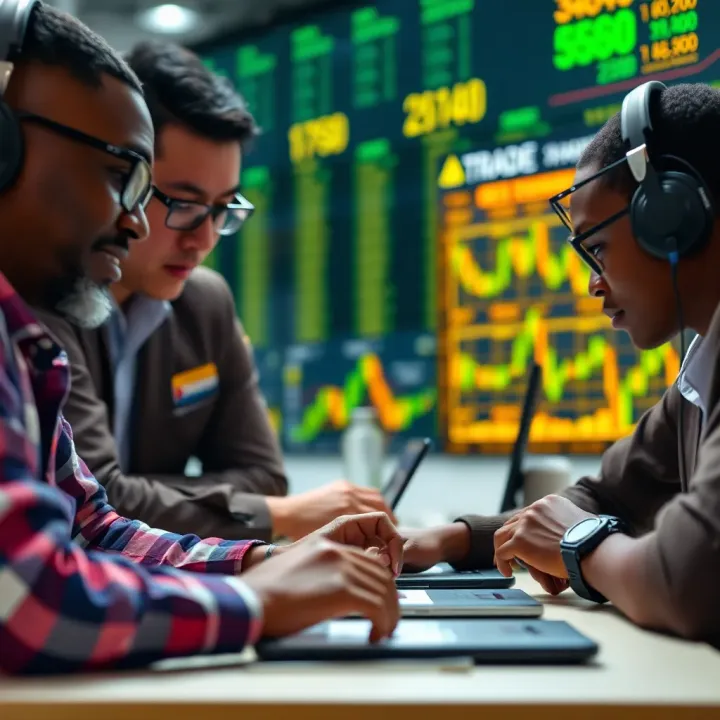
Trading competitions have become quite popular among Nigerian traders, not just for the prizes but for the real opportunities they create. These contests offer an environment where traders can sharpen their skills while navigating actual market conditions, something that many find invaluable given the volatility of Nigeria's financial markets.
One of the major draws is the chance to develop trading skills with real market exposure. Take forex trading, for instance: during competitions, traders deal with live currency pairs, experiencing price moves and news impacts just like in everyday trading. This hands-on practice helps build confidence and develops quick decision-making, vital traits for success. For many Nigerian traders who primarily learn from online tutorials or theory, this practical engagement is a huge step forward.
Beyond improving skills, trading competitions often come with cash prizes and other rewards that add motivation. Some contests in Nigeria offer prizes ranging from ₦100,000 to millions of naira, which can significantly boost a trader’s capital or serve as seed money for further ventures. Sometimes, organisers also provide gadgets like smartphones or access to premium trading tools as benefits. These tangible rewards turn skill-building into a more rewarding experience and encourage sustained participation.
Joining these competitions also opens doors to networking within Nigeria’s growing trading community. Through forums, social media groups, and live events, participants connect with peers, mentors, and even brokers. This network can lead to shared strategies, tips on navigating local market quirks like naira volatility or intermittent power outages affecting trading setups. In a market where collaboration often trumps isolation, these connections could prove crucial for long-term success.
For Nigerian traders, trading competitions are more than just contests — they serve as practical ground for skill refinement, financial gain, and community integration.
Success in these competitions depends on understanding the rules, consistent strategy, and managing risks well. But the real takeaway is the unique blend of learning, earning, and networking that they offer Nigerian traders at different levels.
Selecting the appropriate trading competition can significantly affect your experience and success. Each competition differs in scope, rules, and credibility, so taking the time to evaluate them carefully will save you wasted efforts and potential risks. Nigerian traders, especially those new to contests, must prioritise understanding the organiser, rules, and entry demands before committing.
The organiser behind a trading competition directly influences its integrity and prize delivery. Reputable brokers like FXTM, Alpari, and platforms such as Binance and NairaEx often host contests with clear guidelines and timely payouts. You should research the organiser’s track record, checking for reviews and any complaints on Nigerian trading forums or social media groups. For example, a contest run by a broker registered with the Nigerian Securities and Exchange Commission (SEC) or regulated by the Central Bank of Nigeria (CBN) tends to be more trustworthy.
Avoid competitions linked to unknown or unregulated entities. Many fake contests promise huge prizes but disappear when it’s time to pay. Participating in credible contests offers not only fair competition but also learning opportunities and genuine networking benefits.
Before joining, read the competition’s rules carefully. These conditions cover essential points such as contest duration, eligible trading instruments, minimum trading volumes, and how winners are determined. Some contests require trading specific assets like forex pairs or cryptocurrencies, so make sure your trading style fits.
Also, check withdrawal policies for competition winnings, as some organisers impose high withdrawal thresholds or charge fees. For instance, certain contests may demand you maintain a minimum account balance after the event to keep your winnings. Understanding such fine print can prevent unpleasant surprises after the competition ends.
Not all trading competitions require entry fees. Free contests often attract many participants but may offer smaller prizes. Paid contests usually have bigger prize pools but might be restrictive or have higher risk.
In Nigeria’s context, calculating entry costs in ₦ and comparing them with potential rewards is vital. For example, if a contest charges ₦50,000 to enter but offers a ₦1 million prize pool, it might be worthwhile if your chances are strong. However, consider your current capital – risking a large sum just to enter might not be sensible.
Entry requirements may also include account verification with documents like BVN (Bank Verification Number) or NIN (National Identification Number). Ensuring you meet these beforehand saves time and frustration.
Choosing a trading competition isn’t just about the prize money; it’s about the legitimacy of the organiser, clear understanding of rules, and sensible entry conditions to protect your funds and time.
By taking these factors into account, Nigerian traders can select a competition that not only challenges their skills but also aligns with their financial capacity and trust standards. Trading smart means starting with the right contest from the outset.
Competing effectively in trading competitions requires more than just good instincts; it demands careful planning, disciplined risk management, and learning from the community. Successful traders tailor their strategies to fit contest rules, manage emotions during high-pressure situations, and continuously seek insights from others' experiences. Below are key approaches to help you maximise your chances in any trading contest.
Every trading competition has unique rules that affect how you should approach your trades. A solid trading plan must align with these conditions from the start. For instance, if the competition resets balances daily or limits the number of trades per day, your strategy should adapt to make the most of these constraints.
Consider a forex contest where profits reset weekly but losses carry over. Here, a conservative strategy limiting losses and locking gains early might outperform aggressive trading. Your plan should clearly define entry and exit criteria, position size, and target profit levels, developed specifically for the contest’s framework.
Furthermore, timeframes matter: short-term trading suits fast-paced contests, while swing trading works better in longer events. Creating a plan before the contest helps keep emotions in check and avoids impulsive decisions, especially when live leaderboard positions tempt overtrading.
Even in competition, protecting your capital remains essential. Overtrading or taking high-risk positions to climb the leaderboard fast often backfires. The thing is, one bad trade can wipe out gains accrued from days of careful work.
Implementing stop-loss orders and setting maximum loss limits per day safeguard your account. For example, if you decide not to lose more than 2% of your virtual balance in a day, you reduce the risk of ruin and pressure on the next day.
Besides monetary risks, psychological pressure can lead to reckless choices. Take breaks when needed and avoid chasing losses. Competitions may tempt traders to deviate from their usual style, but consistency matters more in the long run. In Nigerian markets, volatility and unexpected news events can amplify risks, so be ready to adjust.
Trading contests offer more than prizes; they are great learning platforms. Observing how top performers trade, the strategies they use, and how they handle market changes provides valuable lessons.
Many contests share detailed reports or allow participants to review past leaderboards and trade histories. Studying these can reveal trends and common pitfalls. You may notice, for example, that winners in crypto contests often combine technical analysis with strong discipline rather than relying on high-risk gambles.
Networking within trading communities, whether on social media platforms or specialised forums, broadens your understanding. Hearing firsthand tactics from experienced traders sharpens your approach and keeps you updated on new tools or market conditions relevant to trading competitions.
Remember, trading contests simulate real markets but under competitive stress. Strategy, risk control, and learning from others can be the difference between finishing last or securing top prizes.
In short, focus on crafting a tailored plan, managing risks prudently, and continuously learning. These elements build skill and confidence beyond the contest and serve you well in actual trading.
Trading competitions attract many participants because of their promise to build skills and offer rewards. However, it's essential to understand the risks and challenges involved to avoid pitfalls that could harm your trading career or finances.
The pressure to perform can affect even the most disciplined traders. In a competition setting, the urge to outperform others might trigger emotional decisions instead of rational ones. For instance, chasing losses or doubling down on risky trades can lead to significant setbacks. Behavioural biases like overconfidence and confirmation bias often intensify during contests, causing traders to overlook warning signs or market signals. A Nigerian trader competing in a forex challenge might ignore key economic indicators just to keep up with the leaderboard, risking major losses.
The desire to climb the ranks quickly might push contestants to trade more frequently than usual or increase position sizes without proper risk assessment. Overtrading in the heat of competition leads to higher transaction costs and exposes traders to avoidable losses. Take the case of a crypto trading competition in Lagos where a participant might place big bets on volatile tokens to grab attention, only to wipe out their capital swiftly. Managing risk within the competitive environment is vital—setting stop-loss orders and sticking to predefined trade sizes can help maintain control.
Sadly, not all trading competitions are legitimate. Some fraudulent setups lure traders with promises of big prizes, only to scam participants by withholding winnings or requiring unreasonable fees. Nigerian traders must verify the credibility of organisers, checking for registration with regulators like the Securities and Exchange Commission (SEC) Nigeria when relevant. Genuine contests often provide clear terms and transparent prize distribution. If you encounter a competition requesting large upfront payments or personal data without proper safeguards, it's best to steer clear.
Participating in trading competitions can sharpen your skills and offer exciting rewards, but always balance enthusiasm with caution. Recognising these risks helps you prepare better and trade smarter.
By understanding these challenges, Nigerian traders can engage in competitions with greater confidence and safeguard their interests effectively.
📈 Explore trading signals in-depth for Nigerian traders! Learn types, sources, risks, benefits & tips to make smart moves in local & global markets.

📈 Discover copy trading essentials for Nigerian investors! Learn how it works, benefits, risks, and practical steps to start smart investing today.
📊 Learn how margin shapes your forex trades, its risks, and margin calls. Get practical tips tailored for Nigerian traders managing forex margins wisely.

Discover how margin operates in trading and business within Nigeria 🇳🇬. Learn types, risks, and practical tips to manage margin confidently and smartly 📊💼.
Based on 9 reviews