

Understanding Olymp: Meaning and Uses
🌍 Discover the meaning and uses of 'Olymp' in Nigeria and beyond. Learn its history, tech, sports, and language applications, clearing up common mix-ups.
Edited By
Thomas Fletcher
In the fast-paced world of cryptocurrency, the term "hodl" has become more than just slang—it represents a distinct investment approach. Originally a typo of "hold" on a Bitcoin forum in 2013, hodl gained popularity as a rallying cry to resist panic selling during sharp price drops. Today, it stands for a long-term mindset where investors keep their crypto assets despite market volatility.
For Nigerian investors navigating a fluctuating market, understanding hodl offers practical value. Rather than frequently trading to chase quick profits—a strategy vulnerable to Nigeria’s unstable forex rates and platform challenges—a hodl stance encourages steady accumulation. This approach reduces transaction costs and avoids emotional decision-making common during downturns.

Hodling means planting your stake in crypto and resisting the urge to sell even when prices fall sharply. It’s a test of patience and confidence, especially vital in markets with wild swings like Bitcoin or Ethereum.
This concept influences investment strategies in several ways:
Risk management: Instead of getting caught in daily price swings, hodlers absorb volatility and focus on potential future gains.
Cost efficiency: Less frequent trading means fewer fees on exchanges or transfer costs on platforms like Binance, Luno, or local exchanges.
Emotional discipline: Hodl reduces impulsive reactions, which can often lead to losses during market panics.
Consider a Nigerian trader who bought ₦500,000 worth of Bitcoin in early 2020 during a dip caused by global uncertainties. Despite market dips through 2021, they resisted selling, knowing hodl meant enduring the storm. By mid-2023, Bitcoin’s partial recovery ensured the investment grew beyond ₦1 million, factoring in naira’s fluctuating value.
Overall, hodl is not just about holding cryptocurrencies blindly. It’s about having a clear strategy that recognises crypto’s inherent risks while patiently awaiting value appreciation over time. For Nigerian investors, combining hodl with regular market review and caution can create a disciplined path in a volatile environment.
Understanding the term 'hodl' is essential for anyone involved in cryptocurrency trading or investment, especially in volatile markets like Nigeria's. At its core, 'hodl' refers to the practice of holding onto digital assets rather than selling them during price dips. This simple strategy can help investors ride out wild swings, avoiding panic sales that often lead to losses. For instance, early Bitcoin adopters who held their coins through multiple crashes have seen significant gains — a clear proof of hodling's benefit when patience meets market recovery.
The term 'hodl' originated from a typo in a Bitcoin Talk forum in 2013. A user intended to write "hold" but misspelt it as "hodl," a mistake that soon became famous. It was related to a post expressing frustration over a sudden Bitcoin price drop, but the misspelling took a life of its own, resonating with the crypto community.
This small slip captured the anxiety and resolve of many investors facing sharp market swings. It represented a determination to keep hold of their assets despite uncertainty, a sentiment very much alive in today's crypto space.
The original forum post was a mix of emotion and irony amid a Bitcoin plunge. The author declared "I AM HODLING," signalling that they were refusing to sell despite the downturn. This declaration struck a chord, spreading quickly among investors who faced similar dilemmas.
The post's viral nature helped 'hodl' become a rallying cry for enduring the crypto rollercoaster. It highlighted that in crypto investments, sometimes the best move is to simply stay put rather than react impulsively.
Over time, 'hodl' evolved beyond a typo into a cultural meme within the crypto community. It symbolises a stubborn, sometimes humorous, faith in the long-term value of cryptocurrencies.
Crypto influencers and traders use 'hodl' to encourage resilience. The term shows up in discussions, social media, and investment advice, reminding investors that patience can pay off when markets recover.
'Hodl' started purely as a typographical error but gained meaning as a meme, illustrating how language adapts in digital communities. It’s a great example of how mistakes, if embraced, can shape culture and investment philosophy.
In practical terms, 'hodl' has come to represent more than just holding; it embodies staying calm when market prices swing wildly. This mindset is especially important in Nigeria, where currency volatility and economic uncertainty can tempt investors into rash decisions.
Though 'hodl' began as a typo, the community gave it a backronym: "Hold On for Dear Life." This phrase captures the spirit of enduring tough market periods without giving in to fear.
This outlook is important in crypto trading, where prices can drop sharply but also have potential for strong rebounds. For Nigerian investors, holding on can protect wealth from local currency depreciation and inflation pressures.
Modern investors use 'hodl' to express their commitment to long-term growth rather than quick profits. By adopting 'hodl', they acknowledge risks but focus on potential future rewards, avoiding panic selling during downturns.
In the Nigerian context, hodling cryptocurrency can act as a hedge against naira weakness. For example, someone holding Bitcoin or stablecoins might mitigate losses during periods of naira volatility, making the hodl strategy not just about patience but also practical financial protection.

In volatile markets, 'hodl' isn't just slang; it's a strategy that blends patience with resilience, helping investors weather storms and position for eventual gains.
'Hodl' began as a typo but now signals long-term holding.
It encourages ignoring short-term panic during market drops.
For Nigerian investors, it can help shield value amid naira volatility.
This understanding sets a base for exploring how hodling shapes investment choices and risk management in crypto today.
Hodling is more than just holding cryptocurrency—it informs a whole approach to investment that accepts volatility while aiming for long-term gains. Understanding how hodling shapes strategies helps investors manage risks and benefits effectively.
Cryptocurrency markets are notoriously volatile, with price swings often sharper than traditional assets. For example, Bitcoin’s price can change by 10% or more within a single day, triggered by news, government regulations, or market sentiment. These fluctuations may unnerve many, but hodlers see this as part of the territory, not a moment to panic.
Holding through volatility means resisting the urge to sell during downturns, expecting that the asset’s value will rebound over time. This approach fits the crypto market's pattern, where major crashes often preceded significant recoveries, proving that patience can pay off.
Long-term holders benefit by avoiding transaction costs and capital gains taxes that come with frequent trading. They also sidestep the emotional stress that comes with trying to time the market. Hodling allows you to let your investment mature, often yielding better results than short-term speculation.
One vivid example is Bitcoin’s crash in December 2017, when its price tanked from nearly $20,000 to around $3,000 by December 2018. Many who held on saw Bitcoin rally past $60,000 within three years after, reaping massive gains. Similarly, dips in early 2022 showed strong recoveries later that year, underscoring hodling’s potential.
While hodling can be rewarding, it also involves risks—especially potential losses during extended downturns. If a cryptocurrency fails due to technology flaws or regulatory crackdowns, hodlers may suffer complete losses. Therefore, blindly holding every asset without research can be dangerous.
The difference between hodling and neglecting your portfolio lies in active management versus passive waiting. Hodling means holding despite short-term swings but staying updated on fundamental changes. Neglect means ignoring signs that your investment’s outlook is worsening and missing chances to adjust.
There are times when selling is wiser, such as when:
Your investment no longer aligns with your financial goals
Market signals suggest prolonged decline
You need liquidity for urgent expenses
Recognising these moments requires discipline, clear planning, and realistic assessment, not emotion-driven panic.
Hodling isn’t about crossing your fingers and hoping; it’s about steady commitment balanced with informed decisions.
In sum, hodling shapes cryptocurrency investment strategies by advocating patience through volatility, but it must be paired with vigilance to avoid losses and know when to pivot.
Cryptocurrency investing in Nigeria carries unique challenges and opportunities that make hodling a practical approach for many local investors. The Nigerian market faces specific economic and infrastructural issues that influence how people manage their crypto assets. Understanding these factors is key to appreciating why hodling resonates strongly with Nigerian traders and investors.
Nigeria's naira has experienced significant volatility over the years, often losing value against major currencies like the US dollar. This instability affects savings and investments denominated in fiat, pushing many Nigerians to explore alternatives like cryptocurrency. When the naira weakens sharply, holding crypto assets can protect wealth from erosion, but constant price swings in both fiat and crypto markets require patience and a long-term mindset, which aligns with the hodling strategy.
Nigeria's regulatory environment for crypto remains uncertain. The Central Bank of Nigeria (CBN) has issued restrictive guidelines that limit bank dealings with crypto exchanges and traders, creating operational challenges. Such unpredictability discourages frequent trading since converting crypto to naira can be cumbersome or expensive. As a result, many investors prefer to hold their crypto assets until the regulatory scene clears up, avoiding short-term exposure to legal and financial risks.
Reliable internet and power supply remain inconsistent in many parts of Nigeria. These issues hinder active trading or frequent portfolio checks, since accessing exchanges or wallets can be challenging. Hodling reduces the need for constant online activity, allowing investors to maintain control over their crypto without daily market monitoring. It suits Nigerians managing power outages and spotty internet connections common especially outside urban centres.
By converting portions of their savings into cryptocurrency, Nigerian investors can reduce exposure to naira depreciation. Holding crypto long term enables them to preserve value that fluctuates less unpredictably than the local currency. This tactic is practical especially during periods of sharp naira declines when the cost of living spikes and savings quickly lose purchasing power.
Hodling encourages Nigerian investors to avoid knee-jerk reactions to market dips or hype. Given the double-edged risk from local economic pressures and crypto volatility, a steady approach can help balance potential losses and gains. For example, investors who held bitcoin during the 2021 naira slump and 2022 crypto downturn likely saw better outcomes than those who sold amid panic.
Nigeria's inflation rates have reached double digits at times, diminishing the value of cash holdings. Cryptocurrencies with limited supply, like bitcoin, offer an alternative hedge by potentially appreciating over time or holding value better than naira. Hodling crypto positions investors to benefit from this hedge while avoiding frequent, costly trades.
Hodling in Nigeria is more than a trend; it reflects practical steps to protect wealth amid currency instability, regulatory doubts, and infrastructural hurdles. Many Nigerian investors see it as a form of financial resilience in a challenging environment.
This approach requires patience and informed decision-making, but for many, it is a sensible path to navigate the volatile Nigerian crypto landscape.
Many newcomers to cryptocurrency assume hodling means simply leaving their assets untouched, but this is far from the reality. Clearing up these misconceptions helps investors use hodling effectively within their broader strategies and avoid pitfalls.
Active portfolio monitoring is essential even if you decide to hodl your crypto assets. While the idea encourages holding through fluctuations, it doesn’t mean ignoring market news, regulatory updates, or wallet security. For example, if a particular coin faces a security breach or the platform suffers downtime, timely intervention could save your investments. Hodling requires vigilance to ensure holdings aren’t compromised by avoidable risks.
Besides monitoring, hodling fits best when incorporated into a wider investment approach. You might combine it with selective trading or using stop-loss orders to manage risk. The strategy isn't about blindly sticking to your crypto no matter what but rather about knowing when to hold firm while still keeping options open. Some savvy investors hold major coins like Bitcoin while taking profits on altcoins that spike unexpectedly.
Research and timing also play critical roles in successful hodling. A strong foundation of knowledge about the underlying assets, market cycles, and global economic factors sharpens your judgement. For instance, someone who understood how inflation impacts crypto demand would better withstand short-term dips. Proper timing might mean entering a hodl position after thorough analysis, rather than impulsively buying during hype.
Holding digital assets through thick and thin does not eliminate market risk. Cryptocurrencies remain highly volatile, and prices can dive for months or even years. No strategy, including hodling, can erase the fundamental risks of the market. Investors must remain aware that losses are possible and prepare accordingly.
Additionally, the choice of assets matters greatly. Hodling a well-established coin like Bitcoin or Ethereum generally carries different risk profiles than holding unproven tokens. Some altcoins fade away or lose all value due to poor development or scams. Hence, selecting assets with solid track records, active development teams, and real-world use cases supports more resilient hodling.
Knowing when to exit a position is another critical skill. Even the best assets may not rise indefinitely. An investor who refuses to sell during long downturns could lock in losses instead of cutting them early. Setting realistic targets and stop points help manage this downside. To put it plainly, hodling requires discipline to take profits or cut losses when market conditions or fundamentals shift.
Hodling calls for careful attention and a flexible mindset. It is not a passive sit-back approach but rather an informed, strategic choice in managing cryptocurrency investments.
Understanding these misconceptions prepares you to approach hodling with eyes wide open, maximising its benefits while reducing avoidable risks.
Figuring out whether hodling fits your investment style is key before committing your funds. Holding crypto long term has its upsides but also risks, so assessing your personal situation helps avoid surprises down the road. This section breaks down the main factors that influence a hodl decision.
Personal financial goals shape how you approach crypto. If you aim for quick gains to cover short-term expenses, hodling might not be wise since cryptocurrencies can swing wildly in the short run. However, if your goal is to build wealth steadily over years, holding without panic-selling can pay off — especially if you expect digital assets to grow in value over time. For example, a young professional saving for a home down payment in five years might benefit more from hodling than someone needing cash soon.
Time horizon for investment directly impacts your hodl capacity. Longer horizons allow you to ride out the notorious daily or weekly volatility common with crypto prices. Say you plan to invest ₦500,000 in Bitcoin and leave it untouched for five to ten years — chances are higher that dips will be followed by recoveries, leading to gains. On the other hand, expecting to convert your holdings into cash within months may expose you to short-term losses, as crypto markets can be quite unpredictable.
Emotional tolerance for price swings tests your resilience during market turbulence. Some investors can watch prices drop 20% in a day but stick to their plan; others may panic and sell prematurely. Knowing your comfort level here matters because hodling means resisting the urge to sell amid rough patches. For example, during the 2017 crypto crash, many lost nerves and exited their positions, missing the rebound in the following years. Honest self-reflection on how volatility affects your mood and decisions helps prevent costly mistakes.
Choosing reliable wallets and exchanges is fundamental to safe hodling. Not all platforms offer the same level of security or ease of access. For instance, Nigerian investors often prefer well-known exchanges like Binance or Luno, as well as hardware wallets that keep keys offline. Selecting wallets with strong user reviews and legal compliance minimizes the risk of hacks or sudden account freezes, which can lock you out of your investment.
Keeping security top priority goes beyond picking the right wallet. Use two-factor authentication (2FA), avoid sharing private keys, and remain wary of phishing scams. Crypto theft is increasingly common in Nigeria due to phishing or SIM swap fraud. Taking extra steps such as regularly updating passwords and storing backup seeds offline helps protect your digital assets. For hodlers intending to keep crypto for years, maintaining robust security practices avoids irreversible losses.
Regularly reviewing your portfolio doesn't mean active trading but involves checking your holdings to ensure they still align with your goals. Market developments, new regulations, or changes in your financial life could justify rebalancing. For example, if a certain coin in your portfolio shows signs of stagnation or risk, you might decide to diversify or convert part of your crypto into stablecoins for safety. Quarterly or biannual reviews strike a good balance between stability and necessary adjustments.
Effective hodling is not about blindly holding on; it’s a thoughtful strategy shaped by your financial aims, patience for ups and downs, and commitment to security and vigilance. Making a clear decision upfront helps you avoid emotional pitfalls and positions you better for potential crypto rewards.
🌍 Discover the meaning and uses of 'Olymp' in Nigeria and beyond. Learn its history, tech, sports, and language applications, clearing up common mix-ups.
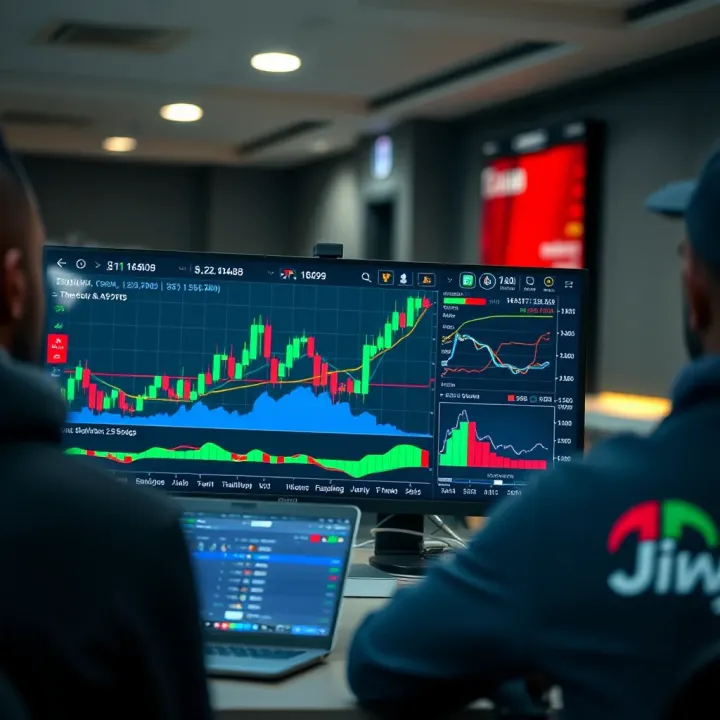
Discover how TradingView's charts, social network, and mobile tools help Nigerian traders analyse markets and make smarter decisions ₦️📈 Start trading wisely today!

Discover how trading competitions in Nigeria boost your skills and offer chances to win ₦ prizes 🏆. Join the trading community and trade smart today!
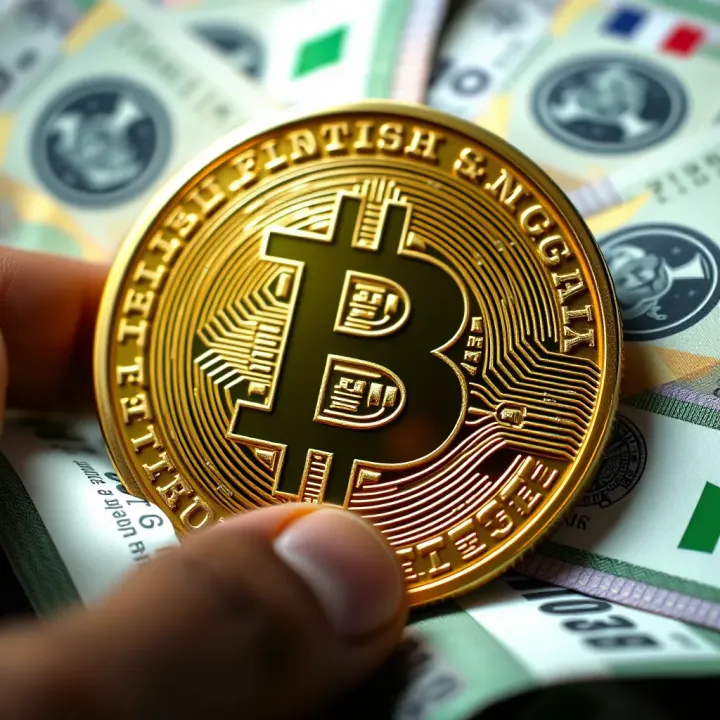
Learn how Bitcoin works and its role in Nigeria’s finance sector 💰. Get tips on buying, storing, and using Bitcoin safely amid local regulations 🇳🇬.
Based on 5 reviews