
TradingView Guide for Nigerian Traders
Explore TradingView’s features, charts 📊, and broker integrations for Nigerian traders. Boost your strategies with tools & local market insights!
Edited By
Emily Watson
TradingView has become a key tool for many Nigerian traders looking to sharpen their market analysis and make well-informed decisions. It’s an online platform that bundles advanced charting tools with live market data and even social networking features. This mix helps traders and investors across different asset classes stay on top of price movements and market trends.
For a Nigerian trader, TradingView offers something more than just charts. You get access to real-time data on global stocks, forex, commodities, and cryptocurrencies – all in one place. Instead of jumping from one source to another, you can track your favoured instruments and analyse them with comprehensive indicators.
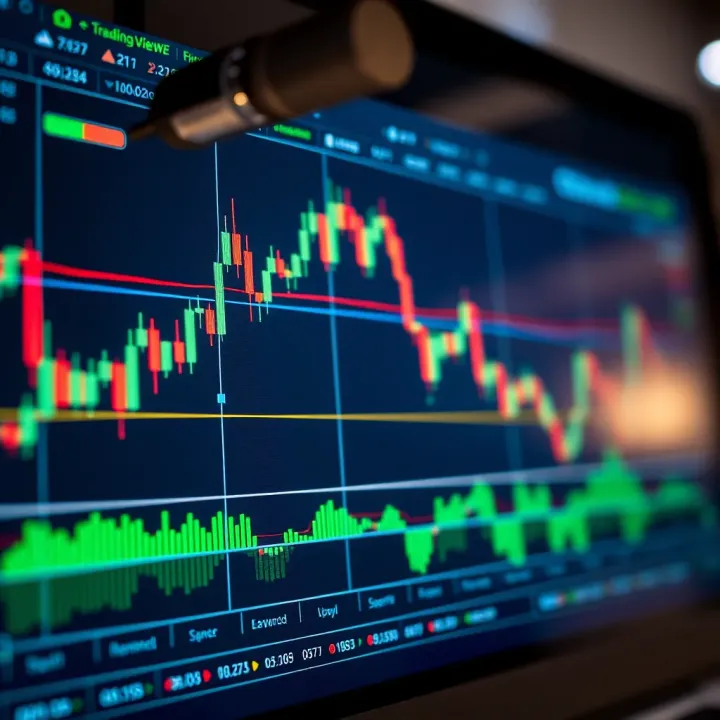
One big advantage is TradingView’s user-friendly interface. Even if you’re not a professional analyst, the platform makes it easy to read candlestick patterns, apply technical indicators like Moving Averages and Relative Strength Index (RSI), and set alerts for key price levels. If you trade forex pairs like USD/NGN or stocks listed on the Nigerian Exchange (NGX), this tool simplifies the process of spotting entry and exit points.
Beyond charts, the social aspect on TradingView connects you with a large community of traders worldwide, including many Nigerians. You can see live ideas, share your analyses, or follow experienced traders to learn new strategies. It’s like having a virtual traders’ forum where you gain insight without leaving your desk.
For Nigerian investors juggling volatility and naira exchange rate concerns, TradingView’s ability to offer swift updates and detailed technical views can reduce guesswork and boost confidence.
In this guide, we'll break down how TradingView works, focus on its features most relevant to Nigerian traders, and give practical tips on using it effectively in a market known for its ups and downs. Whether your interest is in forex, NGX stocks, or cryptocurrency, understanding how to navigate TradingView will give you a tactical edge.
This first section sets the stage. Subsequent parts will explain the tools in detail, show how to read charts reliably, and suggest how to blend TradingView insights with local market realities, such as power supply challenges or import-driven price shifts that affect asset values.
TradingView has become a go-to platform for many Nigerian traders due to its versatile tools and accessible features. By understanding what it offers, traders can better utilise its functions to enhance decision-making and improve trading outcomes.
TradingView provides highly interactive charts that allow traders to study price movements in real time. For instance, you can draw trend lines, Fibonacci retracements, or support and resistance levels with ease. This is particularly helpful for Nigerian traders who rely on technical analysis to time their entries and exits in markets like the NGX or forex pairs.
Moreover, TradingView includes a wide selection of technical indicators, from popular ones like the Relative Strength Index (RSI) and Moving Average Convergence Divergence (MACD), to custom scripts made by community members. This gives traders flexibility to adapt analyses to different markets and trading styles.
TradingView covers an impressive mix of asset classes, including equities, forex, cryptocurrencies, commodities, and indices. Nigerian traders can track local stocks from the Nigeria Stock Exchange alongside global giants like Apple or Tesla — all in one interface. This broad data coverage makes it possible to diversify research and spot opportunities beyond the local market.
For example, if a trader follows the naira-dollar exchange rate while monitoring tech stocks, TradingView supports viewing these assets together, helping to identify correlations affecting portfolio performance.
Another vital feature is the ability to set personalised alerts on price levels, indicators, or even custom conditions. This can save a trader from staring at their screen all day. In the Nigerian context, where internet disruptions or power challenges may occur, automated alerts ensure traders don’t miss critical price movements.
Watchlists let you group favourite assets to monitor them efficiently. For example, a trader may maintain separate lists for NGX blue-chip stocks and forex pairs, making navigation quicker when the market gets busy.
TradingView facilitates sharing trade setups and charts publicly or privately. Nigerian traders can post their analyses, seek feedback, or even inspire others with creative strategies. This interactive aspect turns trading from a solitary exercise into a more engaging experience.
For example, a trader might share a detailed chart explaining why they expect MTN Nigeria’s stock to rally based on a breakout pattern, inviting discussion from fellow traders.
Beginners and intermediate traders can follow more experienced market participants whose insights and trade ideas provide valuable learning opportunities. It’s like having access to a virtual mentorship without the high cost.
Following reputable traders helps newcomers see how theory translates into actual trades and understand risk management through shared analyses.
TradingView supports real-time discussions on specific charts or trading ideas, enabling Nigerian traders to join communities or groups relevant to their interests. Discussions often cover market news, technical readings, or economic data impacting instruments like oil prices or the naira’s exchange rate.
This collaborative environment allows traders to refine their views, adjust tactics promptly, and stay informed on developments they might otherwise miss.
Despite some connectivity challenges, TradingView’s combination of advanced tools and a lively community creates a practical platform for Nigerian traders aiming to navigate both local and international markets confidently.
In summary, TradingView offers Nigerian traders an all-in-one solution that blends technical analysis, comprehensive market data, and social interaction, making it easier to respond to market changes and improve trading skills over time.
TradingView offers Nigerian traders a unique opportunity to access both local and international markets with advanced tools. Its platform is particularly valuable as it brings market data, social features, and technical analysis accessible in one place, helping traders make informed decisions despite infrastructural challenges like erratic power supply or internet fluctuations.
The Nigeria Stock Exchange (NGX) is an essential part of TradingView for Nigerian investors. Through TradingView, traders can view NGX-listed stocks like Dangote Cement, GTBank, or MTN Nigeria in real-time or near real-time. This gives users price charts, volume patterns, and indicators tailored to Nigerian market hours.
For instance, a retail trader monitoring Lafarge Africa’s stock can set alerts for price movements or track candlestick patterns to identify potential entry points. Accessing NGX on TradingView simplifies tracking local equities alongside global assets without hopping between different platforms.
TradingView also opens doors to major global markets including the New York Stock Exchange (NYSE), London Stock Exchange (LSE), and NASDAQ. Nigerian traders who want to diversify their portfolio beyond local stocks can easily track multinational companies like Apple, Shell, or Bayer with detailed charts and news.
This capability is practical for traders looking to hedge against naira volatility by investing in foreign stocks or ETFs. For example, a Nigerian investor following the CBN’s monetary policy and naira trends might simultaneously monitor US tech stocks while managing their local holdings.
Forex trading remains highly popular among Nigerian traders, and TradingView supports this with live currency pairs such as USD/NGN, EUR/USD, and GBP/USD. The platform offers advanced charting and indicator tools that help traders spot trends amid Nigeria’s fluctuating naira exchange rate.
Similarly, cryptocurrency markets like Bitcoin, Ethereum, and Binance Coin gain vast attention. TradingView enables traders to analyse crypto price movements, compare asset performance, and join vibrant discussions on crypto strategies, which is useful given the rapid growth of crypto adoption in Nigeria.
Having forex and crypto data alongside stocks on one platform allows for easier portfolio balancing and timely reactions to market swings.
New traders in Nigeria often struggle with where to start, but TradingView offers an intuitive interface and educational resources. Beginners can use pre-set chart templates, follow experienced Nigerian traders, and access tutorials to understand basics like support, resistance, and trend lines.
For example, a novice can simulate trades on TradingView’s free plan to practice without risking real money. This hands-on learning boosts confidence while reducing trial-and-error losses in live markets.
Traders with some market experience benefit from TradingView’s comprehensive technical analysis tools. Features such as multiple time-frame viewing, over 100 built-in indicators, and custom scripting via Pine Script enable refined analysis.
An intermediate trader might combine relative strength index (RSI) with moving averages to time entries on Nigerian stocks or forex pairs. Advanced users, particularly those running swing or day trades, will appreciate the ability to overlay fundamental data or create multi-chart layouts for simultaneous market surveillance.
For portfolio managers and professional traders in Nigeria, TradingView supports sophisticated risk management and asset allocation. Setting customised alerts aligned to market hours, integrating economic calendars, and exporting chart data helps them execute strategies effectively.
Institutions managing pension funds or wealth portfolios can track Nigerian and global assets in real-time, adjusting positions swiftly when, say, CBN policy announcements affect market sentiment. Furthermore, collaborative features allow professional traders to share insights and coordinate strategies seamlessly.
In all, TradingView adapts to the Nigerian trader’s level, offering a platform that grows with skills and ambition while connecting local investors to global markets and modern tools.
Starting with TradingView may feel a bit daunting for Nigerian traders new to such advanced tools. However, understanding how to set up properly and navigate the platform is crucial for making timely, accurate decisions in local and global markets. This section breaks down practical steps from account creation to using the interface effectively.
Opening an account on TradingView is straightforward and takes just a few minutes. You’ll provide your email address, create a password, and confirm via a verification link sent to your inbox. This simple setup grants access to key features, allowing even beginners to begin exploring charts and market data immediately. For Nigerian users, it’s advisable to register with an email linked to your smartphone or laptop to manage logins easily and receive timely alerts.
TradingView offers free and paid subscription plans, with costs tailored to different levels of usage. While the free plan grants basic charting and limited indicators, premium options unlock multiple chart layouts, extended historical data, and faster alerts—features that suit active traders or professionals managing diverse portfolios. Many Nigerian traders find the Pro or Pro+ plans cost-effective given their affordability (in US dollars) and the added value over time. Trial periods let you test these plans before committing, so it’s wise to start free and upgrade when certain features become necessary.
Customising your TradingView dashboard helps reduce screen clutter and improves focus on relevant data during busy market sessions. You can select chart colour themes—such as dark mode for less eye strain during late-night trades common in Nigeria—or set default timezones to West Africa Time (WAT) to match local market hours. Personalising chart layouts and watchlists saves time and makes your trading experience more efficient.
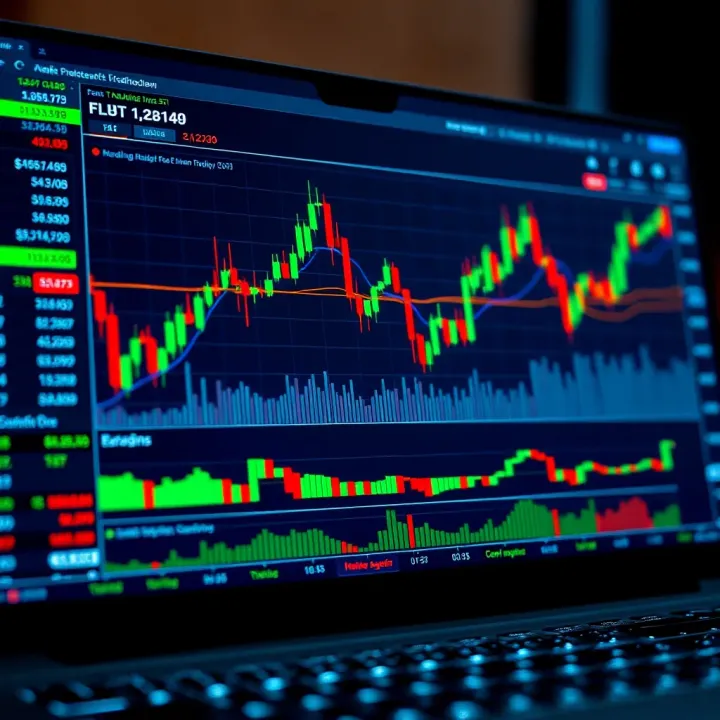
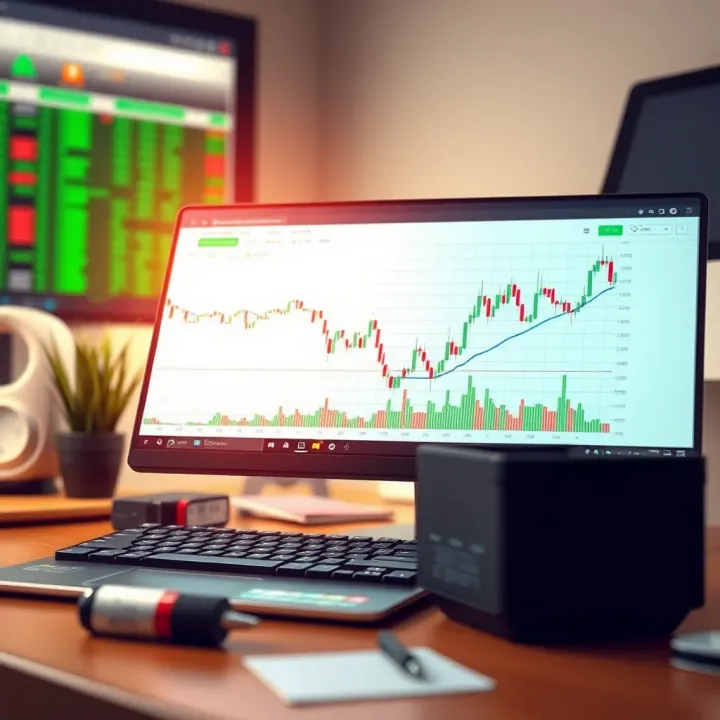
Charts form the heart of TradingView. The layout includes price graphs, timeframes, volume bars, and various technical indicators. Learning to read these components lets Nigerian traders spot trends and entry points clearly. For example, switching from daily to 15-minute charts helps short-term forex traders fine-tune their moves, while investors might prefer longer timeframes for steadier signals.
TradingView provides tools like trendlines, Fibonacci retracements, and moving averages to support technical analysis. Applying these effectively reveals support and resistance levels or potential reversal points. For instance, a trader can draw trendlines on NGX stocks like Dangote Cement to anticipate price shifts. Indicators such as RSI or MACD function as early warnings, guiding when to buy or sell.
Advanced users benefit from viewing several charts simultaneously. This feature is valuable when tracking assets across NGX, forex, and cryptocurrencies side by side. You can set up layouts with two or four charts, enabling you to compare real-time price moves without toggling between screens. Nigerian traders dealing with the volatility of the naira-dollar exchange or bitcoin prices find this especially handy in fast-paced environments.
Getting started well with TradingView streamlines your path to informed trading, helping you handle Nigeria’s unique market conditions with confidence and agility.
TradingView offers powerful tools that can significantly improve your trading decisions when used properly. For Nigerian traders, especially given the unique market conditions and timezone differences, making full use of TradingView's features can mean the difference between catching a quick profit and missing out altogether. The platform’s alert systems and analysis capabilities allow you to stay ahead without constantly staring at your screen.
Price and Indicator-Based Alerts allow you to receive notifications the moment a stock or currency hits a certain level or when technical indicators signal a potential move. For example, if an NSE stock crosses above its 50-day moving average, you can get an instant alert. This means you do not have to monitor price charts hourly, freeing you to focus on other tasks or trades.
Timing Alerts for Nigerian Market Hours is especially relevant. The Nigerian Stock Exchange (NGX) runs from 9:30 am to 2:30 pm WAT, but international markets and crypto trades operate 24/7. Setting alerts to respect these market hours prevents you from missing action or being disturbed by irrelevant signals at odd hours. For instance, you can schedule alerts only during Nigerian market hours or set separate alerts for Forex pairs that are active at night.
Using Alerts to Manage Risk is a smart strategy. Set stop-loss alerts or notifications when prices approach critical levels to manage your exposure. If a forex pair drops to a price that triggers your exit, the alert helps you act fast. This proactive use of alerts reduces emotional decision-making and helps protect your capital, especially when sudden moves happen outside trading hours or during high volatility moments in the Nigerian market.
Applying Technical Analysis Techniques on TradingView’s charts helps you spot trends, support and resistance levels, and chart patterns relevant to Nigerian stocks or currency pairs. Techniques like trendlines, RSI (Relative Strength Index), and MACD (Moving Average Convergence Divergence) allow you to time entries and exits better. For instance, spotting a bearish divergence on a popular NGX stock early can save you from losses.
Using TradingView's Screening Tools lets you sift through hundreds of assets quickly to find those meeting specific criteria. You could filter NGX stocks trading below their 200-day moving average or Forex pairs showing strong upward momentum. This saves time and helps you focus on the most promising opportunities amid Nigeria’s diverse market.
Integrating Fundamental Data also adds depth to your analysis. Besides charts, TradingView can incorporate earnings reports, economic releases, and news headlines. For Nigerian traders, keeping an eye on CBN announcements or corporate earnings alongside technical data offers a fuller market picture. For example, a strong quarterly report combined with a bullish chart setup can confirm a buy signal.
Setting up alerts tailored to Nigerian market hours and coupling technical analysis with fundamental insights ensures sharper, timely decisions, critical for trading success in Nigeria’s dynamic environment.
Using these features actively will improve your edge and allow you to trade smarter with TradingView, making it more than just a charting tool but a real-time decision companion.
TradingView offers a wealth of tools for Nigerian traders, but certain challenges can affect its day-to-day use. Addressing these issues is essential for smooth, efficient trading. Understanding connectivity problems, device performance, and subscription models can help you get the best out of the platform without unnecessary stress.
Internet instability remains a top obstacle in Nigeria, where network fluctuations can disrupt real-time chart updates and data feeds on TradingView. Slow or intermittent connections often result in delayed price ticks, affecting trade timing and decisions. To manage this, traders might consider connecting during off-peak hours or using data bundles that prioritise speed and reliability. For example, switching between MTN’s and Airtel’s 4G networks depending on your location could improve stability.
TradingView runs on both mobile and desktop, but device capabilities influence how smoothly it performs. Mobile users should regularly clear app cache and close background apps to reduce lag, especially on older phones common in Nigeria. Desktop users might benefit from disabling unnecessary browser extensions or opting for lightweight browsers like Brave or Firefox when accessing TradingView to speed up loading times.
While TradingView primarily depends on internet access, some features support offline use. You can download historical chart data or save screenshots and notes for analysis when internet is down. This approach is handy during planned power outages, which are frequent in many Nigerian cities. Offline analysis helps maintain trading discipline by allowing review of trends and setups without being glued to live feeds.
TradingView offers free and paid plans, each with different features. The free plan supplies basic charting, a limited number of indicators, and adverts. For many Nigerian traders, this plan suffices for entry-level analysis. However, paid plans unlock multiple chart layouts, advanced indicators, and ad-free experience, which can justify the subscription fee if active trading volumes or portfolio complexity demand it.
Considering subscription costs in naira, the monthly fees for paid plans can hover between ₦5,000 and ₦20,000 depending on the tier. Nigerian traders should weigh this against factors such as access to multi-timeframe analysis and real-time alerts that can improve trade execution. For example, a forex trader managing several pairs might find the paid plan worth the cost for the convenience and precision.
It is possible to squeeze good value from the free version by using multiple watchlists strategically and mastering the wide range of standard technical indicators available. Utilising TradingView’s community scripts and following expert traders can also supplement your analysis without extra charges. Nigerian traders often combine TradingView’s free resources with local market insights to build a robust trading strategy without additional expense.
Even with the challenges that come with internet and cost, Nigerian traders can effectively use TradingView’s core offerings through smart workarounds and informed choices.
By understanding these challenges and practical ways to overcome them, traders can fully leverage TradingView’s capabilities, boosting their confidence and trading outcomes within Nigeria’s unique market environment.
Explore TradingView’s features, charts 📊, and broker integrations for Nigerian traders. Boost your strategies with tools & local market insights!
📊 Explore Binary.com in detail! Learn its features, account types, and strategies tailored for Nigerian traders to trade confidently and securely.
📊 Learn how Nigerian traders can effectively combine TradingView’s charts with Deriv’s platform for smarter trading decisions. Step-by-step tools and tips inside!
Discover how TradingView helps Nigerian traders with advanced charting📈, broker integration🔗, social networking👥, and practical tips📝 for success in local markets.
Based on 9 reviews