
Best Online Trading Platforms in Nigeria 2024
Discover how to pick the best online trading platform in Nigeria 🇳🇬 with tips on security, fees, tools, support, and regulations to trade confidently.
Edited By
Henry Lawson
Online trading platforms have reshaped how Nigerians participate in financial markets. Instead of relying solely on physical brokers or going to stock exchange offices, traders and investors can now buy and sell stocks, forex, commodities, and other assets directly through apps or websites on their phones and computers.
These platforms offer a straightforward way to access markets without leaving home, which suits Nigerians facing traffic snarls and power challenges. For example, popular platforms like MTN Invest, Chaka, and EasyEquities provide mobile-friendly interfaces that let users trade shares listed on the Nigerian Exchange (NGX) alongside international assets.
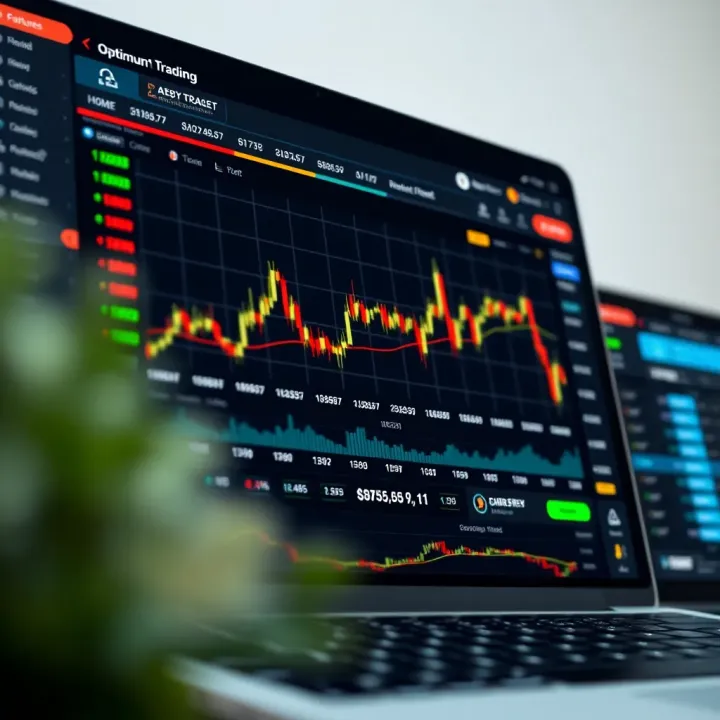
Generally, an online trading platform acts as a digital marketplace connecting you to market data, your broker’s order system, and sometimes research tools—all in one place. This ease comes with features tailored to local needs: support for payments through Nigerian banks, mobile money integration, and user interfaces designed to work on low-data networks common across many states.
A solid trading platform does more than just allow orders; it helps you track prices in real time, set alerts for key levels, and manage your portfolio efficiently.
Key components you will find include:
Market access: Tools to buy and sell stocks, forex, or other securities directly.
Price quotes and charts: Up-to-date information on asset prices with charts for trend analysis.
Order execution: The medium to place immediate or pending orders.
Account management: Ability to fund, withdraw, and view your investments.
Educational content: Guides or tutorials to help new traders understand markets.
Crucially, security measures like two-factor authentication and encryption protect your funds and personal information. Nigerian developers and fintechs have risen to meet these demands, helping to build trust in online trading even among first-time users.
Having an efficient platform is only half the battle; choosing the right one depends on your trading style, assets of interest, and how much support you need. The next sections will guide you through these practical considerations to help you trade safely and effectively in Nigeria’s digital economy.
Online trading platforms have become vital tools for Nigerians looking to directly access financial markets. They serve as digital gateways where you can buy and sell various financial assets, including stocks, forex, commodities, and government bonds. Given Nigeria's growing fintech ecosystem and the rise in retail investors, understanding these platforms is key to making informed investment decisions.
Beyond just transactions, these platforms offer real-time market information and analytical tools, enabling traders to make quick decisions without needing to rely on physical brokers or agents. For instance, a Lagos-based investor can now participate in the Nigerian Stock Exchange (NGX) or even US stocks, right from their mobile phone or computer.
The core function of an online trading platform is to facilitate the buying and selling of financial instruments through an electronic interface. Unlike the old days, when investors had to call brokers or visit trading floors, today Nigerians can place orders instantly online. This process usually includes selecting the asset, specifying quantity or value, and confirming the trade through the platform.
Practically, this makes investing more accessible for Nigerians who cannot easily visit brokerage offices, especially during ember months or when traffic in cities like Lagos or Abuja becomes unbearable. It also opens doors for smaller investors to enter the market with modest funds, leveraging platforms that support fractional shares or small lot sizes.
Modern online trading platforms offer live access to market data, including stock prices, forex rates, and commodity prices. They also produce charts that help traders analyse price movements over different timeframes. This transparency is crucial in the fast-moving world of trading; the moment you see a price shift, you can decide your next move.
For example, a trader monitoring Nigerian equities can view candlestick charts and volume trends directly on platforms like Bamboo or Trove, enabling them to spot potential entry or exit points. Access to financial news feeds and corporate announcements integrated into the platform also keeps users updated on events that might affect market behaviour.
Speed matters in trading. A delay can mean the difference between profit and loss, especially in volatile markets like forex or emerging equities. Online platforms enable users to execute orders instantly, often with just a few clicks or taps.
This immediacy helps Nigerian traders react to price drops, news flashes, or market openings without waiting in queues or on phone calls. For example, during the just concluded NGX guber season analysis, several investors used fast order execution to capitalise on sudden market sentiments.
Traditionally, Nigerian investors had to rely on stockbrokers to place orders on their behalf. This process was often slow, involving phone calls, paperwork, and sometimes in-person visits. With the advent of online trading platforms, these digital interfaces replaced much of that legwork, offering a more efficient, user-friendly experience.
This shift didn’t just save time; it also reduced costs and increased transparency. Investors could now see real-time prices and account balances rather than waiting for broker reports. Nigerian firms like GTBank and local fintech startups played important roles in popularising these systems.
The rapid growth of smartphones in Nigeria changed the scene further. Mobile trading apps became a favourite among younger traders and busy professionals. Apps like Bamboo, Trove, and Chaka offer Nigerians the convenience of managing investments on the go, from anywhere with internet access.
These apps are usually light on data and easy to navigate, reflecting Nigeria’s mobile-first internet usage pattern. For example, an Abuja trader might check the forex market during a danfo ride using their mobile app, a convenience traditional setups struggle to match.
Nigeria's internet penetration rate is steadily climbing, with many regions now enjoying affordable access through mobile broadband networks. At the same time, smartphone ownership has surged, including among Nigeria's middle class and younger demographics.
This growth underpins the widespread adoption of online trading platforms. Without reliable internet and smartphones, trading would remain the preserve of a few. Instead, platforms have expanded their services to reach non-indigene traders in Lagos, traders in southern states, and even rural investors, diversifying Nigeria's investor base.
Online trading platforms in Nigeria have shifted investing from the hands of a few to the palms of many, making markets more inclusive and accessible than ever before.
Overall, knowing what online trading platforms are and how they function can empower Nigerian traders and investors to participate effectively in the financial markets — all from their preferred devices and locations.
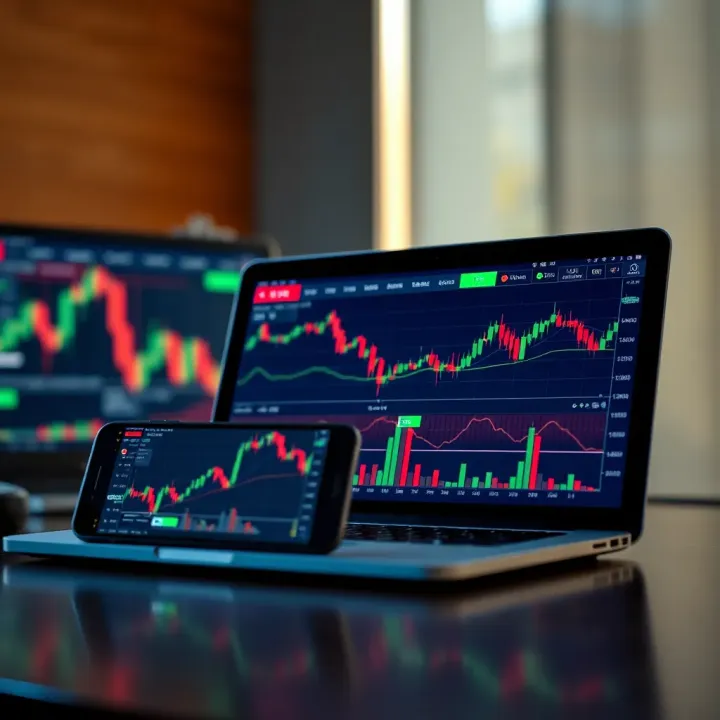
Modern online trading platforms come loaded with features that directly impact how effectively and safely Nigerian traders can navigate financial markets. These tools are not just bells and whistles; they serve practical needs like speed, accessibility, security, and insight. Getting familiar with them will help you pick a platform that truly fits your style and goals.
Ease of navigation for beginners: Trading platforms designed with beginners in mind offer clear layouts and simple menus. This helps new traders avoid confusion, especially when they’re just starting with stocks or forex trading. A platform with clean dashboards and straightforward instructions lets you focus on learning market dynamics instead of figuring out the controls. For instance, Bamboo’s interface is often praised for its intuitive design, which makes entering trades or checking portfolio performance smooth and fast.
Mobile compatibility: Many Nigerians prefer trading on the go, especially with the high smartphone penetration across cities and even smaller towns. Platforms optimised for mobile devices ensure you don’t miss crucial market moves because you’re stuck at a desktop. Apps from Trove or GTBank’s trading portal, with mobile-friendly versions, make it possible to execute trades, monitor prices, and log out securely anytime, anywhere. This flexibility is vital given the unpredictable power supply and the Lagos traffic that can keep traders away from their PCs.
Multilingual support relevant to Nigeria: Nigeria’s diversity means many traders feel more comfortable interacting with platforms in their native or preferred languages. Platforms featuring options for English plus major Nigerian languages like Hausa, Yoruba, and Igbo widen accessibility. This aspect reduces mistakes from misunderstandings and builds confidence among users who are not fluent in English—all essential in a market where a wrong click could mean real losses.
Real-time price feeds: Access to live market data is non-negotiable for active trading. Platforms offering real-time price feeds help you spot the right moments to buy or sell. Delayed or stale data can lead to poor decisions, like buying high and selling low. Nigerian platforms partnering with global exchanges and local entities like the Nigerian Stock Exchange (NGX) provide reliable streams. This ensures you can react effectively to market swings, news, or Central Bank of Nigeria (CBN) policy changes.
Technical analysis indicators: For traders who rely on chart patterns and price trends, built-in technical indicators are essential. Features such as moving averages, RSI (Relative Strength Index), and Bollinger Bands allow you to study market behaviour without leaving the platform. This hands-on approach supports more informed decisions rather than guesswork. For example, using the RSI indicator can signal overbought or oversold stocks, helping you avoid common pitfalls in volatile Nigerian markets.
News feeds and market insights: Staying updated on local and global events that affect markets makes a big difference. Trading platforms that integrate financial news and expert market commentary give users an edge. This might include alerts about NGX announcements, economic reports from the National Bureau of Statistics, or political developments influencing currency stability. Such insights help traders align their strategies with real-world conditions.
Two-factor authentication (2FA): With cyber threats rising, platforms that mandate 2FA offer stronger protection. By requiring a second verification step—like a temporary code sent to your mobile phone—platforms reduce the risk of unauthorised logins. This additional layer is vital for Nigerian traders, where account hacking and scams remain concerns.
Regulatory oversight by SEC Nigeria: Trading through platforms regulated by the Securities and Exchange Commission Nigeria means operating within legal safeguards. SEC supervision ensures platforms meet financial standards, maintain transparency, and handle your funds responsibly. Always check if the platform is SEC-licensed before committing money. This shields you from fraudulent schemes pretending to offer online trading services.
Data encryption and privacy measures: Protecting your data from interception or misuse is critical. Platforms using encryption technologies secure your personal and financial information during transactions. Given the frequent cyberattacks targeting Nigerian users, features such as SSL certificates and regular security audits are marks of a trustworthy platform. You want assurance that your trading history, BVN (Bank Verification Number), and payment details stay confidential.
Selecting an online trading platform is about matching powerful features with your trading needs while ensuring your funds and data remain safe under Nigerian regulatory standards.
These key features together ensure you make smarter trades, avoid mistakes, and keep your accounts protected. Nigerian traders benefit most from platforms that consider local realities like language diversity, mobile lifestyles, power instability, and regulatory climate. Always prioritise user-friendly interfaces, reliable market data, and strict security to trade confidently in today’s digital market environment.
Picking the right online trading platform is key for Nigerian traders who want to tap into local and global markets effectively. With so many options available, choosing wisely can save you from unnecessary fees, delays in fund access, and frustration with trading tools that don't match your needs. The platform you pick affects how quickly you can react to market changes, your potential profits, and even how secure your investments remain.
Nigerian traders usually look for platforms that offer access to both local and international markets. Platforms that list Nigerian equities and bonds provide a direct way to invest in the local economy, which is appealing to many. For instance, the Nigerian Stock Exchange (NGX) listings are available on some platforms, allowing traders to buy shares in familiar companies. Besides shares, including commodities like cocoa or oil futures unique to Nigeria can offer diversification.
Traders should check if the platform supports asset classes relevant to Nigerian financial markets rather than just foreign stocks or forex. This approach makes your trading strategy more tailored and practical, especially if your goal is to invest in sectors key to Nigeria's growth.
Transaction fees quickly add up, especially if you trade regularly. Many Nigerian traders prefer platforms with transparent and reasonable charges because hidden fees can eat into profits. You should compare platforms based on commission fees, spreads, inactivity charges, and withdrawal costs. For example, some platforms might charge a flat fee per trade while others charge a percentage of the transaction value.
Platforms like Bamboo and Trove are known for their low-cost models, appealing to beginners and small-scale traders. Choosing the one with affordable costs helps maximize your returns while keeping trading sustainable over the long term.
Being able to fund your account and withdraw profits in naira without hassle matters a lot. That’s because converting foreign currencies can be expensive and slow in Nigeria, especially with naira’s ongoing volatility. Platforms supporting local bank transfers or USSD payments simplify the process and reduce extra charges.
If you can use your GTBank account or mobile banking apps to move money to and from your trading platform quickly, it saves time and stress. Quick access to funds also means you're not locked out from opportunities in fast-moving markets due to waiting for currency conversions or wire transfers.
GTBank’s trading portal offers integration with its banking services, making deposits and withdrawals straightforward. It also provides access to Nigerian stocks and some foreign equities, which suits traders wanting local exposure alongside international options.
Bamboo and Trove appeal to Nigerians with user-friendly mobile apps, wide market access—including US stocks—and low fees. They enable Nigerians to trade fractional shares, which lets investors start with small amounts, a practical feature given Nigerian income levels.
Platforms that embrace payment methods Nigerians already use—especially USSD codes and direct bank transfers—cut out friction in moving money. Since many Nigerians rely on USSD for everyday transactions, its presence on trading platforms is a big plus.
For example, OPay and PalmPay's widespread acceptance hints at how popular and trusted USSD payments have become. If a trading platform accepts these payment methods, it instantaneously boosts convenience and trust for Nigerian users.
Responsive customer service is crucial. Delays in resolving account or transaction issues can lead to missed market opportunities or losses. Nigerian traders dealing with power or internet fluctuations need fast, helpful support when problems arise.
Platforms like GTBank’s portal typically have dedicated support lines and chat options, giving traders peace of mind. Bamboo and Trove also offer prompt online assistance through WhatsApp or email, reflecting the local communication preferences. Good support enhances your overall trading experience and security.
Choosing the right platform influences every stage of your trading journey—from funding to final profits. Take time to understand what suits your trading goals and lifestyle.
In summary, Nigerian traders must prioritise platforms offering Nigerian asset classes, low fees, easy naira transactions, and strong support. This ensures smoother trades and real chances to grow investments in Nigeria’s evolving financial markets.
Online trading in Nigeria offers unique opportunities but also comes with specific risks and challenges. Understanding these is key to safeguarding your investments and navigating the market effectively. Nigerian traders must carefully consider these elements to avoid losses and trade confidently.
Understanding price fluctuations is fundamental for anyone venturing into online trading. Nigerian markets, especially the Nigerian Stock Exchange (NGX), can experience sudden price swings due to political events, economic reports, or global shocks. For example, naira depreciation or changes in crude oil prices often lead to rapid shifts in stock prices. Recognising that markets are never static helps traders keep realistic expectations.
Importance of risk management cannot be overstated. With price swings being common, applying strategies like stop-loss orders or diversification can limit losses. For instance, instead of putting all funds into a single stock or forex pair, spreading investment across sectors or asset classes reduces risk exposure. Nigerian traders benefit greatly from risk management tools available on platforms like Bamboo or Trove, helping protect portfolios against sharp downturns.
Identifying fake platforms is critical given the rise of fraudulent schemes preying on Nigerian investors. Fake trading sites often promise guaranteed high returns or request upfront payments without proper licensing. Always verify a platform’s registration with the Securities and Exchange Commission (SEC) Nigeria before committing funds. Trusted platforms typically provide clear contact information and transparent regulatory details.
Red flags in unsolicited trading offers include aggressive cold calls, pressure to invest immediately, or requests for unusual payments like cryptocurrency transfers outside known exchanges. These tactics often aim to rush newcomers into scams. Nigerian traders should be wary if deals sound too good to be true or if the person pushing the trade cannot provide verifiable credentials.
Reporting to regulatory bodies like SEC Nigeria or the Economic and Financial Crimes Commission (EFCC) is essential whenever suspect activity occurs. Filing complaints not only helps recover funds but also protects others. Nigerian authorities increasingly collaborate with online platforms and banks to track and shut down scams, but vigilance from traders themselves remains vital.
Staying alert to scams and verifying platforms before trading can save you from severe financial damage.
Impact of unstable internet is a major challenge for Nigerian traders. Frequent network drops or slow speeds can delay order executions, causing missed opportunities or unintended trades. In Lagos, for example, congestion often leads to poor connectivity during peak hours, disrupting access to live market data.
Strategies to minimise downtime include using multiple internet sources like data bundles from MTN or Airtel alongside Wi-Fi. Investing in power backups such as inverters or generators can maintain device uptime during outages typical in many Nigerian cities. Also, choosing trading platforms with offline order placement or scheduled trades helps reduce the impact of unstable connections.
Taken together, these challenges highlight the need for Nigerian traders to remain informed, cautious, and prepared. Combining market knowledge with practical risk control and infrastructure planning improves chances of success in Nigeria’s online trading space.
Trading online in Nigeria offers lots of opportunities, but success depends on more than just signing up. You need practical strategies to grow steadily and avoid costly pitfalls. This section highlights essential tips that help you trade smarter and safeguard your investments.
Using demo accounts gives you a safe space to practise without risking real money. Many Nigerian platforms like Bamboo and Trove offer demo accounts where you can experiment with buying and selling stocks or forex. This helps especially if you are fresh to trading or new to a particular platform — you get to understand order placement, chart reading, and market timing before committing real funds.
Building knowledge on market fundamentals is crucial. Knowing how the Nigerian Stock Exchange (NGX) works, understanding the impact of economic indicators like inflation and interest rates, and learning basic technical analysis can improve your chances of profit. Instead of rushing into trades, spend time reading market reports and watching webinars, even in simple language. This builds confidence and reduces emotional decisions that often lead to losses.
Following NGX announcements keeps you updated on corporate actions like dividends, bonus issues, or regulatory changes affecting listed companies. For example, if NGX announces a company’s quarterly earnings, a good trader will analyse how it may impact the stock price and trade accordingly. Staying in the loop means you are not caught off-guard by sudden market moves.
Using local financial news sources like BusinessDay, Nairametrics, or TheCable provides insights into Nigeria’s economic environment, government policies, and sector-specific developments. These sources often cover factors influencing asset prices, such as changes in the CBN’s monetary policy, fuel subsidy adjustments, or elections. Following these keeps your trading decisions grounded in local realities.
Strong passwords and 2FA (two-factor authentication) form the first line of defence against fraud. Use unique, complex passwords and activate 2FA on your trading accounts. This means even if someone guesses your password, they’ll need the second verification step, usually a code sent to your phone. This is essential because Nigerian traders have suffered hacks where accounts drained all funds.
Regularly updating software and apps reduces vulnerabilities. Trading platforms, browsers, and antivirus apps receive updates to patch security holes. For instance, an outdated trading app can be exploited by cybercriminals causing loss of funds or data breaches. Nigerian traders often neglect this step, but making updates a habit protects your investments from avoidable risks.
Playing it safe from the start and staying informed are the best ways to build sustainable success in online trading. Take each step deliberately, use available tools, and always keep security top of mind.
By mixing steady learning, awareness of Nigerian market events, and solid security habits, you improve your odds of trading profitably while avoiding common traps many fall into unwary.
Discover how to pick the best online trading platform in Nigeria 🇳🇬 with tips on security, fees, tools, support, and regulations to trade confidently.
Discover how trading competitions in Nigeria boost your skills and offer chances to win ₦ prizes 🏆. Join the trading community and trade smart today!
Looking to pick the best online trading app in Nigeria? Discover essential features, fees, security tips, and the top apps tailored for Nigerian investors 📱💹
Explore the top copy trading platforms in Nigeria 🇳🇬, learn key features, risks, and tips to confidently follow skilled traders and grow your investments 📈.
Based on 7 reviews