

Guide to TradingView & Deriv.com for Nigerian Traders
Explore how Nigerian traders can master TradingView 📈 and Deriv.com 💹 with tips on strategy, setup, and risk management for smarter trading moves.
Edited By
Emily Carter
Trading in Nigeria is evolving fast, with more people looking for tools that make their trades smarter and more efficient. Two platforms have caught a lot of attention: TradingView, known for its powerful charting and analysis features, and Deriv, a popular trading platform offering a range of financial instruments. Bringing these two together creates a solid combo for traders aiming to improve their game.
This guide breaks down how Nigerian traders can merge TradingView's detailed charts with Deriv’s trading capabilities. From setting up both platforms side by side to practical tips and strategies, you'll get hands-on advice to navigate this integration smoothly.
Why does this matter? Many traders in Nigeria often struggle with juggling separate tools or missing out on in-depth market analysis inside their trading platforms. Combining TradingView and Deriv closes that gap, helping traders spot opportunities faster and execute trades directly with confidence.
Throughout this article, we'll explore key features, setup steps, recommended trading strategies, and important safety tips tailored to Nigerian users. Whether you’re trading forex, stocks, or digital options, this comprehensive guide is designed to make your trading journey clearer and more secure.
Remember, trading without the right tools is like trying to sail without a compass. This guide is here to put you on the right course from the start.
Get ready to boost your trading skills using the best of both worlds — detailed market visuals and reliable execution platforms — all grounded in the specific needs of Nigerian traders.
Before diving into the mechanics of linking TradingView with Deriv, it's important to understand what each platform brings to the table. TradingView offers powerful charting tools that traders rely on to make informed decisions, while Deriv provides the execution engine with access to various markets. For Nigerian traders, grasping these platforms' features is key to making the most out of their trading efforts.
TradingView stands out for its user-friendly charts and indicators, making technical analysis accessible even for those new to trading. On the other hand, Deriv offers a range of account types and instruments, fitting different trading styles. Combining the two means you not only spot trade opportunities quickly but also act on them without switching between apps.
Pro Tip: Understanding the core strengths of both platforms can help you build a trading approach tailored to your needs and Nigeria’s unique market conditions.
TradingView offers an extensive suite of features that make the experience stand out. Notably, it provides real-time data, a vast library of technical indicators, and an intuitive social aspect where traders share ideas. The platform’s cloud-based nature means you can access your charts and setups from any device, whether you are at home in Lagos or on the move.
For example, a Nigerian forex trader can use TradingView’s free indicators like Bollinger Bands or RSI to spot possible entry points on the USDNGN currency pair. The ability to save and share customized setups can be a big help when coordinating strategies within local trading communities.
TradingView doesn't limit you to one kind of chart; it supports classic types like candlestick, line, bar charts, and more exotic ones like Renko or Heikin Ashi to smooth out price noise. This variety helps traders focus on different aspects, such as trend strength or volatility.
Its indicators cover everything from basic moving averages to advanced oscillators and volume analysis tools. This rich toolkit lets traders design a flexible strategy that suits the Nigerian markets where volatility can spike with news like central bank policy announcements.
One of TradingView’s attractive points is how much you can tweak your workspace. You can arrange multiple charts side-by-side, change chart colours, fonts, and even automate alerts based on indicator conditions.
A practical example: setting an alert for when the 50-day moving average crosses above the 200-day average on local stocks listed on the Nigerian Stock Exchange. Such customization ensures traders are promptly informed without staring at the screen all day.
Deriv offers a wide selection of markets including forex, indices, commodities, and synthetic indices. Nigerian traders interested in diversifying can tap into markets like EUR/USD forex pairs or commodities like gold without leaving the Deriv platform.
This range means you aren't limited to local or national instruments, broadening your horizon to international events that influence global markets. For instance, commodity price shifts due to geopolitical tensions can be tracked and traded promptly.
Deriv provides different account types such as the Financial and Synthetic accounts, each catering to different risk appetites and trading styles. For example, the Synthetic account offers volatility indices that simulate market conditions 24/7 – very handy for traders who want to practice or trade outside usual market hours.
Additionally, Deriv supports demo accounts so new traders can get comfortable without risking capital. Nigerian traders should consider starting with demo accounts to build confidence.
From simple binary options to complex forex contracts for difference (CFDs), Deriv supports a versatile range of instruments. This versatility allows Nigerian traders to adapt trading strategies quickly as market conditions shift.
For example, a trader might combine trading commodities CFDs on Deriv with technical signals developed on TradingView charts focused on oil price trends, capitalizing on integrated insights.
By understanding the foundational strengths and features of TradingView and Deriv separately, Nigerian traders can better appreciate the benefits that come from combining these platforms for more strategic and informed trading.
Pairing TradingView's charting prowess with Deriv's trading platform creates a powerful toolkit, especially for Nigerian traders who want to make smarter and faster decisions. This combo isn’t just about pretty charts; it’s about leveraging detailed analytics alongside quick execution to sharpen your trading edge. When you fuse TradingView’s advanced analysis tools with Deriv’s brokerage system, you get a smoother workflow and better insight into market movements, which can be critical for catching profitable trades in volatile markets.
One major perk is the access to a treasure trove of indicators on TradingView. Unlike most platforms, TradingView doesn’t limit you to basic Moving Averages or RSI—it lets you mix and mash hundreds of custom-built indicators to suit your needs. For instance, if you're trading forex on Deriv, using the Ichimoku Cloud or Volume Profile indicators can help spot support and resistance levels more clearly, sometimes missed on ordinary charts. This sharpens your ability to anticipate price moves, giving you a leg-up in picking entry and exit points.
TradingView supports Pine Script, its own programming language that traders use to create tailored indicators or backtest strategies. This feature is a goldmine for Nigerian traders who like to tinker or who follow specific trading rules. Imagine developing a script that alerts you every time the RSI crosses a certain level on Naira pairs, automate notifications, and then instantly place trades via Deriv. This custom scripting helps create more disciplined trading approaches and minimizes emotional biases, which can wreck portfolios if unchecked.
The fast pace of markets means stale data can cost you dearly. TradingView feeds live price updates, and combined with Deriv’s real-time order execution, this ensures that your trades react instantly to market changes. For example, breaking news affecting Nigeria’s stock or forex market can lead prices to swing quickly. Having up-to-the-minute data prevents lag, so you’re not trading on old info—and that’s a game changer for timing your buys and sells.
The way TradingView and Deriv link up matters. They let you place trades directly from TradingView's interface, skipping the need to shuffle between separate apps. This integrated logging reduces slip-ups and saves valuable seconds—something that matters in scalping or short-horizon trades. Nigerian traders benefit from this smoother pipeline because local internet speeds and connectivity can sometimes be spotty; less jumping between windows means fewer chances of losing a trade.
When your analysis tool and trading platform talk to each other seamlessly, the trading routine becomes less cluttered. You get fewer distractions and more focus on the market setup itself. For instance, you can set alerts on TradingView and immediately see how those signals lay out on Deriv’s platform, ready to act without hassle. It’s all about cutting down the noise so you can manage your trades cleanly and swiftly amid fluctuating market conditions.
The integrated setup also comes packed with risk management features that help keep your losses small. Deriv offers flexible stop loss and take profit settings that you can define right as you place trades from TradingView. This means you don’t have to juggle multiple interfaces to lock in profits or cut losses—a must-have for Nigerian traders who operate in markets with high volatility. Using these tools effectively protects your capital and lets you trade with more confidence.
Combining TradingView’s in-depth technical analysis with Deriv’s efficient order execution creates a setup that’s not just smart, but robust enough to handle fast, unpredictable market moves—essential for anyone serious about trading in Nigeria’s dynamic financial scene.
Setting up TradingView alongside Deriv is a smart move for Nigerian traders looking to sharpen their market analysis and execution skills. While each platform excels in its niche—TradingView for charting and Deriv for trading execution—the combination isn’t just about connecting accounts; it’s about creating a smoother workflow tailored to local market specifics. Proper setup means faster decision-making, fewer errors, and a more streamlined path from spotting trade setups to placing orders. This lays a solid foundation on which Nigerian traders can build more confident, data-backed strategies.
Starting off on the right foot is crucial. Both Deriv and TradingView require straightforward signup processes, but Nigerian traders should pay special attention to detail during registration—using valid email addresses and secure phone numbers helps avoid headaches later on. Deriv requires identity verification to comply with regulations, so having a government-issued ID ready speeds things up. TradingView's free tier offers lots of charting features, which is great to get rolling, but upgrading to a paid plan unlocks advanced indicators and alerts that pair well with Deriv’s real-time trading.
Verification isn’t just red tape; it’s your first defense against fraud. Deriv uses KYC procedures where you submit ID and proof of address, ensuring your account isn't just anonymous digits in the system. TradingView also encourages securing your account via two-factor authentication (2FA), which Nigerian traders should activate without hesitation. This little extra step cuts down the risk of account breaches considerably. Skipping verification or security steps might feel like a hassle but could turn into a big problem, especially in volatile market conditions.
Making TradingView and Deriv talk to each other isn’t an automatic magic trick. Linking accounts often means configuring API keys or using third-party integration tools that allow signals generated on TradingView to translate into orders on Deriv. Nigerian users should double-check that API permissions only allow necessary actions and never share keys publicly or with untrusted apps. The aim here is to keep the integration tight and efficient without opening doors for security leaks or mistakes. Once linked, traders get to enjoy smoother order flow and real-time adjustments based on alert triggers—crucial when markets react quickly.
Nigerian financial markets, including forex pairs like USD/NGN and stocks listed on the Nigerian Stock Exchange, have their quirks in liquidity and volatility. Customizing TradingView charts with suitable indicators fits these traits better. For instance, a mix of Moving Averages (like 50 and 200-period) combined with RSI and Bollinger Bands can help spot trending and overbought/oversold conditions specific to Nigerian hours. Avoid cluttering charts with too many indicators; focusing on those proven to work on local pairs keeps analysis sharp and practical.
Traders operating from Lagos or Abuja need to align TradingView charts and alerts to Nigerian market hours to avoid spurious signals outside trading times. Deriv covers global markets, but setting chart time zones on TradingView to West Africa Time (WAT) or GMT+1 helps keep everything in sync. This prevents confusion when backtesting strategies or setting alerts, saving traders from waking up to notifications triggered when markets are closed or illiquid.
Alerts on TradingView are a game changer if configured with care. Nigerian traders should set price level alerts on currency pairs like USD/NGN or commodities frequently traded on Deriv, such as oil, to catch breakouts or reversals without staring at screens all day. Alerts can be tailored to trigger on crossovers, price touching support/resistance, or indicator thresholds. With linked accounts, some alert triggers can even prompt order execution on Deriv, making these alerts not just informative but actionable. Remember, practical alert use reduces stress and improves reaction times during fast market moves.
Setting up and customizing the TradingView-Deriv connection to fit Nigerian trading realities is more than a nice-to-have — it’s essential for competitive, informed trading.
By carefully creating and linking accounts, applying the right chart setups, and tuning alerts for local schedules, Nigerian traders can take full advantage of the strengths of both platforms without the common pitfalls of rushed or incomplete setups.
Understanding how to effectively use practical trading strategies on platforms like TradingView paired with Deriv is a real game-changer for Nigerian traders. This combo doesn’t just provide technical tools but also practical pathways to interpret market moves, helping traders make more informed decisions. Whether you're dabbling in forex, commodities, or indices via Deriv, applying solid strategies powered by TradingView’s charts can be the difference between guesswork and calculated moves.
Trend following is about riding the market’s momentum rather than fighting it. On TradingView, you can spot trends using moving averages, such as the 50-day or 200-day MA, which smooth out price data to reveal the direction. For example, if the 50-day crosses above the 200-day, traders often see this as a bullish signal. Using Deriv’s platform, once you've identified a trend with TradingView's charts, you can enter trades that follow the trend, reducing emotional guesswork. It’s a simple yet effective strategy that works well in the Nigerian markets, especially with volatile assets.
Support and resistance levels act like invisible fences where price tends to pause or reverse. TradingView makes it easy to draw horizontal lines at price points where the market has bounced back or stalled multiple times. Nigerian traders often use these levels to decide entry and exit points. For instance, if a currency pair on Deriv keeps bouncing off 450 NGN support, placing a buy near that level with a stop loss just below can protect your trade. Support and resistance offer clear reference points to cut losses or lock in profits—vital when the markets get jittery.
Oscillators like the RSI (Relative Strength Index) and Momentum indicators help gauge whether an asset is overbought or oversold. On TradingView, setting the RSI to 14 periods can show when a stock or forex pair is potentially due for a pullback (typically above 70) or a bounce (below 30). Nigerian traders can combine these signals with Deriv’s quick execution to take advantage of short-term price reversals. Using these tools, especially when markets are choppy, can help avoid jumping in at the wrong time.
One of the most overlooked tactics is properly using stop loss and take profit orders. These help automatically close trades to protect profits or cut losses when prices move unfavorably. On Deriv, after analyzing charts on TradingView, setting a stop loss just beyond a support level and a take profit near a resistance can protect your capital even when the market suddenly shifts. For Nigerian traders, this disciplined approach prevents emotional flares from wrecking your account, especially during unpredictable news events.
Position sizing is deciding how much of your capital to risk on a single trade. A common practice is risking only 1-2% of your total capital per trade. When coupled with TradingView’s precise entry points, this approach limits the damage if the trade doesn’t go as planned. For instance, if your trading account on Deriv is ₦100,000, risking ₦1,000 per trade means you can survive several losses in a row without wiping out your account. This cautious sizing helps Nigerian traders manage risk and stay in the game longer.
Putting all your eggs in one basket rarely ends well. Diversifying trades means spreading risk across different assets or market types—forex, commodities, indices, or even different currency pairs. TradingView allows you to analyze multiple markets at once, helping to identify non-correlated assets. For example, if the naira forex pairs are volatile due to local news, shifting some attention to gold or oil contracts on Deriv might balance your risk. Diversification smooths out performance dips and protects your overall portfolio from sharp shocks.
Successful trading isn’t just about spotting opportunities but also managing your bets wisely. Combining solid technical strategies with smart money management on TradingView and Deriv can vastly improve your chances in Nigeria’s dynamic markets.
Navigating the world of trading through platforms like TradingView combined with Deriv is rewarding but not without its bumps. Nigerian traders, in particular, might face common hurdles that can trip up even the most seasoned investor. Addressing these challenges head-on not only smooths out the trading experience but also protects your investments and optimizes your strategy execution. This section sheds light on typical technical glitches and regulatory issues, equipping you with practical solutions to keep your trading on track.
Nothing can be more frustrating than trying to execute a trade only to have your connection freeze or drop. In Nigeria, where internet stability can be patchy, connectivity is a critical concern. Poor connection disrupts real-time data flow, causing delays in price updates and order execution on Deriv. To combat this, consider using a reliable mobile network provider like MTN or Airtel, which offer fairly stable service in many urban areas. Additionally, setting up a backup internet source, such as a mobile hotspot, can save a trade when your primary connection fails. Regularly testing your connection speed before market sessions can also help avoid surprises.
Sometimes, TradingView charts might refuse to load or get stuck mid-refresh. This usually occurs due to heavy traffic on the platform or browser cache issues. For Nigerian traders using older devices or browsers, clearing the cache and cookies often does the trick. Another tip is to keep your browser or TradingView app updated—outdated software is a common culprit. If the problem persists, switching to a different browser or restarting your device can help. Avoid keeping too many browser tabs open during trading hours, as it can slow down system performance and cause chart loading delays.
Linking TradingView with Deriv should, in theory, be smooth, but hiccups like failed order syncs or account linking errors do happen. Often, these issues come from improper API configuration or expired session tokens. To fix this, ensure your API keys are current and entered correctly. Re-link your accounts periodically and restart your apps after updates. Don't overlook enabling all necessary permissions for TradingView and Deriv on your device. Also, check for notifications on both platforms about maintenance or scheduled downtime — some hiccups are beyond user control but temporary.
Understanding Nigeria’s financial trading regulations can save you from future headaches. The Securities and Exchange Commission (SEC) Nigeria regulates trading activities, enforcing compliance on brokers and trading platforms to protect investors. While Deriv operates offshore, Nigerian traders must ensure their trading activities remain legal under local laws. This means avoiding banned products and understanding tax obligations on profits. Staying informed about updates from SEC Nigeria is a smart move, as regulations can evolve to suit the growing digital financial market.
One of the vital factors for Nigerian traders is choosing platforms that comply with international and local financial regulations. Deriv has taken steps to secure licenses in various jurisdictions, but traders should still verify the platform's standing. Compliance means the platform follows Anti-Money Laundering (AML) rules, performs customer due diligence, and offers transparent terms. This reduces the chances of disputes and ensures your trades are executed fairly. Always check the platform’s compliance statements and be wary of platforms that avoid providing clear regulatory details.
Money safety is non-negotiable. Nigerian traders must be vigilant about how their funds are held and protected on trading platforms. Deriv implements segregation of client funds, meaning your deposits are kept separately from the company’s operational funds—a practice that adds a layer of security. Additionally, traders should use only verified payment methods to reduce fraud risk. Avoid sharing login credentials and enable all security features like two-factor authentication (2FA). Remember, protecting your funds is as much about personal security habits as it is about trusting the platform.
Dealing with technical and regulatory challenges is part of the trading game, but understanding the terrain and preparing accordingly ensures you don’t get caught on the wrong side of a market move or compliance rule.
By tackling connectivity issues with backups and updated tech, handling chart loading glitches promptly, and ensuring your Deriv account integrates perfectly with TradingView, Nigerian traders can keep their workflows smooth. Coupled with a solid grasp of local regulations, platform compliance, and a strong focus on fund protection, these practices build a resilient trading foundation worth its weight in gold.
When you're diving into trading using platforms like TradingView and Deriv, especially as a Nigerian trader, locking down your accounts should be right at the top of your to-do list. Hackers often look for weak spots—maybe an easy password or a neglected 2FA—and hitting you there can cost you real money. Keeping your accounts secure isn’t just about protecting your cash, but also your peace of mind and your personal info. Let’s unpack some solid security habits that’ll help keep you safe from common threats.
First off, let’s talk passwords. Think of them as the locks on your doors. If you use “password123” or your pet’s name, it’s basically leaving the door wide open. A strong password mixes uppercase and lowercase letters, numbers, and symbols, making it way harder to guess or crack. For example, instead of "trade2024", try something like "T!r@d3#2o24". It looks messy, but you can use a password manager to keep track of these, so you don’t have to remember every jumble of characters.
Don’t reuse passwords across sites either. If one platform gets compromised, it might open the floodgates to all your accounts. Make a habit of changing passwords every few months, especially if you hear about major data breaches involving platforms you use.
Enabling two-factor authentication (2FA) adds a second lock on your account. It’s like having a guard check your ID after you put the key in the door. Even if someone steals your password, they won’t get in without that extra code. Deriv and TradingView both support 2FA, often via apps like Google Authenticator or Authy.
Here’s how it helps practically: after entering your password, you get a unique code on your phone that changes every 30 seconds. Without that code, logging in is a dead end. Always enable 2FA where you can—think of it as essential armor, not an extra step to skip.
Scammers often cast very convincing fishing lines through emails or text messages pretending to be your broker or platform. They might ask you to “verify your account” or “update your details” by clicking a link. Don’t bite.
Always check the sender’s email address carefully. Real messages from Deriv or TradingView will come from official domains, never random email providers. And never enter your login details from email links—go to the site directly through your bookmarks or typing the address yourself.
If something smells fishy, it probably is. When unsure, reach out to official customer support rather than clicking any links or downloading attachments.
Beyond passwords, consider where you store your sensitive info. Writing passwords on sticky notes or saving them in plain text on your desktop? Not safe. Instead, use encrypted vaults like LastPass or Bitwarden which safely store passwords and can generate strong ones for you.
Also, back up your 2FA recovery codes securely. Losing access to your authenticator can lock you out permanently, so copy those codes somewhere offline and secure—like a safe or locked drawer.
It’s easy to skip reading those long privacy statements, but knowing how TradingView and Deriv handle your data can save headaches later. These policies explain what personal info is collected, how it’s used, and with whom it's shared.
For example, some platforms share data with third-party analytics services or marketing partners. If you’re uncomfortable with that, review the privacy settings available and adjust them accordingly. Being informed means you can control your identity and financial info better, reducing risks against misuse or breaches.
Taking security seriously isn’t just for the big shots or pros. For Nigerian traders using TradingView and Deriv, these best practices keep you in the driver’s seat, steering clear of scams and losses caused by simple mistakes.
By building these habits, you build a foundation for safer, smarter trading without constantly looking over your shoulder.
When trading on platforms like TradingView integrated with Deriv, efficiency and success go hand in hand. It's not just about having the right tools, but knowing how to use them smartly to save time and avoid mistakes that can cost you. Nigerian traders, facing unique market dynamics, can really benefit from tweaks and strategies that turn routine tasks into smooth workflows. Let’s break down how you can get the most out of your trading setup.
A cluttered dashboard can slow you down, especially when swift decisions matter. Customising your TradingView dashboard lets you display only what’s important—a few favourite indicators, real-time price feeds for assets you trade most, or quick access to Deriv’s order entry tools. For example, you might arrange charts for forex pairs like USD/NGN side-by-side with CFDs, tailoring your view for fast comparison without flipping between tabs.
This personal touch avoids distraction and keeps the essential data front and centre. A clear layout also reduces the chance of missing signals or order errors, crucial when markets move fast.
Automation saves precious seconds and reduces human slip-ups. TradingView allows traders to set alerts and automated scripts which, when linked to Deriv, can trigger notifications or even orders. Imagine you want to be alerted the moment the Naira forex rate hits a target, or a particular oscillator signals a buy—alerts pop up on your phone or desktop, so you don’t have to stare at charts all day.
Further, automating stop-loss and take-profit settings helps enforce discipline, cutting down emotional decision-making common among beginners. To go a step further, API integrations can enable limited automated trading based on predefined strategies, though caution is needed here.
TradingView’s community is buzzing with user-created scripts and indicators that you won’t find in standard toolkits. These scripts often combine multiple technical indicators or offer custom alerts tailored to specific market conditions. Nigerian traders can look for scripts that incorporate volatility filters or suit local market peculiarities, bringing sharper insights without needing to code themselves.
For example, a community script designed around support and resistance zones on the Nigerian Stock Exchange indices could save hours of manual plotting. Testing these scripts in a demo environment first is key before applying them to live trades.
Keeping an eye on seasoned traders’ moves can be like having a seasoned guide beside you. On platforms like TradingView, you can follow expert traders, see their strategies, and learn by observation. Many Nigerian traders have found great value in watching experts focus on forex or commodities relevant to their markets, adopting insights that fit their trading style.
However, remember to review and adapt ideas instead of blindly copying. Everyone's risk tolerance and goals differ.
Online forums and webinars offer a goldmine of experience-sharing and real-time market discussions. Platforms like the Deriv community forums or local Nigerian trading groups on various social networks frequently host sessions that break down recent market behaviour or new platform features.
Engagement here helps traders stay connected, solve issues quicker, and keep skills sharp. For instance, a webinar on the latest tweaks to TradingView’s alert system could introduce new ways to react swiftly to market changes.
Both TradingView and Deriv regularly update their features, security measures, and user interfaces. Missing out on these updates means missing out on optimizations that can enhance your trading efficiency and safety.
Make it a habit to check official announcements or subscribe to newsletters. Nigerian traders who stay informed are better equipped to adjust their strategies, avoiding surprises like deprecated features or changes in data feeds.
Staying agile with your trading setup isn’t just a nice-to-have—it’s what helps you stay ahead and keeps your trading sharp and effective.
Each tip here blends into the bigger picture: smarter trading with less stress and better results. Using TradingView and Deriv together well means turning complex charts and busy markets into manageable, even predictable, tools of your trade.
Explore how Nigerian traders can master TradingView 📈 and Deriv.com 💹 with tips on strategy, setup, and risk management for smarter trading moves.
Boost your Nigerian trading skills with TradingView and Deriv! 📈 Use live charts, technical tools, and smart analysis for better decisions. 💡
Discover how TradingView helps Nigerian traders with advanced charting📈, broker integration🔗, social networking👥, and practical tips📝 for success in local markets.
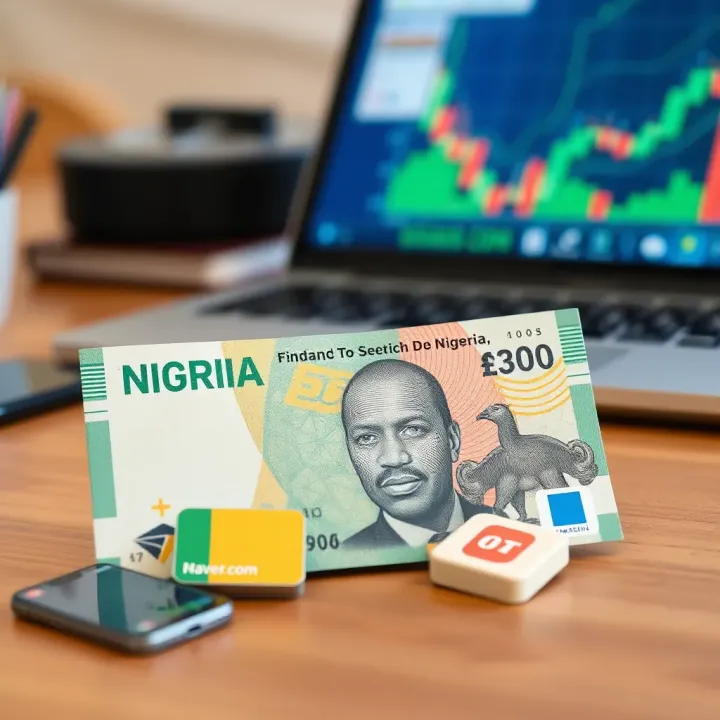
📈 Ready to trade on Deriv.com? Follow our step-by-step guide for Nigerian users to easily sign up, verify your ID, fund your account, and start trading today!
Based on 9 reviews