
Forex Market Hours in Nigeria: When Trading Starts
📈 Discover how Nigeria's time zone shapes forex market hours, learn when trading starts, and get tips to trade smarter with market shifts!
Edited By
Sophie Harper
Trading sessions set the pace for how the Nigerian stock market swings throughout the day. Knowing when the market opens and closes, alongside the breaks in between, helps traders and investors plan their moves better. The Nigerian Stock Exchange, now officially the Nigerian Exchange Group (NGX), operates strictly within Nigerian local time, which is West Africa Time (WAT), always one hour ahead of GMT.
The regular trading hours run from 9:30 am to 2:30 pm WAT, Monday through Friday, excluding public holidays. Unlike some foreign exchanges that have pre-market or after-hours sessions, NGX keeps it straightforward with just one continuous trading session followed by a closing period. This direct approach offers traders plenty of time during the official window to execute buy or sell orders.
Understanding the exact opening and closing times in Nigerian time is vital, especially for investors involved with overseas markets or forex trading, where time zone differences can cause missed opportunities or late reactions.
Within the trading hours, there’s a short break around midday, usually lasting for about 30 minutes, commonly referred to as the Lunch Break. During this time, trading activities pause, allowing market participants to refresh and prepare for the afternoon session. This is a good moment for traders to assess market movements in the morning before resuming action.
For example, if you’re investing from Lagos or Abuja, you set your alarms for a 9:30 am start to catch early market rallies or dips. But if you’re monitoring alongside London or New York markets, remember that their trading hours do not match. New York Stock Exchange (NYSE) opens at 2:30 pm WAT, effectively starting as NGX closes. This stagger means Nigerian traders juggling both need to align their schedules carefully.
Understanding these local market hours allows you to:
Time your trade executions effectively
Avoid missing crucial market moves
Sync with global market openings when required
Manage risks better during volatile periods
Knowing trading sessions in Nigerian local time isn’t just for floor traders; it’s crucial for any serious investor, analyst, or broker who needs to navigate the market successfully without confusion or delay.
Trading sessions refer to the specific hours during which buying and selling activities occur on the stock market. For the Nigerian Stock Exchange (NSE), understanding these sessions is key for traders and investors to time their market entries and exits effectively. Knowing exactly when the market opens and closes helps avoid missed opportunities and reduces the risk of making trades outside active hours.
For example, an investor looking to buy shares in a rapidly moving stock must act within the standard trading hours to ensure their order is executed promptly. Without clear session timing, trades may be delayed or rejected, especially during high volatility periods like the ember months or just before the release of corporate earnings.
The morning session on the NSE typically starts at 9:30 am and runs until 11:30 am Nigerian time (West Africa Time, WAT). This session is crucial as it sets the tone for the day’s trading activities. Prices can swing sharply in the morning as investors react to overnight global news or local developments. For instance, if the Central Bank of Nigeria (CBN) announces a policy change early in the morning, the NSE will reflect that impact in the morning session’s opening prices.
For traders, monitoring the morning session is essential because liquidity tends to be higher, allowing for smoother trade execution. Active stocks in sectors like banking, oil and gas, and consumer goods often experience sharp moves during this period.
After a midday break, the afternoon session resumes from 2:00 pm to 3:30 pm. This shorter session provides a final window for investors to position themselves before the market closes. Price movements may stabilise during this time, but sudden news or end-of-day portfolio adjustments by fund managers can cause brief spikes.
Many investors use the afternoon session to reassess their morning trades and make last-minute decisions. For example, if a stock showed unexpected strength in the morning, traders may decide to take profits or add to their positions before the close.
There is a mandatory break from 11:30 am to 2:00 pm. This pause allows market participants and intermediaries (like brokers and clearinghouses) to process transactions, update systems, and prepare for the afternoon session. The break also offers investors a chance to analyse morning trends without market pressure.
This downtime can be particularly useful for retail traders juggling market monitoring with daily routines, such as attending to work commitments or visiting the mama put for lunch. By the time trading resumes, everyone is ready for a fresh push before the markets close.
Understanding these session timings helps you avoid trading outside market hours, ensuring your orders get proper execution and reducing unnecessary risks.
The trading operations on the Nigerian Stock Exchange (NSE) depend heavily on local time, which is West Africa Time (WAT), UTC+1. Understanding how Nigerian time influences market hours is vital for traders and investors because it ensures proper timing for order executions and market reactions.
Nigeria's position within the WAT zone means that its trading day aligns with the Nigerian workday, typically starting at 9:30 am and closing by 2:30 pm local time. This schedule provides a clear routine for investors who live and operate within Nigeria. For example, a Lagos-based trader knows to execute early-morning trades during the 9:30 am to 12:30 pm morning session and resume after the midday break.
Operating within this time zone also affects coordination with international markets. Nigerian traders working with foreign clients or considering cross-border investments must adjust for time differences — especially since Nigerian markets open several hours before New York and London Stock Exchanges. This timing occasionally offers early access to African market opportunities before the global markets kick off.
Nigeria does not observe daylight saving time (DST), but many global markets do. For instance, when London moves an hour ahead during British Summer Time, its trading hours shift in reference to Nigerian time. This shift can reduce or increase the trading overlap between Nigerian and global exchanges.
Such changes influence Nigerian investors who trade international stocks or track global market trends. During months when DST is active, the New York Stock Exchange opens earlier relative to Nigerian time, potentially creating a smaller window for live interaction during Nigerian trading hours. Conversely, when DST ends, Nigerian market hours align more closely with major international sessions, improving real-time trading windows.
Nigerian traders who follow global markets through platforms like MTN’s digital services or international brokers like Stanbic IBTC need to regularly note these shifts. Failure to account for DST adjustments abroad can lead to missed trading opportunities or poor timing.
Nigerian traders should always confirm both local and international market times to plan their trades effectively. This is especially relevant when engaging in forex or cross-listed shares that require timely attention.
By recognising that Nigeria sticks to a fixed time zone while global market hours fluctuate with daylight saving, investors can better navigate the trading day. This understanding helps prevent costly timing errors and supports smarter portfolio management across varied markets.
Understanding how Nigerian trading hours align or differ from global markets helps investors and traders make better decisions. It shows when Nigerian investors can react to international market movements and when to expect increased volatility or calm. For instance, global events unfolding during the New York or London sessions often influence Nigerian stocks directly or indirectly, especially firms engaged in international trade.
London Stock Exchange (LSE) operates from 8:00 am to 4:30 pm Greenwich Mean Time (GMT). Nigeria is one hour ahead during standard time (GMT+1), so LSE hours translate to 9:00 am to 5:30 pm Nigerian time (WAT). This means much of the LSE trading overlaps with the Nigerian afternoon session. For Nigerian investors, this overlap allows watching global market trends sharing similarities with their local session, aiding timely decisions on stocks with international exposure.
New York Stock Exchange (NYSE) opens at 9:30 am and closes at 4:00 pm Eastern Standard Time (EST). Nigeria is six hours ahead, meaning NYSE hours correspond to 3:30 pm to 10:00 pm Nigerian time. This trading period generally falls after the Nigerian Stock Exchange closes. Nigerian traders often monitor NYSE activity from outside their official market hours to gauge how US market movements might impact Nigerian equities or currencies the following day.
NASDAQ’s trading hours are identical to the NYSE, running 9:30 am to 4:00 pm EST. Just like the NYSE, NASDAQ hours fall mostly after Nigerian market closes. Investors interested in technology and growth stocks listed on NASDAQ often observe this session’s trends late into the evening to adjust their portfolios or prepare for action the next day.
Johannesburg Stock Exchange (JSE) runs from 9:00 am to 5:00 pm South African Standard Time (SAST), which is also GMT+2. Nigeria’s WAT is one hour behind, so JSE operates from 8:00 am to 4:00 pm Nigerian time. This close alignment means Nigerian traders can observe Johannesburg markets in real time alongside their own sessions. Since JSE lists several multinational companies and banks with links to Nigeria, this overlap proves useful to anticipate cross-border market moves.
There is a notable overlap between Nigerian afternoon trading and the London Stock Exchange’s session. This overlap improves live tracking of European influences on Nigerian stocks, commodities like oil, and forex. On the flip side, New York and NASDAQ sessions mostly happen after Nigerian market hours, leaving a gap where Nigerian traders need to rely on after-hours data and prepare for next-day adjustments.
The timing of the Johannesburg Stock Exchange aligns closely with Nigeria’s, creating useful simultaneous trading periods. This proximity helps hedge funds, brokers, and investors active in both markets to act promptly.
Nigerian traders should prioritise monitoring London and Johannesburg sessions during their trading hours but keep track of New York and NASDAQ markets after closing time for a comprehensive view.
In sum, understanding these overlaps and timing differences enables Nigerian investors to plan better. For example, if oil prices rise sharply during London hours, Nigerian energy stocks might respond that same afternoon. Meanwhile, tech stock trends from NASDAQ after Nigeria’s close could guide portfolio moves before the markets reopen next day.
Understanding the trading sessions in Nigerian time is more than just knowing the market hours. It helps investors and traders to plan activities smartly, manage risk, and take advantage of liquidity bursts. Knowing when the market opens, closes, and pauses reduces guesswork and lets traders capture the best prices without unnecessary mistakes.
Planning trades around Nigerian market sessions means timing your buy and sell orders to align with market liquidity and price momentum. For example, early morning trading right after the 9:30 am market open often sees higher activity due to fresh news and overnight developments. Traders who jump in too late risk missing these sharp moves.
Also, the midday break from 12:45 pm to 2:30 pm tends to slow down trade, with volume and volatility dropping. This makes it less favourable for day traders looking for quick movements. Hence, many seasoned traders plan their important orders outside this break to avoid sluggish conditions.
Investors looking to adjust portfolios in response to quarterly earnings or macroeconomic news often monitor session times closely. Timing these moves to when the market is active can lead to better pricing and execution.
Technology has made tracking market hours straightforward for Nigerians. Many trading platforms in Nigeria, such as the NGX mobile app or local brokers’ portals, display real-time session statuses. Using alerts and calendar integrations helps traders avoid missing session openings or important announcements.
USSD codes and apps like OPay or Kuda offer some market information, but specialised platforms remain the best bet for detailed data and quick order submissions. Desktop and mobile trading apps often include countdown timers before market opens, helping you prepare moves ahead of time.
Besides, automated trading systems can be programmed to respect Nigerian session hours, avoiding order placements during breaks or outside official hours, reducing failed trades because of market closure.
Nigerian stock market liquidity fluctuates depending on session timing. The opening session between 9:30 am and 12:45 pm generally records the highest volumes, attracting institutional investors and active traders. This environment leads to tighter bid-ask spreads and better price transparency.
Volatility also spikes early in the morning, as investors react to news or overnight developments. Later afternoon sessions, while sometimes less liquid, can offer opportunities for slower, more deliberate trades.
Traders should watch out for low liquidity during session breaks and public holidays, as this often leads to wider price gaps and less predictable moves.
Understanding these patterns helps you decide when to enter or exit positions, avoid slippage, and better manage risk. For instance, placing large trades during peak hours can reduce transaction costs while trading in low volume periods should be done cautiously.
In summary, synchronising your trading strategy with Nigerian market sessions, making full use of available platforms, and adapting to liquidity swings gives you an edge whether you are a retail investor or a professional broker.
Understanding how Nigerian public holidays and ember months affect trading sessions is fundamental for traders and investors. These periods influence market liquidity and volatility, and failing to account for them may lead to missed opportunities or unexpected risks.
Public holidays in Nigeria, such as Independence Day (1 October), Christmas (25 December), and Eid celebrations, typically result in market closures on the Nigerian Stock Exchange (NSE). During these days, no trading activity occurs, which can disrupt the usual rhythm of the market.
Traders should plan ahead by checking the NSE's official calendar, as public holidays can lead to condensed trading weeks. For instance, if a holiday falls midweek, Nigerian market hours shrink, potentially reducing daily volume and trading momentum. This can affect price discovery and investment decisions.
Moreover, the market often experiences increased volatility immediately before and after a public holiday. Investors tend to adjust positions in anticipation of the break or on return, which can cause wider price swings. For example, trading just before the Christmas break may see lower volumes but higher volatility as traders close positions.
Ember months—September through December—bring unique trading patterns in Nigeria. These months are marked by increased economic activity due to festive spending, yet paradoxically, stock market liquidity often decreases.
Investors may redirect funds towards personal expenses such as Sallah or Christmas celebrations. Consequently, trading volumes tend to dip in December, with fewer participants actively buying or selling shares. This lower market activity can lead to wider bid-ask spreads and more erratic price movements.
Still, ember months can present opportunities. Savvy traders monitor these trends to capitalise on undervalued stocks or exploit short-term price jumps caused by sudden market moves. For example, stocks of consumer goods companies often see interest earlier in the ember months, reflecting anticipated sales surges.
It's also worth noting that institutional investors sometimes adjust portfolios towards year-end to meet fiscal targets or regulatory requirements. These moves contribute to fluctuating trading volumes and price changes, which can be strategically significant.
Traders should always be aware of the Nigerian market calendar and ember month trends. Planning trades around these periods helps manage risk and make better timing decisions.
In essence, recognising how public holidays and ember months impact trading sessions equips investors and brokers with practical insights. Monitoring these factors allows for smarter trade timing, better liquidity management, and ultimately, more informed market participation.
📈 Discover how Nigeria's time zone shapes forex market hours, learn when trading starts, and get tips to trade smarter with market shifts!
Learn when the forex market opens in Nigeria⌚️, understand global trading sessions🌍, and get tips to improve your forex timing🕒 for better trades.
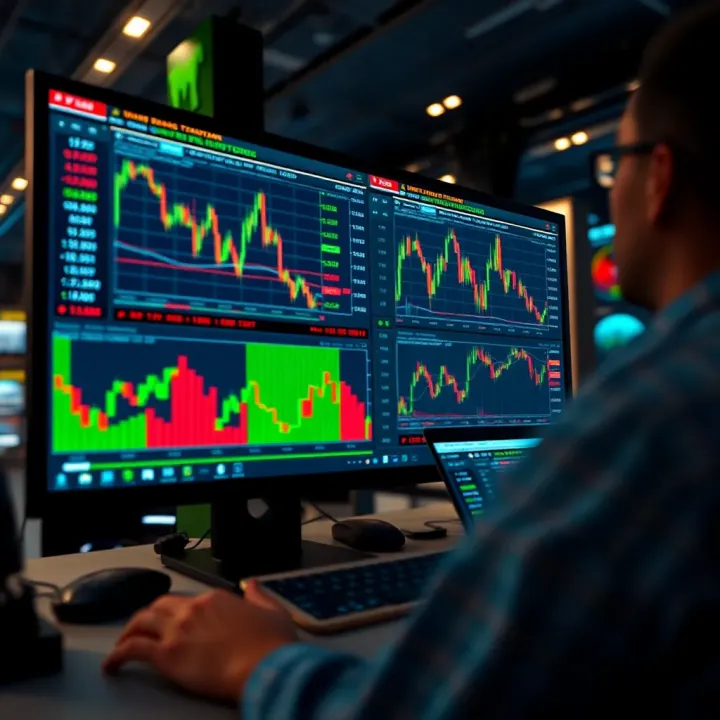
Discover top trading platforms worldwide 🌍 That fit your style and goals. Compare features, gain insights & make smarter investing choices today! 📈
Discover forex trading benefits including financial opportunities, easy access, flexible trading hours, skill growth, and risk management strategies 📈💼💡
Based on 14 reviews