
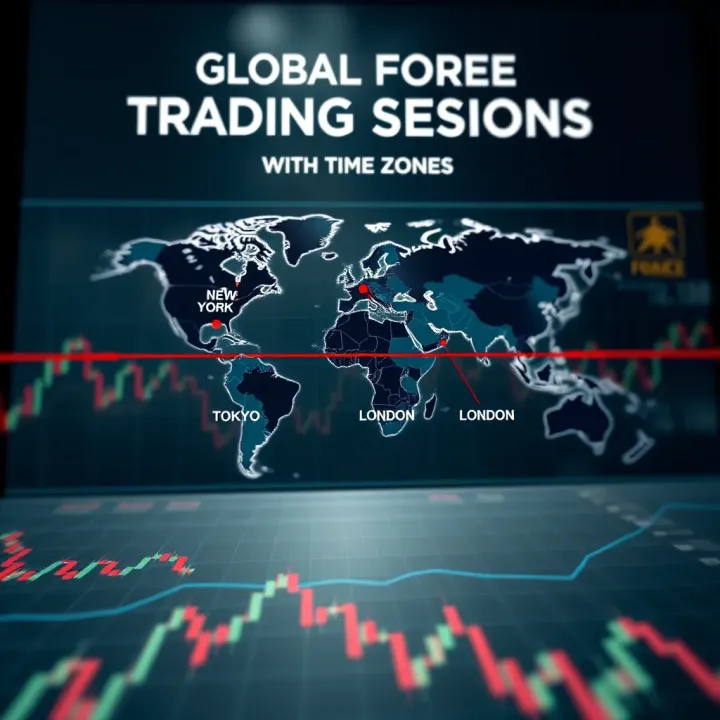
Forex Trading Sessions and Their Market Impact
📈 Learn how forex trading sessions — Tokyo, London, and New York — affect market volume and volatility. Master session overlaps to improve your trading moves in Nigeria.
Edited By
Isabella Green
Forex trading is a 24-hour market, but not all hours are equal for traders in Nigeria. Knowing when global forex sessions open and close based on West Africa Time (WAT) can greatly influence trading success. Since the Nigerian market hinges on international economic events, currency pairs like the US dollar (USD/NGN) and euro (EUR/NGN) respond differently depending on which session is active.
The main forex sessions – London, New York, Tokyo, and Sydney – overlap at certain times, generating higher liquidity and volatility. Understanding these timing windows helps traders plan entries, exits, and risk management more effectively. For example, the London session coincides with key Nigerian banking hours, impacting ₦ liquidity and forex volume.
Unlike stock markets, forex never really sleeps. However, the intensity of trades ebbs and flows with the clock. The Tokyo session typically quiets down by the time Nigerian traders start their day, but it sets the tone for the Asian market. Meanwhile, the London and New York sessions offer the most action during Nigerian afternoons and evenings. Timing trades around these sessions reduces the chances of hitting thin markets or unexpected spreads.
To put it simply:
Tokyo session: 12:00 am to 9:00 am WAT – generally low volatility for ₦ pairs but gauges Asian sentiment.
London session: 8:00 am to 5:00 pm WAT – peak trading hours with high ₦ liquidity, especially involving the dollar and euro.
New York session: 1:00 pm to 10:00 pm WAT – intense market moves and important US economic data releases.
Sydney session: 10:00 pm to 7:00 am WAT – quiet phase, often ignored by Nigerian traders.
Timing forex sessions is just as vital as picking the right currency pair; knowing session overlaps can sharply improve your trading outcomes.
Traders should also factor in daylight saving changes in Europe and the United States, which shift these times by an hour during certain months. Staying updated on these helps avoid mistimed positions.
In the context of Nigeria’s economy and forex regulations, synchronising trades with these sessions ensures better access to liquidity and more predictable price movements. As Nigeria’s fintech platforms and foreign exchange markets grow, savvy traders will rely on precise session tracking to maximise returns.
This article unpacks these sessions in detail, highlights their impact on ₦ forex pairs, and helps you identify your optimal trading times aligned with Nigerian business hours and global markets.
Understanding the forex market’s structure and its trading hours is key for Nigerian traders aiming to navigate this vast global marketplace effectively. Forex is the world’s largest financial market, where currencies are exchanged in real time, 24 hours a day. Knowing when different markets open and close can significantly influence trading strategies and outcomes.
At its core, forex trading involves the buying and selling of currency pairs. For example, a Nigerian trader might exchange Nigerian Naira (NGN) against the US Dollar (USD) or Euro (EUR). These transactions happen worldwide, reflecting supply and demand based on economic indicators, geopolitical events, and market sentiment. The practical importance lies in how currency values fluctuate continually, allowing traders to profit from price changes.
The forex market operates continuously because trading sessions in different parts of the world overlap. This global arrangement means while markets in Asia are active, Europe is just gearing up, and the US session kicks off shortly after. This continual rhythm of overlapping sessions keeps liquidity abundant and price changes frequent. For instance, during the London-New York overlap, volatility tends to peak, providing better opportunities for entry and exit positions. Traders in Nigeria, operating on West Africa Time (WAT), need to understand these overlaps to time their trades optimally.
Forex trading hours are typically divided into four major sessions, corresponding to the world's leading financial centres: Sydney (Asia-Pacific), Tokyo (Asia), London (Europe), and New York (America). Each centre's working hours dictate when their respective session is active. For Nigerian traders, aligning these sessions with WAT is crucial, as it affects when markets tend to be most liquid or volatile.
The time zone differences shape trading activity significantly. For example, the Tokyo session may start late night in Nigeria, while the European session aligns more with Nigeria’s working hours. Traders must navigate these temporal differences to avoid low liquidity spells, which might result in wide spreads and unpredictable price swings. On the flip side, recognising session overlaps—such as the London-New York overlap occurring between 2 pm and 4 pm WAT—can provide extended windows of high trading activity, offering more chances to capitalise on market movements.
Traders should always consider the timing of these sessions relative to Nigerian time to make informed decisions that maximise liquidity and trading efficiency.
By grasping these core concepts, Nigerian traders position themselves to use global forex market rhythms to their advantage instead of being caught off guard by abrupt shifts or illiquid moments.
Understanding how global forex trading sessions map onto Nigerian local time is key for traders aiming to time their market activities effectively. Since forex operates 24 hours due to multiple global centres working around the clock, knowing when these sessions align with Nigerian West Africa Time (WAT) helps traders catch peak liquidity and avoid low-activity periods.
Mapping sessions to WAT also allows Nigerian traders to plan their trading day, matching global market volatility with local schedules. For example, the London session overlaps partially with Nigerian working hours, making midday a prime time for trading currency pairs involving the pound sterling or euro. Without accurate session timing, a trader may miss crucial market movements or suffer due to thin liquidity.
Nigeria operates on West Africa Time, which is one hour ahead of Greenwich Mean Time (GMT+1). This uniform time zone applies across the country, providing a stable reference for scheduling market activities. For practical purposes, understanding WAT simplifies aligning trading times with international forex sessions.
Unlike regions with daylight saving adjustments, Nigeria maintains WAT year-round. This consistency means Nigerian traders don't have to recalibrate their clocks seasonally when monitoring session times, a convenience that reduces scheduling errors.
Most major forex sessions are referenced against GMT or local times like Eastern Standard Time (EST). For Nigerian traders, converting these to WAT is straightforward: add one hour to GMT times. For example, if the London session starts at 8:00 am GMT, in Nigeria, it begins at 9:00 am WAT.
Converting from the American session, which typically runs on EST or EDT (Eastern Daylight Time), requires adjusting for the time difference plus considering daylight saving changes. When New York starts trading at 8:30 am EST, Nigerian traders can note 2:30 pm WAT as the session start during non-daylight periods.
The Asian forex session, anchored by Tokyo and Hong Kong markets, runs roughly from 12:00 am to 9:00 am WAT. Although this is late night to early morning in Nigeria, some traders prefer this session to trade currency pairs like USD/JPY or AUD/USD due to distinct liquidity and volatility patterns.
The European session, centred on London, is arguably the most active for forex trading in Nigerian time. It typically runs from 9:00 am to 5:00 pm WAT, conveniently matching the Nigerian workday. This overlap means ₦ liquidity in pairs involving GBP, EUR, and CHF tend to surge, offering Nigerian traders better spreads and more dynamic market movements.
The American session operates from about 2:30 pm to 11:00 pm WAT, led by New York’s market. Nigerian traders can tap into this period for sharp price movements in USD-related pairs. Volatility often increases as the session progresses, especially during overlaps with the European session from 2:30 pm to 5:00 pm WAT, presenting windows for strategic trading.
Successful forex trading in Nigeria depends significantly on aligning your trading activity with these global session hours in WAT. Knowing when to expect high liquidity and volatility helps optimise entry and exit timing, improving profitability and reducing risk.
In summary, understanding and mapping forex trading sessions to Nigerian time is vital for seizing the best market opportunities. It helps navigate the global forex market with precision from the Nigerian perspective.
Understanding forex trading sessions is key for Nigerian traders aiming to optimise their strategies based on liquidity, volatility, and market dynamics. Each session carries distinct features shaped by regional economic activities and currency demand. Familiarity with these can help traders spot the best opportunities and avoid periods where the market stagnates.
During the Asian session, Japanese and Hong Kong markets lead trading activities. Tokyo’s environment heavily influences the Japanese yen (JPY), while Hong Kong’s market affects the Hong Kong dollar (HKD) and, to some extent, other Asian currencies like the Singapore dollar. For Nigerian traders, recognising these markets' opening times—often starting around 3 pm WAT—can help tailor trades involving these currencies.
Liquidity in the Asian session tends to be lower than later sessions, but it’s not without notable volatility, especially when economic data from Japan or China gets released. For example, yen pairs often see sharp moves around Tokyo’s morning hours, which translates to late afternoon in Nigeria. Traders can take advantage of these predictable patterns by scheduling trades around news releases or known market reactions.
The London market dominates this session and is the powerhouse of forex liquidity. Starting around 8 am WAT, the European session overlaps briefly with the tail end of the Asian and the start of the American sessions. This period sees a surge in trading volumes and tight spreads, making it attractive for Nigerian traders looking for active markets.
The overlap means currencies like the euro (EUR), British pound (GBP), and Swiss franc (CHF) experience heightened volatility. Nigerian traders dealing with EUR/NGN or GBP/NGN pairs find this period particularly rewarding because price movements become more pronounced, offering clearer trading signals and opportunities for profit within shorter time windows.
As the European session winds down, the New York market takes over, starting around 1 pm WAT. The American session introduces significant activity in USD pairs, which dominate global forex trading. Nigerian traders keen on USD-related pairs should focus on this window for the best liquidity and potential price swings.
Market closings, especially towards the end of the American session, often provoke volatility spikes as traders adjust or close positions before the day ends. For instance, the final hour, sometimes called the "New York close," sees larger than usual price fluctuations. Savvy Nigerian traders can capitalise on these spikes by timing their entries or exits accordingly.
Pro tip: Understanding these session characteristics allows you to align your trades with when the market moves the most, improving chances for profit while avoiding slow, unproductive hours.
By mapping these session traits to West Africa Time, Nigerian traders can plan effectively, maximise liquidity exposure, and minimise risks related to low market activity.
Understanding the practical implications of forex trading sessions helps Nigerian traders make smarter decisions about when to enter or exit the market. Timing impacts liquidity, volatility, and the availability of trading opportunities, which directly affects profitability. Given Nigeria’s unique positioning in the West Africa Time (WAT) zone, traders can use this knowledge to avoid unproductive periods and capitalise on active market overlaps.
Maximising liquidity during session overlaps
The overlaps between the European and American sessions, as well as the European and Asian sessions, offer high liquidity. For Nigerian traders, the European and American session overlap (roughly between 2 pm and 5 pm WAT) is particularly attractive. During this window, the market experiences increased volume and tighter spreads, making it easier to enter and exit positions with less slippage. This period offers opportunities for trading popular pairs like EUR/USD, GBP/USD, and USD/NGN.
Likewise, the Asian and European sessions overlap in the morning hours (around 8 am to 10 am WAT). Though volume is not as high as the European-American overlap, this period still provides good liquidity and is ideal for trading pairs involving the JPY or SGD.
Avoiding low-volatility periods
Periods outside these overlaps tend to see thinner trading activity and narrower price movements. For example, the mid-afternoon hours following the Asian session closing but before the European session peaks (roughly mid-day WAT) often show low volatility. Trading during these times increases exposure to price stagnation and widen spread costs, which can erode potential profits.
Nigerian traders should avoid holding positions for long during such lull periods unless employing long-term strategies. Recognising these quiet phases helps conserve capital and avoids unnecessary losses when the market lacks momentum.
CBN policy announcements
Decisions from the Central Bank of Nigeria (CBN), such as adjustments in monetary policy rate or forex interventions, often trigger sharp movements in naira pairs. Traders should monitor CBN announcement calendars closely because they can cause sudden volatility, especially in USD/NGN and other local currency pairs. Preparing ahead of these events allows traders to manage risk, such as tightening stop-losses or sitting out during uncertain swings.
Domestic market influences on naira pairs
Factors like fuel subsidy reviews, election outcomes, or petrol scarcity in key cities can impact the naira’s value. For instance, during periods of fuel scarcity, increased costs for generator fuel can strain businesses, indirectly affecting forex demand. Traders following these indicators tend to better anticipate naira volatility and adjust their strategies accordingly. This local context sets Nigerian forex trading apart from international markets.
Internet reliability and power supply challenges
Stable internet access and consistent power supply remain top hurdles for Nigerian traders. Frequent power outages often force reliance on generators, increasing operational costs. Unstable internet can delay trade executions or disrupt live market monitoring, which could turn potentially profitable trades into losses.
Many traders use mobile data as a backup and invest in power banks or inverters to maintain connectivity. These precautions reduce the risk of missing key moments in fast-moving sessions.
Recommended trading platforms accessible in Nigeria
Platforms like MT4, MT5, and web-based brokers such as ForexTime (FXTM) and Peppermill FX offer affordable access with Nigerian user support. Some fintech companies, like OPay and Kuda, even integrate mobile trading features suitable for African markets. Nigerian traders should prioritise platforms that provide low spreads, quick withdrawal processes, and reliable security.
Selecting a broker regulated by reputable authorities, including the Securities and Exchange Commission (SEC Nigeria), offers an added layer of safety against scams.
Nigerian forex trading demands not just knowledge of session timings but sharp awareness of local economic shifts and infrastructural constraints. Combining these factors guides better trading choices and risk management.
📈 Learn how forex trading sessions — Tokyo, London, and New York — affect market volume and volatility. Master session overlaps to improve your trading moves in Nigeria.
📈 Discover how online forex trading works in Nigeria, learn top strategies, navigate popular platforms like MTN and OPay, and manage risks to protect your ₦ investments efficiently.
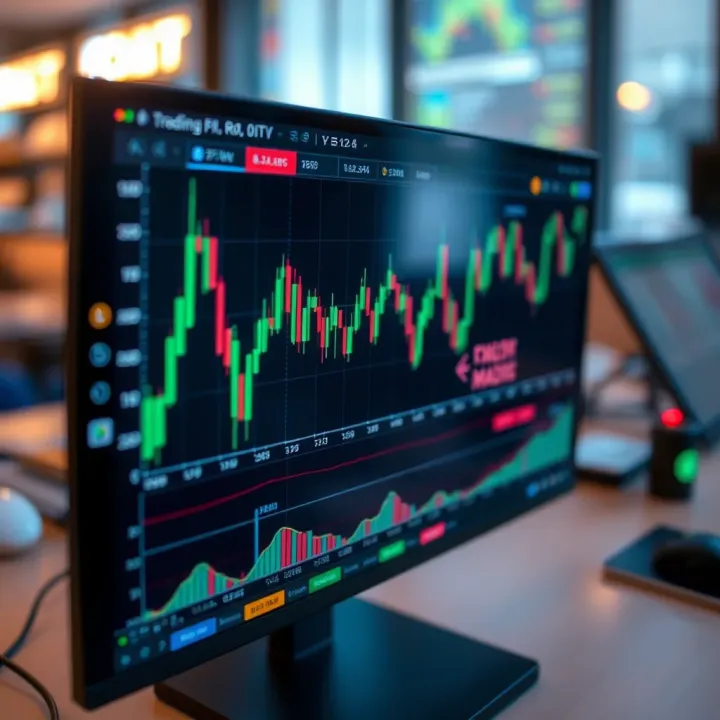
Learn the nuts and bolts of forex trading in Nigeria 🇳🇬. Understand how the market works, key terms, starting tips, risk moves, and avoid common mistakes.
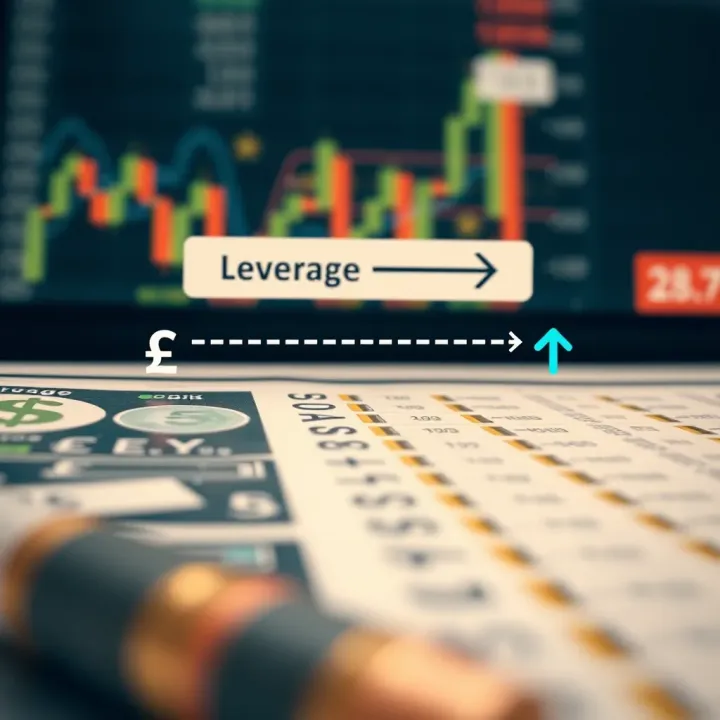
📊 Learn how margin shapes your forex trades, its risks, and margin calls. Get practical tips tailored for Nigerian traders managing forex margins wisely.
Based on 5 reviews