
Forex Market Hours in Nigeria: When Trading Starts
📈 Discover how Nigeria's time zone shapes forex market hours, learn when trading starts, and get tips to trade smarter with market shifts!
Edited By
Emily Watson
Forex trading is active 24 hours a day but operates through different sessions based on global financial centres. These trading sessions—mainly Tokyo, London, and New York—set the pace for market activity and help determine when volatility and liquidity peak. For traders in Nigeria, understanding these sessions offers a strategic advantage, as market behaviour varies depending on local time and session overlaps.
Each session follows a specific timetable, reflecting the opening and closing hours of the major exchanges. The Tokyo session starts around 12:00 am WAT and runs until 9:00 am WAT, bringing in activity primarily from the Asian markets. London opens later, roughly 8:00 am WAT to 5:00 pm WAT, dominating forex volume due to its position between Asia and the United States. Lastly, New York takes over from 1:00 pm WAT until 10:00 pm WAT, providing fresh momentum especially around the US economic releases.
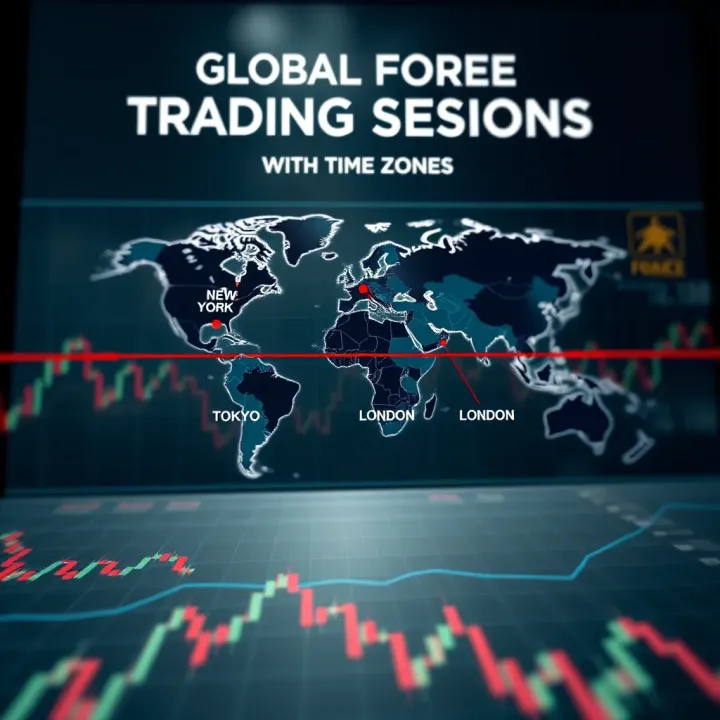
The key to trading effectively lies in recognising when these sessions overlap — moments when two markets are open simultaneously. Such overlaps tend to amplify price movements and trading opportunities due to increased participants and volume.
Tokyo Session: Known for lower volatility compared to London and New York, but carries significance for currency pairs involving the Japanese yen (JPY) and other Asian currencies. Asian economic news can trigger price changes during this period.
London Session: This session often shows high liquidity and sharp price swings, reflecting Europe's economic news and banking activities. Currency pairs like GBP/USD, EUR/USD experience active trading.
New York Session: Marked by strong volume and volatility, especially near US economic data releases such as non-farm payrolls or Federal Reserve announcements. Traders often see quick price reactions.
Understanding session times helps Nigerian traders align their trading hours with peak market activity, enhancing profitability and risk management. For example, an Abuja-based trader awake by 8:00 am WAT can catch the London session's morning volatility and prepare for the New York session overlap in the afternoon.
Moreover, leveraging the Tokyo-London overlap (which is brief but present) offers niche opportunities in Asian and European currency pairs. On the other hand, the London-New York overlap, being the longest and most liquid, is ideal for scalping and intraday strategies.
In summary, mastering the timing of forex trading sessions empowers traders to pinpoint when the market moves most, better plan their trades, and understand the ebb and flow of liquidity and volatility across global markets.
Forex trading does not operate in a vacuum; it moves in cycles aligned with the working hours of major financial centres around the world. These cycles, known as forex trading sessions, determine market liquidity and volatility throughout the 24-hour trading day. For Nigerian traders, understanding these sessions is more than just academic – it is a practical guide to choosing the best times to enter or exit trades, manage risk, and anticipate market moves.
A trader who knows when the London or New York sessions start, for example, can expect higher market activity and wider spreads, making certain strategies more effective. On the other hand, low-activity periods may result in slow price movement, which some traders prefer to avoid. This awareness translates directly into better trade timing, improved risk control, and overall enhanced trading performance.
A forex trading session refers to the time frame when a particular global financial centre is active and conducting most of its market business. Unlike stock markets, forex never shuts down completely but shifts as the major centres open and close. Each session reflects the local business hours and economic activities of its region, affecting which currency pairs see the most action and the typical market behaviours.
Trading sessions are named after the cities or regions housing their primary centres, like Tokyo, London, or New York. Each has distinct characteristics from liquidity to volatility and market sentiment. Traders following Nigerian schedules closely map these session times to West Africa Time (WAT) for better operational planning.
The Asian Session kicks off with Tokyo leading the pack. It runs roughly from 11 pm to 8 am WAT. Although it lacks the intensity of European or North American sessions, it sets the tone for the trading day. Liquidity mainly comes from Asian currencies like the Japanese yen (JPY), Australian dollar (AUD), and Singapore dollar (SGD).
Practically, Nigerian traders might watch this session for early clues about market direction, especially in USD/JPY or AUD/USD pairs. Price action tends to be steadier but can surprise when economic data from China or Japan emerges.
The European Session, centred on London, commands the most trading volume globally and runs from 8 am to 5 pm WAT. As the financial hub for many currencies, this session sees the highest liquidity and most sharp movements, especially on GBP/USD, EUR/USD, and USD/CHF pairs.
For Nigerian traders, this session is critical due to the overlap with local business hours. Market volatility spikes here create opportunities but also demand careful risk management. Economic releases from the UK, Eurozone, and other European countries often happen during this period, influencing price swings.
New York leads this session, running from 1 pm to 10 pm WAT. It overlaps with the London session for a few hours, making it the most actively traded period. The session responds heavily to US economic news like Federal Reserve announcements and jobs data, impacting USD pairs profoundly.
The North American session often features high volume in USD, CAD, and MXN pairs. Nigerian traders who can adjust their schedules to catch this window find chances for quick moves and active trading, especially during the London-New York overlap.
The Pacific Session is less talked about, starting with Sydney and closing before the Asian rush, approximately 9 pm to 6 am WAT. It tends to show lower liquidity and volatility but marks the start of the trading day for some forex participants.
For traders in Nigeria, the Pacific session rarely offers the high-volume opportunities seen later. However, it’s useful for those monitoring Australian or New Zealand dollar pairs or looking to spot early market sentiment before the Tokyo session.
Understanding these sessions helps Nigerian traders align their strategies with market realities instead of trading blindly against the clock.
By recognising the traits and hours of each session, traders gain a clearer picture of when markets are active, which currency pairs to watch, and how global economic events might shift forex flows during the day.
Understanding the key characteristics of each forex trading session is vital for traders aiming to time their trades effectively. Each session reflects different regional activity, liquidity, and volatility patterns that directly impact currency price movements. Nigerian traders, operating in West Africa Time (WAT), must grasp these traits to optimise entry and exit points and avoid thin markets that can lead to erratic price swings.
The Asian session generally runs from 12:00 am to 9:00 am WAT, covering markets like Tokyo and Singapore. This timing means Nigerian traders keen on early morning trading can catch opportunities as Asian financial centres wake up. However, the Asian session’s activity slows down towards the end as the European session gears up.
Liquidity during the Asian session tends to be lower compared to European and North American sessions. Volatility is generally muted, particularly in the early hours when fewer market participants are active. Yet, this session sees steady moves influenced by economic data releases from Japan, China, and Australia, so it’s not all dull. Traders targeting specific Asian currencies can find worthwhile price action.
Pairs involving the Japanese yen (JPY), Australian dollar (AUD), and New Zealand dollar (NZD) gain prominence during the Asian session. For example, USD/JPY and AUD/USD often show consistent trading volume. Nigerian traders interested in emerging market currencies might also monitor unusual activity in Asian-cross pairs, especially around key economic releases.
The European session opens at 8:00 am and closes at 5:00 pm WAT, aligning well with the Nigerian business day. London’s status as the world’s foremost forex hub means this session attracts the highest daily trade volumes and liquidity. For Nigerian traders, this timing is ideal for active market participation without disrupting the day’s routine.
The European session is hallmark for sharp volatility swings, especially within the first few hours after opening. London’s market start often triggers rapid price movements as traders digest overnight news and prepare for US market openings later. Volatility typically peaks during economic releases from the UK and the Eurozone, offering traders chances to catch significant trends.
The session primarily affects EUR/USD, GBP/USD, and USD/CHF pairs, given London’s dominant presence in European financial markets. Nigerian traders can expect heightened activity and tighter spreads on these major pairs, offering more precise risk management and strategic entries.
The North American session runs from 1:00 pm to 10:00 pm WAT, covering New York as the key market. This session overlaps partially with the European close, enhancing liquidity and stirring intense market action during the overlap hours. For Nigerian traders, this often translates to a busy afternoon and evening trading period.
This session features a high level of market activity and tendency for breakout moves, especially following US economic indicators releases like the Non-Farm Payrolls or Federal Reserve statements. Traders need to be ready for sudden price swings during these times and adapt strategies accordingly.
USD pairs dominate trading during the North American session, with EUR/USD, GBP/USD, and USD/CAD drawing substantial volume. Nigerian traders focusing on pairs with the US dollar involvement will note marked increases in liquidity, allowing smoother trade execution and better spreads.
Timing your trades around these session specifics can enhance your chances of profiting while minimising exposure to unpredictable low-liquidity environments. Keeping an eye on session hours alongside economic calendars is definitely a smart move for any serious trader in Nigeria.
Trading session overlaps are vital for Nigerian forex traders because they create periods of heightened market activity and liquidity. When two major trading sessions operate simultaneously, traders witness stronger price movements and better order execution due to increased participation. For Nigerian traders, understanding these overlaps helps in timing trades to capture volatility and avoid times of thin liquidity, reducing slippage and enhancing profits.
These overlaps also bring more access to relevant currency pairs, including those paired with the Nigerian Naira (₦). Since Nigerian markets are influenced by activities in both Europe and America, aligning trading strategies with session overlaps allows traders to seize more opportunities and manage risks effectively.
The overlap between the Asian and European sessions, particularly when Tokyo markets are winding down and London markets open, sees a noticeable surge in liquidity. This period offers a smoother flow of trades due to the volume contributed by both regions. For instance, a trader watching the USD/JPY pair might find this overlap allows for more reliable entry and exit points thanks to active players on both sides.
For Nigerian traders interested in ₦-related pairs such as USD/NGN, this window is quite important. The early London session’s liquidity boost means spreads tend to tighten, and price action becomes clearer. Since London is a leading forex centre, the trade flows during this time directly influence naira trading pairs in local and international markets, presenting a chance to capitalise on price moves with better market depth.
This overlap marks one of the busiest and most volatile periods in forex trading. When London and New York markets both trade simultaneously, large financial institutions and hedge funds drive significant price changes. For Nigerian traders, this peak volatility means both risk and opportunity increase. Currency pairs like EUR/USD, GBP/USD, and USD/NGN often show wide swings, which active traders can exploit with the right risk management.
Moreover, this period is the best window for Nigerian traders to be active. It aligns well with Nigeria’s West Africa Time, running roughly from 2 pm to 6 pm WAT, enabling traders to engage after regular work hours. This timing allows for focused trading during a high-liquidity phase, reducing chances of getting caught in erratic price gaps and increasing the likelihood of profitable trades.
For Nigerian forex traders, recognising and aligning with trading session overlaps can shift the odds in their favour by tapping into high liquidity and volatility moments—essential factors for effective trading.
In summary, session overlaps provide zones where market activity intensifies, directly affecting liquidity and price action. Nigerian traders who adjust their trading hours to these overlaps can improve order execution, reduce costs, and find more reliable trading opportunities, especially for ₦-related currency pairs. Understanding these windows supports sharper decision-making and better strategy implementation in the dynamic world of forex trading.
Grasping the timing and nature of different forex trading sessions directly influences how traders plan their strategies. Each session—be it Asian, European, or North American—brings distinct liquidity and volatility characteristics. Nigerian traders who align their trades with these patterns can better time entries and exits, manage risk, and capitalize on market moves with more precision.
Matching session hours with Nigerian trading hours is key. For example, the London session overlaps with Nigerian business hours, running roughly from 7:00 am to 4:00 pm WAT. This makes it convenient for traders in Lagos or Abuja to monitor the market actively. Conversely, the Tokyo session occurs overnight in Nigeria, meaning liquidity during that period is typically lower unless the trader pulls an all-nighter. Knowing these overlaps helps you avoid trading during hours when market action may be sluggish or erratic.
Avoiding low liquidity periods is equally important. Trading during thin markets, such as late-night hours in Nigeria when no major sessions are active, often results in wide spreads and unpredictable price jumps. For instance, trying to enter a position around 3:00 am WAT on a weekday can expose you to higher risk without the benefit of fluid market orders. Sticking to active session times like London-New York overlaps often provides tighter spreads and better execution.
Using stop-loss and take-profit limits effectively hinges on session volatility. The London-New York overlap typically sees sharp price swings, where tighter stop-loss orders could result in premature exits. Nigerian traders should consider broader stop-loss thresholds during such sessions to accommodate volatility without risking unnecessary losses. During quieter periods, tighter stops might be more effective to protect capital while maintaining discipline.
Recognising session-specific trends helps shape trade setups. For example, EUR/USD tends to show strong directional moves during European hours, while USD/JPY might trend mainly in the Asian session. A trader aware of these patterns can position accordingly, avoiding pairs that tend to stagnate in certain sessions. This approach minimises exposure to drawdowns and improves chances of capturing profitable movements.
Aligning your trading approach with session activities isn't just about timing; it sharpens your risk management and trade selection, crucial for sustained success in forex.
By understanding when markets are most active in Nigerian time and adjusting risk tools like stop-losses and take-profits accordingly, traders stay a step ahead. Recognising session-specific behaviour strengthens strategy, helping you trade smarter, not harder.
Understanding the timing of forex trading sessions is a major advantage for Nigerian traders. Precision in tracking when markets open and close allows you to spot the most active periods, which usually come with higher liquidity and sharper price moves. This knowledge not only helps in executing trades at the right moment but also in managing risks and planning your daily trading routine around Nigeria's West Africa Time (WAT).
Mobile apps and modern trading platforms serve as essential tools for Nigerian forex traders. Popular platforms like MetaTrader 4, MT5, and brokers such as FXTM or InstaForex provide real-time updates on global market sessions. These apps often show session open and close times converted automatically to your local time zone, making it easier to follow market activity without manual calculations, which reduces mistakes especially during daylight saving changes in other countries.
Setting session alerts is another practical feature you should utilise. Most advanced trading apps allow you to set notifications that inform you right before a major session—like London or New York—starts. This way, you don't have to continuously monitor your charts. An alert before a high-volatility session begins can help you prepare your analysis, adjust your stop-loss orders, and be ready to capitalise on sudden price movements, saving you valuable time and improving your trade timing.
Balancing your trading schedule with work and daily responsibilities in Nigeria is crucial. For example, the London session overlaps partly with typical Nigerian business hours — this overlap offers chances for active trading during a manageable time of day. You can avoid trading too early in the morning during the Asian session, which runs late at night by Nigerian time, and focus instead on sessions where liquidity is higher and markets are more responsive.
Capitalising on active sessions requires planning your trades to coincide with peak market hours for Nigerian traders. The London-New York overlap from 2 pm to 5 pm WAT sees the most volume and volatility, often offering quick price swings ideal for day traders and scalpers. By prioritising trading during this window, you increase the odds of executing profitable trades while spending less time chasing less active markets during other sessions.
Knowing your trading sessions and syncing them with your daily life and tools isn’t just smart—it’s a practical step towards becoming a consistent, strategic trader.
By leveraging technology and managing your time well, you can avoid unnecessary risk during low liquidity times and position yourself to respond swiftly during the busiest market hours. This approach makes your trading more efficient and less stressful, especially when juggling other demands common to Nigerian life.
📈 Discover how Nigeria's time zone shapes forex market hours, learn when trading starts, and get tips to trade smarter with market shifts!
Discover forex trading benefits including financial opportunities, easy access, flexible trading hours, skill growth, and risk management strategies 📈💼💡
📉 Learn how margin and leverage work in forex trading, understand margin calls, and get smart tips to manage your risks effectively in the FX market.
📉 Understand deviation in Nigerian forex trading, learn why it happens, how to manage risks, and boost your trading decisions effectively.
Based on 5 reviews