
Forex Market Hours in Nigeria: When Trading Starts
📈 Discover how Nigeria's time zone shapes forex market hours, learn when trading starts, and get tips to trade smarter with market shifts!
Edited By
Isabella Reed
Forex trading is a 24-hour market, but knowing the exact hours it operates is key to sharpening your strategy in Nigeria. Unlike the Nigerian Stock Exchange, which runs standard business hours, the forex market follows global sessions driven by financial hubs across the world. Understanding these sessions and how they overlap with Nigerian local time (West Africa Time, WAT) can help you exploit price movements and avoid unnecessary risks.
In practical terms, the forex market opens on Sunday evening and closes on Friday evening Nigerian time. But not all hours are created equal. The market activity peaks during the overlaps of major trading sessions, where liquidity and volatility pick up—this is when traders can find the best opportunities.
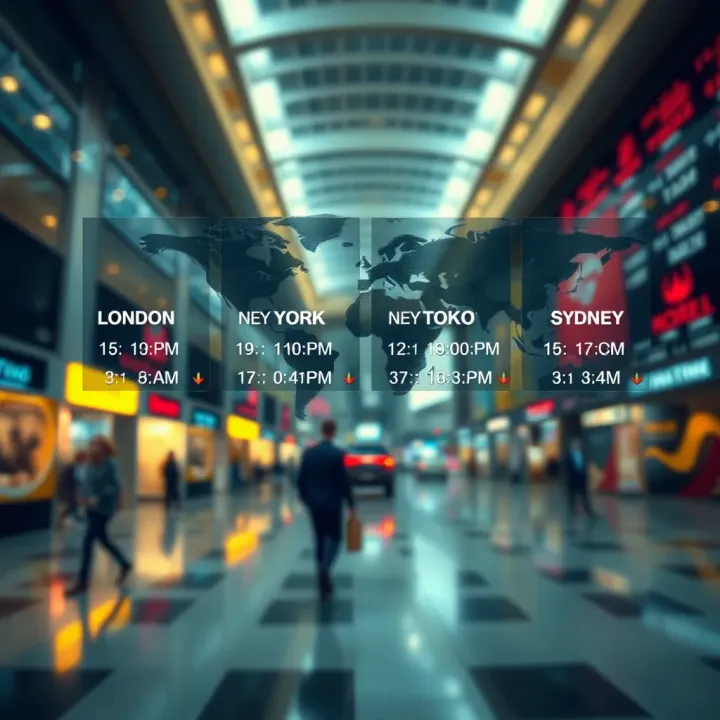
Successful traders watch the clock carefully, timing their trades to coincide with the busiest market periods when price swings are sharper and spreads narrower.
The four main forex sessions are:
Sydney session: Opens at 9 pm and closes by 6 am WAT
Tokyo session: Runs from 12 am to 9 am WAT
London session: Opens at 8 am and shuts down around 5 pm WAT
New York session: Lasts from 1 pm to 10 pm WAT
Key overlaps occur between London and New York sessions (1 pm to 5 pm WAT) and between Tokyo and London sessions (8 am to 9 am WAT). These overlaps usually come with higher trading volumes and volatility.
For Nigerian traders, focusing on these peak times can enhance trade execution. The London–New York overlap, for example, aligns with post-work hours and evening leisure time in Nigeria, making it convenient to monitor trades without missing critical moves.
Local factors also play subtle roles. Power supply challenges and internet stability can affect trade timing and execution quality in Nigeria. Ensuring a reliable power backup and fast internet connection is vital during active forex hours to avoid slippage or missed opportunities.
Understanding forex trading hours is not just about clock-watching; it is about aligning your trading plan to fit market rhythms and your local realities. This clarity helps you avoid trading at slow hours when the market is less predictable and returns are minimal.
Next, we will break down each session further and explore how to adjust your forex trading strategy to these schedules in Nigeria.
Understanding how forex trading operates and its global timetable is essential for any trader in Nigeria aiming to make informed decisions. Forex trading involves exchanging one currency for another based on their relative values, seeking to profit from price changes. Since the forex market is the largest financial market worldwide, it never actually closes. This continuous activity occurs because trading moves through various financial centres spread across different time zones.
Forex trading, at its core, is buying one currency while simultaneously selling another. The major purpose is to profit from fluctuations in exchange rates, driven by factors like economic data, geopolitical events, and market sentiment. For instance, a Nigerian trader might buy the US dollar (USD) against the Nigerian naira (NGN) anticipating that the dollar will strengthen.
In Nigeria, popular currency pairs reflect the country's trading and economic ties. The USD/NGN pair is significant due to Nigeria's reliance on the dollar for imports and oil exports. Other important pairs include EUR/USD and GBP/USD, as these currencies are common in international trade and affect market liquidity.
The forex market operates in four major trading sessions aligned with global financial centres: Sydney, Tokyo, London, and New York. Each session corresponds to the local business hours of these financial hubs and has different market characteristics. The Sydney session marks the start of the trading day, followed by Tokyo, then London, and finally New York. Together, these sessions offer nearly 24 hours of trading availability.
For Nigerian traders, knowing the timing of these sessions in West Africa Time (WAT) helps to pinpoint when markets are most active. The London and New York sessions are especially important since they cover periods of high economic activity and volatility.
Liquidity in forex markets depends largely on the overlap between different trading sessions. When the London and New York sessions overlap (typically 2 pm to 6 pm WAT), trading volumes surge, leading to tighter spreads and more price movement. This period is considered the most favourable for Nigerian traders looking for active market conditions.
Similarly, overlaps between Tokyo and London sessions can also create unique opportunities, though less pronounced than the London-New York overlap. Understanding these overlaps allows traders in Nigeria to better plan their entries and exits, avoiding quieter periods with low liquidity that might cause wider spreads or erratic price swings.
Recognising the global forex schedule is a practical way to align your trading activities with periods of optimal market action, boosting the chances of profitable trades.
Understanding forex market hours in Nigerian time is essential for planning your trading activities effectively. Since the forex market operates 24 hours but across different global sessions, knowing when these sessions open and close in West Africa Time (WAT) helps Nigerian traders maximise opportunities and avoid periods of low activity.
The forex market is divided into four major sessions: Sydney, Tokyo, London, and New York. Converting their trading hours to WAT places Sydney’s session from 9:00 pm to 6:00 am, Tokyo from 12:00 am to 9:00 am, London from 8:00 am to 5:00 pm, and New York from 1:00 pm to 10:00 pm. These times are particularly relevant for Nigerian traders who rely on local clock to decide the best time to engage the market.
Being aware of these sessions in your local time allows you to select trading periods that fit your daily routine. For instance, a trader who works typical business hours might focus on late evening or early morning sessions. Conversely, those with flexible schedules can exploit overlaps for higher liquidity and tighter spreads.
The crucial overlaps for traders in Nigeria occur between the London and New York sessions, from 1:00 pm to 5:00 pm WAT, and between Tokyo and London, from 8:00 am to 9:00 am WAT. During these overlaps, market liquidity improves significantly, leading to more price movement and better trading conditions.
A practical example is the London-New York overlap when major economic news from the US and Europe often coincide, affecting currency pairs like GBP/USD and USD/EUR more strongly. Nigerian traders can exploit these hours to enter trades with better chances of profitable moves.
The best hours for active trading from Nigeria usually fall between 12:00 pm and 6:00 pm WAT, aligning with the London and New York session overlap. During this period, currency pairs are generally more volatile, providing chances for quick profit-taking. Traders have ample liquidity, which narrows bid-ask spreads, reducing trading costs.
Outside these hours, particularly during the Sydney and Tokyo sessions, the market tends to be quieter. Spreads widen as liquidity drops, making it costlier to open and close positions. That said, this quieter market can suit strategies that rely on steady trends or breakouts.
Time also impacts volatility and spreads in Nigeria due to local economic events. For example, during Nigerian Central Bank announcements or public holidays, forex liquidity may briefly fluctuate, influencing spreads and price action. So, combining awareness of global session times with local events gives traders a solid edge.
Mastering the conversion of global forex sessions to Nigerian time and recognising key overlaps is vital. It helps you not only target the most liquid trading hours but also plan around local factors that affect market behaviour.
Understanding the factors that influence forex trading times is vital for Nigerian traders aiming to optimise their strategies. The local business environment, including the economic calendar and banking sector schedules, directly impacts market activity. On the other hand, global events and announcements create waves in trading volatility and liquidity, which traders in Nigeria must anticipate to maximise profits.
The Nigerian economic calendar plays a notable role in forex market activity. Key local events such as the Central Bank of Nigeria (CBN) monetary policy meetings, quarterly GDP releases, and inflation reports can cause spikes in trading volume. For instance, on days when the CBN announces changes to the monetary policy rate, forex market volatility often surges as traders react to the prospect of naira fluctuations. This means that actively tracking these dates allows traders to position themselves advantageously.
Moreover, seasonal factors tied to Nigeria’s fiscal year and government budgets also influence currency behaviour. During the ember months — from September to December — trading may experience increased activity due to higher import demand and financial year-end adjustments. This heightened business activity leads to more pronounced naira demand, affecting forex market spreads and volatility during these periods.
Nigerian banks and financial institutions hold a crucial place in forex trading, especially in how they manage foreign exchange liquidity. Most forex transactions in Nigeria involve the banking sector, which operates standard office hours, typically 8:00 am to 4:00 pm WAT on weekdays. This limited window affects when large trades can be settled or when certain forex services like currency swaps and transfers are available. For example, after banking hours, liquidity may reduce sharply, causing wider bid-ask spreads and less favourable trading conditions.
Furthermore, Nigerian banks often align with global correspondent banks, creating indirect links to international market hours. This alignment means that certain forex activities are smoother during overlaps with London or New York trading sessions, where these international banks operate. Hence, understanding banking hours can help Nigerian traders avoid illiquid periods that could escalate trading risks.
Important economic announcements from global markets influence forex volatility across all time zones, including Nigeria. Data releases such as the US non-farm payroll report, European Central Bank (ECB) decisions, and crude oil pricing reports are particularly significant to Nigerian traders given Nigeria’s status as an oil exporter and its tight economic ties with the US and Europe.
For example, US economic data published at 1:30 pm WAT can cause rapid naira-dollar movements within minutes, making it crucial for Nigerian traders to monitor global news calendars and prepare accordingly. Missing out on such events may expose traders to unexpected volatility and potential losses.
Timing trades around news releases and geopolitical developments requires discipline and swift decision-making. Traders typically avoid opening or closing positions just before major announcements to prevent slippage or sudden price gaps. Instead, they monitor the market closely and resume trading once the initial market shock subsides, usually within minutes to hours after the announcement.
Additionally, geopolitical tensions such as conflicts, sanctions, or diplomatic issues can disrupt currency stability. Nigerian traders must stay alert to events impacting global oil supply or US-Nigeria relations, as these can have an immediate impact on naira liquidity and value.
Aligning your trading hours with both local economic schedules and global news events significantly improves your chances of profitable trades while reducing exposure to sudden market swings.
By understanding these local and international factors, Nigerian forex traders can plan their activities better, avoid unnecessary risks, and capitalise on peak trading moments relevant to their unique context.
Navigating forex trading hours effectively is vital for Nigerian traders to make the most of available opportunities while reducing risks. Given Nigeria's West Africa Time (WAT) zone, aligning trading sessions with personal schedules and market activity boosts profitability and helps avoid pitfalls such as low liquidity or excessive spreads. Practical advice on timing isn't just about watching clocks; it involves understanding local demands, technology use, and market behaviour.
Balancing forex trading with work and family life can be tricky in Nigeria, where most traders juggle daily jobs or other commitments. For example, many Nigerians work standard office hours, roughly 8 am to 5 pm, which overlaps with quieter forex market sessions. Therefore, it often makes sense to focus trading activities in the early morning or late evening when the London and New York sessions overlap, bringing higher liquidity.
This approach minimises distractions from day jobs and family while capitalising on volatile market periods, especially during peak hours from 2 pm to 6 pm WAT. For traders living in Lagos or Abuja, where traffic and daily errands consume significant time, scheduling trades during these windows prevents missed opportunities without disturbing daily routines.
Using mobile trading platforms provides Nigerian traders the flexibility to engage with markets even outside formal work settings. Apps from platforms like GTBank, Kuda, or OPay allow quick order placements and adjustments on the go. This accessibility is especially useful during active forex hours when rapid responses to price changes matter most.
Moreover, mobile alerts can inform traders instantly about market shifts or news releases, allowing timely decisions without being glued to a desktop. For example, a trader commuting in a danfo might receive notifications prompting quick buy or sell actions, helping to manage positions effectively without delay.
Trading outside peak forex hours often means facing low liquidity, which leads to wider bid-ask spreads. This can erode profits or increase losses unfairly. Nigerian traders who attempt to trade around midnight WAT or during the Sydney session find that fewer market participants cause unpredictable price swings and slower trade execution.
Wider spreads during these off-peak times mean the cost of entering or exiting trades rises, making apparently small price movements harder to capitalise on. It's much like trying to sell tokunbo cars on a quiet street where buyers are few and prices fluctuate wildly.
To manage trades during volatile or quiet periods, Nigerian traders should adopt stricter risk management. This includes setting tighter stop-loss orders and avoiding large positions in low-volume hours. Monitoring economic calendars for key news releases helps as well since events like US interest rate decisions typically cause spikes in volatility around late afternoon WAT.
An effective tip is to focus on developing a trading plan that accounts for these quieter markets by reducing trade frequency or using limit orders rather than market orders to control entry prices. This practice helps prevent being caught in sudden price movements that occur when liquidity dries up.
Successful Nigerian forex traders understand that timing their trades with the market’s rhythm and their personal lifestyle reduces stress and increases chances of profit.
In summary, aligning trading with Nigerian daily realities and leveraging mobile platforms enhances trading efficiency. Meanwhile, recognising and managing the risks tied to off-hours trading ensures better control over outcomes.
Understanding the best forex trading times is vital for Nigerian traders aiming to maximise returns and minimise risks. Because the forex market runs 24/5 across different global sessions, knowing when these sessions align with Nigerian local time (WAT) helps traders catch periods with higher liquidity and volatility. This section summarises those prime times and how to adjust your strategies for local market conditions.
The global forex market is divided mainly into four trading sessions: Sydney, Tokyo, London, and New York. For Nigerian traders, these sessions translate differently into West Africa Time. London and New York sessions offer the most activity overlapping with Nigerian working hours, typically from 3 pm to 11 pm WAT. This overlap creates high liquidity, leading to narrower spreads and good volatility — ideal for traders.
Between 3 pm and 7 pm WAT, traders in Nigeria can take advantage of the London-New York overlap, which often witnesses sharp price movements. These hours hold opportunities for day traders and scalpers who thrive on quick, frequent trades. On the other hand, the Tokyo session, which runs from 12 am to 9 am WAT, can still offer trading opportunities but usually with less volatility compared to London and New York.
To maximise gains during peak hours, timing matters. Avoid entering trades too close to market opens or closes, when price spikes and spreads tend to widen unexpectedly. Setting alerts for major economic events announced during these hours can also improve trade timing. For instance, Nigerian traders often watch the US Nonfarm Payroll releases or Bank of England rate decisions, since these influence currency pairs involving the naira's proxy currencies like the dollar or euro.
The Nigerian forex trading scene is uniquely affected by the naira’s frequent fluctuations and government currency controls. Traders must factor in central bank policies that can cause unexpected changes in exchange rates, especially around public announcements or policy reviews. These controls sometimes restrict naira liquidity offshore, influencing pairs involving NGN indirectly through proxies like USD, EUR, and GBP.
Beyond global sessions, Nigerian economic indicators such as inflation rates, petrol subsidy reviews, and trade balance figures greatly impact local forex sentiment. Integrating the timing of these reports into trading plans can help capture market moves specific to Nigeria’s economy. For example, scheduling trades around monthly inflation data releases by the National Bureau of Statistics can benefit traders betting on naira volatility.
Successful forex trading from Nigeria involves blending global market hours with local economic events and currency realities. Watching the clock and key announcements together can turn timing into profit.
In summary, Nigerian forex traders can gain an edge by targeting peak global sessions during WAT, especially the London-New York overlap. They must also keep a close eye on factors influencing naira strength and local economic news, positioning their trades to reflect both international and home-market dynamics.
📈 Discover how Nigeria's time zone shapes forex market hours, learn when trading starts, and get tips to trade smarter with market shifts!
📈 Discover how online forex trading works in Nigeria, learn top strategies, navigate popular platforms like MTN and OPay, and manage risks to protect your ₦ investments efficiently.
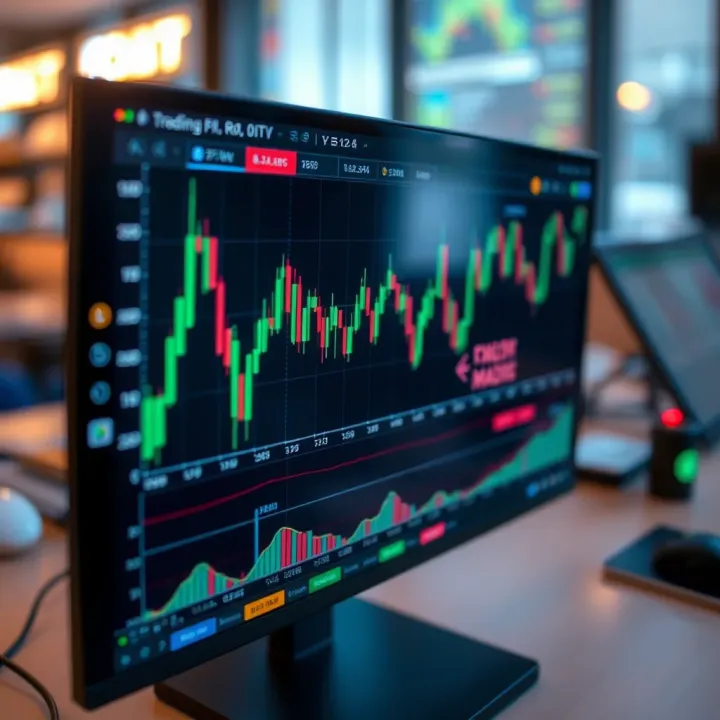
Learn the nuts and bolts of forex trading in Nigeria 🇳🇬. Understand how the market works, key terms, starting tips, risk moves, and avoid common mistakes.
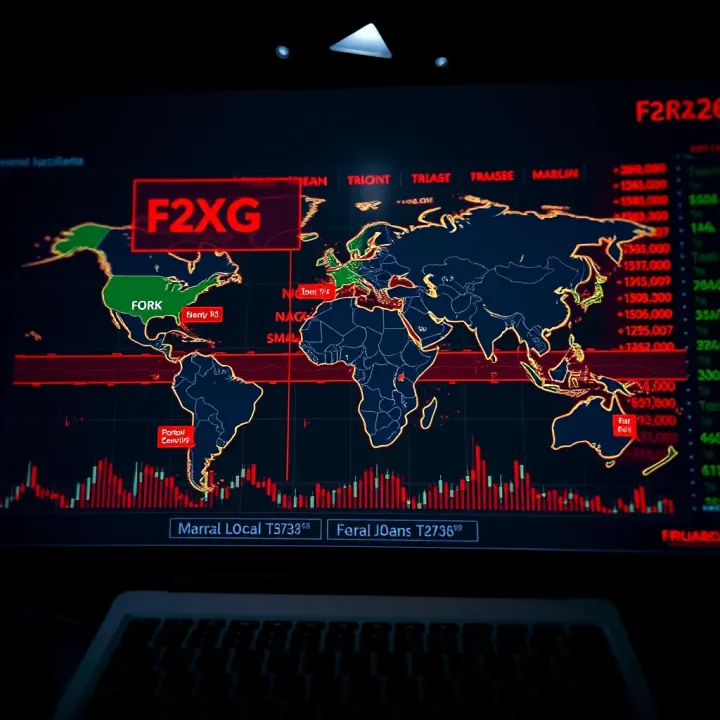
Learn when the forex market opens in Nigeria⌚️, understand global trading sessions🌍, and get tips to improve your forex timing🕒 for better trades.
Based on 12 reviews