
Forex Trading Hours in Nigeria Explained
📈 Discover the best forex trading hours in Nigeria 🇳🇬. Learn when global sessions overlap with local time to boost your ₦ profits and avoid mama put distractions.
Edited By
Henry Collins
Forex trading operates 24 hours a day during weekdays, but knowing when to trade is vital for Nigerian traders aiming to maximise profits. Nigeria runs on West Africa Time (WAT), which is UTC+1. This time zone sets the daily rhythm for forex market activity in the country.
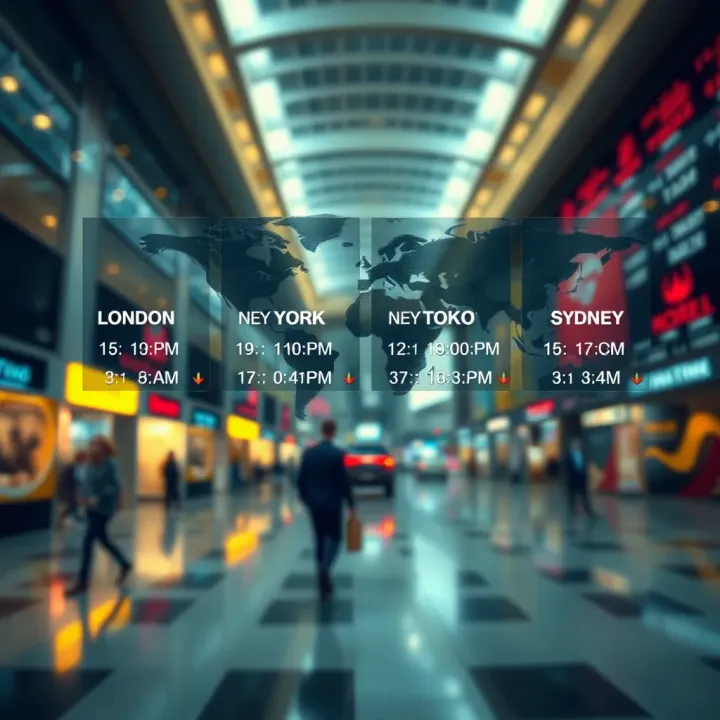
Global forex markets divide trading into four main sessions: Sydney, Tokyo, London, and New York. Each session follows its local business hours, but because they overlap, traders have windows of intense activity and volatility. For example, London and New York sessions overlap in the afternoon Nigerian time, often leading to sharp price movements.
Understanding these sessions in WAT helps Nigerian traders plan when to enter or exit trades. For instance, the London session starts around 8 am WAT and closes at 5 pm WAT. Meanwhile, the New York session runs from 1 pm to 10 pm WAT. The overlap between 1 pm and 5 pm WAT typically sees the highest trading volume and liquidity.
Trading during overlaps often means tighter spreads and more opportunities but also increased volatility, so timing your trades carefully is key.
Knowing the forex market hours relative to WAT avoids surprises from unexpected market closures, especially during public holidays in major financial centres that may affect trading volumes.
Here are practical takeaways for Nigerian forex traders:
Match trading sessions with your schedule: Morning traders can focus on London and early New York sessions, while night owls might prefer the late New York session.
Use session overlaps to your advantage: Higher liquidity during overlaps can improve order execution but demands quick decision-making.
Monitor economic calendars: Global events during these sessions impact price action; knowing event timings in WAT aids strategy adjustments.
By aligning trading plans with Nigeria's time zone and global forex sessions, traders can improve execution timing, manage risks better, and potentially enhance returns.
Forex trading moves trillions of dollars daily, reflecting a global marketplace where currencies exchange hands. Understanding the basics of forex and its trading hours is vital, especially for Nigerian traders who must align their activities within local time (West Africa Time) and global sessions to catch the right market waves.
Forex trading is simply buying one currency while simultaneously selling another. Traders bet on currency pairs, for example, the US Dollar (USD) against the Euro (EUR), aiming to profit from price changes. Unlike local stock exchanges that close in the evening, the forex market runs globally across time zones, offering continuous trading around the clock.
Worldwide, forex trading is divided into four main sessions based on major financial hubs: Sydney, Tokyo, London, and New York. Each session corresponds to when these markets are most active. For instance, the Tokyo session usually sees significant activity in Asian currency pairs like USD/JPY, while the London session affects pairs with the British Pound (GBP) and Euro (EUR). Being aware of these sessions helps traders spot when liquidity and volatility tend to peak.
The forex market operates 24 hours a day during weekdays because as one regional session closes, another opens. This rollover means Nigerian traders can engage at virtually any time but must pick moments when markets are active to avoid low liquidity and wide spreads. For example, during the overlap of the London and New York sessions (2 pm to 6 pm WAT), price movements are typically sharper, offering more opportunities for Nigerian traders to enter the market.
Knowing when each session opens and closes in Nigerian time is a powerful edge. It allows you to plan trades during peak market activity, reduce exposure during quieter periods, and avoid unexpected volatility caused by session gaps.
In summary, grasping forex fundamentals combined with market hours enables Nigerian traders to strategise better and make informed decisions amidst global time zones that might otherwise cause confusion.
Nigeria operates on West Africa Time (WAT), which places it one hour ahead of Greenwich Mean Time (GMT+1). This time zone has a direct impact on how Nigerian traders align their forex activities with the global market hours. Since the forex market runs 24 hours a day but opens and closes at different times around the world, knowing Nigeria's position relative to key financial centres helps traders optimise when they enter or exit trades.
For example, understanding that London’s trading session starts at 8:00 am GMT means Nigerian traders expect it to begin at 9:00 am WAT. This knowledge prevents missed opportunities caused by confusion over timing and helps Nigerians plan trading around their daily routines.
West Africa Time is consistently one hour ahead of GMT and UTC, which often serves as the baseline in global financial markets. This fixed difference means Nigeria doesn't have to calculate shifting offsets throughout the year—making time conversions simpler compared to countries that observe Daylight Saving Time (DST). For instance, when it’s 12:00 pm in London during standard time (GMT), it’s already 1:00 pm in Lagos.
This clarity is especially useful for forex traders who need precise timing. Trades involving pairs like GBP/USD or EUR/GBP require coordinating with London’s market hours, so knowing that WAT is GMT+1 makes scheduling straightforward.
Nigeria does not observe Daylight Saving Time, unlike many Western countries such as the UK or the US. This absence means Nigerian traders must adjust their expectations when those countries shift clocks forward or back.
For example, when the UK moves to British Summer Time (BST, GMT+1) in March, London’s time aligns with WAT, so trading hours in Nigeria appear to shift by an hour relative to Nigerian local time. This can affect when the European session starts for Nigerian traders, often moving it an hour later or earlier in their daily schedules. Awareness of this helps avoid trading during unexpected low liquidity periods or market closures.
The forex market is traditionally divided into Asian, European, and North American sessions. Converting these to Nigerian time makes a big difference in planning trades:
Asian session (Tokyo): Runs roughly from 1:00 am to 10:00 am WAT.
European session (London): Runs from 9:00 am to 6:00 pm WAT.
North American session (New York): Runs from 2:00 pm to 11:00 pm WAT.
Knowing these local times helps Nigerian traders decide when to be active in the market. For instance, those who prefer trading EUR/USD often focus on the overlap between the European and North American sessions, which happens in the late afternoon and early evening Nigerian time.
Overlaps between sessions tend to bring higher market liquidity and greater volatility, creating better opportunities for profit. For Nigerian traders, the overlap between the European and North American sessions—occurring from 2:00 pm to 6:00 pm WAT—is especially significant because both London and New York markets operate simultaneously.
This period typically sees sharper price movements and tighter spreads, ideal for scalpers and day traders.
Similarly, the overlap between the Asian and European sessions, though shorter and less volatile, can also present opportunities, especially for trading currencies like JPY and EUR.
By converting these times accurately to WAT, Nigerian forex traders can optimise their schedules, ensuring they participate in the most active market periods and avoid low-volume hours that increase risk.
Understanding the timing and characteristics of major forex sessions helps Nigerian traders plan their activities effectively. Each session brings unique market dynamics, liquidity, and volatility—elements that can influence trading decisions and profitability. Knowing these sessions in relation to Nigerian time, West Africa Time (WAT), allows traders to align their schedules with market activity.
The Asian session primarily runs from 12:00 am to 9:00 am WAT, corresponding with the opening of markets in Japan, Australia, China, and Singapore. For many Nigerian traders, this session occurs mostly overnight and early morning. It means those who trade during these hours may have to adjust their sleep to catch the best market movements.
This session usually sees moderate volatility and steady price movements. Since it involves Asian economies, currency pairs like USD/JPY, AUD/USD, and NZD/USD are actively traded. For example, when the Bank of Japan announces policy changes, these pairs react strongly, presenting traders with opportunities. Nigerian forex enthusiasts focusing on these pairs will find the Asian session crucial for their trading strategies.
The European market opens around 8:00 am and closes at 5:00 pm WAT. This timing overlaps the latter part of the Asian session and the early North American session, making it a particularly active period. Nigerian traders can engage in this session during normal working hours, which makes it easier to follow live market updates.
Because of the London Stock Exchange's role and economic announcements from the UK and Eurozone, the European session often experiences heightened volatility. Pairs such as EUR/USD, GBP/USD, and USD/CHF frequently react to news like European Central Bank rates or Brexit developments. For Nigerians, this session offers opportunities for increased spreads but requires careful risk management because of sharp price swings.
The North American session runs from 1:00 pm to 10:00 pm WAT, coinciding with the opening of the New York and Toronto markets. For Nigerians, this period is convenient because it falls well within the afternoon and evening hours.
This session is often the most volatile due to the overlap with the European market and the release of critical US economic data like non-farm payrolls or Federal Reserve statements. Major pairs like USD/CAD, USD/JPY, and EUR/USD experience significant moves. Nigerian traders benefit from this session's abundant trading volume and diverse opportunities, especially if they can match these active hours with their daily routines.
To make the most of forex trading, Nigerian traders should be mindful of session overlaps, currency pair activity, and their personal schedules. Adjusting trading times to these sessions can significantly improve potential returns while managing risks effectively.
Navigating forex markets from Nigeria requires a clear understanding of how time zones affect trading hours. For Nigerian traders, aligning trading activities with global market sessions can improve decision-making, reduce risks, and boost profitability. The major global forex sessions operate on different time zones, making it essential to select the most active periods relevant to Nigeria's West Africa Time (WAT).
Liquidity in forex means how easily traders can buy or sell currencies without affecting the price much. For Nigerian traders, peak liquidity usually happens when the London and New York sessions overlap, which is from about 2 pm to 6 pm WAT. During this window, trading volumes increase, spreads tighten, and price movements become more predictable. Trading in this period allows for sharper entries and exits—perfect for Nigerians aiming to maximise gains.
Conversely, the forex market experiences lower activity during the Asian session, roughly from 12 midnight to 8 am WAT. Many currency pairs, especially those not involving the Japanese yen or Australian dollar, show low volatility in these hours. For instance, if you try trading the EUR/USD pair between 3 am and 5 am WAT, price action often lacks momentum, potentially leading to stalled trades or unnecessary losses. Nigerian traders can save effort and capital by steering clear of these quiet hours.
With Nigeria operating on WAT, and forex markets scattered across GMT, EST, and JST zones, converting times accurately is a must. Time zone converters help Nigerian traders quickly find the exact market open and close hours without confusion. For example, when daylight saving time starts in the US, New York session hours shift, and manual calculation can cause errors. A reliable online converter or app eliminates mistakes, ensuring timely trades.
Apps like TradingView, Forex Factory, and Myfxbook provide real-time session timers adjusted to your local time (WAT). Nigerian traders benefit from features such as session alerts, volatility heatmaps, and economic calendars. Checking these tools regularly helps you plan trades around market openings, news releases, and overlaps, all optimised for Nigerian timezone.
Most Nigerian traders balance forex with daytime jobs or school. To avoid burnout, it's vital to focus on trading sessions that fit your daily routine. For instance, a Lagos-based trader working from 9 am to 5 pm might find it practical to trade during the London-New York overlap in the afternoon. Planning trades during manageable hours prevents exhaustion and poor decision-making.
Setting reminders around the major market opens can enhance trading timing. The London session starts at 8 am WAT, and the New York session opens at 1 pm WAT; being ready at these times allows you to catch swift market moves. Nigerian traders should prioritise major openings in their schedules and avoid last-minute trades during closing hours when liquidity dips.
For Nigerian forex traders, mastering time zone differences is not just handy—it’s vital. The right timing combined with the proper tools and personal schedule management can define your success in the market.
Trading forex from Nigeria involves navigating time zone differences that affect when markets open and close globally. These time gaps bring specific challenges Nigerian traders must understand to optimise trading strategies and manage risks effectively. We discuss two major hurdles: market gaps and volatility outside Nigerian business hours, and the impact of Nigerian public holidays on trading plans.
Forex markets operate round the clock but with varying activity levels across sessions. Nigerian traders often find themselves out of sync with major market openings since global sessions like New York or Tokyo open when many Nigerians are asleep or at work. This mismatch can lead to market gaps — sharp price movements that happen between trading sessions when the market is closed or quiet.
For example, a major economic event in the US might trigger price swings outside Nigerian day hours, catching traders off guard. If a trader places orders without accounting for these gaps, they may experience slippage or unexpected losses. Volatility tends to spike around session openings and closures, often during the London-New York overlap around 2 pm to 4 pm WAT, which Nigerian traders must watch closely for better liquidity and tighter spreads.
To manage these challenges, Nigerian traders should:
Use limit and stop orders to control entry and exit points during volatile periods
Monitor major news releases globally and adjust trading times to accommodate unexpected events
Combine technical analysis with an understanding of session overlaps to predict possible volatility spikes
Unlike weekends and global market holidays, Nigerian public holidays can affect traders’ schedules without actually closing forex markets. For instance, during holidays like Sallah or Christmas, many Nigerian traders may pause activity due to family commitments or reduced local market participation.
While global forex markets remain open, Nigerian traders often face lower local liquidity and less active peer interaction on trading platforms. This environment may increase spreads and reduce trading volumes, making it riskier to trade at certain times. Additionally, if a public holiday coincides with a major global event, traders must be extra cautious.
Practical steps for Nigerian traders include:
Planning trades around known public holidays to avoid low activity periods
Keeping alerts for global economic calendars to stay informed during local downtime
Using demo accounts during holidays to test strategies without risking real money
Understanding these challenges helps Nigerian forex traders balance market timing against practical lifestyle needs. Proper planning and awareness of forex hour dynamics can turn potential pitfalls into informed decisions.
By recognising how global operating hours and local holidays influence trading, Nigerians can better position themselves for consistent gains and fewer surprises in the forex market.
📈 Discover the best forex trading hours in Nigeria 🇳🇬. Learn when global sessions overlap with local time to boost your ₦ profits and avoid mama put distractions.
📈 Discover how online forex trading works in Nigeria, learn top strategies, navigate popular platforms like MTN and OPay, and manage risks to protect your ₦ investments efficiently.
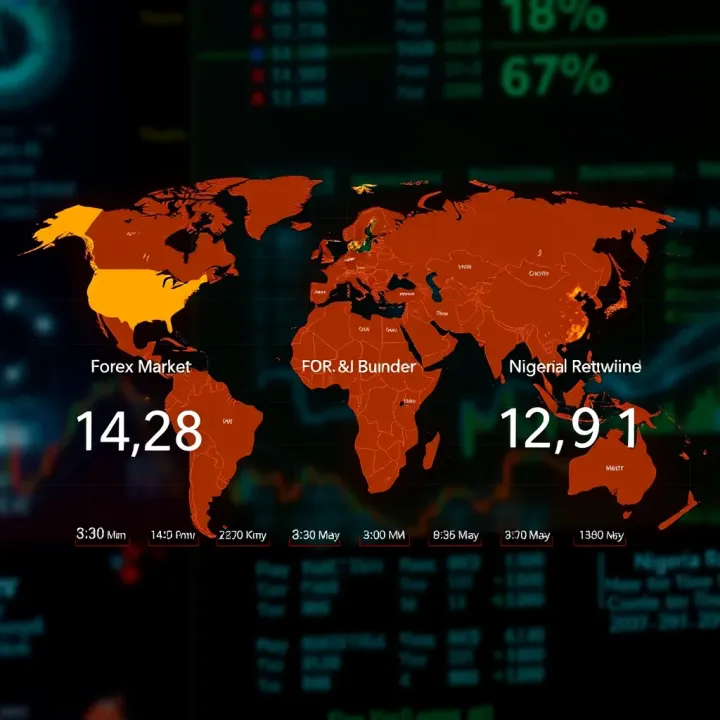
📈 Discover how Nigeria's time zone shapes forex market hours, learn when trading starts, and get tips to trade smarter with market shifts!
Discover how to pick the best Nigerian trading websites 🖥️, understand types, stay safe 🔐, manage payments, and trade wisely for real profit 💹.
Based on 11 reviews