

Top Crypto Exchanges in Nigeria Reviewed
Explore Nigeria’s top crypto exchanges with a clear look at features, security, user friendliness, and the best options to trade Bitcoin, Ethereum, and others safely 🔒 ₦
Edited By
Amelia Grant
FaucetPay is a digital wallet tailored for crypto micropayments, making it easier to receive, send, and manage small cryptocurrency amounts. In Nigeria, where the crypto community keeps expanding despite regulatory uncertainties, such a tool lets users tap into micro-earning opportunities without high transaction costs.
Unlike major wallets designed for large transfers, FaucetPay focuses on microtransactions often seen in earning crypto from faucets, completing surveys, or participating in paid tasks. For traders and investors, this means quicker accumulation or transfer of tiny crypto sums that would normally get eaten by network fees on bigger platforms.
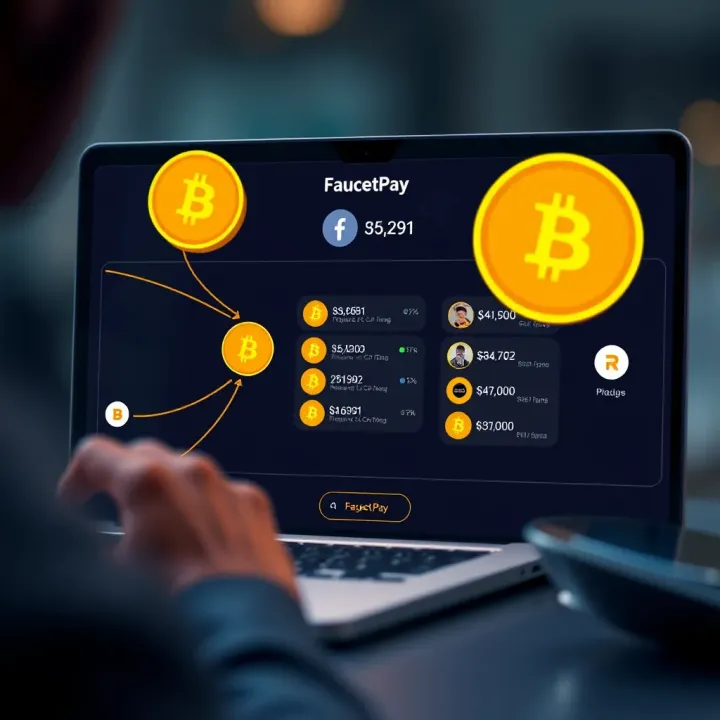
One key advantage is FaucetPay’s integration with numerous cryptocurrency faucets, enabling users to claim small crypto amounts periodically. Plus, it supports instant transfers across several tokens, including Bitcoin (BTC), Litecoin (LTC), and Dogecoin (DOGE), which are well-known and regularly traded on Nigerian exchanges and platforms like Binance Nigeria and Luno.
For financial analysts and forex brokers, FaucetPay provides a window into micro transaction flows, useful for understanding emerging crypto usage patterns among retail participants.
Ease of use is a strong point here. Setting up a FaucetPay account requires just an email and password, without extensive identity verification, which suits Nigerians exploring crypto casually. However, this also means users must be careful with security practices, as the wallet does not offer the layered protection seen in banks or larger exchanges.
Transaction fees are minimal, often fixed amounts rather than percentages, making FaucetPay cost-effective for very small transfers. This setup aligns with Nigeria’s high reliance on mobile internet and lower average income per online transaction, allowing users to transact without excessive charges.
In practice, using FaucetPay facilitates:
Accruing crypto rewards from various faucets and microtask sites.
Sending and receiving small crypto amounts instantly, bypassing blockchain confirmation delays.
Consolidating small amounts from multiple sources into one wallet for easier trading or withdrawal.
For Lagos-based traders or financial experts watching micro transaction trends, FaucetPay offers a practical way to engage with crypto at grassroots levels. It fits neatly within Nigeria’s digital economy where many transact in small sums daily, much like paying for okada rides or buying food from mama put.
Understanding FaucetPay’s role is vital for grasping how tiny crypto flows contribute to wider adoption and financial inclusion in Nigeria’s growing fintech and crypto sectors.
Grasping what FaucetPay is and how it operates is key for anyone interested in managing small crypto payments efficiently. This micro wallet simplifies receiving, sending, and withdrawing minor cryptocurrency amounts — a task that traditional wallets find cumbersome. For traders or investors handling microtransactions, understanding its mechanics allows smoother, cost-effective dealings.
Micro wallets are specialised digital wallets designed to hold and transfer very small amounts of cryptocurrency. Unlike regular wallets intended for larger transactions, micro wallets focus on convenience and speed for small payments, typically ranging from a few kobo to a few naira worth of crypto. For example, a user earning ₦50 worth of Bitcoin from a crypto faucet can easily store this amount in a micro wallet without worrying about high withdrawal fees.
These wallets matter because they act as intermediaries for tiny payments that, if handled by standard wallets, would incur disproportionate fees or slow processing. For instance, when dealing with frequent small earnings from multiple faucets, users avoid the headache of consolidating funds or waiting long periods for withdrawals.
FaucetPay supports a range of popular cryptocurrencies, including Bitcoin (BTC), Ethereum (ETH), Litecoin (LTC), Dogecoin (DOGE), and many others. This diversity enables users to accumulate micro earnings from different coin faucets into a single wallet. The ability to hold multiple cryptocurrencies without needing separate wallets simplifies management considerably.
Key features of FaucetPay include instant withdrawals and notably low fees. Unlike many exchanges or wallets where users have to wait hours or even days for fund transfers, FaucetPay processes micro transactions swiftly — crucial for traders who want to capitalise on market opportunities without delay. Furthermore, the low fee structure means users can transfer or withdraw small amounts without losing significant portions to transaction costs. This makes FaucetPay especially suitable for Nigeria’s growing crypto community where small digital payments gain traction but high fees could discourage participation.
FaucetPay bridges the gap between frequent micro earnings and accessible crypto wallets, making small transactions practical and affordable for users in Nigeria’s bustling crypto landscape.
In summary, understanding how FaucetPay works as a micro wallet and its key functions, including supported cryptocurrencies and its cost-effective features, equips users with the knowledge to integrate it smoothly into their crypto activities.
Setting up a FaucetPay account is the first step toward leveraging its micro-transaction capabilities, especially for Nigerians looking to engage with small crypto payments efficiently. This process is simple but requires attention to detail, as a properly set-up account ensures security, smooth transactions, and access to various crypto earning platforms.
When signing up, it’s crucial to use a strong, unique password and a valid email address to secure your account safely. Avoid using the same password across multiple platforms to limit the risk of hacking, which is a frequent concern in crypto spaces. For example, if you’re also active on Nigerian crypto exchanges like Luno or BuyCoins, your FaucetPay credentials should differ to prevent domino effects in case of breaches.
Once you submit your details, check your email for a verification link. This step confirms your identity and helps prevent bots or fake accounts from flooding the platform. Completing this verification also improves your account’s reliability when dealing with cryptocurrency transactions, which can be sensitive to fraud attempts.
Verification requirements on FaucetPay typically involve straightforward KYC (Know Your Customer) procedures. Users may need to submit identification documents such as a national ID, driver's licence, or international passport. This isn’t merely bureaucratic; its practical side lies in shielding your account from unauthorised access and complying with global crypto regulations. For Nigerians, complying with these checks can also ease fund transfers between platforms, improving access to services that require verified wallets.

FaucetPay stands out thanks to its ease in connecting to multiple crypto faucet websites. These faucets offer users small amounts of cryptocurrency as rewards for completing simple tasks or captchas. Connecting FaucetPay to well-known faucets such as Moon Litecoin or Cointiply means your earnings are sent directly to your micro wallet, avoiding the hassle of managing too many wallets with tiny balances.
Once connected, the micro-earnings from these faucets reflect immediately in your FaucetPay wallet, allowing Nigerians to accumulate crypto in manageable sums. This direct receipt of funds simplifies tracking income and reduces the risk of losing funds due to withdrawal thresholds on individual faucets. For example, if you accumulate ₦500 worth of Bitcoin satoshis from different sites, your FaucetPay account will aggregate these seamlessly, making it easier to transfer or convert later.
Opening and linking a FaucetPay account properly is key to navigating microtransactions without stress. It bridges your earnings from tiny faucets straight into one secure space, easing management and empowering you to make withdrawals or transfers with minimal fuss.
In summary, registering and properly linking your FaucetPay account ensures that you benefit from the efficiency and convenience that micro wallets promise. For traders and investors in Nigeria, this means smoother crypto handling in a market where every naira counts and time is precious.
Managing and withdrawing funds efficiently is the heart of using FaucetPay, especially for traders and investors handling microtransactions. The platform simplifies crypto dealings by allowing users to receive small payments from various sources and send them easily within its ecosystem or to external wallets. Understanding these processes is vital for anyone looking to maximise their earnings, reduce fees, and maintain control over their digital assets.
Funding your FaucetPay wallet involves receiving crypto earnings from linked faucets or platforms. Since FaucetPay connects directly to numerous crypto faucets, Nigerian users can accumulate small rewards from multiple sources into one wallet. For example, a user might earn fractions of Bitcoin or Dogecoin after completing simple tasks or captcha on different sites. These small amounts add up, and FaucetPay’s system ensures they get credited seamlessly without manual consolidation.
Beyond earning, you may also add funds from external wallets or exchanges to fund transactions within FaucetPay. This flexibility allows you to start or top-up your wallet when needed. Since transaction fees inside FaucetPay are usually low, this system is practical for frequent small trades or transfers, helping avoid hefty fees associated with traditional wallets.
Transferring funds to other users or wallets on FaucetPay is straightforward and quick. Suppose you want to send micro payments to a colleague or pay for a service accepting crypto; FaucetPay allows instant transfers between users on the platform. This peer-to-peer aspect reduces delays and eliminates withdrawal fees that typically apply to external transfers.
Additionally, you can transfer funds to external wallets anytime. This feature comes in handy when moving accumulated gains to larger wallets or different crypto exchanges for trading or conversion to Nigerian Naira. As transfers within FaucetPay avoid blockchain fees, they remain cost-effective for routine microtransactions.
Withdrawal limits and fees are key considerations when moving crypto from FaucetPay to outside wallets. FaucetPay sets minimum withdrawal thresholds and charges small fees per transaction, reflecting network costs. For instance, withdrawing Bitcoin might require a minimum balance of 0.0001 BTC while incurring a minor ₦ equivalent fee. These limits help users plan their withdrawals strategically to avoid unnecessary charges.
Since Nigerian traders often convert crypto to local currency, understanding these fees helps preserve value, especially during the ember months when spending peaks. The mix of low withdrawal fees and set limits means you should aim to accumulate funds above the threshold before initiating withdrawals to optimise costs.
Step-by-step withdrawal process is user-friendly but requires careful execution. First, log into your FaucetPay account and go to the withdrawal section. Select the cryptocurrency you want to withdraw, enter the external wallet address accurately, and specify the amount to send.
Before confirming, double-check the wallet address, as mistakes can lead to irreversible loss of funds. Once confirmed, FaucetPay processes your request, usually within minutes, depending on the crypto network speed. Nigerian users can then move these coins to exchanges like Luno or Bundle for conversion to NGN.
Managing your withdrawals carefully ensures you keep most of your earnings, avoiding unnecessary delays or fees. Proper use of FaucetPay’s sending and withdrawing features creates practical advantages in Nigeria’s cryptosphere, where microtransactions are gaining more relevance.
When considering FaucetPay for crypto microtransactions, weighing its benefits against potential pitfalls is key. Nigerian crypto users, in particular, can find value in its design tailored for small, frequent dealings, but also should be aware of its limitations. Understanding these factors helps traders and investors make informed choices, especially in Nigeria’s evolving digital economy.
Ease of access for small transactions
FaucetPay makes handling tiny amounts of cryptocurrency straightforward. In Nigeria, where internet connectivity and transaction costs can deter regular crypto use, it allows users to collect and manage small crypto earnings efficiently. For example, someone earning ₦200 daily from a crypto faucet can conveniently accumulate these amounts instead of waiting until they reach a large threshold for withdrawal.
This accessibility bridges the gap for Nigerians who participate in crypto casually or as a side income. It supports microtransactions that traditional wallets might not accommodate well, ensuring that users don’t lose value in transfer fees or delays.
Fast processing and low fees
FaucetPay processes deposits and payments swiftly, with fees that are generally much lower than those charged by larger exchanges or wallets. This feature is essential in Nigeria, where the naira often fluctuates, and high fees can eat into modest crypto gains. For instance, a ₦5,000 withdrawal on a platform charging a high fee might reduce actual earnings considerably, whereas FaucetPay’s microwallet model keeps these costs to a minimum.
Quick transactions also fit well with Nigeria’s fast-moving market, where delays can mean missed opportunities. Many users rely on near-instant payment settlements to move crypto into NGN via platforms like Luno or Bundle without unnecessary waiting.
Compatibility with many faucets and platforms
FaucetPay supports integration with numerous crypto faucets globally, making it a versatile hub for micro-earnings. Nigerians can link multiple faucets to collect different cryptocurrencies in one place, simplifying their digital assets management.
Additionally, FaucetPay works well alongside popular Nigerian crypto services, enabling seamless conversion of earnings to naira or other cryptos. This widespread compatibility reduces friction for users juggling multiple platforms, allowing smoother transitions from earning small crypto bits to using them in bigger transactions.
Security concerns
Like any online wallet, FaucetPay presents security risks. Since it holds micro-amounts from various sources, a breach or phishing attack can cost users their earnings. Nigerian users must be cautious, especially given the prevalence of cyber scams targeting crypto holders.
Using strong, unique passwords and enabling two-factor authentication (2FA) are basic precautions. Yet, the platform’s custodial nature means users rely on FaucetPay’s own security measures, which, if compromised, leave funds vulnerable. Hence, storing large sums on FaucetPay is not advisable.
Withdrawal and exchange restrictions
While FaucetPay works well for small crypto amounts, its withdrawal limits and exchange options can frustrate users with larger earnings. Withdrawals may require users to meet minimum balances or incur fees that make frequent transfers costly.
Moreover, exchange options within FaucetPay might be limited, forcing users to seek external platforms for converting cryptocurrencies into naira or other assets. Nigerians must plan withdrawals carefully, balancing timing and amounts to avoid excessive deduction or delays.
Dependence on platform stability
Users depend heavily on FaucetPay’s uptime and operational stability. Any technical downtime or policy changes can disrupt access to funds temporarily or affect withdrawal processes.
In Nigeria, where internet access and power supply can fluctuate, relying on a third-party platform adds a layer of risk. Users should diversify where they keep funds and not rely solely on FaucetPay for storing or managing their crypto assets long-term.
FaucetPay offers practical benefits for Nigerian crypto enthusiasts dealing with microtransactions, but success hinges on vigilance about security and strategic use to navigate its limits.
By understanding these benefits and risks, traders and investors can incorporate FaucetPay effectively into their crypto operations, optimising both earnings and security.
FaucetPay has carved out a niche as a go-to micropayment wallet among Nigerians venturing into crypto microtransactions. Its effective use can mean smoother access to small payments, faster cashing out, and better control over digital earnings. Given the rapid rise in Nigeria's crypto adoption, particularly among traders and investors utilising multiple platforms, knowing how to connect FaucetPay with local crypto services and how to optimise its use becomes a practical advantage.
Once you accumulate cryptocurrency in FaucetPay, converting those funds to Nigerian Naira (₦) is key for real-world usability. This conversion process often involves transferring crypto from FaucetPay to a Nigerian exchange where you obtain ₦ at current market rates. Since direct conversion within FaucetPay is limited, the usual route is moving crypto to platforms like Luno or BuyCoins. Selling crypto on these exchanges allows Nigerians to withdraw funds directly to their bank accounts or mobile wallets, easing daily transactions or investment reinvestments.
Users must keep in mind that exchange rates and network fees affect the final amount they receive. Knowing when to convert—often avoiding high volatility periods or peak demand times—can preserve more value.
Nigerian-focused platforms such as Luno, BuyCoins, and Bundle fill the gap between crypto wallets like FaucetPay and everyday fiat spending. Each supports multiple cryptocurrencies, offering interfaces tailored to the local user. For example, Bundle combines social trading with crypto exchange, helping users learn while trading.
Transferring funds from FaucetPay to these exchanges requires understanding their deposit processes and wallet address rules, ensuring your funds arrive safely. These platforms also offer peer-to-peer trades, which can be handy in times of naira volatility or regulatory uncertainties, giving Nigerian users more flexibility.
Not all crypto faucets are created equal. Reliable faucets consistently pay out, exhibit minimal downtime, and avoid scams. For Nigerian crypto enthusiasts accustomed to irregular internet and network uptime, picking faucets with good payout history saves time and maximises rewards.
Research faucet reviews, check user feedback on forums, and test a few faucets with small participation before committing time extensively. This careful selection curbs wastage of data and effort, which are valuable resources in Nigeria.
Withdrawal fees and blockchain congestion can eat significantly into your micro-earnings. Timing your withdrawals during off-peak hours or choosing cryptocurrencies with low transaction fees (like Stellar or Tron) in FaucetPay can reduce such costs.
For instance, Ethereum network fees tend to spike unpredictably. Waiting for quieter periods—often late night Nigerian time—helps keep fees minimal. Batch withdrawals, when possible, also mean less frequent fees overall.
Security remains a critical concern, especially when handling multiple small transfers across platforms. Nigerian users should practice strong password management, enable two-factor authentication (2FA) on FaucetPay and connected exchanges, and avoid phishing links common in crypto spaces.
Using separate email addresses for crypto services and securing devices from malware enhances safety. Given the active online scam environment, staying updated about common fraud tactics through local fintech news reduces risk exposure.
Effective use of FaucetPay within Nigeria’s crypto ecosystem hinges on seamless integration with trusted exchanges, carefully timed transactions to cut costs, and solid security practices tailored to local conditions.
By mastering these elements, Nigerian traders and investors can navigate crypto microtransactions with more confidence and better outcomes.
Explore Nigeria’s top crypto exchanges with a clear look at features, security, user friendliness, and the best options to trade Bitcoin, Ethereum, and others safely 🔒 ₦
Find out how to pick the best broker in Nigeria 🇳🇬 with tips on fees, regulations, broker types, and what to look for before investing your money 📈

💼 Explore smart ways Nigerian students can hustle for ₦, from online gigs to small businesses, plus how to balance studies and earn despite power and network wahala.

Learn how Bitcoin works and its role in Nigeria’s finance sector 💰. Get tips on buying, storing, and using Bitcoin safely amid local regulations 🇳🇬.
Based on 13 reviews