
When Will Bitcoin Rise Again? Key Insights
🔍 Explore key signs and expert views to understand when Bitcoin could bounce back. Stay ahead in Nigeria's crypto scene with real market insights! 📈
Edited By
James Ellison
The US dollar has long been a yardstick for global finance, a currency that affects everything from oil prices to the cost of imported smartphones in Lagos. But with fluctuating economic signals, shifting policy decisions, and global tensions moving in unpredictable ways, many traders and investors are asking: will the dollar rise again?
This article breaks down the forces that push and pull at the dollar’s value. We’ll look at key economic data like inflation rates and employment figures, central bank moves from the Federal Reserve, and geopolitical hotspots that could stir the pot. You’ll get a no-nonsense view on how these factors combine and what they might mean for your trades or investments.
Understanding the dollar’s future path isn’t just for Wall Street; it touches everyday wallets and businesses here in Nigeria and around the globe.
Whether you’re a forex broker watching for shifts in currency pairs or a stock trader trying to gauge market sentiment, this guide will give you a grounded perspective. We’ll avoid jargon and get straight to the heart of what really moves the dollar, offering insights you can put to use right away.
Understanding the factors that influence the US dollar's value is essential for anyone following currency markets, especially traders and investors focused on forex or international investments. The dollar isn't just another currency; it's the world's primary reserve currency and the benchmark for many global transactions. So, when its value shifts, it ripples through economies and markets everywhere—including Nigeria's import and export sectors.
Several key elements play into this, ranging from the US economy's performance to government policies and international trade balances. Knowing what moves the dollar helps investors anticipate its fluctuations and make better decisions about currency exposure, hedging, or even timing their trades.
Economic indicators are like the dollar's vital signs. They give clues about the health of the US economy and the dollar’s likely direction.
Inflation measures how fast prices for goods and services rise. If inflation shoots up and wages don’t keep pace, the dollar’s purchasing power declines. Investors tend to shy away from currencies in countries with high inflation, which can weaken the dollar. For instance, during periods of unexpectedly high inflation, the Federal Reserve might tighten monetary policy, which often strengthens the dollar by attracting more foreign capital. Monitoring monthly Consumer Price Index (CPI) reports is a practical way to keep tabs on inflation trends.
Gross Domestic Product (GDP) growth shows how quickly the US economy is expanding. Healthy GDP growth suggests a strong economy, making the dollar more attractive. If you see slowing growth figures, it could mean reduced investor confidence, pressuring the dollar downward. For traders, quarterly GDP releases can be a trading signal—they can impact the dollar’s exchange rates within minutes of publication.
Employment numbers, especially the Non-Farm Payrolls (NFP), are a direct reflection of economic vitality. More jobs usually mean more consumer spending and confidence, boosting the dollar. Conversely, rising unemployment can signal economic trouble, weakening the dollar. Keep an eye on monthly jobs reports from the Bureau of Labor Statistics—they're a staple for forex traders.
Interest rates and central bank policies drive a large chunk of currency value, influencing investor behavior worldwide.
The Federal Reserve, or Fed, sets the tone by deciding interest rates and monetary policy. When the Fed raises rates, the dollar usually strengthens because higher returns attract foreign investors chasing better yields. Fed meetings and statements are critical events for anyone trading or investing with the dollar in mind.
Not all interest rate moves are created equal. Sometimes, markets anticipate changes and price them in early; other times, unexpected hikes or cuts can cause sharp dollar moves. For example, a surprising rate increase during uncertain economic times can send the dollar soaring as a safe-haven.
Quantitative easing (QE) is when the Fed buys large amounts of securities to pump money into the economy. QE tends to flood the market with dollars, which can weaken the currency since there’s more cash floating around. When QE programs wind down, the dollar often gains strength due to reduced supply.
Trade balances can be less obvious but no less important in affecting the dollar.
If the US exports more than it imports, that means foreign buyers need dollars to pay for American goods, increasing demand for the currency and supporting its value. On the flip side, if imports outweigh exports, the dollar might weaken as more dollars leave the country.
The US has run persistent trade deficits for years. While not necessarily catastrophic on its own, large deficits can pressure the dollar downward over time. They often lead to increased borrowing or asset sales to foreign investors, which can create vulnerabilities if confidence drops quickly.
For Nigerian traders and investors, all these factors matter because fluctuations in the US dollar directly affect the cost of imports, foreign investments, and even everyday goods priced in dollars. Keeping a close eye on these indicators can provide a strategic edge in navigating currency risk.
By watching the economic indicators, understanding Fed policy moves, and keeping an eye on trade numbers, you’ll better grasp the forces shaping the US dollar’s direction. This knowledge is like having a map in the winding world of currency markets—helping you avoid surprises and spot opportunities before others do.
Geopolitical events play a significant role in shaping the value of the US dollar, often faster than economic indicators. When political tensions rise or international relationships shift, these events impact market confidence and investor behavior. Understanding how these factors affect the dollar helps traders and investors anticipate currency fluctuations and adjust their strategies accordingly.
Domestic politics are a key factor when assessing the dollar. Stable government policies and smooth transitions tend to encourage investment, supporting the dollar’s strength. Conversely, political uncertainty—like sudden changes in administration, unexpected legislative gridlocks, or impeachment proceedings—often rattle markets. For instance, the 2018 US government shutdown caused temporary jitters in currency markets, with the dollar weakening amid concerns over economic disruption.
Traders should watch for upcoming elections, major policy announcements, or shifts in fiscal stance, because these can move the dollar swiftly. Staying abreast of congressional debates on debt ceilings or budget approvals is just as essential.
International relations also directly sway dollar movements. Diplomatic tensions can cause capital to flow toward or away from the US dollar. Consider the trade war tariff escalations between the US and China in 2018-2019: these strained relations led to episodes of dollar volatility. Similarly, improving ties with major partners might calm markets and support the dollar.
In addition, sanctions or embargoes placed on countries affect dollar demand. For example, US sanctions on Iran and Russia have influenced dollar liquidity and trading patterns globally. For traders in Nigeria, understanding these international factors is vital because Nigerian markets are sensitive to global shifts given their dependence on foreign investment and trade.
Crisis-driven dollar strength often kicks in during global conflicts or sudden geopolitical crises. Since the US dollar serves as the world’s primary reserve currency, investors tend to seek safety there when uncertainty spikes. For example, during the Gulf War in the early 1990s, the dollar appreciated sharply amid fears about oil supply disruptions.
This flight to safety is not just about the US economy itself but about the dollar’s role as a global anchor. When conflicts erupt in regions critical to trade or energy supplies—like the Middle East or Eastern Europe—capital flows toward the dollar often intensify.
Investor behavior during turmoil reflects a cautious stance, leading to increased demand for dollar-denominated assets such as US Treasury bonds. This demand drives up the dollar’s value. Nigerian investors, often holding dollar loans or importing goods priced in dollars, might see the impact directly in costs and returns.
Prudent investors watch signals like geopolitical flashpoints or rising military tensions and adjust portfolios, tilting toward safe assets. This often means reducing exposure to riskier emerging market currencies in favor of the dollar. Recognizing this pattern can help traders anticipate sudden dollar rallies and hedge accordingly.
Geopolitical events may seem distant but can cause sudden and sharp moves in the US dollar. Staying informed and ready to react is a practical approach for anyone involved in currency or investment markets.
Understanding these geopolitical influences gives traders and investors a useful angle beyond pure economic data, helping forecast dollar movements more reliably.
When considering the future of the US dollar, it's not enough to look only at America's own central bank. The policies of other major central banks play a big role in shaping the dollar's path. Decisions made by institutions like the European Central Bank or the Bank of Japan can create ripples that affect currency markets worldwide. Traders and investors need to keep a sharp eye on these moves because they often hint at shifts in global money flows and exchange rates.
The European Central Bank (ECB) is a key player in global finance, especially since the euro competes closely with the dollar for reserve currency status. When the ECB alters its policy—say, modifying interest rates or its bond-buying programs—it directly impacts the euro's strength. For example, if the ECB opts for tighter monetary policies while the Fed holds steady or loosens, the euro might gain ground against the dollar. Investors aiming to gauge the dollar's future should watch ECB announcements carefully; a hawkish stance in Europe can put downward pressure on the dollar.
The Bank of Japan (BoJ) is known for its long-term use of ultra-low interest rates and aggressive quantitative easing. This approach keeps the yen relatively weak compared to the dollar, which can boost US exports by making American goods cheaper abroad. Recently, if the BoJ signals tightening or hints at shifting its stance, the yen might appreciate, challenging the dollar's dominance. For forex traders, shifts in Japanese policy can create volatility, offering both risks and opportunities.
Central banks in emerging markets, such as Brazil’s Banco Central do Brasil or South Africa’s SARB, impact the dollar often through their management of local currencies and foreign reserves. These banks sometimes intervene in currency markets to stabilize their currencies against the dollar to control inflation or support exports. For instance, Brazil has actively raised interest rates to combat inflation, which strengthens the real and can indirectly weaken the dollar's position in that region. Investors focusing on emerging markets must understand these policies as they influence dollar demand and capital flows.
Foreign governments and their central banks occasionally intervene directly in currency markets to influence their currency's value against the dollar. For example, if a country feels its currency is weakening too fast against the dollar—hurting imports or causing inflation—it might sell dollars or buy its own currency to stabilize the exchange rate. Such moves can cause temporary turbulence in forex markets and shift dollar demand sharply. Traders should monitor news of these interventions because they can trigger sudden dollar strength or weakness.
A big driver of currency strength is the difference in interest rates between countries, known as the interest rate differential. When U.S. rates rise relative to other countries, the dollar tends to attract investment as higher yields pull in capital. Conversely, if foreign central banks hike rates more aggressively than the Fed, money might flow out of dollars into other currencies. This tug-of-war explains much of the dollar’s up-and-down movements. Staying up-to-date on global interest rate trends helps traders anticipate potential shifts in the dollar’s value.
Keeping track of other central banks' policies is crucial for anyone dealing with the dollar. These global moves can subtly or sharply influence the dollar’s future, shaping trading strategies and investment decisions alike.
In brief, the dollar's future trajectory is tightly woven with what happens beyond U.S. borders. Understanding the nuances of European, Japanese, and emerging market central bank policies, along with foreign currency interventions and interest rate differences, equips investors and traders with the insights needed to navigate currency markets more confidently.
Understanding global economic trends is a key piece of the puzzle when tracking where the dollar might head next. Currency values don’t exist in a vacuum—they reflect a blend of worldwide trade activities, investment flows, and the shifting prices of commodities, all of which influence demand for the US dollar.
The relevance? If you follow how goods and money move across borders, it becomes clearer why the dollar strengthens or weakens at certain times. For instance, shifts in supply chains or surges in foreign investments can flood markets with dollars or pull them back, directly impacting exchange rates.
Supply chains are the unseen highways for global trade, and when they get disrupted or rerouted, the ripple effects reach currency markets. Recently, events like the pandemic pushed companies to rethink where they source materials. Some moved factories closer to home or diversified suppliers to avoid bottlenecks.
This reshuffling affects dollar demand because if American companies need to import differently, their need for foreign currencies changes, which in turn affects dollar liquidity. For Nigerian investors, understanding which sectors are shifting supply chains could hint at future dollar movements, especially if demand for US imports rises or falls.
Where investors park their money signals confidence in an economy and influences currency strength. When foreign direct investment (FDI) into the US sees an uptick, it means more dollars are coming in, often pushing the currency higher.
Conversely, if investors pull out cash to move capital elsewhere, the dollar can slide. Observing trends like increased FDI in tech hubs such as Silicon Valley or shifts toward emerging markets can offer clues about future dollar trends.
For traders and investors, keeping an eye on FDI reports helps gauge the appetite for the dollar and forecast potential currency shifts.
Oil and the US dollar have an old and close relationship because oil is globally priced in dollars. When oil prices jump, oil-exporting countries earn more dollars, often leading to shifts in how many dollars circulate internationally.
In Nigeria’s context, as an oil producer, the price of oil affects local currency strength and import costs. For investors tracking the dollar, rising oil prices typically increase demand for the dollar, since countries need it to buy oil.
Beyond oil, a range of commodities like gold, copper, and agricultural products also impact dollar demand. For example, during times of economic uncertainty, investors might flock to gold, priced in dollars, intensifying dollar demand.
Similarly, changes in metal prices affect currencies of exporting countries, which in turn alter how much they rely on dollars for trade. Keeping tabs on commodity markets offers a practical angle to anticipate dollar movement, especially in sectors tied to global supply and demand.
Tracking global economic trends like trade shifts and commodity price swings offers concrete insight into dollar behavior—knowledge that can be a game-changer for savvy investors and traders staying ahead of currency market moves.
Understanding the historical ups and downs of the US dollar is crucial for anyone tracking its future path. Looking back helps us spot patterns, risks, and opportunities that aren’t obvious when only watching current market moves. From traders to investors, a solid grasp of the dollar’s past behavior adds a layer of insight to decision-making strategies.
History shows that currency value swings rarely happen in isolation—they’re tied to economic policies, global events, and shifts in investor confidence. For Nigerian traders and analysts, knowing these past trends can inform better timing and hedging decisions, especially when the naira is impacted by dollar shifts. Let’s break down the phases when the US dollar flexed its muscles and times it felt the squeeze.
In past decades, the dollar has gained strength during periods of US economic growth paired with tight monetary policy. For example, the late 1990s marked a strong dollar era fueled by booming technology sectors and rising interest rates set by the Federal Reserve. Investors were drawn to higher returns, pushing demand up.
Another driver has often been global crises or uncertainty—when trouble brews elsewhere, the dollar becomes a go-to safe harbor, boosting its value. Think back to the 2008 financial crisis: despite the turmoil, the dollar gained because investors flocked to US Treasury bonds amidst global fear.
These drivers underscore a practical takeaway: stronger economic fundamentals at home, coupled with safe-haven appeal abroad, can catapult the dollar’s value.
Today’s dollar strength (or weakness) isn’t operating in a vacuum; it’s shaped by factors like US inflation rates, Federal Reserve moves post-pandemic, and geopolitical tensions. Unlike earlier decades, we now see unconventional policies like prolonged low interest rates and massive quantitative easing, which can weigh down the dollar.
For Nigerian investors, paying attention to how these present-day factors stack up against those historical drivers can help anticipate whether the dollar is poised to rise again or face headwinds ahead. Comparing the dot-com bubble or the post-2008 recovery phases to now reveals differences in policy and global sentiment that matter a lot.
Dollar slumps have often been followed by recoveries triggered by shifts in US economic conditions or changes in global risk appetite. For instance, after the dollar’s dip in the mid-2010s due to slow growth and low interest rates, it bounced back around 2014-2015 as the Federal Reserve started raising rates and the economy gained pace.
These recoveries tend to be uneven and sometimes volatile, reminding traders to avoid expecting straight lines. Instead, watching for signs like policy rate changes or improvements in US trade balances can signal a turnaround.
One key lesson history teaches is that the dollar’s fluctuations are cyclical yet influenced by unique, time-specific factors. Past scenarios highlight the importance of being adaptable—what drove strength in one era might not play the same role in another.
Another takeaway is the risk of overreliance on short-term market moves without considering broader economic contexts. For Nigerian markets especially, understanding these lessons promotes smarter currency risk management and helps avoid being caught off guard by sudden dollar shifts.
The past is not just prologue but a guidebook — knowing the dollar’s history offers invaluable clues about what might come next.
By combining these historical perspectives with current data and economic signals, Nigerian investors and traders can better position themselves whether the dollar climbs back or takes a dip.
Understanding what analysts are saying about the US dollar’s future provides traders, investors, and financial professionals with grounded perspectives informed by experience and data. This section helps break down expert forecasts and risks, so you don’t have to sift through endless reports. It’s especially helpful to grasp what’s behind market whispers and headlines, giving you practical clues about what might move the dollar next.
Short-term outlook
Most analysts point to a mix of volatility ahead for the dollar, reflecting current economic uncertainties like inflation pressures and Fed policy moves. For example, Goldman Sachs recently flagged potential volatility, noting that upcoming Federal Reserve interest rate decisions could cause sharp ups and downs. For traders, this means staying alert to Fed announcements and economic data releases, as these events could offer short-term profit opportunities or risks.
In practical terms, keeping an eye on indicators like the Consumer Price Index (CPI) and unemployment figures will help you anticipate quick dollar moves. Short-term swings might also stem from geopolitical developments or sudden market sentiment changes, so agility and timely information are your allies.
Long-term forecasts
Looking beyond the short span, many experts suggest the dollar’s strength will largely depend on how the US manages inflation and economic growth relative to other countries. JPMorgan’s economists have forecasted a steady dollar over the next few years, but highlighted risks linked to rising US debt and global shifts in trade dynamics.
For Nigerian investors, understanding the long-term view means considering how dollar strength or weakness might affect import costs, inflation, and foreign investment flows to Nigeria. A stronger dollar over several years could increase the cost of US goods and loans, but also signal confidence in the US economy that might attract capital. The key takeaway is to balance exposure and stay informed on broader economic trends, rather than reacting only to short-term noise.
Potential triggers for rises
Several factors could push the dollar up again. Unexpectedly hawkish Federal Reserve policies, where interest rates rise faster or higher than expected, are classic drivers. For instance, during periods of inflation spikes, the Fed’s commitment to fighting inflation can boost the dollar as higher returns attract foreign capital.
Additionally, global instability often pushes investors toward the dollar as a safe haven. Events like renewed conflicts, financial crises in emerging markets, or unexpected policy shifts in Europe or Asia can all drive a stronger demand for the US dollar.
For you as a trader or investor, spotting these triggers early — say, a surprise Fed announcement or geopolitical rise in tensions — can be the difference between a smart trade and a missed opportunity.
Factors that could weaken the dollar
On the flip side, the dollar’s rise could be held back by a few big factors. Persistent US fiscal deficits and mounting national debt weigh on investor confidence. If the government borrows more aggressively without signs of economic growth, it risks undermining the dollar’s appeal.
Moreover, if other central banks, like the European Central Bank or Bank of Japan, start to tighten monetary policy more aggressively, that could reduce the interest rate gap that fuels dollar strength. For example, the recent moves by the ECB to raise rates have provided some support to the euro against the dollar.
Also, if global trade patterns shift rapidly, reducing demand for dollars in international transactions, the greenback might lose some ground. Nigerian business stakeholders should watch these developments, as a weaker dollar often means cheaper imports but could also reflect broader economic instability.
Staying aware of these risks and opportunities enables more informed decision-making and positions you to react smartly, whether managing currency risks or seeking investment gains.
In sum, analysts offer a roadmap not with certainties, but probabilities grounded in data and trends. For those plugged into these insights, the outlook isn’t a mystery but a series of indicators and signals to follow closely.
Understanding how the US dollar moves isn’t just academic for Nigerian investors and traders—it directly impacts their bottom line. The dollar's fluctuations can affect everything from the cost of goods imported into Nigeria to the inflation rate that hits everyday consumers. It’s essential for those involved in trading, investing, or running a business tied to foreign currency to recognize how these shifts ripple through the Nigerian economy.
When the dollar strengthens against the Nigerian naira, importers suddenly find themselves paying more for the same products. For example, a Nigerian electronics company importing components might see a 10-15% jump in costs if the dollar strengthens, shrinking profit margins or forcing price hikes. This increase isn't just a one-off spike; it can add up over months and affect supply chain budgets.
On the other hand, a weaker dollar could bring some relief. Companies might pass on those savings to customers or invest in expanding their inventory. Practical takeaway? Businesses reliant on imported goods should stay vigilant about dollar trends and consider forward contracts or hedging to stabilize costs.
The naira’s weakness against the dollar usually trickles down to inflation. Imported goods, which include essentials like food items, fuel, medical supplies, and machinery, become more expensive. Since Nigeria heavily relies on imports for many essentials, a rising dollar often means Nigerians pay more for everyday items, squeezing household budgets.
For traders and investors, understanding this inflation connection explains shifts in consumer demand and purchasing power. Inflation can force the Central Bank of Nigeria (CBN) to adjust policy rates, indirectly affecting loan interest rates and stock market performance. Keeping an eye on inflation trends linked to dollar movements is critical for making sound investment decisions.
Managing currency risk is like having a safety net for your finances when the dollar swings unexpectedly. Nigerian businesses can use tools like forward contracts, options, or swaps to lock in exchange rates ahead of time, reducing uncertainty. For instance, a Nigerian exporter expecting payment in dollars months down the line might enter into a forward contract to secure the exchange rate today, avoiding losses if the naira weakens.
Individuals involved in forex trading or businesses dealing with imports and exports should understand these instruments even in basic terms. Currency risk management isn't just for big corporations; small and medium businesses can collaborate with banks or forex brokers who offer accessible hedging solutions.
When the dollar is on the rise, it can influence global stock markets, commodities, and bonds—areas Nigerian investors might explore via global mutual funds or direct investments. A strong dollar can depress commodity prices like oil, which is critical for Nigeria’s economy and government revenue.
For Nigerian investors, diversification is key. Keeping some assets in dollar-denominated accounts or foreign stocks can balance losses if the naira weakens. However, timing is everything—jumping in after a dollar peaks might backfire. Smart investors watch indicators like US Federal Reserve announcements and global economic data to anticipate dollar moves.
Staying informed about the dollar’s path can help Nigerian investors avoid nasty surprises and spot opportunities before others do.
To sum it up, the dollar’s behavior deeply affects Nigerian import costs and inflation, shaping business profitability and economic conditions. Practical strategies around currency risk and diversified investments can safeguard and even enhance financial outcomes in this ever-fluctuating environment.
🔍 Explore key signs and expert views to understand when Bitcoin could bounce back. Stay ahead in Nigeria's crypto scene with real market insights! 📈
📈 Curious if Bitcoin will bounce back? Explore market trends, risks, and Nigeria’s unique role in shaping the crypto future. Stay informed, invest wisely! 🇳🇬
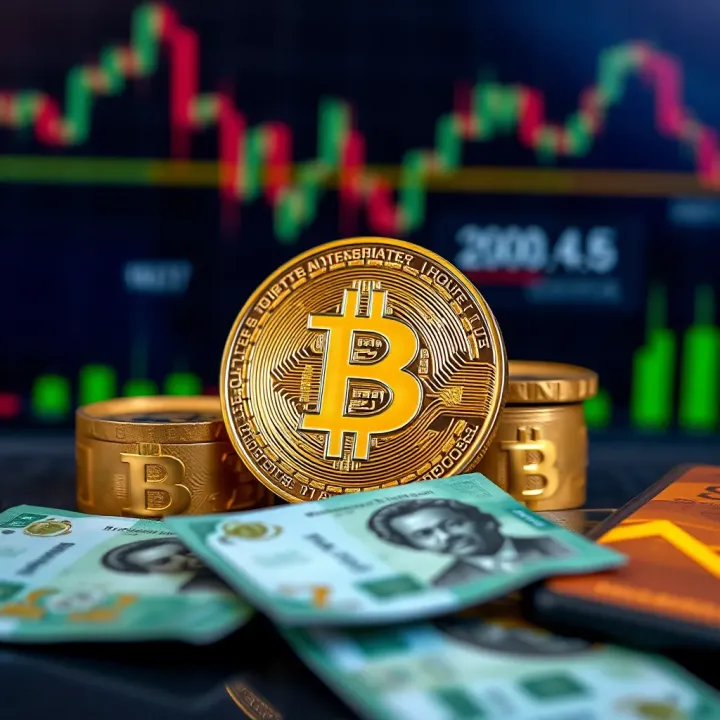
📈 Will Bitcoin rise again? Explore BTC’s future price trends, risks, and market forces with a special focus on insights for Nigerian investors.
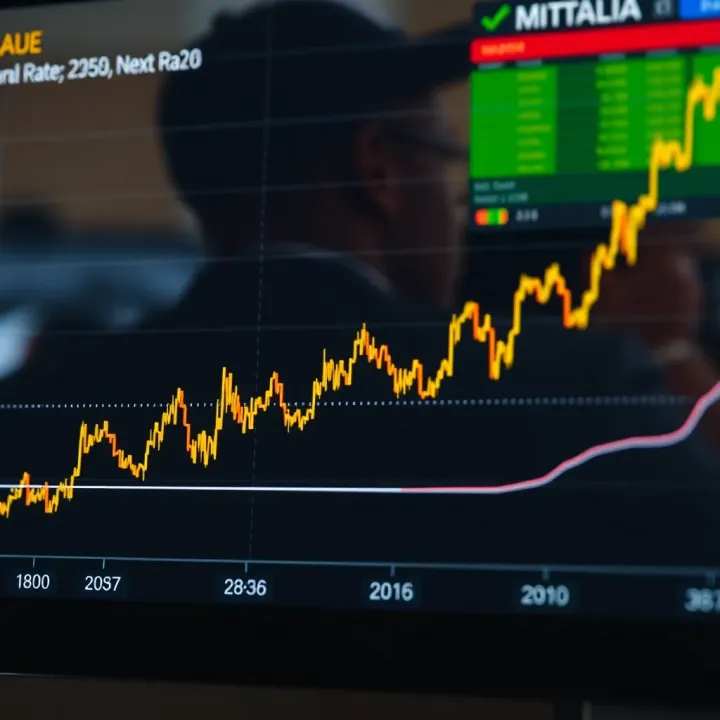
📊 Curious about the dollar rate next week? Explore key economic, geopolitical, and trade factors shaping USD/NGN shifts to help plan your finances wisely.
Based on 5 reviews