

Understanding Binary.com for Nigerian Traders
📊 Explore Binary.com in detail! Learn its features, account types, and strategies tailored for Nigerian traders to trade confidently and securely.
Edited By
Sophie Turner
The Standard & Poor's (S&P) index plays a significant part in global and Nigerian financial markets. It serves as a benchmark that investors, traders, and stockbrokers use to gauge the performance of stocks and economies. For Nigerian investors, understanding S&P's role helps in making smarter decisions, especially when navigating a market influenced by volatile naira exchange rates and diverse investment products.
S&P is well-known for its stock market indices like the S&P 500, which tracks the performance of 500 major companies in the United States. However, its influence stretches further via credit ratings, which assess the creditworthiness of countries and corporations. These ratings impact borrowing costs and investor confidence. Nigerian companies seeking foreign investment or loans pay close attention to how S&P views Nigerian risk.
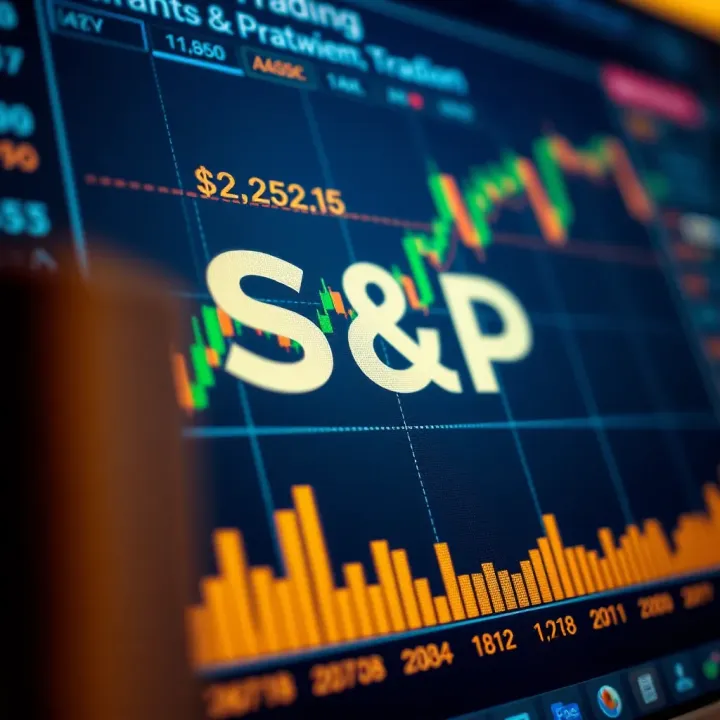
Here’s how S&P affects financial markets:
Market Indicator: S&P indices reflect overall market trends and sector strengths, helping investors spot opportunities or looming downturns.
Credit Ratings: These ratings guide investors on risk levels. For instance, a downgrade on Nigeria's sovereign rating often signals potential economic challenges, affecting naira liquidity and government bond yields.
Investment Decisions: Foreign and local investors use S&P data to decide where to put their money. A positive rating can attract capital inflows, while a negative one may cause capital flight.
A strong understanding of S&P's functions enables Nigerian investors to interpret market signals, forecast risks, and plan their portfolios accordingly.
In the Nigerian context, S&P movements can influence stock market performance on the Nigerian Exchange Group (NGX) and impact currency stability. Given the country’s reliance on oil revenues, fluctuations in global credit ratings often cause ripple effects locally. Investors who monitor S&P insight alongside factors like CBN policies and fiscal conditions tend to navigate risks better.
In summary, S&P is not just an international benchmark but a practical tool for anyone engaged in Nigeria’s financial space. Paying attention to its ratings and indices enriches your investment strategy with clearer risk assessment and market predictions. Understanding this helps traders and brokers guide clients more effectively, making sense of complex price swings in stocks, bonds, and foreign exchange.
Understanding what Standard & Poor's (S&P) signifies in financial markets is essential for anyone involved in trading or investment decisions. The S&P brand covers both credit ratings and stock market indices, which act as important signals for investors about the health and risks of companies, governments, and the broader economy.
Standard & Poor's, often just called S&P, is a financial services company known globally for its credit ratings and market indices. It evaluates the creditworthiness of borrowers, from multinational corporations to sovereign nations, by assigning ratings that reflect their likelihood of defaulting on debt. For instance, a business or the Nigerian government with an "AAA" rating from S&P is viewed as highly reliable, making it easier to borrow at lower interest rates. On the flip side, a downgrading can raise borrowing costs or scare away investors, impacting the economy directly.
Aside from credit ratings, S&P provides financial indices that track the performance of selected stocks. These tools are crucial for investors to benchmark the market and track trends over time. Many investment portfolios and mutual funds reference these indices to shape their strategy.
S&P ratings and indices offer a snapshot of market sentiment and economic strength, which helps guide investment choices globally and in Nigeria.
The S&P 500 is the most famous index under the S&P umbrella, tracking the shares of 500 large companies listed on stock exchanges in the United States. It serves as a broad indicator of market performance, influencing investors worldwide. Though it focuses on American firms, global investors, including Nigerians with access to international markets, use it as a benchmark.
S&P also manages other indices targeting various market sectors, countries, and asset classes. For Nigerian investors, indices like the S&P Global BMI or the S&P Africa Index provide insights into regional market performance. These indices help investors diversify portfolios, compare local stock market performance against global trends, and spot investment opportunities.
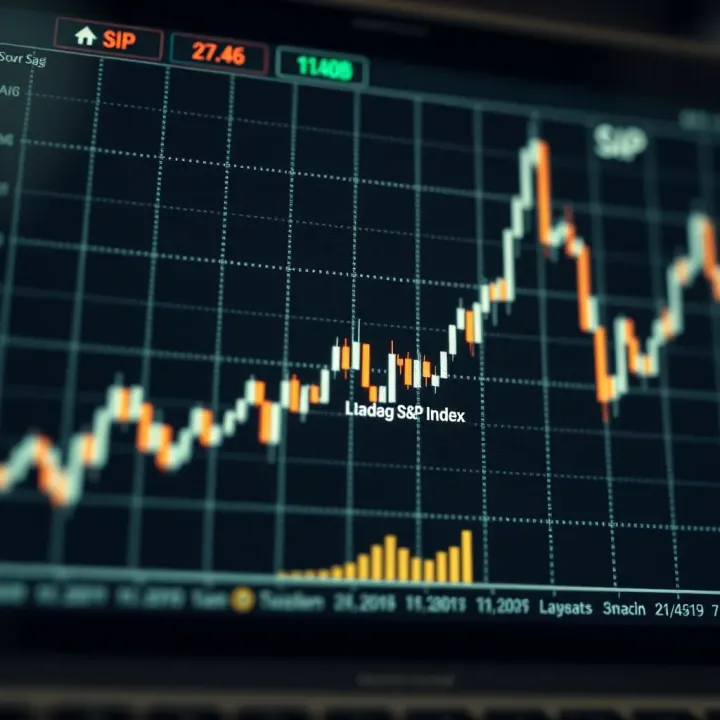
Practical example: A Nigerian trader interested in tech stocks may track the S&P 500’s technology sector performance to anticipate shifts that could impact Nigerian tech firms listed on the Nigerian Exchange (NGX).
In summary, S&P represents much more than a numbers game; it shapes perception, informs risk, and steers money flows in financial markets. Grasping its meaning helps Nigerian traders and investors navigate both local and international financial waters more confidently.
S&P ratings provide a quick snapshot of creditworthiness, helping investors make informed choices without wading through piles of financial statements. These credit ratings influence how much risk an investment carries and often dictate the terms for borrowing or investing. In markets like Nigeria, understanding these ratings can be the difference between profitable ventures and costly missteps.
Credit ratings from S&P serve as a trusted guide to evaluate the financial health of companies, banks, and governments. A high rating, such as AAA, signals strong financial stability with low risk of default. Conversely, lower ratings warn investors of potential trouble. For example, a Nigerian company rated BB might face higher interest rates on loans because lenders see it as a riskier bet.
Ratings also impact the cost of capital. When a business or government has a strong rating, it pays less to borrow, freeing up funds for growth or development. Investors rely on these scores to judge if the return they expect compensates for the level of risk involved.
In Nigeria, S&P ratings directly affect how businesses and the government raise funds. A sovereign downgrade, such as Nigeria’s 2016 drop from B to B-, spooked investors and pushed borrowing costs upward. This increased cost trickled down to banks and companies, making loans more expensive across the board.
For Nigerian businesses aiming to tap global markets, a favourable S&P rating can open doors to foreign investment. Multinational investors often prefer companies with reliable credit standings to avoid surprises. On the flip side, a downgrade can restrict access to these foreign funds, which are often cheaper than local borrowing options.
Small and medium enterprises may not get rated directly but feel the ripple effects when banks factor sovereign creditworthiness into loan pricing. A sharper risk perception can shrink available credit or hike interest rates, slowing business expansion.
Investors and financial analysts in Nigeria must keep an eye on S&P ratings because these scores impact everything from investment returns to national economic policy. Knowing the rating helps you balance your portfolio risks and find opportunities, especially in volatile markets.
Understanding how S&P ratings shape investment decisions allows Nigerian investors and traders to anticipate market shifts and adjust strategies accordingly. Whether evaluating a government bond or corporate stock, these ratings remain a critical tool in managing financial risk and reward.
The S&P ratings shape how investors behave in global and local markets, including Nigeria's. A strong credit rating often boosts investor confidence, encouraging more investment in stocks, bonds, and other securities. For instance, when Nigeria’s sovereign credit rating improves, foreign portfolio investors tend to increase their holdings in Nigerian equities and government bonds. This inflow of capital often lifts market prices and boosts liquidity.
Conversely, a downgrade by S&P can trigger a sell-off as investors reassess risks and seek safer assets. This reaction happens swiftly and can result in sharp declines in market indices. For example, in 2020, when Nigeria’s credit rating was downgraded due to oil price shocks and economic pressures from the COVID-19 pandemic, investors reacted by pulling back from Nigerian assets, causing volatility.
Investors also use S&P data to gauge risk-adjusted returns. Traders watching the S&P 500 often respond to shifts in the index as signals of global economic health, which indirectly affects Nigerian markets. Therefore, understanding these movements can improve timing and strategy for both local and international traders.
S&P ratings often influence Nigerian government economic policy directly. The federal government and state governments monitor these ratings closely because they affect borrowing costs on international markets. A favourable rating means loans and bonds can be issued at lower interest rates, reducing the cost of funding infrastructure and development projects.
For example, if S&P upgrades Nigeria’s rating from a sub-investment grade to investment grade, it signals improved creditworthiness. This can encourage the government to borrow more confidently for projects such as road construction or power sector reforms, which are essential for economic growth.
On the other hand, a downgrade may prompt the government to tighten fiscal policies, reduce spending, or seek alternative revenue sources to restore investor confidence. Policy decisions are sometimes made with the aim to improve credit ratings, such as efforts to widen the tax base through the Federal Inland Revenue Service (FIRS) or enhancing transparency in public spending.
Investors and analysts often watch S&P ratings as a barometer of Nigeria’s economic health; changes in these ratings can influence both market confidence and government policy decisions.
In sum, S&P’s influence extends beyond just market numbers. It affects how investors perceive risk, how markets move daily, and how economic strategies are shaped to maintain or improve Nigeria’s financial standing. Nigerian investors and policymakers alike benefit from understanding this relationship to make smarter financial decisions and keep economic growth steady.
Nigerian investors can greatly benefit from understanding and applying S&P data when making financial decisions. The Standard & Poor's index and ratings provide deep insight into market trends, creditworthiness, and economic health, which prove especially useful given Nigeria’s complex financial landscape. Rather than relying solely on local market buzz, using S&P information helps investors make more informed, data-backed choices.
Interpreting S&P data involves looking beyond just the headline numbers. For example, when the S&P 500 index moves, it reflects how the top 500 US companies perform, which indirectly affects global markets including Nigeria’s NSE. Investors can track these trends to gauge global economic moods and adjust their strategies accordingly—say, opting for safer sectors during downturns.
Credit ratings from S&P also matter for Nigerian projects and companies seeking foreign investment or loans. A high S&P credit rating signals lower risk, encouraging banks and investors to back such entities. For instance, if a Nigerian bank improves its credit rating, it may attract cheaper foreign funding, benefiting shareholders and clients alike.
S&P’s sector-specific analyses help traders pick Nigerian firms resilient to shocks in oil prices or currency volatility. Knowing which industries sustain steady earnings despite economic swings allows investors to balance portfolios with practical foresight.
While S&P ratings offer valuable guidance, they are not foolproof. Ratings depend on available data—sometimes limited in accuracy or scope within Nigeria. This can delay recognition of sudden local shocks, such as political unrest or policy shifts impacting businesses.
Overreliance on S&P can cause neglect of ground realities. For example, a company might maintain a decent rating but still suffer reputational issues or supplier problems unnoticed by rating agencies. Blind trust can lead to costly investments.
Furthermore, S&P focuses mainly on large entities and formal sectors, leaving out informal businesses that dominate Nigerian commerce. Investors must combine S&P data with local research, including industry news, expert advice, and on-the-ground intelligence.
S&P ratings are a powerful tool but should form part of a wider investment toolkit that includes local insight.
In summary, Nigerian investors who learn to read and interpret S&P information carefully can manage risks better and spot promising opportunities. Still, they should remain cautious, validating ratings with local factors and keeping an eye on unexpected developments. This balanced approach enables smarter investments tailored to Nigeria’s unique market dynamics.
📊 Explore Binary.com in detail! Learn its features, account types, and strategies tailored for Nigerian traders to trade confidently and securely.

🔢 Discover how binary implementation powers computing systems, covering logic gates, memory, arithmetic, and real-world applications in digital tech.
Explore how binary charts 📊 work and their practical uses in finance and computing. Learn to create, interpret, and apply binary data effectively.

Learn about agency securities in Nigeria 🇳🇬, including types, benefits, risks, and how they fit into your investment strategy 💼📈. Get informed today!
Based on 15 reviews