
Understanding Transaction Limit Exceeded Messages
💳 Learn why 'transaction limit exceeded' messages occur, how banks set limits, and smart ways to manage your transactions smoothly in Nigeria's financial system.
Edited By
Emily Carter
In Nigeria's bustling financial world, you might have seen the message "transaction limit exceeded" pop up while trying to move money. It feels like hitting a wall, especially when timing is critical in trading or investment decisions. This notification isn’t just a technical hiccup; it’s a safeguard built into banking and payment systems to manage risks and comply with regulatory rules.
This article takes a clear, no-nonsense approach to explain what "transaction limit exceeded" means, why it happens, and how it might affect your day-to-day trading, investing, or business operations. Understanding these limits will help you navigate your financial dealings more smoothly and avoid unexpected delays.
You'll find practical advice tailored specifically for traders, investors, financial analysts, forex brokers, and stockbrokers operating in Nigeria. Whether you’re moving money through your bank or dealing with digital payment platforms, knowing the ins and outs of transaction limits can save you time, frustration, and sometimes even money.
Grasping the reasons behind transaction limits is more than just avoiding error messages — it’s about smarter planning and staying compliant with Nigeria’s financial regulations.
In the sections ahead, we'll break down the types of transaction limits you'll encounter, why they are put in place, and steps you can take if you need to work around them. Let’s get started on clearing the fog around this common but often misunderstood financial message.
In the world of finance, hitting a "transaction limit exceeded" message is a sign that you've tried to move more money than your account or service provider allows at one time or within a certain period. This phrase isn't just a simple warning—it reflects key controls banks and financial platforms put in place to keep your money safe and comply with regulations.
Understanding this message matters a lot, especially if you're a trader, investor, or work in finance in Nigeria. Knowing the reasons behind these limits helps you plan your transactions better, avoids unnecessary delays, and ensures smooth operations in your financial activities.
For instance, imagine you’re trying to transfer ₦1,000,000 through your mobile payment app, but your daily transaction cap is ₦500,000. You’ll immediately see this message and the transfer won’t go through. This forces you to split your payment over a few days or seek a limit increase.
Recognizing what triggers the "transaction limit exceeded" message gives you more control over your financial dealings, saving you from last-minute surprises and interruptions.
Transaction limits serve several practical purposes. First, they act as a security buffer against fraud and unauthorized access. When limits are low, even if someone hacks your account, their ability to drain funds is capped. Second, limits help banks and payment platforms manage their system resources efficiently—handling massive transactions in bulk could strain the infrastructure and delay overall service.
From a regulatory perspective, transaction limits help financial institutions comply with anti-money laundering (AML) laws and central bank policies designed to monitor unusual large transactions that might hint at illegal activities.
For example, the Central Bank of Nigeria (CBN) mandates banks to enforce certain caps on mobile money transfers to reduce fraud and money laundering risks.
There are several types of transaction limits you might encounter depending on the platform or account. These usually include:
Daily limits: Maximum amount you can send, withdraw, or receive in one day.
Monthly limits: A cap on the total transactions performed over a month.
Per-transaction limits: Maximum amount allowed per individual transaction.
Cumulative limits: Applies especially to digital wallets, restricting the cumulative balance or total money moved within a set timeline.
Banks often have different limits for transfers, withdrawals, or deposits. For instance, Zenith Bank might allow a ₦1,000,000 daily transfer limit for premium customers but restrict regular account holders to ₦500,000.
Understanding these limits ensures you don’t accidentally exceed them and face transaction failures.
This message usually appears when a transaction you try to make exceeds the predefined limit set on your account or payment platform. For example, if your card has a daily withdrawal limit of ₦100,000, attempting to withdraw ₦120,000 will trigger the "transaction limit exceeded" alert.
Other triggers include:
Multiple transactions adding up to exceed daily or monthly limits.
Making a large single transaction beyond the per-transaction cap.
Trying to send or receive amounts not permitted by the app or bank policies.
The system automatically compares your transaction amount against your limit, and if it’s over, the process gets blocked.
Mobile money transfers: Suppose you use Paga or Quickteller, both popular in Nigeria. These apps have set limits managed by the CBN. Sending ₦300,000 in one go may fail if the daily cap is ₦200,000.
POS payments: When shopping with a debit or credit card, your bank might restrict how much you can spend per day via point-of-sale terminals to protect you against theft.
Online stock trading: If you’re investing through platforms like Chaka or Trove, there might be limits on how much you can deposit or withdraw daily to prevent fraud.
ATM withdrawals: Most Nigerian banks enforce daily cash withdrawal limits. Exceeding this through multiple withdrawals or large single ones can trigger the warning.
Each example underscores the importance of knowing your limits to avoid transaction interruptions and maintain smooth financial operations.
Financial institutions in Nigeria, like banks and mobile money services, set transaction limits mainly to keep the system safe and reliable. These limits help prevent fraud, control risks, and comply with regulations. Without such controls, the financial system would be more vulnerable to theft and misuse, which could hurt customers and shake public trust.
Setting transaction limits also ensures smooth operations, especially when handling large volumes of transactions daily. For traders, investors, and brokers, understanding these limits helps avoid unexpected delays or declines, ensuring that funds move as planned without hitting a wall.
One key reason for transaction limits is to prevent fraud. Imagine a situation where someone hacks into an account. If there's no cap, the hacker could empty the account in minutes. But with limits in place, only a certain amount can be withdrawn or transferred within a set period, giving banks a chance to notice suspicious activities and halt them.
For example, if a trader's bank imposes a daily transfer limit of ₦500,000 but suddenly there's an attempt to move ₦3 million in a single day, the system flags and blocks this to protect the account.
Besides fraud prevention, limits also act as a shield for customers' money. Consider a debit card lost by a stockbroker; transaction limits reduce how much a thief can swipe before the issue is reported and the card blocked. It’s a way of minimizing the damage before it gets out of control.
This protection is especially important for high-transaction environments where money flows rapidly, and even one breach could lead to significant losses.
The Central Bank of Nigeria (CBN) plays a big role in shaping transaction limits. These rules ensure banks keep risks in check and protect the financial ecosystem. For example, CBN guidelines may restrict the maximum daily transfer to avoid large-scale money laundering or to stabilize the banking sector.
Adhering to these limits is not optional—it’s a must for banks and fintechs to avoid penalties or operational shutdowns. For professionals in finance, knowing these rules helps in planning transactions that stay within legal boundaries.
One major worry regulators have is stopping illegal money flow, like from fraud, drug trade, or tax evasion. Transaction limits force banks to monitor and block unusually large or suspicious transfers. This applies especially to mobile money platforms, where quick, large transfer spikes can raise alarms.
By keeping transactions within set boundaries, institutions better flag risky activities, fulfilling their obligation under anti-money laundering (AML) laws, which keeps the financial system cleaner.
Banks and payment platforms process thousands, sometimes millions, of transactions daily. Setting limits helps manage this load to avoid system crashes or slowdowns. Think of it as a traffic cop controlling how many cars enter a busy street at once to prevent gridlocks.
For example, if a payment app such as Paga or OPay handles millions of Naira worth of transfers daily, limits prevent overloading their systems during peak hours, ensuring smooth service for all users.
Apart from raw capacity, transaction limits also help maintain quality. With fewer, manageable-sized transactions at a time, banks can verify details more effectively, reducing errors and disputes.
This means funds settle faster and more securely. Forex brokers and investors who rely on precise timing and execution notice that their trades clear without unnecessary hiccups if limits keep volumes reasonable.
In short, transaction limits are a balancing act. They protect users from losses and fraud, keep banks on the right side of the law, and ensure the financial system runs without hiccups — all vital for maintaining trust and reliability in Nigeria’s fast-moving financial world.
By understanding these reasons, professionals can better navigate transaction constraints and manage their financial dealings smoothly, avoiding unwelcome surprises from a "transaction limit exceeded" message.
Transaction limits are a daily reality for most Nigerians dealing with banks and mobile money platforms. Understanding these limits helps avoid the frustration of declined transactions and delays, especially for traders and investors who depend heavily on efficient cash flow. These limits are not just arbitrary numbers; they balance security, regulatory requirements, and operational efficiency.
Banks in Nigeria often place caps on the amount of money you can move within a day or a month. This might look like a maximum of ₦1,000,000 per day or ₦10,000,000 per month for transfers, but the exact number can vary widely. For example, a Standard Chartered Nigeria current account may have different limits than a GTBank savings account.
Knowing these limits is key to planning transactions smartly. Suppose you're a business owner paying suppliers; exceeding your daily transfer limit could stall payments, affecting your supply chain or investor confidence.
Moreover, these limits aren’t universal even within one bank. They can depend on your account type or relationship with the bank. Premium or corporate accounts tend to have more flexible limits, while basic savings accounts have tighter caps, primarily for safety reasons.
Nigeria’s mobile money system, including platforms like Paga, OPay, and PalmPay, imposes transaction limits tailored to both senders and receivers. Typical transaction caps for sending money might hover around ₦50,000 to ₦300,000 per transaction depending on your verification status. This means unverified users face much lower limits to mitigate risks.
Receiving money often carries different rules. For instance, while you might only be able to send ₦100,000 per day, some apps allow you to receive up to ₦500,000 daily to accommodate payments from multiple sources. This distinction attempts to balance user convenience with fraud prevention.
These caps have practical implications for businesses that rely on these apps. A petty trader receiving daily payments from customers might hit the receiving limit unexpectedly, requiring them to transfer funds often or upgrade their verification level.
When it comes to card-based transactions, different rules apply to withdrawals and purchases. For instance, most banks in Nigeria set ATM withdrawal limits typically around ₦50,000 to ₦100,000 per day for debit cards, while credit cards could have higher thresholds depending on credit limits.
Purchases, particularly at Point of Sale (POS) terminals, might have a daily cap too, which keeps spending in check and helps prevent fraud. For example, Zenith Bank might allow a ₦500,000 daily spending limit at POS for a Platinum debit card.
Online transactions also face their own restrictions. Most banks require additional verification for transactions over certain amounts—say ₦100,000—to reduce the risk of cyber fraud. This means if you try to buy goods worth ₦150,000 online, you might get a prompt for extra authentication, or the transaction could be declined.
Practical Tip: Always check your limits directly with your bank or app provider. Knowing your exact transaction caps can save you from those awkward "transaction limit exceeded" messages in crucial moments.
Navigating these limits requires knowing your financial tools inside out. Whether you're moving large sums as a forex trader or handling daily sales as a retailer, these caps influence how you plan and execute transactions. The key is to stay informed and adapt your payment strategies accordingly.
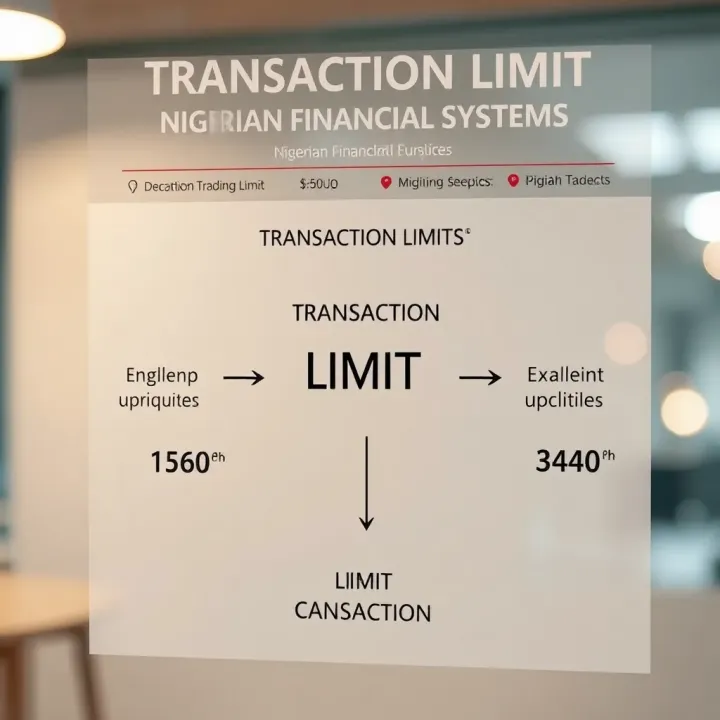
Knowing if you’ve exceeded a transaction limit is key to avoiding unnecessary delays and frustration in your financial dealings. Whether you're moving money between accounts, paying vendors, or making online purchases, hitting a limit can bring a payment to a grinding halt. For traders, investors, and anyone dealing with frequent transactions, recognizing the signs early helps maintain smooth cash flow and avoids interruptions.
Financial institutions typically signal when you’ve crossed these boundaries, but the way they communicate can vary. Understanding these cues allows users to take immediate steps—like splitting payments or requesting increases—to keep transactions running.
When a transaction limit is exceeded, banks or payment apps often send immediate alerts. These can show up as pop-ups during the transaction or as notifications afterward. For instance, you might see messages like "Transaction amount exceeds your daily limit" or "Unable to complete transaction: limit reached." In Nigeria, apps like GTBank’s GTWorld or First Bank’s FirstMobile typically provide clear feedback right after you try to process a payment beyond your limit.
These notifications are important because they let you know exactly what part of your transaction was blocked. Without them, you might assume there’s a technical glitch or delay when it’s simply a rules-based refusal.
Sometimes the language used in error messages can be confusing or too vague. Phrases such as "limit exceeded" or "transaction not allowed" might leave you scratching your head. It’s useful to know that this generally means one of your imposed limits—be it daily, monthly, per transaction, or per channel—has been breached.
Reading these messages carefully can guide your next move. For example, a message stating "Daily transfer limit reached" specifically points to the safest path: wait until the next day or split your payments. Learning to decode these alerts quickly saves time and stress.
Most banks now let you check your transaction limits and history through apps or USSD codes, which is especially handy for Nigerian users who may not always have steady internet access. For example, using the USSD code *737# on GTBank or *894 on Zenith Bank lets you inquire about your account balance and sometimes transactions limits.
Mobile applications often have sections titled “Account Limits” or “Transaction History,” where you can view how much you’ve spent or transferred and what’s left of your allowed limit. Regularly checking this can prevent sudden hiccups caused by unknowingly going over your limit.
If notifications don’t give clear info or if you suspect your transaction limit might be unusually low or incorrectly set, the quickest solution is to reach out to your bank’s customer service. Nigerian banks like Access Bank and UBA have call centers and WhatsApp support lines you can contact.
Customer support can clarify your current limits, explain reasons behind the limit, and even advise on how to request limit increases if your account qualifies. This direct interaction ensures you are equipped with accurate, tailored information better than just guessing from generic messages.
Staying on top of your transaction limits by recognizing alerts, regularly checking your account status, and keeping customer service contacts handy helps you avoid hiccups that can stall investment plans or daily business operations. For anyone moving significant sums or managing multiple transactions, this knowledge is a simple but powerful tool.
When you hit a transaction limit, it’s not just a nudge to slow down; it can have some tangible effects on your financial activities.
One of the immediate consequences is that your transactions might be declined right at the point of attempt. For traders and investors juggling multiple deals, imagine trying to move funds to cover a missed opportunity only to find the system blocking your transfer with an error message like "transaction limit exceeded." This can be frustrating and costly, especially in volatile markets where timing is everything. It’s a clear sign that the set limits are there to keep transactions manageable and secure but also a signal to plan your money moves wisely.
Beyond outright declines, there may be delays. A payment could linger in a pending state longer than usual as the system flags it for review. This might happen during busy periods or if the value crosses certain predefined thresholds. For investment brokers or forex traders, such delays could push back trade settlements or margin payments, potentially affecting your portfolio's performance. Knowing this helps you factor in extra time for transactions and avoid surprises.
When you exceed limits, your payment doesn’t go through, plain and simple. The bank or payment platform will reject the transaction outright. For example, if a stockbroker attempts to wire a sum exceeding the daily cap, the system stops the process to keep within rules. This action is automatic and designed to protect your account, but it requires that you stay aware of your limits to avoid sudden breakdowns in your financial plans.
Even if your transaction is below the absolute limit, it might trigger additional checks if it approaches certain thresholds. This can slow down processing times. Say you’re moving a large sum through a mobile money app and trigger a security hold; expect delays until the provider verifies the activity. This pause is a good reminder that being close to limits can invite scrutiny, and building small buffers into your schedule for funds movement is a smart move.
If repeated attempts to bypass limits occur or suspicious patterns emerge, your account may face temporary freezes or blocks. For traders, this can be a nightmare—imagine having your access locked during a critical trading window. Banks do this as a safety net to prevent fraud or theft, giving them time to investigate unusual behavior. The takeaway? Respect your transaction limits and avoid pushing the boundaries in a way that raises red flags.
Before lifting blocks or increasing limits, banks commonly require additional checks. You might need to provide identification updates, proof of transaction purpose, or even financial statements. For instance, a forex broker asking for a higher transfer limit could expect to submit documents verifying income or source of funds. Though cumbersome, these steps ensure compliance and protect everyone involved, so stay ready to cooperate.
In summary, exceeding your transaction limits is more than just a message on your screen—it can cause immediate disruptions, delays, and stricter controls on your account. Keeping track of limits and planning your financial moves accordingly minimizes these hiccups and keeps your operations smooth.
Hitting a transaction limit can be frustrating, especially if you’re in the middle of an important deal or payment. Knowing exactly what steps to take can save you time and avoid headaches. This section sheds light on practical actions you can take to deal with a "transaction limit exceeded" message, especially within the framework of Nigeria’s financial environment.
Understanding how to respond is essential for traders and investors who often deal with sizeable sums or frequent transactions. The goal is to keep your financial activities smooth without getting blocked by limits unexpectedly. From checking your current limits to contacting your bank or splitting payments, each option has its place depending on your situation.
The first step is knowing exactly where you stand with your transaction limits. It might sound obvious, but many users overlook simply verifying these details.
How to find your limits: Most banks and mobile money services provide clear info on transaction limits in their apps or online portals. For instance, Zenith Bank’s app shows your daily withdrawal and transfer limits easily, while services like Paga display limits for sending and receiving money right on the dashboard. If you don’t see this information directly, it’s worth calling customer support or using USSD codes—common in Nigeria—to check instantly. For example, dialing specific codes on your mobile device tied to your bank can reveal your available limits.
Understanding different limits for various transaction types: Transaction limits aren’t one-size-fits-all. There are typically different ceilings for cash withdrawals, transfers to other banks, in-app purchases, and even for international transactions. So, if you hit a limit on a fund transfer, it doesn't necessarily mean your card withdrawal limit is also exceeded. Knowing these distinctions helps you plan better and avoid surprises during busy trading days or large investments.
Sometimes, your best move is to go straight to the source — your bank or payment provider.
Requesting limit increases: If your transaction is critical and regularly goes beyond existing limits, banks often allow requests to raise them. You might need to provide certain documents like proof of income, business statements, or identification to support your case. For example, a forex broker who deals with large volumes might need to submit specific KYC documents to access higher transfer and withdrawal limits. It’s usually a matter of formal application, followed by approval from the bank’s risk department.
Clarifying policies and exceptions: Some banks or platforms have hidden nuances around limits—they might grant exceptions during special circumstances or offer temporary boosts. For instance, during the holiday season, some Nigerian banks relax limits to accommodate higher spending. Checking directly with customer support can uncover these policies. This can save you from unnecessarily rejected transactions and help you plan your financial moves efficiently.
When you’re up against fixed limits, splitting your payment can be a practical workaround.
Dividing payments into smaller amounts: Instead of pushing through a single large transaction, break it into smaller chunks that fit within allowed limits. This is common practice among stockbrokers or traders paying for multiple lots. Rather than one big payment, you send smaller sums spread across several transfers. Just be aware that some banks might have daily or monthly caps on the number of transactions, so don’t go overboard.
Timing transactions to stay within limits: Staggering your payments over time helps avoid hitting daily or monthly caps. For instance, if you need to transfer ₦500,000 but your daily limit is ₦200,000, you could send ₦200,000 today, ₦200,000 tomorrow, and the remainder the following day. This method reduces the chance of declined transactions and keeps your activities compliant.
Being proactive and aware of transaction limits helps maintain smooth operations, avoids delays, and keeps your accounts in good standing. Remember, banks and digital platforms often have these limits to protect you and the financial system, so working with these parameters rather than against them is key.
Knowing how to steer clear of hitting your transaction limit can save a lot of headaches, especially for traders and investors who move significant funds. These tips aren't just about avoiding error messages—they help keep your transactions smooth and uninterrupted.
First off, it pays to be aware of your bank or payment platform’s daily and monthly limits. For instance, if your bank sets a ₦500,000 daily transfer limit, trying to move ₦700,000 in one go will trigger the dreaded "limit exceeded" message. Keeping a record of your recent activities helps you know exactly how much room you’ve got left without guessing. You can quickly jot down transactions or use simple spreadsheets to monitor. Knowing your exact limits isn't just a nice-to-have, it’s essential for planning big trades or paying suppliers promptly.
Sometimes one payment channel just won’t cut it. Say you need to pay a contractor ₦1,000,000, but your bank’s limit is lower. Instead of one failed transaction, split the payment across your bank account and mobile money wallet, like Paga or Opay, which may have different limits. This approach isn’t cheating the system; it’s working with what’s available. The trick is to avoid lumping everything in one shot and instead spread your payments thoughtfully.
Your bank or payment app usually lets you set alerts for transactions. Getting notified every time you’ve used a big chunk of your limit means you won’t be caught off guard. Besides, reviewing your bank statements monthly can reveal if you’re close to hitting those ceilings. For instance, if you see a spike in your monthly transfers, you can adjust before it's too late. Most apps let you download statements or send you monthly emails—use these tools.
There’s no shortage of apps designed to track finances for Nigerian users. Apps like Cowrywise or Carbon help keep an eye on your spending and transfers. Some even give you a snapshot of your account limits versus your activity. Using such tools takes the guesswork out of managing transaction caps. Whether you prefer alerts or dashboards, picking a tool can streamline the process of staying within limits.
Staying ahead of transaction limits isn't just about dodging errors—it's about smart money management that keeps your trading, investing, and payments running without a hitch.
When it comes to handling money, banks and digital payment platforms play very different roles, especially regarding transaction limits. These differences matter because they affect how traders, investors, and financial analysts manage cash flows and move money across accounts. Understanding these contrasts helps users avoid surprises when a transaction gets blocked or flagged.
Banks typically enforce formal limits on transactions rooted in regulatory requirements and operational capacities. Digital payment platforms, on the other hand, often apply different rules, sometimes more flexible, sometimes stricter, depending on their design, target users, and security practices. This section dives into these distinctions so you can plan transactions smarter.
Banks operate under strict frameworks set by regulatory bodies like the Central Bank of Nigeria. These limits include maximum amounts for daily withdrawals, transfers, and purchases. For instance, a standard Naira account may have a daily withdrawal limit of ₦100,000 to ₦500,000, depending on the bank and account type. These limits are not just random caps — they help control risks like fraud, money laundering, and system overload.
What this means practically is your ability to move money through bank channels can hit a ceiling quickly if you’re dealing with large sums, especially in trading or investment operations requiring frequent, big transactions. If the transaction limit is exceeded, payments will typically get declined immediately.
Bank transaction limits can vary significantly depending on the account's classification. Premium or corporate accounts usually have higher limits compared to basic savings accounts. For example, Zenith Bank or Guaranty Trust Bank offer different tiers where business accounts get higher transfer and withdrawal ceilings.
Additionally, the ‘status’ of the account matters. A newly opened account or one flagged for unusual activity might have stricter limits. Also, accounts with incomplete KYC verification might face capped limits until full documentation is provided.
This setup helps banks tailor transaction limits according to customer profiles, ensuring enhanced security without compromising convenient access for trusted users. So, if your business is growing or you find limits restrictive, it’s worth talking to your bank for possible upgrades.
Digital wallets like Paga, OPay, or mobile money services from MTN and Airtel sometimes display more flexibility than traditional banks, particularly for smaller transactions. They allow many users to send and receive money instantly without strict delays.
However, this flexibility comes with trade-offs. For larger transactions, some platforms enforce tougher rules or lower caps to reduce risks associated with fraud and regulatory compliance. For example, sending ₦50,000 might be fuss-free, but transactions above ₦500,000 might be blocked unless verification steps are completed.
In practice, this means you might be able to split payments or spread transactions over time when using digital wallets, but you should know these platforms have their own ceilings that differ from banks.
One noticeable feature of digital payment platforms is that transaction limits often depend on how much a user has verified their identity. Fully KYC-verified customers usually get higher monthly and daily thresholds compared to those with minimal verification.
For example, an Airtel Money user with full KYC might transfer up to ₦1,000,000 monthly, whereas a partially verified user might only move ₦100,000. This tiered approach keeps the services accessible for casual users while safeguarding against misuse by anonymous accounts.
Understanding the verification level required on your chosen platform and taking steps to complete necessary documentation can make a huge difference in your ability to transact freely.
In summary, while banks juggle formal rules intertwined with account types and statuses, digital payment platforms adapt limits dynamically based on user verification and scalable risk measures. Knowing these distinctions empowers traders and investors to better navigate their transaction choices and avoid unexpected blockages during crucial financial activities.
Regulatory shifts play a big role in shaping transaction limits in Nigeria, often reflecting broader economic goals and security needs. Understanding these changes isn't just for bankers or regulators; it directly impacts traders, investors, and anyone moving money digitally. When the Central Bank updates policies, it ripples through the financial ecosystem, affecting everything from daily bank transfers to high-stakes forex trades. Knowing how these changes work can mean the difference between smooth transactions and hitting frustrating roadblocks.
The Central Bank of Nigeria (CBN) periodically updates the ceilings on transaction amounts to keep pace with economic realities. For example, in recent years, they've set daily and monthly caps on transfers both within and outside bank systems to curb illicit activities and encourage financial discipline. These limits vary depending on the channel used—banks, mobile money, or digital wallets—and the verification level of the user.
For traders or investors making bulk payments or large transfers, being aware of these caps is crucial. Suppose you’re dealing with a daily transfer limit of ₦1 million via a mobile app; breaking up payments or choosing a different platform might save you from transaction failures. These updates help maintain a balance between security and user convenience.
Inflation is a constant headache, and transaction limits need to adjust accordingly to stay practical. The CBN often revises these limits to reflect inflationary pressures, ensuring people aren’t handcuffed by outdated caps when currency value shifts.
Security concerns also drive adjustments. With the rise in fraud cases, stricter limits on suspicious transaction types or non-verified accounts are common safeguards. These tweaks often mean increased scrutiny on transactions, especially large or unusual ones, protecting consumers and institutions. Knowing this helps users plan their transactions better, avoiding surprises during busy trading or business days.
Sudden changes in transaction ceilings can upset financial planning if you’re not prepared. For small business owners or investors handling various payments, adapting means keeping tabs on notifications from banks or digital platforms about new limits. For example, a trader who regularly moves ₦5 million monthly might need to spread out transfers over several days or switch payment methods after a limit cut.
Awareness and flexibility are key. Regularly updating your transaction strategies in tune with regulatory changes minimizes delays, failed payments, and potential penalties.
Staying on the right side of transaction limits involves more than just watching numbers. Here’s what helps manage compliance effectively:
Stay Informed: Subscribe to updates from your bank or the Central Bank of Nigeria.
Keep Records: Document transaction attempts, especially any that fail due to limits. This can be useful to clarify disputes.
Verify Accounts: Ensure your accounts meet KYC requirements; verified accounts often enjoy higher transaction limits.
Use Multiple Channels: Don’t rely on just one payment platform; diversifying reduces the risk of hitting limits and helps with liquidity management.
In a nutshell, these regulatory changes and their consequent limits are designed to protect the financial system, but they also require users to be adaptable and proactive in managing their transactions.
By taking these points into account, traders, investors, and other financial actors in Nigeria can navigate regulatory changes with less friction, ensuring their activities run more smoothly and securely.
Sometimes, your financial needs outgrow the preset limits imposed by banks or digital payment platforms. This is especially true for traders and investors who may need to move large sums quickly to capitalize on market opportunities. Knowing when and how to ask for a transaction limit increase can save you from frustrating interruptions.
Requesting a higher limit allows more flexibility, enabling smoother transactions without unnecessary declines. However, banks don't just hand out increases freely — they have set criteria to ensure your account remains secure and compliant with regulations. Understanding these steps helps you prepare and improves your chances of a successful request.
When you approach your bank or service provider to boost your transaction limit, expect to present certain documents. Typical requirements include:
Valid identification: Government-issued ID like a Nigerian National ID card, driver's license, or international passport.
Proof of address: Recent utility bills or bank statements to confirm your residency.
Income proof: Payslips, tax returns, or business statements that justify your need for a higher limit.
These documents help your bank assess your financial profile and risk level. For example, a forex broker might ask for proof of consistent trading activity before approving a limit bump. Not having these ready could stall your application or lead to rejection.
Banks generally expect your account to be in good standing before considering a limit increase. This means:
No overdue payments or unsettled charges
A history of consistent transactions without suspicious activity
Compliance with previous KYC (Know Your Customer) checks
A clean account record signals reliability. Conversely, frequent overdrafts or frozen accounts due to suspected fraud will likely block your request. For instance, if your account was flagged recently for an unusual transaction, the bank might delay or deny increasing your limits.
Kick off your request by getting in touch with your bank’s customer support. Most Nigerian banks offer several channels:
Phone calls: Calling the official helpline where a support agent can direct your request.
Email or written requests: Some institutions require a formal letter or email detailing your reason for increase.
Mobile app or online banking: Many banks now allow you to submit limit increase requests digitally through secured apps like GTBank or Access Bank app.
Be clear and concise when explaining why you need the increase—for example, to manage higher-volume stock trades or urgent foreign remittances.
After submitting your application, keep track of its progress. Don’t shy away from:
Calling back if you haven’t heard anything within a few days
Asking for estimated timelines or additional paperwork
Visiting the branch in person if digital communication stalls
Persistence can pay off. If your request hits a snag, follow up gently but firmly. For example, a trader who failed to follow up once waited weeks unnecessarily and lost out on a key investment opportunity.
Remember, the quicker you handle your side of the process, the faster your bank can respond. Preparedness and clear communication are your best allies here.
Requesting transaction limit increases is a practical way to keep your financial operations smooth and uninterrupted. Understanding the eligibility points, preparing your paperwork, and engaging effectively with customer service can make all the difference. For traders, investors, and professionals relying on timely payments, mastering this process ensures your money moves when it should, without hiccups.
Understanding transaction limits and their implications is essential for anyone interacting with financial systems in Nigeria, especially traders, investors, and financial analysts. These limits influence how you move money daily and impact your business operations and personal finances. This section wraps up the key ideas from the article and offers practical tips to better navigate transaction limits and avoid common pitfalls.
Frequently exceeding transaction limits boils down to a few situations. For example, large corporate investors regularly transferring big sums might hit daily caps before deals close. Similarly, traders who use multiple payment methods for quick purchases or Forex traders moving funds rapidly across accounts can bump into these limits. Mobile money users often reach thresholds unintentionally when sending frequent small payments that add up.
Banks and digital platforms set these limits not just randomly, but to manage risk, comply with legal rules, and safeguard you. Recognizing that transaction failures typically stem from overlooked caps or rapid successive transfers can save you headaches and delays.
Avoiding disruptions means planning your transactions smartly. Splitting larger payments into smaller chunks spread through the day or month helps stay within limits. Using a mix of payment methods—bank transfers, mobile wallets, or cards—can keep your money flowing smoothly without blockages.
Another practical approach is to keep an eye on alerts and notifications from your bank or payment app, especially during busy periods like market close or payday. Staying within limits not only prevents declined transactions but also keeps your accounts from unnecessary freezes or holds, giving you peace of mind.
Keeping tabs on your transaction history regularly is one of the simplest yet most effective ways to avoid surprises. Whether that’s logging into your banking app, checking USSD codes, or setting up alerts for high-value transactions, staying informed about your limits and recent activity helps you act before problems arise.
Let’s say you're a stockbroker making multiple withdrawals a day; by monitoring your transactions, you avoid hitting daily limits without realizing it. This simple habit can prevent awkward pauses when you need swift access to funds.
When you anticipate bigger transactions or changes in trading volume, it’s wise to chat with your bank or payment provider in advance. Ask about your limit options and whether your account qualifies for increases based on your standing and history.
Good communication helps in two ways: first, you get clarity on policies specific to your institution, which can vary widely; second, you can sometimes request temporary or permanent limit adjustments to suit your needs. For example, a Forex broker might arrange higher transaction limits during peak trading seasons.
Keeping the conversation open with your financial institution is like having a backstage pass — it gives you advantages in navigating transaction restrictions smoothly.
In summary, understanding transaction limits and using practical tools like monitoring and communication help Nigerian users, especially those involved in high-volume trading or frequent investing, manage their finances effectively. By staying alert and proactive, you can avoid transaction glitches and keep your financial dealings running without a hitch.
💳 Learn why 'transaction limit exceeded' messages occur, how banks set limits, and smart ways to manage your transactions smoothly in Nigeria's financial system.
Discover how to pick the best trading app in Nigeria 📱🔒 Focus on security, fees, ease of use, and market options for smarter, safer trading decisions.

🇳🇬 Find your ideal forex broker in Nigeria by comparing regulation, platforms, fees, and support for safer, efficient trading tailored to your needs!
Find out how to pick the best broker in Nigeria 🇳🇬 with tips on fees, regulations, broker types, and what to look for before investing your money 📈
Based on 10 reviews