
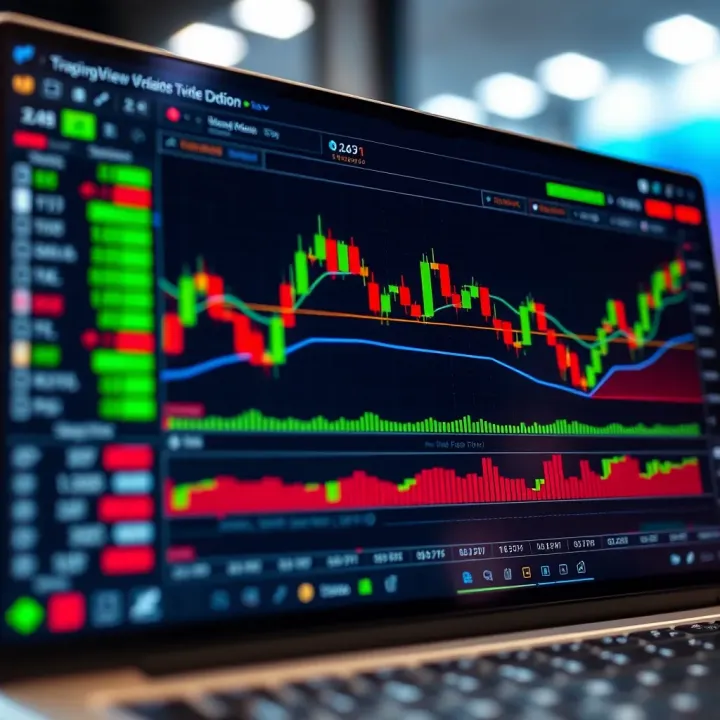
Using TradingView for Better Binary Options Trading
📊 Learn how to integrate TradingView charts with binary options platforms. Get practical tips for Nigerian traders to customize indicators and boost decisions.
Edited By
Charlotte Davies
TradingView has become a popular tool among Nigerian traders, especially those involved in binary options. This platform offers powerful charting capabilities that help traders analyse market trends quickly. If you're trading binary options, understanding TradingView’s features can give you an edge in making informed decisions.
Binary options are about predicting whether an asset’s price will rise or fall within a set time frame. TradingView provides real-time price charts for assets like forex pairs, cryptocurrencies, stocks, and commodities, which are vital for these predictions. For example, a trader focusing on the USD/NGN currency pair can use TradingView to spot crucial resistance or support levels before placing a trade.
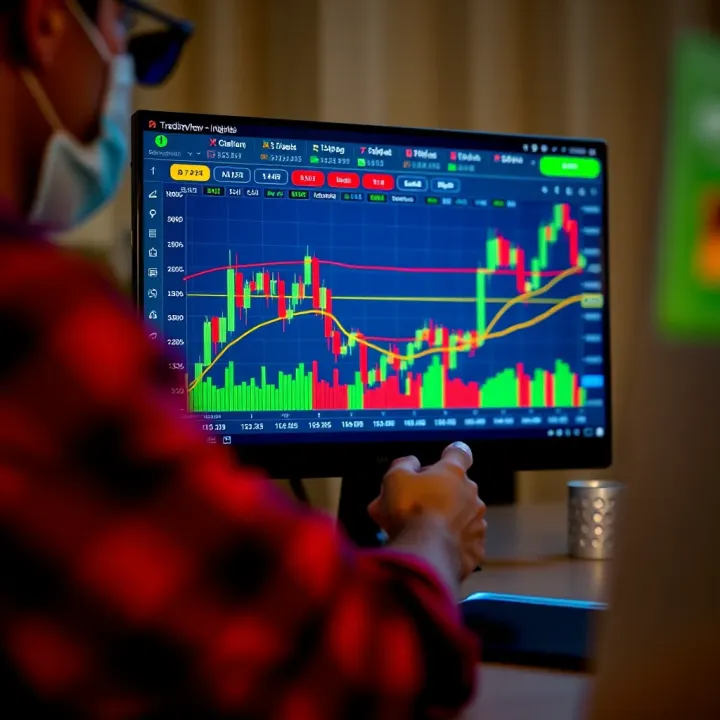
The platform supports various technical tools such as moving averages, RSI (Relative Strength Index), and Bollinger Bands. These indicators help you identify overbought or oversold conditions, which are common signals to enter or exit binary options trades. One useful feature is the ability to customise alerts—this means you get notified when specific price levels or indicator thresholds are reached, so you don’t have to watch the charts all day.
That said, Nigerian traders should also consider local contexts. Volatile naira exchange rates and sudden regulatory changes can affect market conditions abruptly. TradingView’s news feed and economic calendar offer updates on global and Nigerian-specific events that might influence your trades.
Before relying entirely on TradingView charts, remember that binary options trading carries significant risks, including possible total loss of invested funds. It's wise to combine TradingView insights with sound risk management and stay aware of Nigeria’s regulatory stance on binary trading.
To get started, create a free TradingView account, select the asset you want to trade, and explore the charting tools. Experiment with drawing trend lines or applying indicators to see how they affect your trade setup.
In summary, TradingView can be a valuable asset for Nigerian binary options traders when used carefully with a clear strategy and awareness of local market quirks. This article will guide you through the platform’s practical application, risks, and tips tailored for Nigerian conditions.
TradingView stands as a vital tool for traders who want detailed insight into market trends, especially for binary options trading. Its relevance lies in the ability to provide real-time charts and an array of technical tools that help traders make informed entry and exit decisions. In Nigeria, where many traders deal with volatile markets and limited access to advanced broker tools, TradingView’s comprehensive platform offers clear advantages.
Introduction to the TradingView charting platform
TradingView is a web-based charting platform that brings together market data from stocks, forex, cryptocurrencies, and commodities in an easy-to-use interface. Nigerian traders highly appreciate this platform because it works on low bandwidth and can run smoothly on mobile and desktop devices. This flexibility means you can check charts anytime, anywhere—be it from a danfo ride in Lagos or during breaks at your office.
Key features useful for binary options traders
TradingView offers multiple timeframes, real-time streaming data, and a vast library of technical indicators such as RSI (Relative Strength Index) and MACD (Moving Average Convergence Divergence). For binary options traders aiming to predict short-term price movements, these indicators can signal when to place a call or put option. Also, the platform’s alert system can notify you if prices hit specific levels, which is crucial to managing trades that often expire within minutes.
Advantages over basic broker charts
Unlike the often simplistic charts provided by most binary options brokers, TradingView charts are highly customisable. Nigerian traders can overlay several indicators, view crowded trade volumes, and zoom into micro price movements without strain. Basic broker platforms sometimes lack depth or show delayed prices, which can be costly when trading options that expire quickly. TradingView also supports social interaction, where traders share ideas and strategies, a feature less common on broker platforms.
Definition and mechanics of binary options
Binary options are a type of financial instrument where you predict whether an asset’s price will rise or fall within a specific short timeframe, typically from 1 minute to an hour. You either get a fixed payout if your prediction is right or lose your stake if you’re wrong. This simplicity makes binary options attractive for Nigerian traders who prefer straightforward trading setups.
How binary options differ from traditional trading
Traditional trading involves buying and selling assets, often holding positions for days or months, to profit from price shifts. Binary options, on the other hand, involve a yes/no proposition — will the price be above or below a certain point at expiry? This makes risk management more transparent since the potential reward and loss are known upfront, unlike traditional trading where emotions and margin calls can complicate matters.
Risks and rewards specific to binary trading
Binary options offer fixed rewards that can be tempting, sometimes yielding 70% to 90% profit on a correct trade. However, the risk of losing 100% of your stake on a wrong prediction is high. Moreover, market volatility can throw off short-term forecasts with ease. For Nigerian traders, using TradingView to analyse market conditions before placing binary trades can mitigate some of these risks, especially by spotting clear trends, support, and resistance levels.
The key is to combine TradingView's powerful charting tools with strict discipline on trade sizing and expiry timing to navigate the inherent risk binary options pose.
Through this overview, Nigerian traders can see how TradingView fits seamlessly into the binary options trading process, providing clarity and control that basic broker tools often lack.
Using TradingView tools can sharply improve your approach to binary options trading. Unlike basic broker charts, TradingView offers an array of advanced technical indicators and pattern analysis features that help traders spot good entry and exit points with greater confidence. For Nigerian traders especially, where market volatility can be intense and access to quality data limited, these tools provide a much-needed edge.
Popular indicators such as the Relative Strength Index (RSI), Moving Average Convergence Divergence (MACD), and moving averages are staples among binary options traders. RSI helps measure whether an asset is overbought or oversold, signalling potential price reversals. MACD shows the relationship between two moving averages of prices, highlighting trend shifts or momentum changes. Moving averages smooth out price data to help you identify direction and potential support or resistance.
Setting up these indicators on TradingView is straightforward. Once you open a chart, you can add indicators via the platform’s built-in library and customise their settings to fit your trading style. For example, adjusting the RSI threshold from the default overbought level of 70 to 80 might reduce false signals during volatile markets common in Nigeria.
Indicators guide your binary option trades by signalling when to buy or sell. For instance, an RSI below 30 might signal a good call option entry, anticipating a price bounce, while an MACD crossover suggests a change in momentum. Using these signals alongside expiry times can help you lock in profits before market swings.
Chart patterns like flags, triangles, and head and shoulders offer visual cues about upcoming price movements. Flags usually indicate brief pauses before a trend continues, while triangles represent consolidation before a breakout. Head and shoulders patterns often signal reversals, hinting when to consider put or call options.
TradingView’s charting tools make spotting these patterns easier. You can draw trendlines, annotate charts, and use pattern recognition features to track formations in real time. This functionality is valuable in Nigeria’s fast-moving markets, where quick, accurate analysis is critical.
Combining pattern analysis with indicators boosts trade accuracy. For example, a bullish triangle confirmed by a rising MACD can give a stronger call option signal. Conversely, spotting a head and shoulders pattern near resistance with an overbought RSI might steer you towards a put option. This layered approach reduces guesswork and helps manage risk effectively.
Using TradingView’s blend of technical indicators and pattern recognition enhances decision-making, especially in the volatile and sometimes unpredictable Nigerian binary options market.
Armed with these tools, traders can refine their strategies to match individual risk tolerance and market conditions, increasing chances of profitable outcomes.
Trading binary options using TradingView demands more than just technical know-how; it requires a clear set of practical steps tailored to the Nigerian market. This section breaks down the key actions traders need to take, from picking the right broker to executing trades efficiently. By focusing on specific challenges—such as payment methods and timing strategies—you can trade smarter and avoid common pitfalls.
Selecting a reliable broker in Nigeria is critical because your profits and funds depend on them. You should prioritise brokers who are officially licensed by Nigerian regulators or reputable international bodies. Look out for brokers that offer transparency in fees, fair payout rates, and responsive customer support. For example, a broker with clear KYC (Know Your Customer) requirements helps avoid scams often rampant in binary options.
Integration between the broker’s platform and TradingView adds smoothness to your trading process. While TradingView doesn’t directly execute trades, some brokers offer APIs or plugins to connect seamlessly with TradingView charts, letting you analyse and then quickly place orders. This reduces errors and delays, important in time-sensitive trades where every second counts.
Payment and withdrawal methods remain a practical challenge in Nigeria. Many brokers accept deposited funds via bank transfers, Paystack, or even cryptocurrency wallets. Withdrawal can be trickier: delays of days or fees can eat into profits. The ideal broker offers straightforward naira withdrawal options and fast processing. Always confirm these details before committing funds.
TradingView offers free and premium accounts with varying features. A free account is enough for newcomers to explore charts and basic indicators; however, premium options unlock extra indicators and ad-free experience. For active binary options traders, paying for premium can be worthwhile, especially if you use multiple indicators simultaneously or want priority support.
Customising your workspace is essential. You can create watchlists specifically for binary options assets and tailor chart layouts to focus on short-term price action. Say you want to track currency pairs like USD/NGN or assets popular in Nigeria—setting up these lists saves time and keeps you focused.
Saving and sharing trading ideas on TradingView nurtures community and learning. Nigerian traders can share annotated charts, strategies, or alerts with peers, which helps polish trading methods. Besides personal tracking, using these features can keep you updated on market sentiment and emerging trends.
The biggest step is translating TradingView signals into actual trades. When an indicator or chart pattern suggests a binary option entry, you must place the order promptly through your broker’s platform. This demands practising quick manual execution, as automated trading connections remain limited.
Timing is everything in binary options. You must manage expiry times carefully, considering that binary options typically run from 1 minute to several hours. TradingView allows you to spot trends or reversals just before expiry, so pairing timely signals and manual order input is critical to success.
Risk management cannot be overemphasised. In Nigeria’s volatile forex and commodity markets, risking only a small fraction of your trading capital per trade—often 1–2%—is wise. Plus, avoid chasing losses or placing impulsive trades, especially during ember months or times of political uncertainty when markets get choppy.
Following these practical steps—choosing the right broker, setting up TradingView effectively, and executing disciplined trades—you position yourself for better outcomes in Nigeria’s binary options scene. It’s not just about charts; it’s about adapting to local realities with care and strategy.
Understanding the risks, regulations, and best practices in binary options trading is not just advisable—it’s necessary for anyone who wants to protect their capital and succeed in Nigeria’s dynamic markets. Binary options trading carries inherent risks, including sudden market swings and scams, which require a firm grasp of safety measures and legal boundaries. TradingView users must navigate these challenges carefully for a more informed trading journey.
Binary options are attractive because of their simplicity and high potential returns, but they come with a steep risk of loss. The fixed expiry time means that even slight market volatility can lead to losing trades instantaneously. For instance, a sudden naira devaluation or an unexpected Central Bank policy announcement can cause price movements that wipe out trades before expiry.
This risk is especially relevant for Nigerian traders who often contend with currency fluctuations and market shocks. Unlike traditional trading where stop-loss orders can help, binary options lock your stake with no possibility to adjust mid-trade, demanding cautious approach and strict discipline.
Binary options have gained notoriety for attracting fraudulent brokers who scam traders through rigged platforms or delayed withdrawals. Nigerian traders sometimes fall victim to these schemes due to lack of awareness or temptation by promised high returns with little effort.
Fake brokers might also claim integration with popular platforms like TradingView to gain credibility. This misleads traders into thinking their funds are safer or that the trading signals are more reliable, when in fact, the broker’s platform might manipulate trades or block withdrawals.
TradingView does not execute trades but serves as a tool for analysis. Its key value lies in offering comprehensive, real-time charts, multi-timeframe views, and a wide range of technical indicators. These features help traders identify genuine market trends and avoid impulsive trades driven by hearsay or fake tips.
For example, a Nigerian trader using TradingView can cross-check signals from multiple indicators before committing funds, reducing the risk of blind bets. The platform’s transparency and community-shared ideas also expose unverified information, enabling more cautious decision-making.
The Securities and Exchange Commission (SEC) Nigeria oversees the regulation of capital markets, while the Central Bank of Nigeria (CBN) handles monetary policies and the banking sector. Neither body explicitly licences binary options brokers currently, which creates a grey area.
SEC has issued warnings about fraudulent investment schemes and urges investors to use only SEC-registered platforms. Meanwhile, CBN controls forex and capital flow, meaning that some brokers offering binary options may face restrictions, especially if their payment methods lack proper licencing.
Traders should be wary that many brokers operating in Nigeria are not registered locally, making legal recourse difficult should issues arise. It’s important to verify if the broker holds licences from internationally recognised agencies like the UK Financial Conduct Authority (FCA) or CySEC.
Trading on unregulated platforms might also conflict with Nigerian laws on foreign exchange and money movement. Failure to comply can lead to frozen accounts or loss of funds without the possibility of a refund.
Choosing brokers with clear regulatory cover and transparent business practices reduces risk. Traders should also rely on platforms officially integrated with TradingView or those with clear API connections.
Officially licensed brokers often provide demo accounts, encryption for deposits and withdrawals, and timely customer service. These safety nets hugely cut down on fraud and promote trust, helping Nigerian traders trade binary options more confidently.
One of the best ways to manage risk is practising with virtual funds. Demo accounts allow Nigerian traders to test strategies derived from TradingView analyses without risking real money.
Simulating trades under current market conditions helps build skill and refine money management tactics before going live. This step is critical especially where naira volatility may cause unpredicted market behaviour.
Limiting how much you stake on each trade protects capital from big losses. A rule like risking just 1-2% of your total portfolio per trade ensures that one bad move does not wipe you out.
In Nigeria, where incomes may fluctuate and economic uncertainty is high, keeping fixed limits is an effective way to maintain long-term trading viability despite losses.
Successful trading demands ongoing education and emotional control. Nigerian traders should stay updated on market news, emerging technical strategies, and regulatory changes.
Impulsive trades, especially in the heat of ember months or during major policy shifts, commonly lead to losses. Adopting a disciplined approach informed by TradingView’s detailed charts and community insights will improve consistency and reduce avoidable mistakes.
Go slow and steady wins the race—binary options trading is no quick lottery but a disciplined skill that pays off over time.
Understanding how TradingView supports binary options trading compared to other markets like forex and stocks matters because it helps you pick the most suitable trading style. Each market demands different strategies, risk appetite, and trading pace, especially in the Nigerian context where capital limits and access to quality brokers shape your options.
Binary options trading is fast-paced with fixed expiry times, often from 1 minute to a few hours, meaning profits or losses are realised quickly. This contrasts with forex and stock trading, where positions may be held for days, weeks, or longer. The payout in binary options is predetermined, so you know upfront how much you can gain or lose. For Nigerian traders juggling daily expenses and seeking quick returns, this clarity and swift resolution are attractive.
Forex and stock trading, on the other hand, offer variable returns depending on how the market moves. Gains can be larger but also come with prolonged exposure to risk, which may be difficult to manage when faced with volatile naira exchange rates and high transaction costs common in Nigeria.
TradingView excels in charting and technical analysis for various assets including forex pairs, stocks listed on the Nigerian Exchange (NGX), and cryptocurrencies. Traders can apply the same tools and indicators across markets, making it easier to transition between methods. For example, technical indicators like RSI or moving averages work similarly whether you analyse NGX stocks or binary options.
However, trading binary options with TradingView focuses more on signal timing for short expiry trades, while forex and stocks require monitoring broader trends and considering fundamental factors. This means you’ll adjust your use of TradingView tools based on the market’s nature and your trading horizon.
Binary options generally require lower entry amounts, sometimes as low as ₦500 per trade, making it accessible to traders without large funds. Its fixed risk and reward also help manage losses better.
By contrast, stock trading on NGX often demands higher capital, especially if you want to diversify your portfolio well. Forex trading can also require margin accounts that entail more capital and higher risk.
For many Nigerians starting out or testing the waters, binary options offer a way to engage the markets with limited funds, while still practising strategies using TradingView data.
Swing trading involves holding positions for several days to weeks, while day trading closes positions within a single day. Both strategies rely heavily on technical analysis, where TradingView’s charting capabilities shine.
For Nigerian traders wanting less pressure than binary options but still active engagement, these methods suit those who can follow markets during trading hours and prefer looking for patterns and signals on TradingView to decide entry and exit points.
TradingView provides access to Nigerian equities data, allowing investors to track NGX-listed companies effortlessly. Unlike binary options, this approach suits long-term investment where fundamental analysis, earnings reports, and dividend track records matter.
For Nigerians interested in wealth building or diversification beyond quick trades, using TradingView to analyse stocks before investing helps make informed decisions. It supports features like watchlists and alerts that help manage a portfolio efficiently.
Cryptocurrency trading is popular in Nigeria due to its accessibility and growth potential. TradingView supports crypto charting for coins like Bitcoin and Ethereum, enabling traders to apply technical analysis just like with binary options or forex.
Crypto offers another alternative for Nigerians seeking high volatility and round-the-clock access. Using TradingView to spot trends or breakout points can improve crypto trade timing. Still, the risk is high, so combining TradingView analysis with strict risk management is key.
Choosing between binary options and other trading forms depends on your capital, risk tolerance, and time commitment. TradingView serves as a versatile tool that links all these practices, helping Nigerian traders navigate different markets confidently.
📊 Learn how to integrate TradingView charts with binary options platforms. Get practical tips for Nigerian traders to customize indicators and boost decisions.

📊 Explore how binary options work in Nigeria, learn smart trading tips, spot scams, and understand regulations to trade safely and confidently.
📊 Discover how to pick the right binary options broker in Nigeria with tips on regulation, platform tools, account types & top customer support. 📈
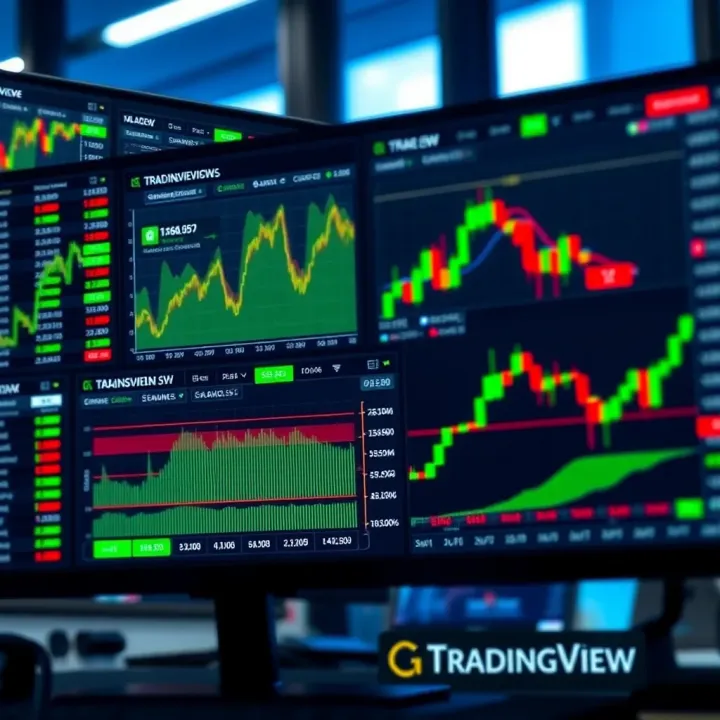
📊 Explore how Nigerian traders can use TradingView tools and charts for smarter binary options trading. Learn strategies, risk tips, and avoid common mistakes.
Based on 13 reviews