
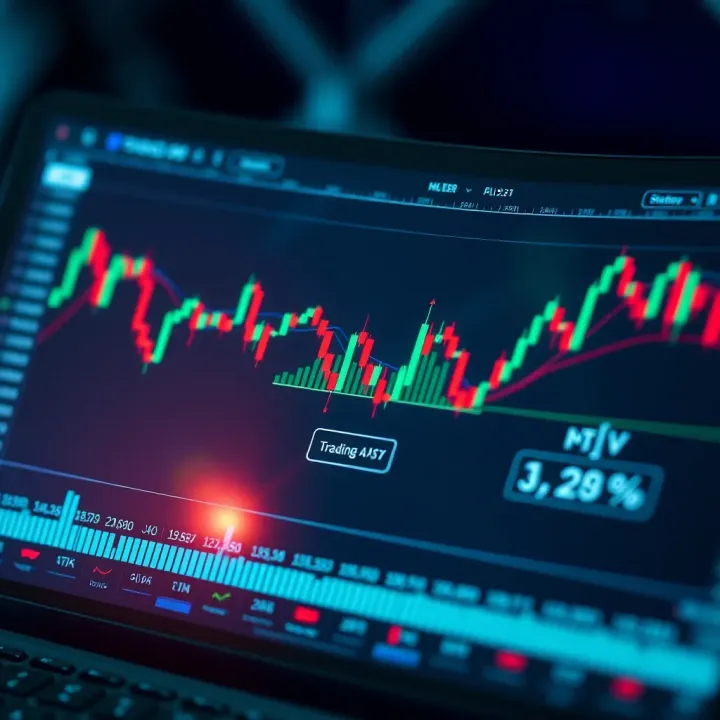
How to Trade Synthetic Indices on TradingView
Explore TradingView Synthetic Indices with practical tips 📊, risks ⚠️, and strategies designed to help Nigerian traders navigate and succeed effectively.
Edited By
James Carter
Synthetic indices represent a unique class of financial instruments designed to simulate real-world market movements. Unlike traditional assets such as stocks or forex, these indices are generated by complex algorithms that mimic market volatility and price trends. This makes them accessible and attractive to traders in Nigeria and beyond, especially when traditional markets are closed or illiquid.
For Nigerian traders, synthetic indices offer an opportunity to trade round-the-clock without relying on external economic events. For example, the Volatility 75 Index simulates sharp market swings typical of real indices, allowing traders to capitalise on price behaviour without owning any underlying asset. This continuous availability suits many local traders who face challenges like limited market hours or internet connectivity interruptions.
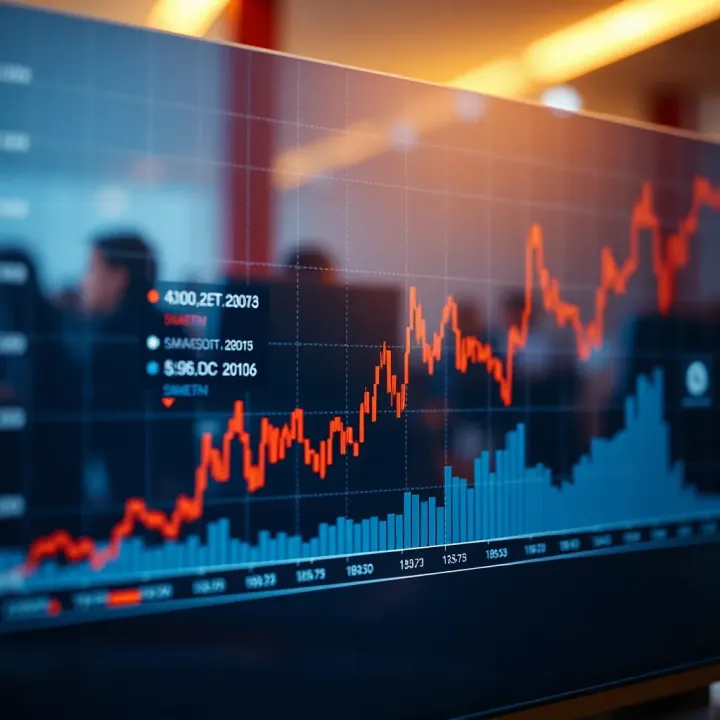
Understanding how synthetic indices work is essential. These markets use mathematical generators to produce price movements, often designed to follow certain probability distributions. This means price actions are neither random nor purely speculative but follow programmed patterns. This clarity can help traders develop strategies based on technical analysis tools commonly used in forex or stock trading.
Key features that make synthetic indices appealing to Nigerian traders include:
24/7 Trading: No dependency on typical market sessions, allowing flexible trading schedules.
Volatility Variety: Markets with different volatility levels cater to both cautious and aggressive traders.
Low Capital Requirements: Many brokers offer micro and nano-lot sizes, ideal for managing risk in local currency terms.
That said, synthetic indices carry particular risks. Since they’re based on algorithms, sudden spikes or drops can occur, requiring solid risk management. Stop-loss orders and position sizing become vital tools to avoid heavy losses.
In summary, synthetic indices extend the trading horizon for Nigerians keen on financial markets. Their programmed price activities, continuous availability, and varied volatility options open doors for both newcomers and experienced traders to diversify strategies and optimise trading hours.
Understanding synthetic indices is essential for traders aiming to diversify their portfolio with alternative financial instruments. These indices offer access to markets designed to mimic real-world asset price movements but operate within a controlled, digital environment. For Nigerian traders, grasping how these synthetic assets work can open new avenues for profit, especially given the local market's unique challenges such as currency volatility and restricted access to certain global exchanges.
Synthetic indices represent simulated markets created by algorithms rather than deriving their value from actual securities like stocks or commodities. Unlike traditional indices such as the NSE All-Share Index, which track physical equities or assets, synthetic indices generate price movements using mathematical models designed to behave like real markets. This means traders interact with data streams resembling actual market trends without depending on real-world supply and demand.
Key features include continuous availability regardless of local market hours, and reduced susceptibility to geopolitical or economic news directly impacting prices. For example, a synthetic volatility index mimics market volatility but isn’t affected by sudden policy announcements or earnings reports, allowing for more controlled trading conditions.
Unlike traditional financial indices that reflect collective asset performance and rely on market participants' activities, synthetic indices operate purely on algorithmic simulations. This eliminates risks such as market manipulation, insider trading, or external shocks, making synthetic indices attractive for Nigerian retail traders who may lack access to diverse assets or timely information.
Despite their artificial base, synthetic indices closely follow characteristics found in real markets, including price fluctuations, trends, and volatility patterns. Advanced algorithms use randomisation techniques combined with historical market data patterns to replicate unpredictability. This means price charts display realistic ups and downs, allowing traders to apply familiar technical analysis strategies.
For instance, a synthetic index might replicate daily market cycles, including periods of high and low volatility, reflecting behaviours commonly seen in equity or forex markets. For Nigerian traders, this offers an opportunity to develop skills that translate seamlessly if they later trade traditional assets domestically or abroad.
Market Availability and Accessibility: Synthetic indices operate on online platforms that Nigerian traders can access from anywhere, anytime, provided they have a stable internet connection. Unlike physical markets limited by trading hours or regulatory restrictions, synthetic indices run nonstop, bypassing barriers such as capital controls or foreign exchange restrictions affecting access to global stock exchanges.
Trading Hours and Volatility Features: Since these indices run 24/7, Nigerian traders don't have to worry about missing out due to time zone differences or early market closures. The daily volatility programmed into these indices means there are regular price movements offering multiple trading opportunities. For example, a synthetic market may simulate high volatility periods similar to “ember months” trading seasons in Nigeria, where market activity naturally surges.
Suitability for Small and Medium Capital: Synthetic indices often allow low minimum trade sizes and offer leverage tailored to smaller accounts. A trader in Lagos with ₦50,000 can enter positions that would otherwise require substantially larger capital in conventional markets. This accessibility is particularly beneficial during economic times when disposable trading capital is tight due to factors like naira depreciation or fuel price hikes impacting disposable income.
Synthetic indices provide Nigerian traders with a practical, accessible market alternative, combining the dynamics of real markets with constant availability and lower entry barriers. This makes them a compelling option for those looking to deepen trading skills or diversify beyond national or regional financial markets.
Starting your journey into synthetic indices trading requires clear understanding and wise choices, especially given the unique nature of this market compared to traditional assets. Getting started well affects your ability to manage risks and seize opportunities effectively, while steering clear of common pitfalls that catch many newbies. This section highlights practical steps to help Nigerian traders embed a strong foundation before active trading.
Selecting a broker is the first big decision for Nigerian traders. Look for brokers regulated by credible authorities to reduce the chance of scams. In Nigeria, many traders prefer brokers allowing local deposits via channels like bank transfers and USSD codes because they reduce withdrawal delays. Also, find out if the broker supports Naira accounts or if currency conversion fees apply—this can add to your trading costs unnoticed.
Availability of customer support in Pidgin or straightforward English can be a bonus, especially when you need quick help during volatile trades. Popular brokers like OctaFX and HotForex have gained popularity partly due to their responsiveness and easy deposit options for Nigerians.
MetaTrader 5 (MT5) remains a favourite platform for synthetic indices due to its comprehensive charting tools and custom indicator support. Another option, Deriv’s own platform, allows direct access to synthetic indices with user-friendly interfaces suited for beginners and seasoned traders alike.
Using platforms that offer demo accounts lets you practise without risking real funds—a crucial step before you dive into live trading. Platforms supporting mobile apps also aid in monitoring prices while you’re commuting or running errands, which is vital in Nigeria with its notorious traffic jams.
Setting up an account usually involves submitting ID documents like the National Identification Number (NIN) verification and proof of address. Nigerian traders must also beware of brokers requesting excessive paperwork or unusually long account verification processes—these might be red flags.
Funding your account is easiest through Nigerian banks or mobile wallets integrated with the broker’s payment system. Popular funding methods include Quickteller, Interswitch, and even direct debit options. Starting with a modest deposit—₦10,000 to ₦50,000—is advisable until you’re comfortable with the platform.
Price charts are your window to market behaviour. Candlestick charts, which show open, high, low, and close prices for specific periods, reveal market sentiment clearly. Nigerian traders should familiarise themselves with moving averages, RSI (Relative Strength Index), and MACD (Moving Average Convergence Divergence) indicators, which help spot trends or reversal points.
For example, in synthetic indices like the Volatility 75 Index, RSI crossing above 70 may signal overbought conditions—meaning prices could soon drop. Knowing these signals prevents chasing false breakouts common in volatile synthetic markets.
Traders often apply range trading strategies on synthetic indices, buying at support levels and selling near resistance. This technique suits synthetic markets well, which often show predictable oscillations. Another approach is trend following, where the trader goes with the market direction to capture bigger moves.
Scalping—making many small trades for quick profits—is also popular but demands strong discipline due to the speed and volatility involved. All strategies work best when tested on demo accounts first.
Leverage allows you to control bigger positions than your actual capital, which can amplify gains but equally magnify losses. Nigerian traders should approach leverage cautiously; for instance, using 1:20 is safer than 1:100 or more.
Margin calls happen when your losses near your account balance, prompting brokers to ask for more funds or close positions. Understanding margin requirements and setting stop-loss orders protects your capital from sudden market swings common in synthetic indices.
Effective trading starts with solid preparation: choose regulated brokers, understand platforms, master chart reading, and use leverage wisely. This foundation reduces surprises and builds confidence in your trading journey.
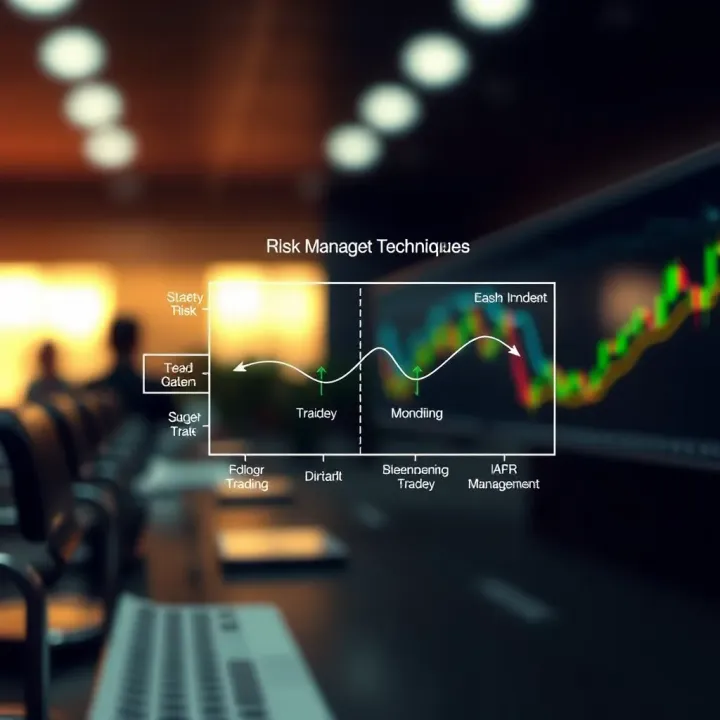
Trading synthetic indices demands more than just choosing the right broker and strategy—it requires sound risk management and seizing market chances smartly. Nigerian traders face unique challenges, such as the significant market volatility and capital limits, so knowing how to manage risk while maximising gains is essential for lasting success.
Setting stop-loss and take-profit orders helps you control losses and lock in profits without watching the screen constantly. A stop-loss automatically closes a trade when the price hits a certain level, preventing severe losses during sudden market swings, like a sharp spike in volatility. Conversely, a take-profit order closes the position once your target profit is reached. For example, if you enter a synthetic index trade on a broker platform at ₦50,000 with a take-profit set at ₦55,000 and a stop-loss at ₦48,000, your trade will exit either at a comfortable gain or a controlled loss, safeguarding your capital from erratic moves.
Position sizing and capital preservation are crucial to avoid draining your trading account quickly. Never risk an amount you cannot afford to lose on a single trade; many Nigerian traders stick to risking only 1-2% of their total capital per position. This way, even if the market goes against you, your overall portfolio remains intact. For instance, with ₦100,000 trading capital, allocating ₦1,000 to ₦2,000 per trade limits your exposure and helps you stay in the game long term.
Handling market volatility and unexpected moves means preparing for sudden price jumps common in synthetic indices. These markets replicate real-world conditions but can be unpredictable. Using trailing stops or reducing leverage during high-volatility periods can protect your funds. Suppose there’s a policy announcement causing price jumps; it’s wise to decrease your position size or step back until the market settles.
Controlling emotions and avoiding impulsive trading is often the hardest part. Greed and fear push many traders into hasty decisions—chasing losses or overtrading—especially with the fast pace of synthetic indices. Staying calm, pausing before placing a trade, and sticking to your plan prevents costly mistakes. One trader shared how stepping away for a short break during “ember months” helped curb rash trades amid heightened market excitement.
Developing discipline and trading plans means going in with a clear set of rules. You decide entry and exit points, risk limits, and acceptable losses ahead of time. This discipline stops you from making snap calls based on gut feelings. Treat your trading like a business: keep records, evaluate what works, and adjust accordingly. For example, setting a daily loss limit helps prevent burning through your account in one session.
Reviewing and learning from trade outcomes is key to improving over time. Post-trade analysis reveals patterns in your wins and losses. Nigerian traders benefit from journalling trades, noting what strategies worked and what didn’t. If a certain approach consistently falls short, tweak or drop it. Successful traders regularly revisit their logs and adapt, turning every trade, good or bad, into a learning step.
Managing risks effectively keeps your trading capital safe and opens the door for consistent profits. Discipline and emotional control are just as vital as charts and indicators in mastering synthetic indices.
Access to high-quality resources and effective tools can make a significant difference when trading synthetic indices. These materials not only sharpen your understanding but also support informed decision-making in a market that mimics real-world volatility and patterns. For Nigerian traders, these resources bridge knowledge gaps and help adapt global trading techniques to local realities.
Finding trustworthy educational documents is essential. Dedicated PDFs from reputable brokers or trading educators often cover fundamental and advanced concepts, including market structure, technical analysis, and strategies specific to synthetic indices. Accessing these materials allows you to study offline and revisit lessons multiple times, which is helpful when life gets busy or when internet access is limited.
Engaging with online forums offers an opportunity to exchange practical tips and stay updated on market trends. Communities centred around Nigerian traders provide context-specific advice, such as dealing with local broker choices and regulatory environments. Popular platforms include local Telegram groups and specialised sections on global sites like Trade2Win or Reddit, where peers frequently discuss recent experiences and strategies.
Live webinars and recorded tutorials provide interactive learning experiences you can't get from PDFs alone. Many brokers serving Nigerian traders host sessions to walk through platform features, trading techniques, and risk management. Besides, demo accounts allow you to practise without risking real money. This combination builds confidence and skill before venturing into live trades.
Reliable charting software is vital for analysing price movements and spotting patterns on synthetic indices. Tools like TradingView or MetaTrader 5 provide detailed indicators, customizable charts, and drawing tools suited for technical traders. For Nigerians, having access to software that runs smoothly on modest internet connections is also key to maintaining consistent performance.
Trading doesn’t have to tie you down. Mobile apps from trusted brokers such as Binomo, IQ Option, or Pocket Option let you monitor markets, place trades, and manage positions from anywhere. This flexibility is a huge advantage for Nigerian traders facing daily commuting challenges like Lagos traffic or frequent power outages.
For traders keen on automation, bots can execute strategies based on preset rules without constant manual input. While these require careful setup and ongoing monitoring, they help manage trades in volatile synthetic indices markets. Bots can handle timed entries, stop-loss settings, and take-profit targets, which is particularly useful when you’re away or asleep. However, it’s wise to thoroughly test any automated system using demo accounts first.
Keeping abreast of educational resources and leveraging technology empowers you to trade more confidently and responsively in Nigeria’s evolving synthetic indices market.
By combining continuous learning with practical tools, Nigerian traders improve their chances of success while navigating the unique challenges and opportunities synthetic indices offer.
Explore TradingView Synthetic Indices with practical tips 📊, risks ⚠️, and strategies designed to help Nigerian traders navigate and succeed effectively.
Discover how to pick the best Nigerian trading websites 🖥️, understand types, stay safe 🔐, manage payments, and trade wisely for real profit 💹.
Explore synthetic trading in Nigeria 🇳🇬 where combining assets mimics payoffs. Learn benefits, risks, and key uses for smarter investing 💹.
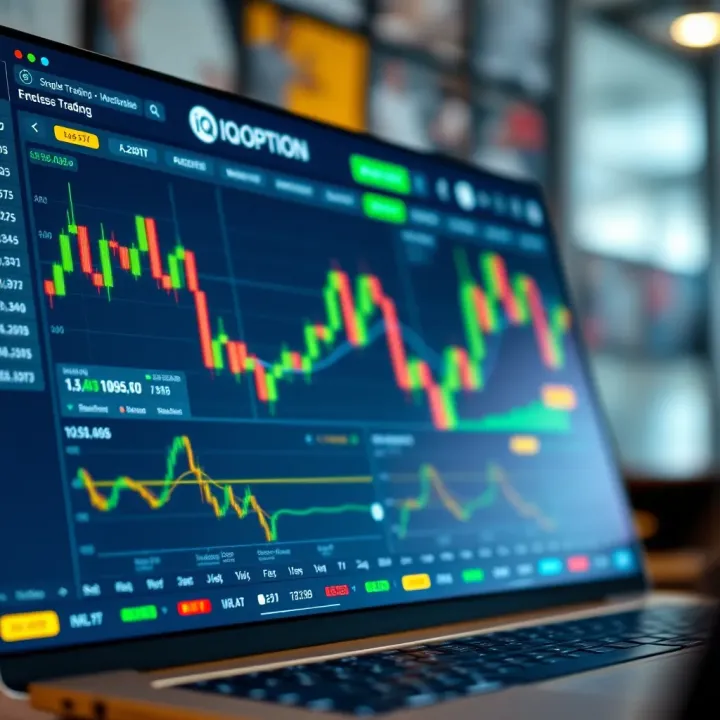
Learn how IQ Option lets Nigerian traders access financial markets with simple tools, diverse assets, and practical tips to start and manage trades confidently 💹💰
Based on 6 reviews