
BTC Price Prediction: Trends and Outlook Ahead
📈 Discover Bitcoin (BTC) price trends, expert insights, and how global events, tech, and local Nigerian factors could impact BTC value in the coming months and years.
Edited By
Thomas Fletcher
Polkadot (DOT) has caught the attention of many traders and investors looking to diversify their portfolios beyond traditional cryptocurrencies like Bitcoin and Ethereum. Designed as a multichain platform, Polkadot enables different blockchains to interoperate seamlessly, providing unique value in the rapidly evolving crypto space.
Understanding what drives Polkadot’s price is key for anyone looking to invest in DOT tokens. Among the main influences are technological developments, adoption rates, market sentiment, and regulatory news. For example, Polkadot’s innovative parachain auctions have attracted notable projects, boosting its ecosystem and, by extension, its market value.
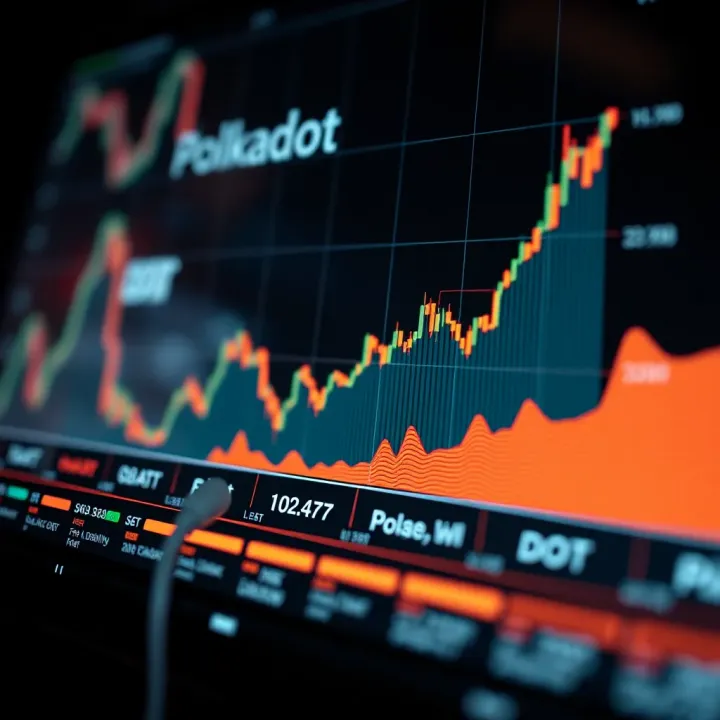
Recent market trends show a mix of volatility and growth potential. Polkadot's price has fluctuated in line with broader cryptocurrency cycles, but its focus on interoperability and security sets it apart. Additionally, the ongoing upgrades planned by the Web3 Foundation aim to strengthen network scalability, which many experts believe could support price appreciation.
Investors should watch for developments such as the launch of new parachains, partnerships, or changes in global crypto regulations, as these can instantly impact DOT's market price.
Nigerian traders, in particular, should consider naira exchange rates and local exchange liquidity when assessing Polkadot’s entry and exit points. Platforms like Binance, Luno, and Quidax provide avenues to trade DOT against the naira, but fluctuating FX rates and market depth remain factors to watch.
Key points influencing Polkadot’s price include:
Progress on its Parachains and governance model
Partnerships with major tech firms and blockchain projects
Liquidity and availability on Nigerian crypto exchanges
Regulatory landscape impacting digital assets in Nigeria and globally
In the sections ahead, we’ll explore these drivers in detail and examine where Polkadot’s price might head over the next few years, helping you make better-informed investment decisions.
Understanding Polkadot and its market position provides a crucial foundation for assessing its price prospects. Knowing the technology behind Polkadot and where it stands among cryptocurrencies helps you see potential value drivers and risks. For investors in Nigeria, this clarity offers insights into how Polkadot's innovations might translate into market adoption, pricing momentum, and overall reliability as a digital asset.
Polkadot is built on a blockchain framework that focuses on interoperability and scalability. Its core features include a relay chain that secures the network and parachains that handle specific tasks independently. This design reduces congestion and enhances transaction speed compared with blockchains like Ethereum that crowd everything onto a single chain. For example, users running decentralised finance (DeFi) apps benefit from faster processing and lower fees.
Unlike most blockchains that operate in isolation, Polkadot's architecture allows different blockchains to connect and communicate seamlessly. This means data and assets can move across chains without intermediaries, opening doors for more complex applications. Practical use cases span from cross-chain token swaps to shared security models that attract developers seeking flexible but secure environments.
Parachains are individual blockchains linked to Polkadot’s main relay chain. They process transactions in parallel, enabling the network to scale without slowing performance. Think of parachains as specialised okadas navigating independent routes but synchronised with the main road (relay chain) for stability. This modular setup encourages innovation, as projects tailor their parachain to focus on particular industries, such as gaming, supply chain, or identity verification.
Polkadot's current market capitalisation places it among the top cryptocurrencies by value, routinely ranking within the top ten globally. This positioning reflects significant investor and developer interest, as well as confidence in its long-term viability. For Nigerians monitoring crypto investments, Polkadot offers a compelling balance between established value and growth potential.
The network enjoys steady adoption, highlighted by active developer participation and expanding projects building on Polkadot’s platform. Monthly developer activity on Github and other repositories often surpass several major rivals. This healthy ecosystem growth signals that Polkadot is not just a speculative asset but a platform with real-world usage continuously evolving.
Comparing Polkadot to Ethereum and Cardano shows both strengths and challenges. Ethereum remains dominant due to its larger user base and mature DeFi infrastructure, but Polkadot offers advantages in scalability and cross-chain ability that Ethereum is still working to fully realise. Cardano focuses more on formal verification and academic rigor but currently lags in developer activity. These aspects help investors estimate how Polkadot might gain or lose ground as the market evolves.
Polkadot’s unique combination of technology and growing adoption makes it a key player to watch, especially for Nigerian investors aiming for exposure to next-generation blockchain infrastructure.
Core features: Relay chain, parachains, interoperability
Market positioning: Top 10 crypto by market cap, high developer activity
Competitors: Ethereum with larger network vs Polkadot’s scalability edge
This understanding supports smarter investment choices and sets realistic expectations for Polkadot’s price movements in the volatile crypto space.
Understanding what moves Polkadot’s price helps investors make informed decisions rather than chasing trends blindly. These factors span both technical upgrades on the blockchain and broader market dynamics. For traders and analysts, recognising these influences highlights opportunities and risks within the ₦naira market and beyond.
Impact of major software updates: Polkadot’s price reacts noticeably to key software improvements. For instance, when the network rolled out the "Parachain Auction" feature, it showcased Polkadot’s commitment to enabling multiple blockchains to operate together. Such updates improve security and functionality, drawing more developers and investors. When these come out, you often see DOT prices swing because confidence in the system’s future usability increases.
Launch of new parachains: Parachains are individual blockchains that connect to Polkadot, expanding its ecosystem. The launch of promising parachains can act as catalysts for DOT’s price, as these projects bring added utility and attract attention. For example, the introduction of a parachain focused on DeFi (Decentralised Finance) protocols tends to generate excitement as it broadens Polkadot’s real-world applications. Investors often watch these launches as signals for potential value growth.
Network scalability improvements: Polkadot's ability to handle more transactions per second affects its attractiveness. When upgrades reduce congestion and lower transaction fees, more users and projects get on board. This scalability boost usually reflects positively on the price because increased demand within a functional network translates to better token utility and value.

Broader crypto market trends: DOT does not move in isolation. When Bitcoin or Ethereum experiences a rally or crash, these ripple through the market, affecting altcoins like Polkadot. For example, during the 2023 crypto winter, DOT prices dipped alongside other cryptocurrencies, highlighting the strong connection to overall market mood. Traders must observe these patterns to time entry or exit points effectively.
Regulatory environment in Nigeria and globally: Local and international regulations weigh heavily on investor confidence. In Nigeria, occasional CBN restrictions on crypto transactions can dampen trading volumes and impact DOT prices domestically. Globally, clearer regulatory frameworks tend to attract institutional investment, which can boost price stability and upward movement. Keeping tabs on policy shifts helps Nigerian investors manage exposure and anticipate market squeezes.
Influence of macroeconomic factors: The naira's volatility, inflation rates, and global economic conditions all shape crypto asset movement. For instance, during bouts of naira depreciation, some Nigerian investors turn to DOT as a hedge, boosting demand. Conversely, tightening monetary policy or forex scarcity can reduce investment inflow. On the global side, events like interest rate hikes in the US often suppress risk asset appetite, affecting Polkadot’s price.
Investors should watch both technical updates within Polkadot’s ecosystem and external forces like regulations and economic trends. Balancing these insights improves forecasting and trading accuracy, especially in Nigeria’s dynamic crypto environment.
Understanding Polkadot's recent price actions offers valuable insight into its market behaviour. This knowledge helps traders and investors grasp potential risks and opportunities by reflecting on how past events shaped the current valuation. Tracking price history alongside volume and volatility exposes patterns that could repeat, guiding more informed decisions in a market as fluctuating as crypto.
The past year for Polkadot (DOT) has been marked by sharp price rallies often followed by notable corrections. For instance, DOT surged past ₦3,000 in early 2023 during a period of widespread optimism in the crypto space, only to drop heavily as the market pulled back from overheated valuations. Such cycles reflect general investor sentiment swings and market cycles typical of altcoins. Recognising these rallies and pullbacks is crucial as it shows how DOT reacts under changing market pressures and investor enthusiasm.
Price moves in Polkadot frequently link to larger happenings within the crypto world. A clear example is the surge following Ethereum’s transition to proof-of-stake, which boosted interest in interoperable blockchains like Polkadot. Similarly, announcements about new parachain auctions or partnerships often trigger bullish runs. Crypto regulation news and macroeconomic developments likewise send ripples through DOT’s price, confirming the interdependence between Polkadot’s price trends and the broader industry environment.
Liquidity and trading volume are key to understanding Polkadot’s recent price performance. High volume periods, like during the launch of new parachains, indicate strong trading interest and can confirm trend strength. Conversely, low volume phases often precede or accompany price stagnation, signalling cautious investor behaviour. Nigerian traders benefit from following volume trends on popular exchanges such as Binance Nigeria or Luno, as sudden changes can hint at upcoming price shifts.
Polkadot’s price often reacts quickly to international news, especially regulatory updates or technological advancements in blockchain tech. When the US Securities and Exchange Commission (SEC) made statements about crypto assets classifications, DOT experienced swift price dips as investors reassessed risks. Conversely, announcements on DeFi integrations or major exchange listings have propelled the price upward. Nigerian investors should monitor such global news closely as they ripple through the market almost instantly.
During price dips, patterns in investor behaviour emerge. Some opt to sell off their DOT holdings to cut losses, while others view price drops as buying opportunities to accumulate at reduced rates. The 2023 market dips saw increased activity on Nigerian crypto platforms with many investors using dips to buy more DOT, anticipating recovery. Understanding these behavioural shifts helps traders time their trades better and manage risks during bearish markets.
Compared to Bitcoin, Polkadot shows relatively higher volatility, which means prices can move faster and more dramatically. However, against other altcoins like Cardano or Solana, DOT’s volatility is more moderated due to its strong ecosystem development and stable investor base. This volatility comparison is useful for portfolio balancing, especially when Nigerian investors aim to combine high-growth assets like altcoins with safer stores of value like Bitcoin.
Tracking Polkadot’s recent price history reveals how external factors and investor psychology influence its market movements, a must-know for anyone serious about trading or investing in DOT.
Understanding expert predictions and price forecasts is essential when navigating Polkadot’s future value. These forecasts help investors, traders, and financial analysts gauge potential movements, plan entry and exit points, and manage risks more effectively. Unlike guesswork, expert analyses typically combine technical charts, market sentiment, and on-chain data, offering a more grounded view of what might lie ahead.
Expert forecasts act as a compass amid the volatile cryptocurrency waters, especially for dynamic assets like Polkadot.
Analysts usually focus on the next three to six months to capture the immediate impact of network developments, market sentiment, and macroeconomic trends. In this timeframe, factors such as upcoming parachain auctions or software upgrades often shape the price. For instance, if Polkadot releases a major scalability update, that could drive buying interest and push the price higher.
Among practical benefits, short-term outlooks guide active traders on when to expect rallies or possible dips. It helps investors time their buys or sells without committing long-term.
Potential price drivers in the short run include broader crypto market trends like Bitcoin’s momentum, regulatory news from major markets (including Nigeria’s stance), and shifts in investor appetite. For example, if global regulators announce stricter controls, volatility may spike, affecting DOT’s price temporarily. Conversely, partnerships or integrations announced within months often create positive buzz, lifting investor confidence.
Five-year forecasts factor in Polkadot’s technology adoption, ecosystem growth, and evolving market conditions. Markets tend to follow wider economic cycles, but blockchain projects with solid fundamentals and expanding use cases often show strong upward trends. Experts often place Polkadot's price anywhere between moderate growth to significant bullish runs, considering its innovative interoperability features.
The expansion of Polkadot’s ecosystem through new parachains and high-profile partnerships has a direct impact on its valuation. Collaborations with established tech firms or fintech companies can boost demand for DOT tokens. For instance, integration with Nigerian fintechs for cross-border payments would increase utility and potentially the token’s market value.
However, risks remain. Regulatory uncertainties, especially across different jurisdictions, can restrict Polkadot’s usage or access. Technical challenges in scaling or competition from rival blockchains like Ethereum 2.0 and Cardano also present threats. Investors need to weigh these uncertainties as they might hinder predicted growth.
In sum, expert predictions serve as crucial guides for anyone interested in DOT, whether for short-term gains or long-term value growth. Staying informed on evolving forecasts allows Nigerian investors especially to make calculated decisions amid the ever-changing crypto market landscape.
Investing in Polkadot (DOT) offers Nigerian investors an opportunity to participate in a dynamic and evolving blockchain ecosystem. However, it's essential to approach this asset with clear strategies suited to Nigeria's unique market and regulatory environment. This section highlights practical steps and considerations tailored to Nigerian investors, helping you navigate buying, holding, and managing DOT effectively.
Nigerian investors can access Polkadot on several reputable crypto exchanges such as Binance, Quidax, and Luno, all of which offer straightforward registration and transactions in Naira (₦). These platforms support trading DOT against either Bitcoin, Ethereum, or directly against the naira, making it easier to enter or exit positions. When choosing an exchange, focus on liquidity, trading fees, and customer support availability within Nigeria.
For holding DOT long term, wallets like Trust Wallet and Ledger hardware wallets offer secure options. Trust Wallet, for instance, is user-friendly and supports DOT storage alongside other cryptocurrencies commonly held by Nigerian users. Meanwhile, Ledger hardware wallets provide cold storage that protects assets from online threats, especially important given frequent reports of exchange hackings in the region.
Security remains paramount in managing cryptocurrency holdings. Nigerian investors should activate two-factor authentication (2FA) on all exchange and wallet accounts to add an extra layer of protection. Avoid storing large amounts of DOT on exchanges where possible; instead, transfer them to personal wallets with strong backup procedures.
Be vigilant against phishing attempts, which have increased with Nigeria's rising crypto adoption. Always double-check the URL of the exchange and avoid clicking on unsolicited links through email or social media. For added safety, consider using apps with biometric locks and ensure your device’s software is up-to-date to mitigate vulnerabilities.
The Federal Inland Revenue Service (FIRS) has begun signalling its intent to tax cryptocurrency transactions, so Nigerian DOT investors should keep accurate records of their trades, purchases, and sales. This documentation will be crucial for calculating capital gains and reporting income during tax filing.
It’s advisable to follow Central Bank of Nigeria (CBN) directives closely. The current regulatory environment is uncertain but evolving, so staying compliant by using licensed exchanges and adhering to anti-money laundering (AML) protocols reduces risks of legal complications.
Given Polkadot’s innovative technology and growing network, it can serve as a high-growth asset in a Nigerian investor’s crypto basket. However, its price swings can be sharper than Bitcoin’s, reflecting its emerging status and ongoing network developments. To balance risk, many investors combine DOT with more stable assets such as Bitcoin or stablecoins like USDT, tempering volatility while preserving upside potential.
While Bitcoin is often the ‘digital gold’ component in portfolios, and stablecoins preserve capital value by pegging to fiat currencies, Polkadot offers exposure to blockchain innovation and interoperability advantages. For Nigerian investors, holding some DOT introduces diversity against mere speculation on Bitcoin’s price movements or relying exclusively on stablecoins, which generate less return.
The ember months in Nigeria — from September to December — often bring higher market activity but also increased risk due to global economic uncertainties and local spending patterns. Experienced investors use these months to look out for price dips in DOT triggered by broader market shakeups. Dollar-cost averaging (DCA) is a popular strategy here, spreading out purchases over several weeks to avoid buying at peaks.
Monitoring market signals and news events related to Polkadot’s network upgrades or partnerships can also guide timing. Avoid chasing after price rallies; patience often yields better entry points and reduces losses from immediate corrections.
Nigerian investors should combine practical knowledge of local conditions with global crypto trends to make informed decisions on Polkadot investments. Securing assets, understanding tax requirements, and balancing portfolios are vital steps to successful engagement with DOT.
📈 Discover Bitcoin (BTC) price trends, expert insights, and how global events, tech, and local Nigerian factors could impact BTC value in the coming months and years.
📉 Bonk price outlook for investors in Nigeria! Analyse past trends, current factors, and Binance Coin's market to spot risks and ₦ opportunities smartly.
🔍 Get detailed insights into Aptos price prediction, tech, and market trends for Nigeria's crypto scene. Stay informed on future moves and tips! 📈
📈 Explore Arbitrum price trends, key market factors, and expert insights to guide your investment decisions in Nigeria and beyond with this detailed analysis.
Based on 7 reviews