
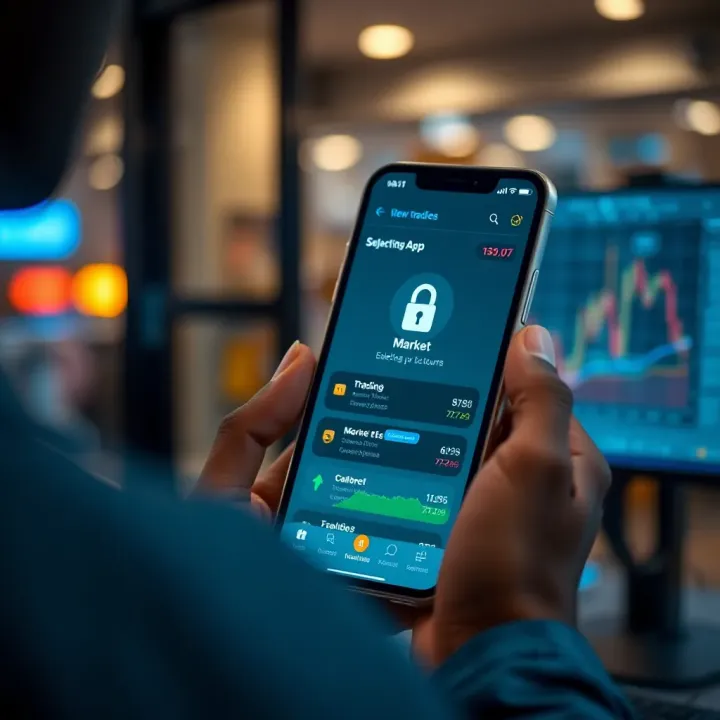
Best Trading Apps in Nigeria: How to Choose
Discover how to pick the best trading app in Nigeria 📱🔒 Focus on security, fees, ease of use, and market options for smarter, safer trading decisions.
Edited By
Victoria Sinclair
Creating your personal trading room is more than just setting up a desk with a computer. It’s about crafting an environment that sharpens your focus, quickens your decisions, and maximises your trading gains. Whether you deal in stocks, forex, or commodities, this space must serve as a command centre tailored to the fast, ever-changing financial markets.
Many Nigerian traders often overlook how crucial a well-organised trading room is. It’s common to see setups scattered with multiple gadgets but lacking proper planning — this slows reaction times and causes unnecessary distractions. To succeed, you need a space that blends comfort, efficient workflow, and robust technology.
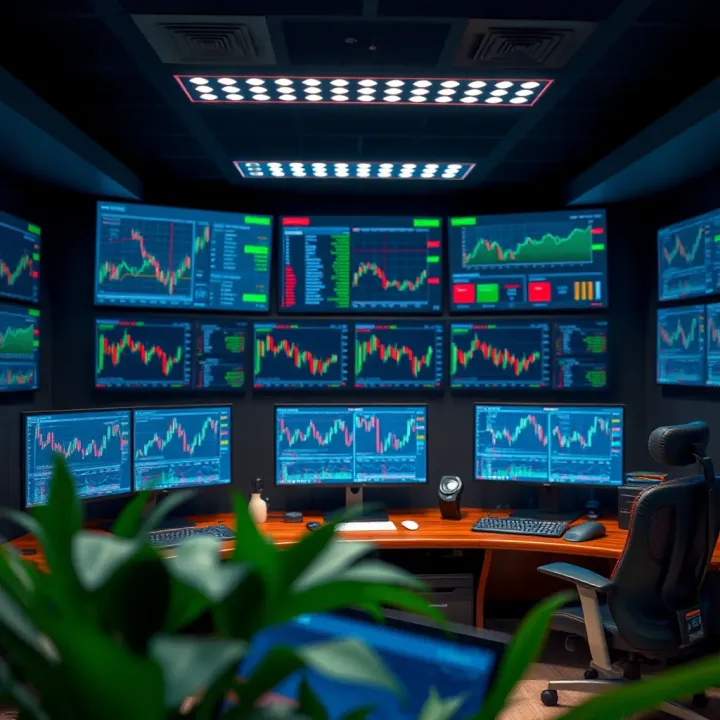
In the sections that follow, we’ll cover essential equipment, ideal room layout, connectivity options fit for Nigeria’s power and internet challenges, as well as software choices that complement your trading style. Practical tips on dealing with frequent power outages, generator noise, and security concerns will help you stay ahead even when conditions aren’t perfect.
A focussed trading room isn’t just a luxury — it’s a necessity for consistent profits and mental clarity in a high-risk field.
Getting this environment right means you can concentrate on reading charts, monitoring live prices, and executing trades swiftly. It also minimises fatigue and distractions that often snatch away opportunities. Your trading room can become your stronghold.
Next, we’ll explore the gadgets and hardware you need, starting with monitors, computers, and backup power solutions that fit Nigeria’s context and budgets.
Picking the right spot for your trading room isn't just about convenience; it affects your focus, decision-making, and ultimately your profits. In a bustling Nigerian household or apartment, carving out a quiet corner dedicated to trading helps reduce distractions. Your chosen space should also support steady power supply, reliable internet, and good lighting, allowing smooth trading sessions even when external challenges come calling.
Minimising distractions from family and neighbours is essential. In many Nigerian homes, noise from children playing or neighbours chatting can break your concentration. For example, a trader in Lagos might find the clatter of okada and hawkers outside disrupting focus unless the room is soundproofed or located away from the busy street. Setting boundaries, like informing housemates about your trading hours, can also help maintain quiet during market activities.
Good natural lighting enhances both comfort and alertness while reducing eye strain. Nigerian traders often face long hours in front of screens; well-lit rooms ease this burden. Choosing a room with large windows facing away from harsh afternoon sun—common in the southern regions—strikes a balance between brightness and avoiding glare on monitors. Even in high-rise apartments in Abuja or Port Harcourt, harnessing natural light reduces reliance on artificial bulbs, saving on electricity.
Urban Nigerian settings bring unique noise challenges like loud traffic, market calls, and religious gatherings. Controlling such external noise is key. Using heavy curtains, weather stripping on doors, or even white noise machines can reduce disturbances. In a city like Ibadan, where dust and noise are frequent, good ventilation combined with soundproofing materials helps create a calm trading environment.
Backup power choices like generators and inverters are a must due to Nigeria’s frequent power disruptions. A trader relying solely on NEPA (Disco) power risks missing critical market moves during blackouts. Investing in a quality inverter with a reliable battery bank or a petrol generator ensures uninterrupted power. For example, traders in Lagos commonly pair a 5kVA generator with an inverter to handle short outages and longer power failures.
Selecting a reliable internet provider affects trade execution speed and data accuracy. Fibre optic connections from providers such as MTN, Spectranet, or Smile offer faster, more stable access compared to mobile data, which can fluctuate in quality. Traders near central Lagos or Abuja might benefit from fixed broadband, while those in remote locations should consider a combination of mobile and fixed-line internet for redundancy.
Preparing for power outages requires more than equipment; it demands readiness. Setting up an uninterruptible power supply (UPS) for your trading rig allows time to save work and switch to backup sources smoothly. Keeping extra fuel for generators or charged power banks also helps. A disciplined schedule to test backup systems controls surprises. Nigerian traders who prepare well handle power challenges without losing trades or risking equipment damage.
A well-chosen trading space that balances quiet, light, and stability sets the foundation for successful trading. It is the first step every Nigerian trader must prioritise before investing in gadgets or software.
Choosing your trading room thoughtfully minimises distractions, boosts comfort, and guards against local challenges like power outages and noise. It’s an investment worth making to protect your time and funds.
Setting up your trading room with the right equipment is vital for staying ahead in Nigeria's volatile markets. Good gear ensures you can react swiftly to market changes, access accurate data, and avoid downtime caused by technical hitches. From powerful computers to communication tools, every piece counts in creating a seamless trading experience.
Trading software, especially for forex or stock markets like the Nigerian Stock Exchange (NGX), demands solid processing power and RAM. A computer with at least an Intel Core i5 or AMD Ryzen 5 processor and 8GB of RAM is advisable. This setup handles multiple applications, charting tools, and live data streams without lag, which is crucial during busy trading hours.
Multi-monitor setups give traders a clear edge. Using two or three screens allows you to watch several charts, news feeds, and trading platforms simultaneously. This reduces the need to switch tabs constantly, helping you spot trends quicker and make informed decisions faster. For example, one monitor could show NGX daily price movements, another your forex trades, while a third displays breaking economic news.
In Nigeria, budget matters when buying hardware. Tokunbo (imported second-hand) computers and monitors offer cost savings, but their lifespan and performance can vary. New devices come with warranties and latest features but cost more upfront. Traders should weigh durability and responsiveness based on their budget and trading intensity. Sometimes, buying a quality tokunbo machine with solid specs beats a brand-new but underpowered one.
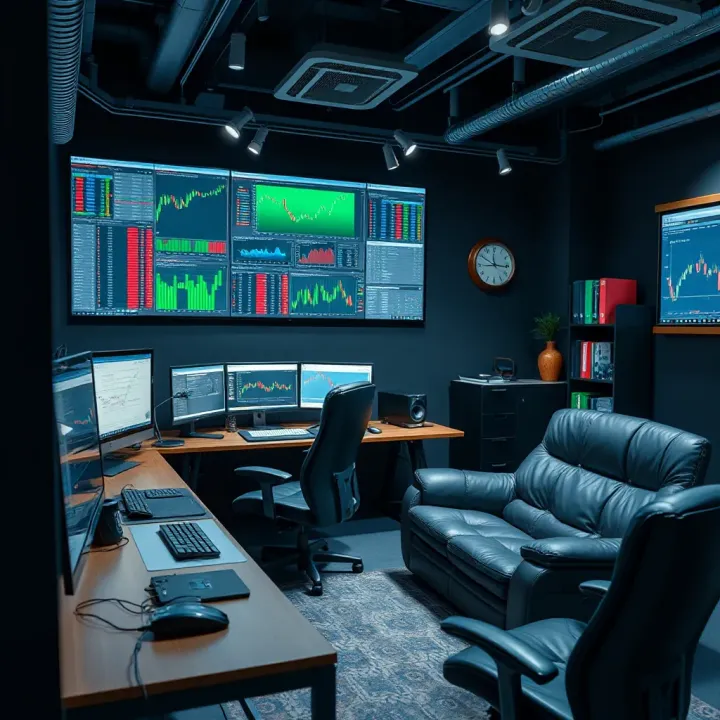
Ergonomics greatly affect your concentration and health. Invest in a comfortable keyboard and mouse, plus an adjustable chair and desk that support good posture. Long hours in front of screens can cause wrist strain and back pain if your setup is poor.
A UPS (Uninterruptible Power Supply) system is essential in Nigeria's power environment. It keeps your devices running briefly during outages, letting you save trades and avoid abrupt shutdowns that can cause data loss or hardware damage. For example, a UPS with at least 1,000 VA capacity will cover your computer and router.
Printers and scanners still play roles, especially for keeping hard copies of trading documents or invoices. Desk organisers keep your space tidy and reduce clutter, making it easier to locate important papers or devices during a hectic session.
A reliable smartphone with a robust data plan is indispensable for monitoring trades on the go. Apps from brokers like ARM Securities or platforms like Binance offer mobile access to markets. Nigerian data networks vary; choosing providers with strong 4G coverage in your area ensures you stay connected.
VoIP phones or traditional lines remain vital for instant broker contact. They provide clear, direct communication for placing orders or clarifying trades when internet voice calls are unstable. Having both options mitigates communication risks.
However, mobile devices can distract if notifications and calls interrupt focus. Manage this by disabling non-essential alerts or using "Do Not Disturb" modes during trading hours. This way, your attention stays on market changes, not pings from social apps.
Building a trading room with the right equipment may seem costly at first but pays off by boosting your efficiency and reducing risks from technical failures. Practical choices in hardware, accessories, and communication tools create a strong base for successful trading.
Setting up your trading software and tools properly is critical to building an efficient trading room. Without clear organisation, you risk missing timely trade signals or struggling with platform glitches during crucial market events. In Nigeria, where markets move fast and volatility is high, having quick access to reliable software helps traders stay ahead. Let’s explore essential software choices, charting tools, and automation features that can sharpen your trading edge.
Nigerian traders commonly use platforms like Remita, MT4 (MetaTrader 4), and Nigerian Stock Exchange (NGX) web portals for stock and forex trading. These platforms are tailored to handle Nigerian equities and currency pairs, offering real-time market data, order execution, and portfolio management features.
Choosing a platform with easy access to Nigerian assets and familiar interfaces boosts productivity. For example, MT4 remains a favourite for forex due to its customisability and wide broker support, while the NGX portal suits those focused on equities listed in Lagos. Picking a platform that aligns with your trading style and supports Nigerian markets ensures smoother operations and better decision-making.
Nigerian payment systems, such as Paystack and Flutterwave, now integrate with trading platforms to streamline deposits and withdrawals. This connection eliminates delays caused by cross-border payment channels, letting you fund your trading account directly with naira. For instance, Flutterwave’s single-click payment solution reduces hassle when moving funds between your bank and trading platform.
Such integrations are vital because they lower transaction costs and speed up fund availability, critical when you want to react fast to market movements. Plus, since these payment systems comply with Nigerian regulations, you avoid complications with the Central Bank of Nigeria (CBN) restrictions.
Choosing between mobile and desktop versions of trading software depends largely on your workflow. Mobile apps offer flexibility for traders who need to monitor positions while moving about Lagos traffic or during generator outages. Platforms like MT4 and TradingView provide robust mobile interfaces.
However, desktop versions give a more detailed trading environment, favourable for in-depth charting and multi-tasking on several screens. For Nigerians running setups with multiple monitors, desktop software allows better layout management. It's common to use desktops for active trading sessions and mobile apps for quick checks during off-hours or travel.
Getting reliable Nigerian market data is non-negotiable. Sources like the NGX data feed, Central Bank of Nigeria reports, and business news websites such as BusinessDay and Nairametrics provide timely and verified information. Subscribing to these feeds allows immediate access to market prices, indices, and economic updates relevant to your trades.
Technical and fundamental analysis tools are your weapons to decode market movements. For example, using charting software like TradingView or MT4 lets you apply indicators such as RSI or MACD to spot trends. Meanwhile, fundamentals apps incorporate financial statements, company earnings, or CBN policy announcements to evaluate asset value.
Blending these analyses offers a fuller market picture. You might notice a stock looks oversold technically but a pending policy shift from the CBN could change its outlook entirely.
Integrating local economic indicators such as the Nigerian Inflation Rate, GDP updates, and oil price movements into your news feeds enhances your market context awareness. Since Nigeria’s economy is heavily oil-dependent, fluctuations in crude prices can sway the naira and equities markets quickly. Accessing these indicators helps you adjust trading strategies accordingly.
Configuring price alerts and stop-loss orders prevents emotional mistakes. For instance, setting a stop-loss on a forex pair like USD/NGN at a certain naira price point guarantees automatic trade exit should the market turn against you. Alerts notify you when stocks hit target prices, enabling timely decision-making even when you’re away from your desk.
Risk calculators designed for Nigerian market volatility factor in sudden naira devaluation or black swan events on the NGX. These calculators help determine position sizes that fit your risk tolerance, preventing losses that could damage your portfolio severely, especially important considering the naira’s frequent fluctuations.
Setting notification preferences smartly reduces overload but ensures critical alerts reach you promptly. Instead of flooding your phone with every small price move, calibrate alerts to highlight only meaningful changes, news, or technical indicator signals. This focus keeps your attention clear and ready for real trading decisions.
A well-organised software and tools system empowers Nigerian traders to react swiftly, manage risks intelligently, and stay informed, which are indispensable for consistent success in volatile markets.
An effective trading room layout improves focus and productivity for traders who often spend long hours analysing market movements. Designing your space to be comfortable and orderly reduces physical strain and mental distractions, helping you make sharper decisions. In Nigeria’s trading environment — with its occasional power interruptions and space constraints — getting your layout right can significantly ease daily challenges.
Choosing chairs and desks that support long sessions is crucial because poor posture quickly leads to discomfort, which hampers concentration. Opt for ergonomic chairs with adjustable height, lumbar support, and armrests to reduce back and neck strain. A desk with enough space to accommodate multiple monitors, a keyboard, and other essentials allows smooth workflow. For instance, investing in a quality office chair costing ₦50,000–₦70,000 often pays off by preventing fatigue during extended market hours.
Adjusting screen height and distance helps prevent eye and neck strain. Screens should be positioned at eye level or slightly below, about 50 to 70 centimetres away. This setup reduces the tendency to crane your neck or squint, common problems among Nigerian traders working on laptops or small desks. Using monitor stands or adjustable arms can fine-tune these angles easily, maintaining good posture without cluttering your workspace.
Lighting solutions to reduce eye strain are vital where power instability forces reliance on alternative lighting like lamps or LEDs. Natural daylight is best, but when unavailable during ember months with shorter days, quality desk lamps with adjustable brightness and temperature help. Avoid harsh fluorescent bulbs that cause glare; instead, use warm LED lighting to track charts without tiring your eyes. Placing screens perpendicular to windows also minimizes reflections.
Using cable organisers and trays tames the mess of wires from monitors, routers, power banks, and UPS systems common in Nigerian trading rooms. Without effective cable management, you risk accidental disconnections or power trips, which disrupt trading. Affordable cable trays, clips, and sleeves — readily available in Lagos or Abuja markets — keep cords neat and safely routed.
Keeping workspace clutter-free for focus has practical benefits. A tidy environment reduces the mental burden that unnecessary papers, gadgets, or stationery create. Traders who clear their desks regularly report better concentration. For example, Nigerian traders using minimalistic setups with only essential tools find it easier to stay alert during fluctuating market conditions, especially after long sessions.
Storing documents and stationery efficiently prevents loss of important trade notes, receipts, or permits. Use drawer organisers or labelled files to categorise materials by priority or date. This practice saves time when quickly retrieving strategy plans or financial statements. It also guards against the common Nigerian challenge of misplacing paperwork amid busy offices or shared home spaces.
Designing your trading room with comfort and organisation is not a luxury but a necessity. It shields you from unnecessary physical strain and distractions, allowing you to concentrate fully on market moves and make timely decisions.
Protecting your trading room against information breaches and physical threats is not just wise; it's fundamental. With sensitive financial data, real money, and personal details involved, even a small lapse could lead to severe losses or identity theft. A secure trading environment helps you maintain uninterrupted focus and trust in your setup, especially when operating in Nigerian conditions where cybercrime and theft are rising.
Using strong passwords and two-factor authentication is the first line of defence for your accounts. Avoid common passwords or easily guessable combinations like "123456" or "password". Instead, use a mix of letters, numbers, and symbols. Two-factor authentication (2FA) adds an extra layer, often requiring a code sent to your phone before granting access. This is especially important for access to trading platforms like Binance, MTN Securities, or GTBank’s online system.
Securing your Wi-Fi network is critical given the frequent power fluctuations and network sharing typical in Nigerian homes. Change default router passwords and use WPA3 encryption if available. Consider hiding your network’s SSID to make it less visible. A secure Wi-Fi connection limits the risk of neighbours or intruders sniffing your data or hacking into your systems when you trade.
Data backup routines and encryption ensure you won’t lose vital records if your computer crashes or suffers malware attack. Regularly copy your trading history, charts, and plans to external drives or secure cloud services. Encrypt sensitive files using readily available software to prevent unauthorised access. For example, backing up your trade data with encrypted storage safeguards your strategies against both accidental loss and deliberate breaches.
Securing devices against theft in shared homes is essential, especially if you live in a compound or rented apartment where others have access. Keep your laptop or desktop in a dedicated space like a lockable cabinet or a sturdy desk with lockable drawers. This prevents opportunistic theft, particularly during nights or when you’re away.
Using locks and access controls helps restrict who can physically reach your trading station. Providing a lock for the trading room door or using biometric locks (like fingerprint scanners) adds extra security. Even simple measures like door alarms or CCTV cameras deter potential intruders or careless family members who might unintentionally disrupt your setup.
Arranging insurance for high-value equipment is often overlooked but quite necessary. In cities like Lagos or Abuja, equipment like high-spec laptops, multiple monitors, and networking gear can cost hundreds of thousands of naira. Getting insurance coverage protects your investment against theft, fire, or damage. It provides peace of mind so you can focus on your trades without worrying about unexpected losses.
Securing both your digital and physical trading environment protects your capital, your peace of mind, and ultimately your success as a trader.
Ultimately, being proactive about security and privacy in your trading room ensures you maintain control over your valuable information and equipment in the Nigerian context where power and security challenges are real. These practical steps make your trading activities safer and your decisions more confident.
Discover how to pick the best trading app in Nigeria 📱🔒 Focus on security, fees, ease of use, and market options for smarter, safer trading decisions.
📊 Explore how binary options work in Nigeria, learn smart trading tips, spot scams, and understand regulations to trade safely and confidently.
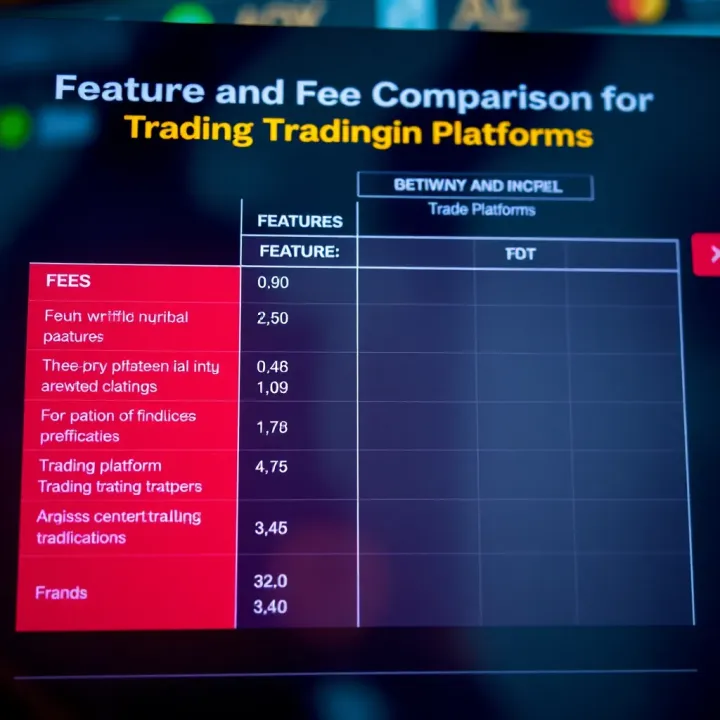
Find the ideal trading platform in Nigeria! Compare features, fees, and usability of top options, plus tips to fit your style 📊📱💰
Discover how to pick the best online trading platform in Nigeria 🇳🇬 with tips on security, fees, tools, support, and regulations to trade confidently.
Based on 5 reviews