
Will the Dollar Rate Rise Next Week in Nigeria?
📈 Will the USD/NGN rate climb next week? Get a closer look at economic factors, govt moves & market trends shaping Nigeria's forex scene.
Edited By
James Ellison
Monitoring the dollar to naira black market exchange rate is critical for traders, investors, and financial analysts in Nigeria. Unlike the official foreign exchange rate, the black market rate reflects real-time supply and demand dynamics, often diverging sharply from the Central Bank of Nigeria (CBN) figures. Recent fluctuations show how economic policies, foreign exchange scarcity, and external shocks impact naira stability unofficially.
The black market exists largely because access to dollars through official channels is limited by regulatory constraints and low foreign reserves. Consequently, businesses relying on imports or forex-denominated payments resort to the black market for quicker access, albeit at higher costs. This parallel market signals broader economic pressures unseen in official data.
Key drivers affecting the black market rate include:
Monetary policy adjustments by the CBN, especially interest rate changes and intervention frequency
Petroleum price volatility impacting Nigeria’s oil-dependent foreign exchange earnings
Import restrictions and trade policies that restrict dollar inflows
Speculative activities by forex traders and arbitrage across official and unofficial markets
Global economic factors, such as US dollar strength and commodity price trends
The black market exchange rate often serves as a leading indicator for naira devaluation risks, reflecting market sentiment ahead of official announcements.
Understanding these dynamics helps businesses forecast operational costs and manage foreign currency exposure effectively. For example, importers can anticipate price adjustments for tokunbo goods or raw materials if the black market rate trends higher than the official rate consistently over weeks.
Looking ahead, policy shifts such as increased forex supply through the Investors and Exporters (I&E) window or trade liberalisation could ease black market pressures. Conversely, tightened capital controls could widen disparities between official and black market rates.
Being alert to these trends and their implications enables better risk management and strategic planning amid Nigeria’s complex forex landscape.
Understanding the dollar to naira black market is essential for traders, investors, and financial analysts because it reveals the real pressure on Nigeria’s currency beyond official figures. This market directly affects import costs, inflation rates, and business profitability, making it critical for decision-making. For instance, a trader sourcing tokunbo electronics finds that black market rates determine actual purchase prices, often diverging significantly from official rates announced by the Central Bank of Nigeria (CBN).
The black market exchange rate refers to the unofficial value of the dollar against the naira as determined by private buyers and sellers outside the formal banking system. Unlike the official rate set and regulated by the CBN, the black market rate fluctuates freely based on real-time supply and demand. Traders often turn to this rate when official rates are too restrictive or unavailable.
This distinction is relevant because many Nigerians and businesses rely on the black market to purchase dollars for importation, overseas education, or travel. For example, while the official rate may be ₦460/$1, the black market could trade at ₦720/$1, affecting how much naira you need for a dollar.
The black market thrives mainly due to limited access to foreign currency in official channels. This shortage often results from CBN policies limiting dollar sales or when foreign reserves dwindle due to reduced oil revenues. For instance, during low oil price spells, importers and individuals cannot get dollars easily at the banks, pushing demand to the black market.
In addition, bureaucratic inefficiencies and delays in official forex allocation compel businesses to seek alternative channels. As a result, a thriving black market emerges, serving urgent foreign exchange needs outside regulatory frameworks.
Black market rates form based on actual forex availability and demand dynamics. When more people want dollars than sellers can provide, rates rise; when supply surges, rates ease. Besides, global factors such as the US dollar’s strength, Nigeria's political stability, and remittance flow also influence how much naira one dollar commands.
For example, during political uncertainty, demand for dollars often spikes, raising the black market exchange rate. Market participants also watch speculative activities, which can cause rapid rate shifts in response to rumours or policy announcements.
Over the past decade, the dollar to naira black market rate has seen sharp swings. Between 2015 and 2017, following the naira’s devaluation and oil price crashes, the black market rate moved from about ₦200/$1 to over ₦500/$1. Similarly, in 2020’s pandemic-induced economic shocks, the rate climbed past ₦480/$1 to ₦500+ within months.
Such fluctuations demonstrate the naira’s vulnerability to external shocks and domestic policy shifts. They also underscore why businesses must monitor black market rates continually when planning procurement or pricing strategies.
Several key events sparked black market rate changes, including fuel subsidy removals, elections, and monetary tightening by the CBN. For example, in late 2022, oil export disruptions due to militant activity reduced foreign currency inflow, causing the black market rate to jump to nearly ₦750/$1.
In contrast, announcements of eased forex controls or new fintech platforms providing dollar access can temporarily lower or stabilise black market rates. Hence, political and economic events remain major black market rate drivers.
The official exchange rate is often far lower than the black market rate, reflecting government efforts to curb inflation or maintain naira stability artificially. However, this gap can complicate trade, causing confusion and extra costs.
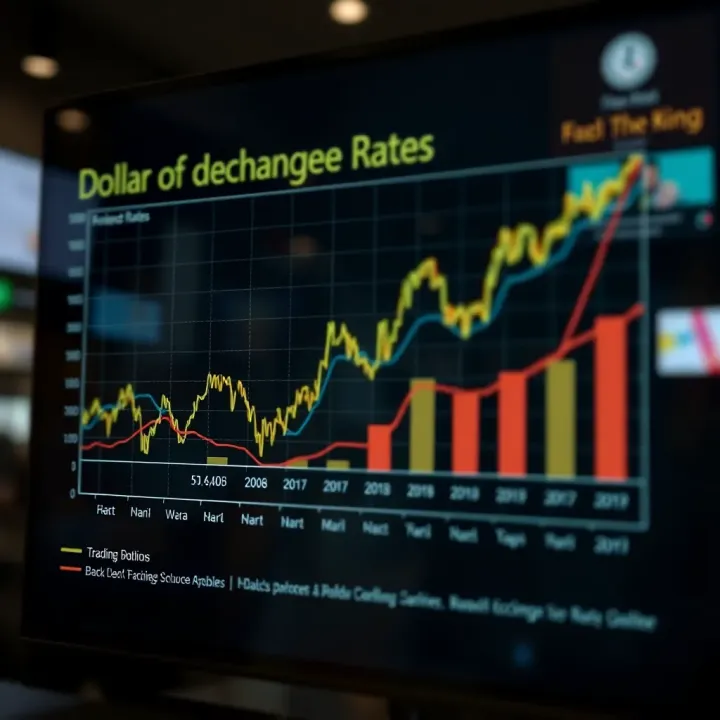
For example, a company might plan imports using the official ₦460/$1 rate but end up paying considerably more if forced to buy dollars at the black market rate of ₦700/$1. This divergence affects pricing, profit margins, and investment decisions, underscoring why understanding both rates is vital.
Traders and investors must keep an eye on both official and black market rates to navigate Nigeria’s forex landscape effectively.
Overall, this overview sets the stage for deeper insights into drivers and consequences discussed in later sections.
Understanding what moves the dollar to naira black market rate is key for traders, investors, and financial analysts who want accurate predictions and strategies. Several factors interplay, from government actions to global economic winds, influencing how the naira performs unofficially against the dollar.
Nigeria’s Central Bank often imposes limits on dollar sales to banks, businesses, and individuals, tightening access to official forex. These restrictions aim to conserve reserves but frequently push demand into the black market, where dollars trade at higher premiums. For example, when the CBN clamps down on FX for importers, many resort to black market sources to keep their supply chain running.
The CBN’s adjustments of interest rates and monetary supply affect inflation and currency stability. Higher rates can attract investments, boosting naira strength officially. However, if rate hikes fail to curb inflation or monetary growth is unchecked, confidence falls, driving demand for dollars outside the official channel. Traders watch these moves to gauge naira’s direction and black market pressure.
Direct intervention, like dollar sales or swap agreements with banks, aims to stabilize the naira. Yet, limited dollars in official hands create scarcity, worsening the gap between official and black market rates. Past interventions showed mixed results—while short-term relief occurred, persistent supply constraints keep black market rates elevated.
Remittances from Nigerians abroad inject dollars into the economy, easing pressure on supply. When these inflows increase, black market rates tend to cool, benefiting businesses and consumers. For instance, festive periods often see higher remittance volumes, temporarily relaxing black market premiums.
Nigeria’s export earnings, especially from oil, are a crucial source of forex. Fluctuations in global oil prices directly influence how much dollar supply taps official channels. Low oil revenues tighten forex availability, pushing naira depreciation in the black market. Conversely, a rise in oil prices or production often brings relief.
Apart from remittances and oil, foreign investment inflows and capital flight significantly affect forex availability. Large investments ease dollar scarcity; however, capital flight driven by economic uncertainty or political risk drains forex, boosting black market rates. The balance of these flows shapes the supply-demand equation for dollars in Nigeria.
When the US dollar strengthens globally, emerging market currencies—including the naira—usually weaken. This dynamic makes imported goods costlier and increases forex demand, feeding black market activity. Additionally, shifts in trade terms or tariffs affect Nigeria's export and import volumes, influencing dollar availability.
Political uncertainty loosens investor confidence, causing capital outflows and higher demand for hard currencies like the dollar. Events such as elections, policy shifts, or security challenges often trigger spikes in black market rates as confidence wavers and forex scarcity worsens.
Sanctions or trade restrictions imposed on Nigeria or its trading partners can limit dollar inflows and disrupt supply chains. This reduces official forex availability and stimulates black market trading. For example, any restriction affecting crude oil sales or repatriation of foreign investments tends to squeeze dollar access, pushing black market premiums higher.
The black market dollar to naira rate doesn't just reflect currency value—it signals broader economic health, investor confidence, and government policy effectiveness. Recognising these factors helps stakeholders navigate the complex forex market in Nigeria with finer insight.
Central Bank forex policies tighten or loosen dollar access, impacting black market rates.
Supply-demand balance shaped by remittances, oil revenues, and capital flow drives forex availability.
External events, from global dollar trends to political stability, affect naira strength and black market activity.
This knowledge is vital for anyone involved in forex trading, import business, or economic forecasting in Nigeria, guiding decisions and anticipating market shifts with practical awareness.
The fluctuations in the dollar to naira black market rate affect Nigerians in many tangible ways. For businesses and consumers alike, these shifts translate into changing costs, affordability, and access to foreign exchange. Understanding these consequences helps investors, traders, and analysts anticipate economic pressures and devise relevant strategies.
Costs of imported goods and raw materials could rise sharply when the naira weakens against the dollar on the black market. Businesses reliant on imports of machinery, raw materials, or finished goods face increased expenses when sourcing dollars unofficially. For example, a textile manufacturer importing fabrics must pay more naira for the same dollar amount if the black market rate surges. These higher input costs often squeeze profit margins or force price hikes downstream.
Pricing challenges and inflation link emerge as companies pass increased dollar costs to consumers. When the black market rate widens significantly from the official rate, inflation tends to accelerate. Foods, electronics, and pharmaceuticals with imported components become costlier, driving general price rises. The Consumer Price Index (CPI) often reflects these pressures, hitting household budgets. For instance, during the 2022 naira depreciation episodes, restaurants and supermarkets noticeably raised prices within weeks.
Operational pressures on SMEs multiply as small and medium enterprises juggle volatile exchange rates, cash flow issues, and harder access to official forex windows. Many SMEs rely on black market rates because official rates are limited or slow to access. However, unpredictability in the black market makes budgeting difficult and increases working capital demands. A Lagos-based start-up importing plastic packaging faced delays and extra costs due to naira volatility, ultimately affecting delivery schedules.
Effect on prices of everyday goods is immediate and felt by most Nigerians in markets and stores. Items such as rice, sugar, cooking oil, and mobile phone accessories often depend on imported inputs priced at black market rates. When the naira weakens, these goods become noticeably pricier at mama puts and supermarkets. Consumers consequently adjust spending habits, often buying less or switching to cheaper alternatives.
Access to foreign exchange for travel and education is another crucial impact. Students wishing to study abroad or individuals travelling internationally must source dollars, typically at black market rates due to scarcity. This inflates education and travel budgets significantly. A parent sending their child to a university in the UK might pay upward of 30% more for tuition and living expenses compared to using official exchange rates.
Changing purchasing power of the naira is the overarching consequence driving these effects. As the black market rate rises, the naira buys fewer goods and services, eroding savings and incomes. Many households that once had modest discretionary spending find themselves struggling to meet basic needs. For investors and traders, this erosion signals wider economic stress and increased demand for forex hedging products.
The impact of the black market dollar fluctuations is not just theoretical but shapes everyday pricing, business viability, and consumer spending across Nigeria. Staying informed of these consequences equips stakeholders to navigate risks and spot opportunities amidst currency uncertainties.
Black market rate volatility directly increases operating costs for import-dependent businesses.
Consumer prices for staple and luxury goods often track movements in black market rates.
Access to dollars for education and travel inflates budgets significantly when official channels fail.
Overall purchasing power declines with sustained naira depreciation on the black market.
This section highlights why the black market dollar to naira rate matters beyond forex traders, impacting real economic decisions for millions.
Forecasting the dollar to naira black market rate is vital for traders, investors, and financial analysts who navigate Nigeria's complex forex landscape daily. Predicting these rates helps in making informed decisions on investments, business operations, and risk management. Given the unofficial nature of the black market, its rates often reflect the real pressures on Nigeria’s foreign exchange ecosystem, beyond just official numbers.
For instance, traders who understand short-term shifts can better anticipate price movements in commodities and imported goods. Meanwhile, investors assessing risks in the Nigerian market rely on accurate forecasts to avoid losses caused by sudden naira devaluations.
The black market rate has seen gradual shifts lately, influenced by factors like dwindling oil revenues and the Central Bank’s restrictions on forex access. For example, periods of oil price dips quickly push the naira down in the black market as foreign earnings shrink. Near-term projections point to continued volatility, especially with ongoing challenges in forex supply and rising demand during the ember months.
The government’s planned reforms, such as easing forex restrictions or adjusting monetary policy, could temporarily stabilise the black market rate. However, if policies fail to address structural issues like inadequate forex inflows or inefficient distribution, the unofficial rate might stay elevated. Traders should closely monitor announcements from the Central Bank of Nigeria (CBN) and the Ministry of Finance, as these often trigger quick market reactions.
Global dollar strength and shifting trade dynamics weigh heavily on the naira’s black market value. For example, tighter US monetary policy tends to strengthen the dollar, making naira weaker in the unofficial market. Similarly, fluctuations in crude oil prices on international marketplaces directly affect Nigeria’s forex reserves and black market liquidity. Thus, understanding external factors can help stakeholders anticipate currency pressures.
Long-term stability will likely depend on deep reforms such as improving Nigeria’s export base beyond oil, increasing forex inflows via diaspora remittances, and creating a more transparent forex market. Should the government successfully implement these reforms, it could reduce the gap between official and black market rates significantly, boosting investor confidence and lowering inflationary pressures.
Despite reforms, the informal sector—home to millions of Nigerians—will probably keep the black market relevant. Since many small businesses and individuals lack access to official forex channels, the unofficial market serves as their main source for dollars. This persistent demand means the black market rate won’t disappear soon but might stabilise if better access is provided.
Fintech platforms like Paystack, Flutterwave, and OPay are gradually altering forex access by facilitating easier dollar purchases and remittances. If these technologies scale up, they could curb black market reliance by improving transparency and accessibility. Moreover, digital wallets and faster payment systems might narrow forex supply-demand gaps that currently fuel black market premiums.
Accurate forecasting of the dollar to naira black market rate requires keen observation of policy moves, economic fundamentals, and technological shifts. This insight empowers traders and investors to plan with confidence amid Nigeria’s forex complexities.
📈 Will the USD/NGN rate climb next week? Get a closer look at economic factors, govt moves & market trends shaping Nigeria's forex scene.
📈 Discover Bitcoin (BTC) price trends, expert insights, and how global events, tech, and local Nigerian factors could impact BTC value in the coming months and years.
🔍 Get detailed insights into Aptos price prediction, tech, and market trends for Nigeria's crypto scene. Stay informed on future moves and tips! 📈
📊 Explore Uniswap's price trends, key market drivers, and what to expect in decentralized finance. Get detailed insights for smarter investing today!
Based on 6 reviews